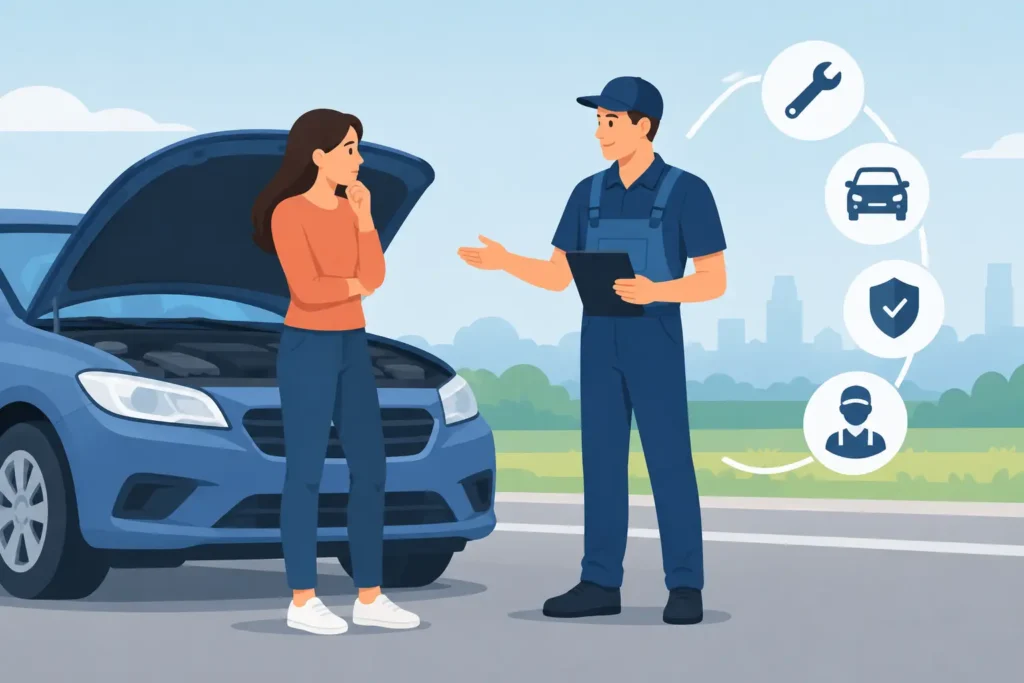
A breakdown rarely happens at a convenient time. You might be stopped at the servo with a car that will not restart, stuck in peak-hour traffic with an overheating engine, or parked safely at home with a warning light that changes the plan for the day. Knowing when do you need a tow can protect you, your passengers and your vehicle from a manageable fault becoming an expensive repair.
The simple rule is this: if driving the vehicle could be unsafe, cause further damage, or leave you stranded again, arrange a tow. A professional breakdown tow gives you a safe way to get the vehicle to a trusted mechanic, your home or another suitable destination without taking a gamble on the road.
When do you need a tow immediately?
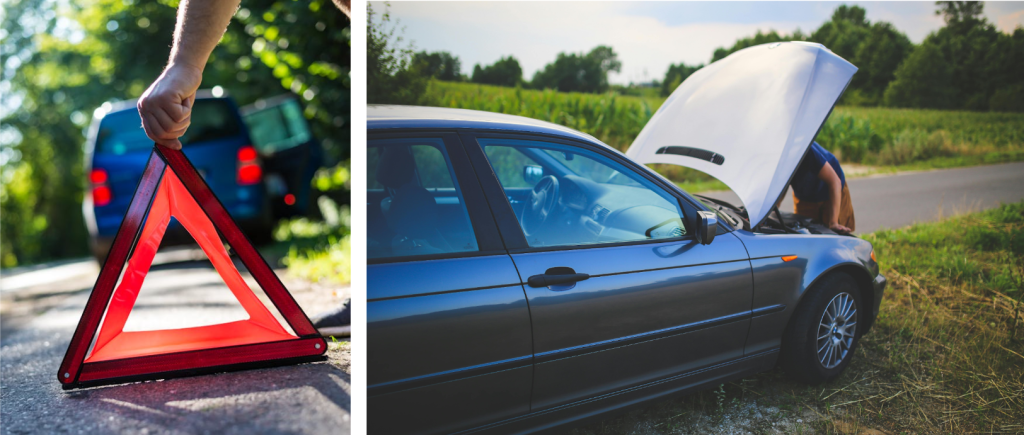
Some faults leave no room for a trial run. If your vehicle has lost steering, braking or power while driving, pull over as safely as possible, switch on your hazard lights and call for help. Do not attempt to drive on just because the destination is nearby. A short distance can still put you at risk, particularly on Melbourne freeways, busy arterial roads or narrow suburban streets.
You also need a tow immediately if there is smoke from the bonnet, a strong burning smell, fluid pouring onto the road, or signs of fire. Turn the engine off, move away from traffic if it is safe to do so, and keep clear of the vehicle if you suspect a fuel leak or fire risk. Opening a hot radiator cap or trying to inspect a smoking engine can cause injury.
A flat tyre is not always a towing situation, but it can be. If you have no safe place to change it, no usable spare, damaged wheel studs, more than one flat tyre, or tyre damage following a pothole strike, towing is often the safer choice. This is especially true on high-speed roads, in poor weather or at night.
Mechanical problems that should not be driven
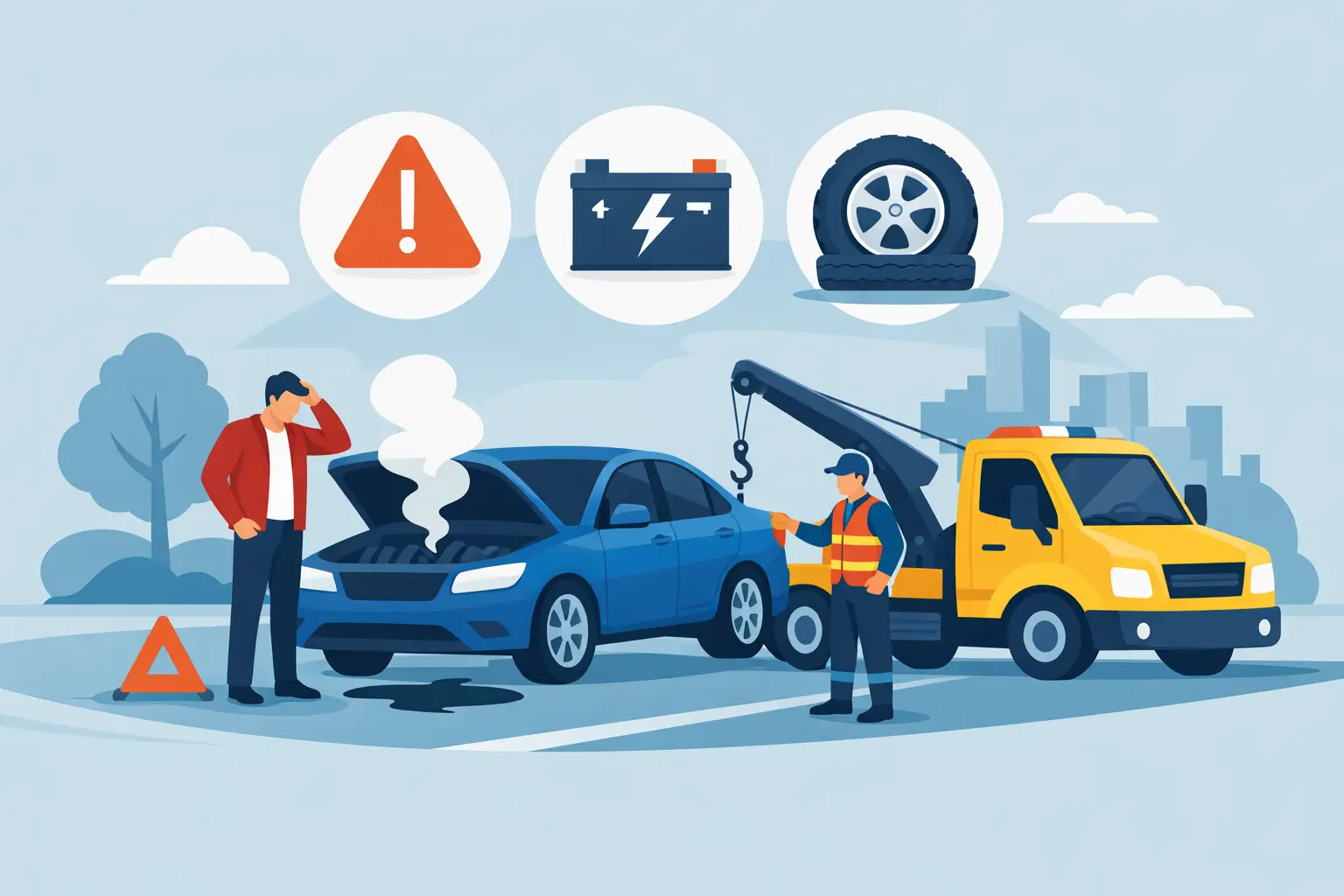
Not every warning light means you must stop at once, but several issues should be treated seriously. A red oil pressure warning, a high temperature warning, a brake warning light combined with poor brake feel, or an engine management light that is flashing can indicate a fault that needs prompt attention.
The engine is overheating
If the temperature gauge is rising into the hot zone, steam is coming from under the bonnet, or an overheating warning appears, stop driving as soon as it is safe. Continuing to drive an overheated vehicle can damage the head gasket, cylinder head or engine itself. Let the engine cool naturally and arrange transport rather than adding water to a hot system and hoping it will make the trip.
The engine will not start
A non-start can be caused by a flat battery, starter motor problem, faulty alternator, immobiliser issue or fuel-system fault. If you are certain the battery is flat and can safely access a suitable jump-start, that may get you moving. But if the vehicle will not start after one sensible attempt, repeatedly cranks without firing, or starts and then dies, a tow is usually the practical option.
This matters because a jump-start does not repair the underlying problem. A failing alternator may leave you stopped again minutes later, while an electrical issue can create unpredictable faults. Towing the vehicle straight to a workshop can save time and avoid another roadside stop.
You have lost power or the transmission is slipping
A vehicle that struggles to accelerate, surges, shudders heavily, will not select gears or loses drive should not be pushed to continue. Transmission faults can worsen quickly, and driving with reduced power can be dangerous when merging, turning across traffic or travelling uphill.
For automatic, hybrid and electric vehicles, the correct loading method matters as well. Some vehicles should not be towed with their driven wheels on the road, while others require a flatbed to prevent drivetrain damage. If the car will not move normally or displays a drivetrain warning, flatbed transport is the cautious choice.
Your brakes or steering do not feel right
Spongy brakes, a brake pedal that sinks, loud grinding, severe pulling under braking, a steering wheel that suddenly feels heavy, or a vehicle that wanders unpredictably are all reasons to stop. These faults affect your ability to control the vehicle, not just its reliability.
If you can safely pull over, do so without sudden movements. Leave plenty of space from other vehicles, use your hazard lights and avoid trying to nurse the car to a mechanic. A tow is far cheaper than the consequences of losing control in traffic.
Situations where a tow is the safer call
Sometimes the fault itself seems minor, but the location makes roadside troubleshooting unsafe. A car stopped in a live lane, on a freeway shoulder, near a blind corner or beside fast-moving traffic needs a cautious response. Your priority is getting yourself and passengers away from danger, not diagnosing the vehicle.
If it is safe to exit the vehicle, move behind a barrier or well away from traffic. Do not stand between your car and passing vehicles, and do not work on the traffic-facing side of the vehicle. If getting out would put you in greater danger, remain inside with doors locked and hazard lights on while you arrange assistance.
Towing is also sensible when you are travelling with children, carrying work tools in a van, transporting goods in a light truck, or dealing with a breakdown late at night. The question is not only whether the vehicle might drive. It is whether the delay, uncertainty and exposure at the roadside are worth it.
Can you drive after a warning light appears?
It depends on the light, how the vehicle is behaving and where you are. A yellow warning light with no change in driving behaviour may allow you to travel cautiously to a nearby mechanic, but it still needs inspection. A red warning light, flashing engine light, unusual noise, smoke, vibration or loss of performance changes the decision.
Do not rely on the fact that the vehicle is still moving. Cars can continue to run while suffering low oil pressure, coolant loss, charging failure or transmission damage. The cost of a tow is often small compared with replacing an engine, gearbox or battery system.
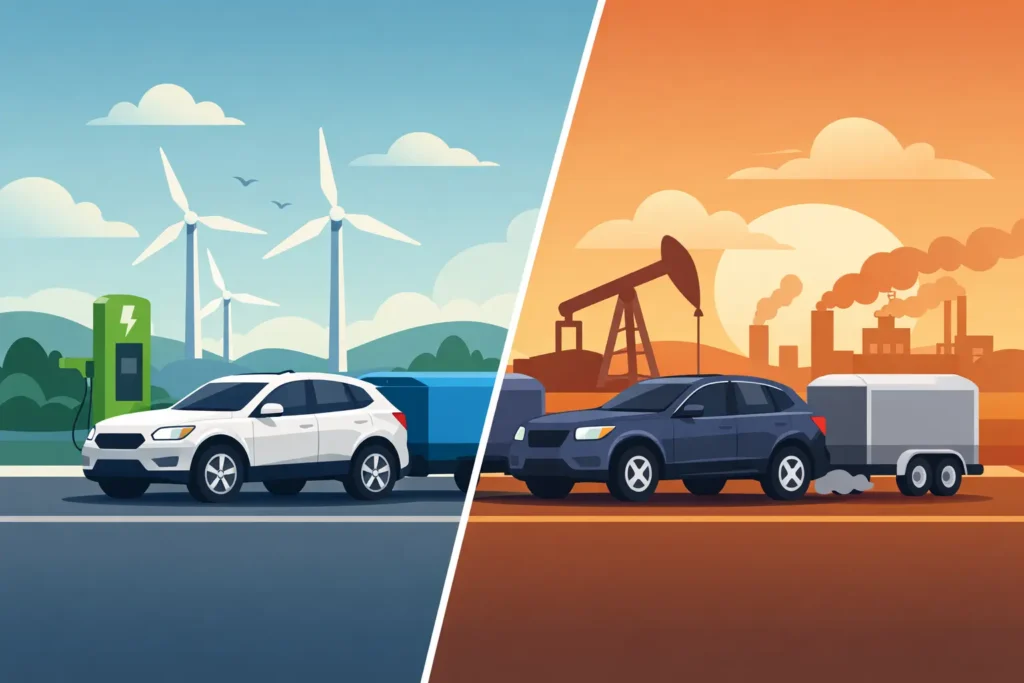
For EV and hybrid drivers, warnings relating to the high-voltage system, battery temperature, charging system or reduced propulsion should be handled carefully. Do not attempt repairs or improvised charging at the roadside. Tell the towing provider the vehicle type, whether it can be placed in neutral, and any warning messages shown on the dash so the right equipment can be sent.
What information should you have ready for a tow?
Clear details help a towing operator give you an accurate price and realistic arrival time before dispatch. Have your location ready, including the nearest cross street, landmark or freeway exit. If you are on a major road, say which direction you are travelling and where the vehicle is positioned.
You should also explain the vehicle make, model and condition. Mention whether it starts, rolls, has locked wheels, is in a car park, has low clearance, or needs to be moved from a basement. For motorcycles, performance cars, EVs and specialty vehicles, tell the operator about any loading requirements or modifications that may affect safe transport.
Finally, nominate the destination before the truck arrives where possible. That could be your usual mechanic, dealership, home or workplace. A clear plan reduces waiting time and helps avoid moving the vehicle twice.
Why flatbed towing is often the best option
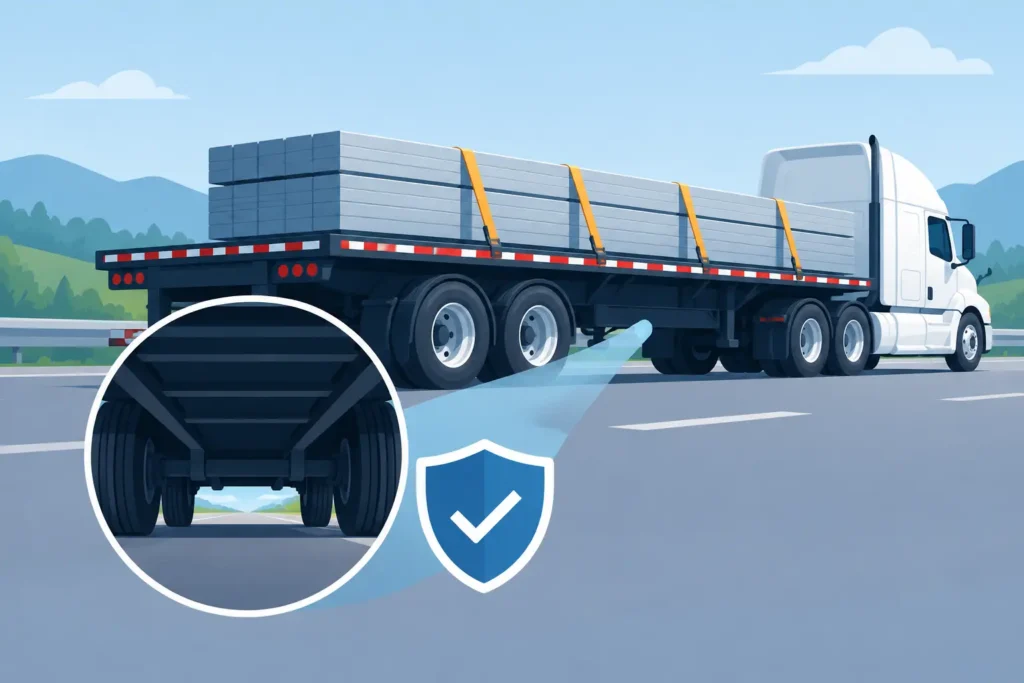
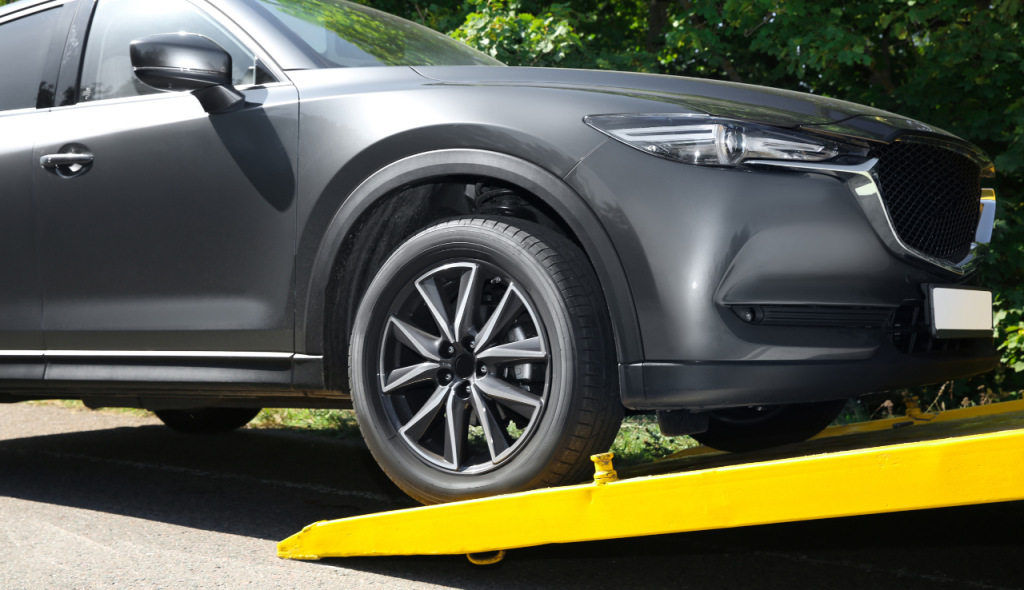
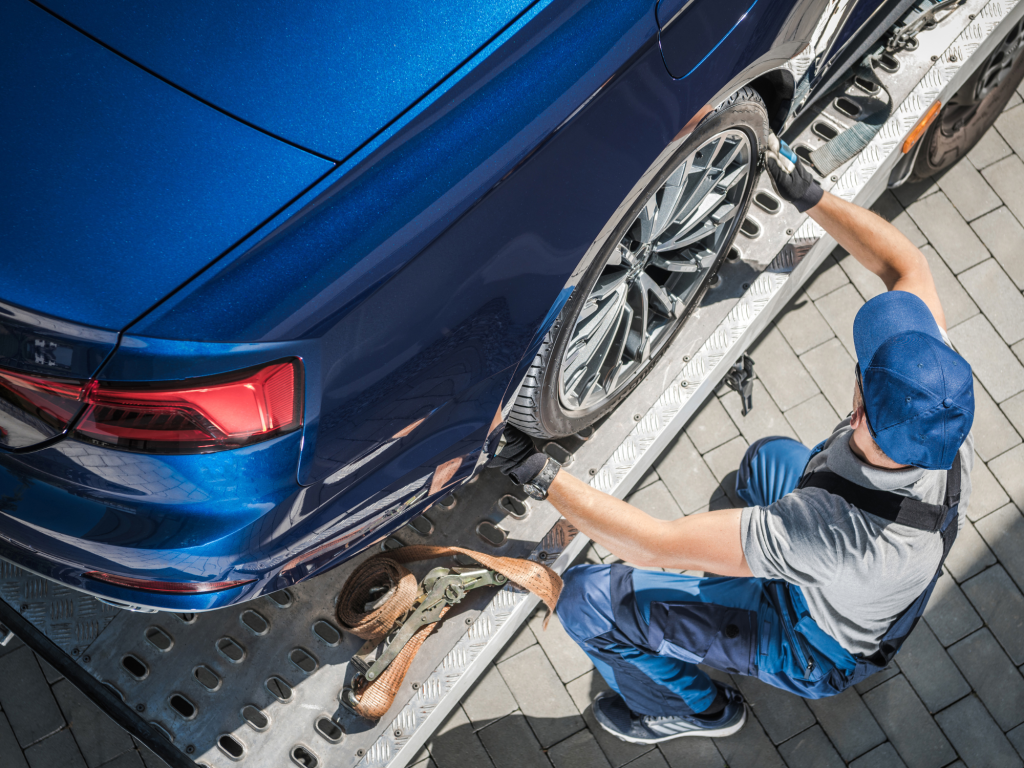
For a mechanical breakdown, flatbed towing is generally the most careful way to transport a vehicle. All four wheels are loaded onto the truck, which avoids unnecessary rolling and reduces the risk of drivetrain damage. It is particularly useful for vehicles with transmission faults, low clearance, EVs, hybrids, motorcycles and cars that cannot be safely driven or placed in neutral.
The right tow also comes down to careful loading, appropriate tie-down points and clear communication about the vehicle’s condition. A specialist breakdown operator focuses on getting disabled vehicles moved safely and efficiently, rather than treating every job as the same.
If you are unsure whether your car is safe to drive, trust that hesitation. Pull over somewhere safe, take note of the warning signs and arrange help early. Onigo Towing can provide a clear price and ETA before dispatch, then transport your vehicle carefully to where it needs to be.