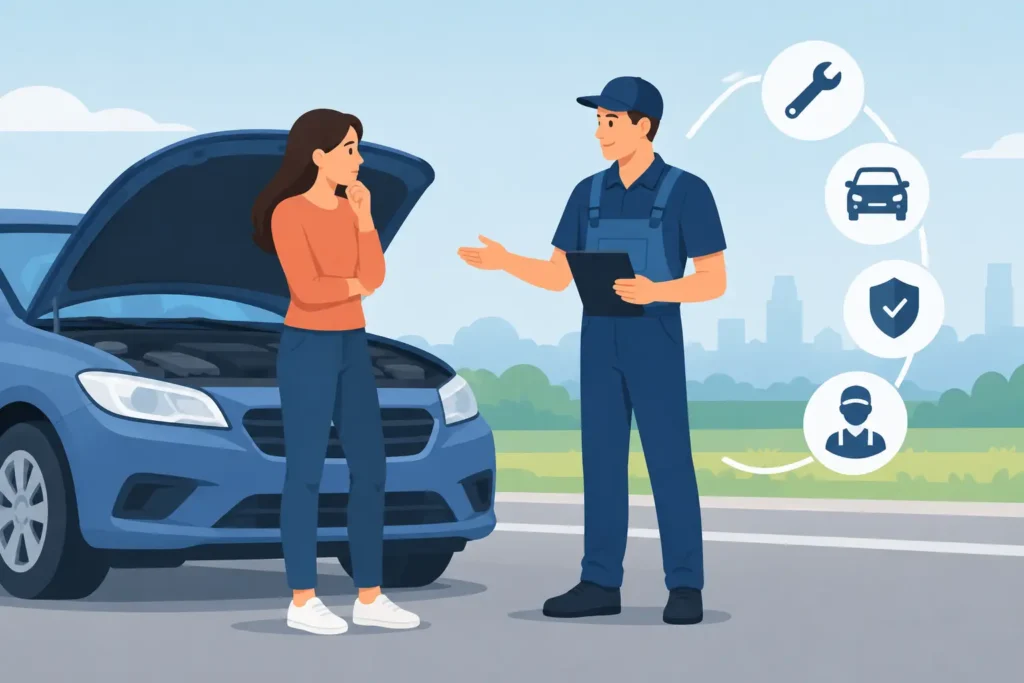
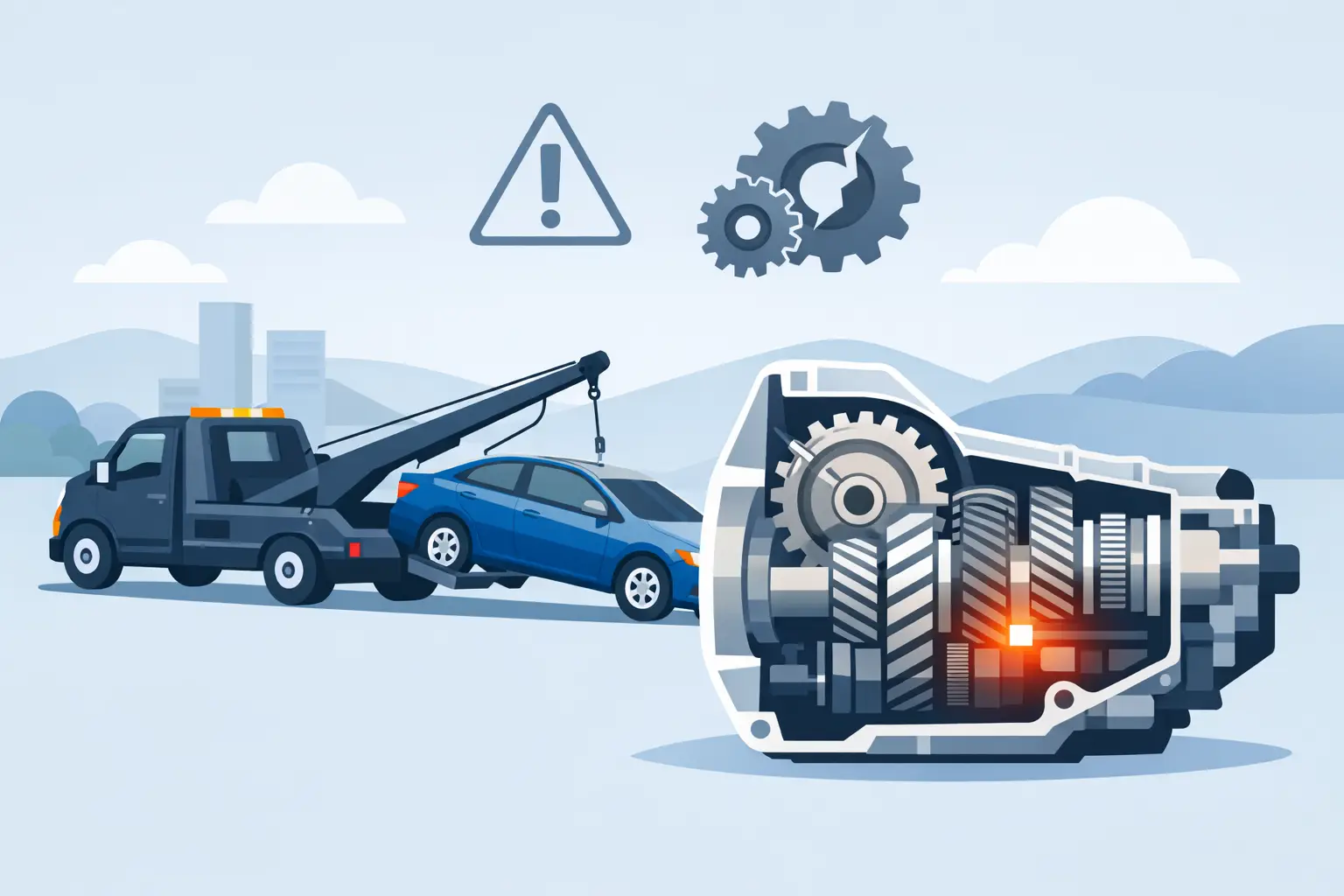
A breakdown is stressful enough without worrying that the trip to the mechanic could create a second, more expensive problem. So, will towing damage my gearbox? It can, if the vehicle is moved using the wrong method. The good news is that a correctly planned tow, particularly on a flatbed, is designed to protect the drivetrain rather than place it under load.
The key is not simply whether your vehicle is being towed. It is how it is being towed, which wheels remain on the road, whether the transmission can be placed in neutral, and what the manufacturer says for your specific model. This matters even more for automatic, AWD, hybrid and electric vehicles.
When Can Towing Damage My Gearbox?
Gearbox damage is most likely when driven wheels are left turning on the road while the engine is off. In many vehicles, the transmission relies on an engine-driven pump to circulate and cool its fluid. With the engine stopped, internal components may spin without adequate lubrication.
That can create heat and wear inside an automatic transmission. In a worst-case scenario, it can damage clutches, bearings or other internal components. The risk rises with longer distances, higher towing speeds and a vehicle that has been pulled with the wrong wheels on the ground.
A simple example is a front-wheel-drive automatic car being towed from the front with its front wheels rolling on the road. Its driven wheels are turning, even though the engine is not running. That is a situation where a traditional wheel-lift tow may not be suitable unless the vehicle is loaded differently or placed on dollies.
Manual vehicles can sometimes be towed short distances in neutral, but that does not make every manual vehicle safe to tow with wheels down. Some four-wheel drives and all-wheel-drive vehicles have transfer cases, differentials and drivetrain systems that need specific handling. The owner’s manual is always the final authority.
Why Flatbed Towing Is Usually the Safest Option
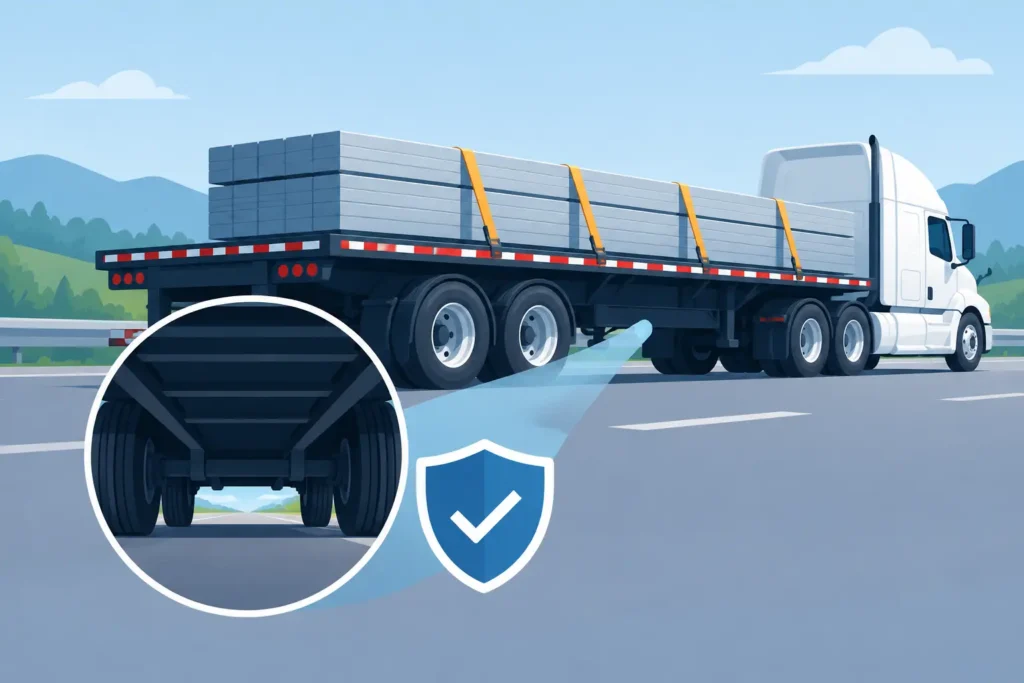
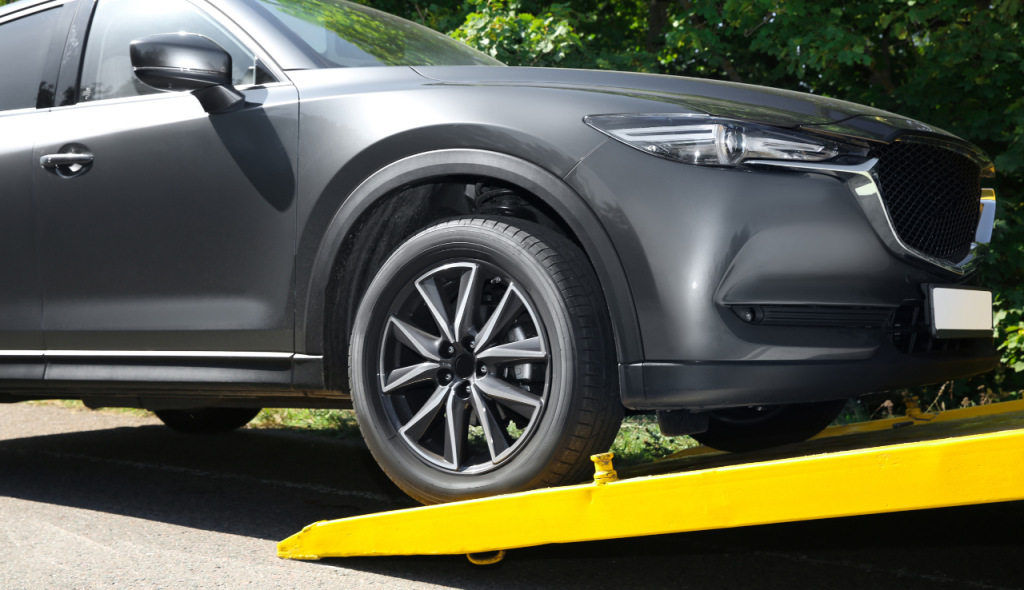
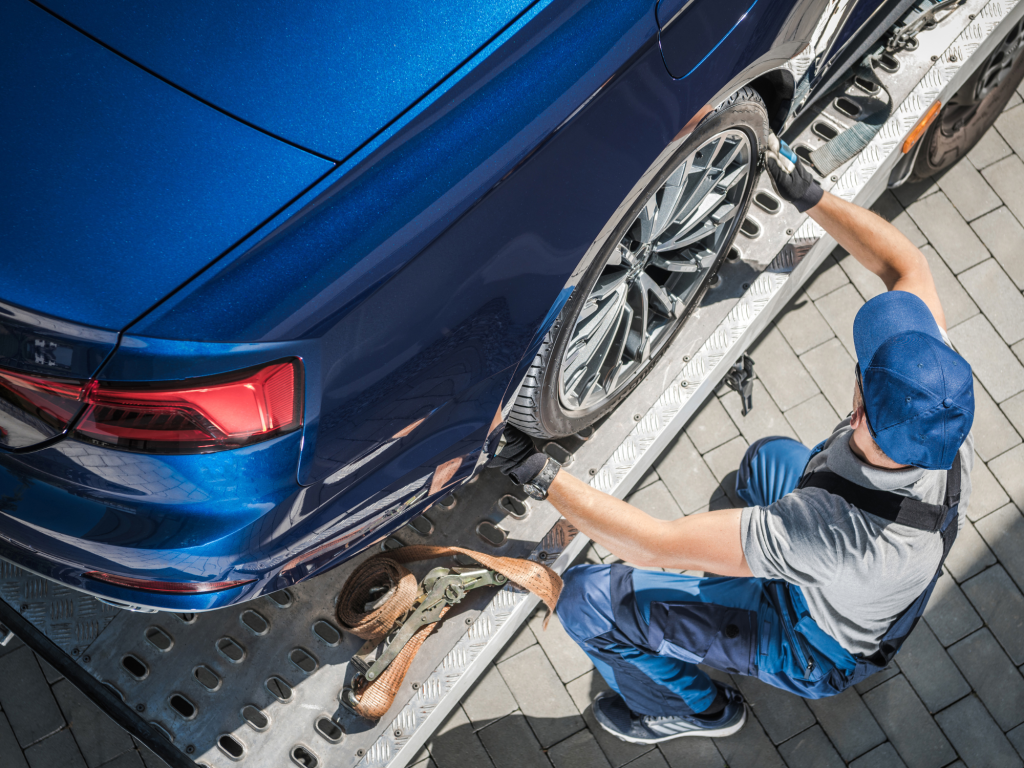
For a mechanical breakdown, a flatbed tow is usually the lowest-risk option because all four wheels are secured off the road. Nothing in the gearbox, differential or driveline is forced to rotate as the truck travels.
This approach is particularly suitable for vehicles with automatic transmissions, CVTs, dual-clutch gearboxes, AWD systems, low-clearance cars and vehicles with an unknown fault. If your engine will not start, the gearbox is stuck in park, or you are unsure what has failed, a flatbed removes much of the guesswork.
Careful loading matters as much as the truck itself. A professional operator should assess the vehicle’s clearance, recovery points, wheel condition and ability to roll before loading. The vehicle should then be secured using appropriate wheel restraints, not rushed onto a truck in a way that risks scraping bumpers, stressing suspension parts or damaging wheels.
For Melbourne drivers, this can be especially useful after a sudden non-start in a car park, on a busy suburban road or outside home. A flatbed allows the vehicle to be transported to your chosen mechanic, dealership or safe location without relying on it to move under its own power.
Different Vehicles, Different Towing Risks
Automatic and CVT vehicles
Automatics and CVTs are the vehicles people most often worry about, and for good reason. Many cannot be safely towed with their driven wheels on the road. Some manufacturers allow limited-distance towing at low speeds, while others specify flatbed transport only.
Do not rely on general advice such as “put it in neutral and it will be fine”. Neutral does not necessarily stop all transmission components from turning. If the engine will not run, the selector cannot move, or you do not know the manufacturer’s instructions, treat it as a flatbed job.
Rear-wheel-drive cars and utes
A rear-wheel-drive vehicle may be suitable for a wheel-lift tow from the rear, leaving the rear wheels raised. However, this still depends on the vehicle’s design, condition and clearance. A vehicle with a locked rear axle, suspension damage or transmission fault may need a different approach.
Performance cars also deserve extra care. Low front spoilers, wide tyres and limited ground clearance can make loading difficult without the right equipment and ramps. Flatbed towing gives the operator more control over the loading angle and tie-down process.
AWD, 4WD and four-wheel-drive vehicles
All-wheel-drive and four-wheel-drive vehicles should be treated cautiously. With all four wheels connected through the drivetrain, towing one axle while the other remains on the road can place strain on the centre differential, transfer case or transmission.
Some models have a true neutral setting in the transfer case. Others do not. Unless the owner’s manual clearly permits the proposed method, all four wheels should be off the ground. This is one of the clearest cases where a flatbed is the sensible option.
EVs and hybrids
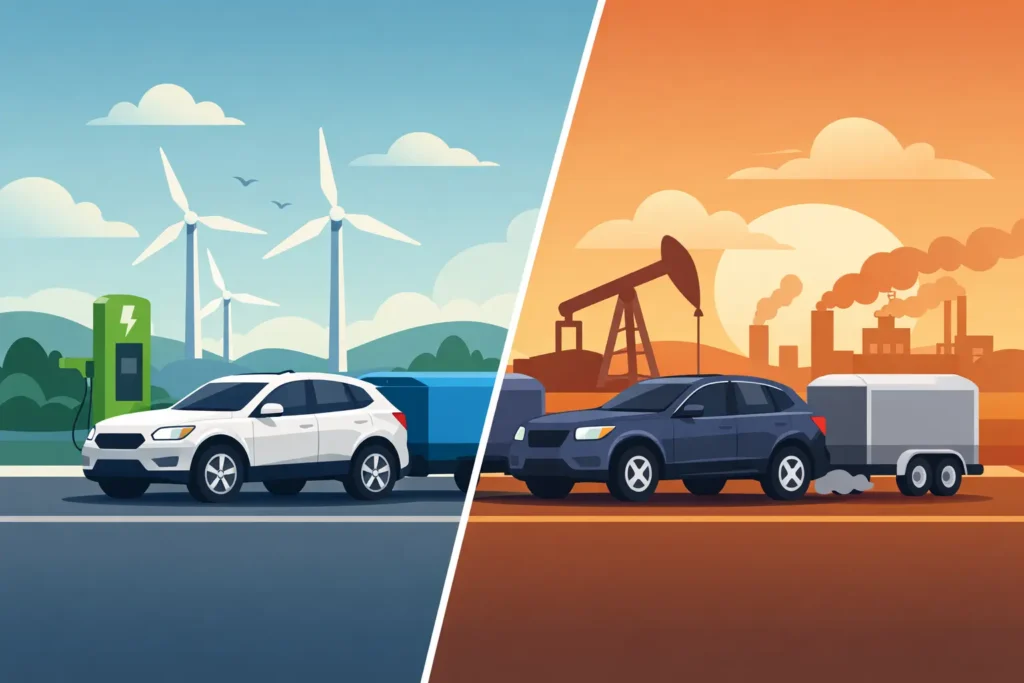
Electric and hybrid vehicles have their own towing requirements. Their motors can generate electricity when the wheels turn, and incorrect towing can affect the drive unit or high-voltage system. Many EV manufacturers specify flatbed transport, particularly when the vehicle cannot be placed in the required transport mode.
A tow operator should also know whether the vehicle has a depleted 12-volt battery, electronic parking brake issue, locked wheels or a damaged underbody. These details affect how the vehicle is prepared and loaded safely.
What If My Gearbox Is Stuck in Park?
A gearbox stuck in park is common after a flat battery, electronic fault, failed brake-light switch or transmission problem. It does not mean the vehicle cannot be moved, but it does mean it should not be dragged or forced.
Most vehicles have a manual park-release procedure, although its location and steps vary. It may be under a small trim panel near the gear selector, or it may require a specific tool and process. Forcing the selector, pulling the car by a suspension component or spinning locked wheels can cause avoidable damage.
Tell the towing company before dispatch if the vehicle cannot roll, has a locked steering wheel, has a flat tyre or sits in a tight underground car park. Clear information lets the operator arrive with the right truck, equipment and loading plan.
What to Tell Your Tow Operator
You do not need to diagnose the fault at the roadside. A few accurate details are enough to help protect your vehicle. Let the operator know the make, model and year, whether it is automatic, manual, AWD, hybrid or EV, and whether it can roll and steer.
Also mention any warning lights, smoke, fluid leaks, suspension damage, very low clearance or modifications. If you have the owner’s manual or can check the manufacturer’s towing instructions, share that information. It is useful, but do not delay getting help if you are in an unsafe location.
A reputable breakdown towing provider should explain the proposed towing method and give you a clear price before dispatch. If a vehicle needs a flatbed, dollies or extra recovery equipment because it is locked in park, that should be discussed upfront rather than becoming a surprise after the truck arrives.
Avoid These Roadside Shortcuts
The most costly gearbox damage often starts with a well-meaning shortcut. Do not let another vehicle tow yours using a rope or strap unless it is an immediate safety emergency and there is no safer option. Apart from the gearbox risk, this can be dangerous in traffic and may not be legal or appropriate for the conditions.
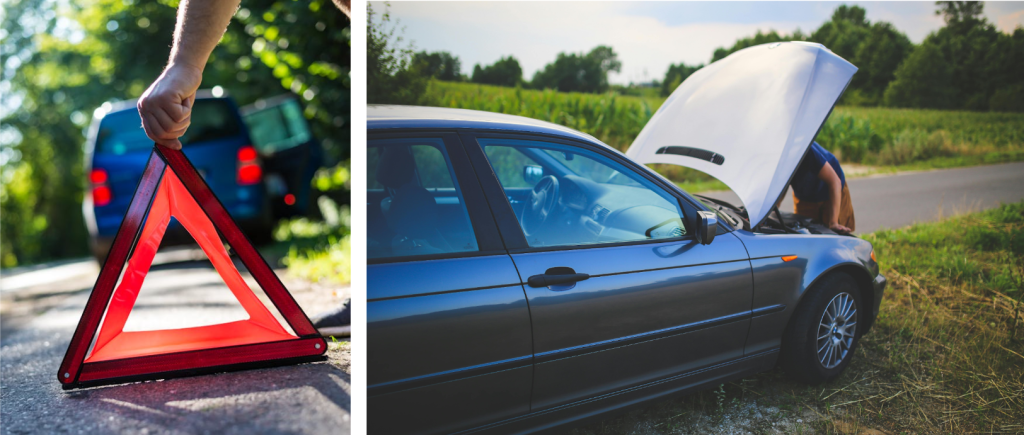
Avoid driving a vehicle that has lost transmission fluid, is slipping badly or is making harsh grinding noises. Continuing to drive can turn a repairable fault into a full gearbox replacement. If the car has stopped moving properly, pull over safely, switch on your hazard lights and arrange transport.
You should also avoid assuming roadside assistance will automatically send the right type of truck. Ask whether the vehicle will be fully loaded onto a flatbed, especially if it is automatic, AWD, an EV or a specialty vehicle.
A Safer Way to Get Your Vehicle to the Mechanic
The safest towing method depends on your vehicle, its drivetrain and the fault that caused the breakdown. But where there is uncertainty, keeping every wheel off the road is usually the most protective choice.
Onigo Towing handles breakdown transport across Melbourne with modern flatbed equipment and a focus on careful loading. When you call, provide the vehicle details and symptoms you know, then ask for the towing method and ETA. A few minutes of clear communication can help ensure your vehicle arrives at the mechanic with the original fault contained, not a damaged gearbox added to the repair list.