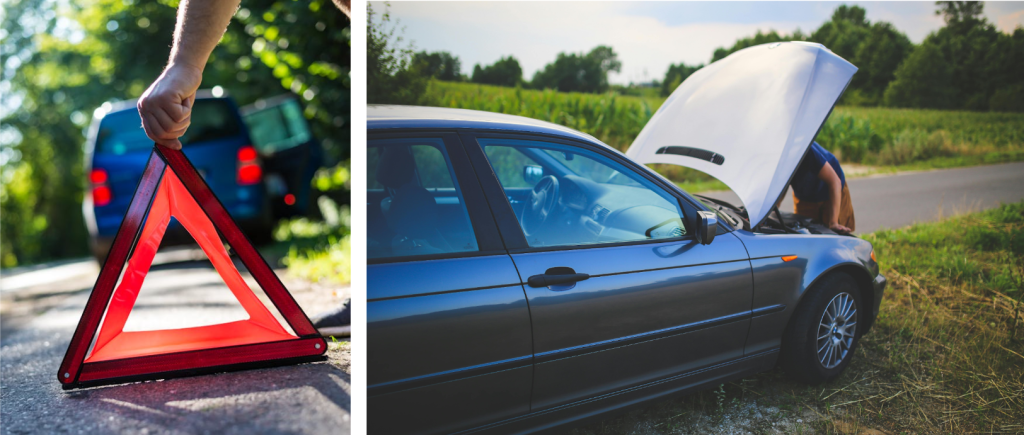
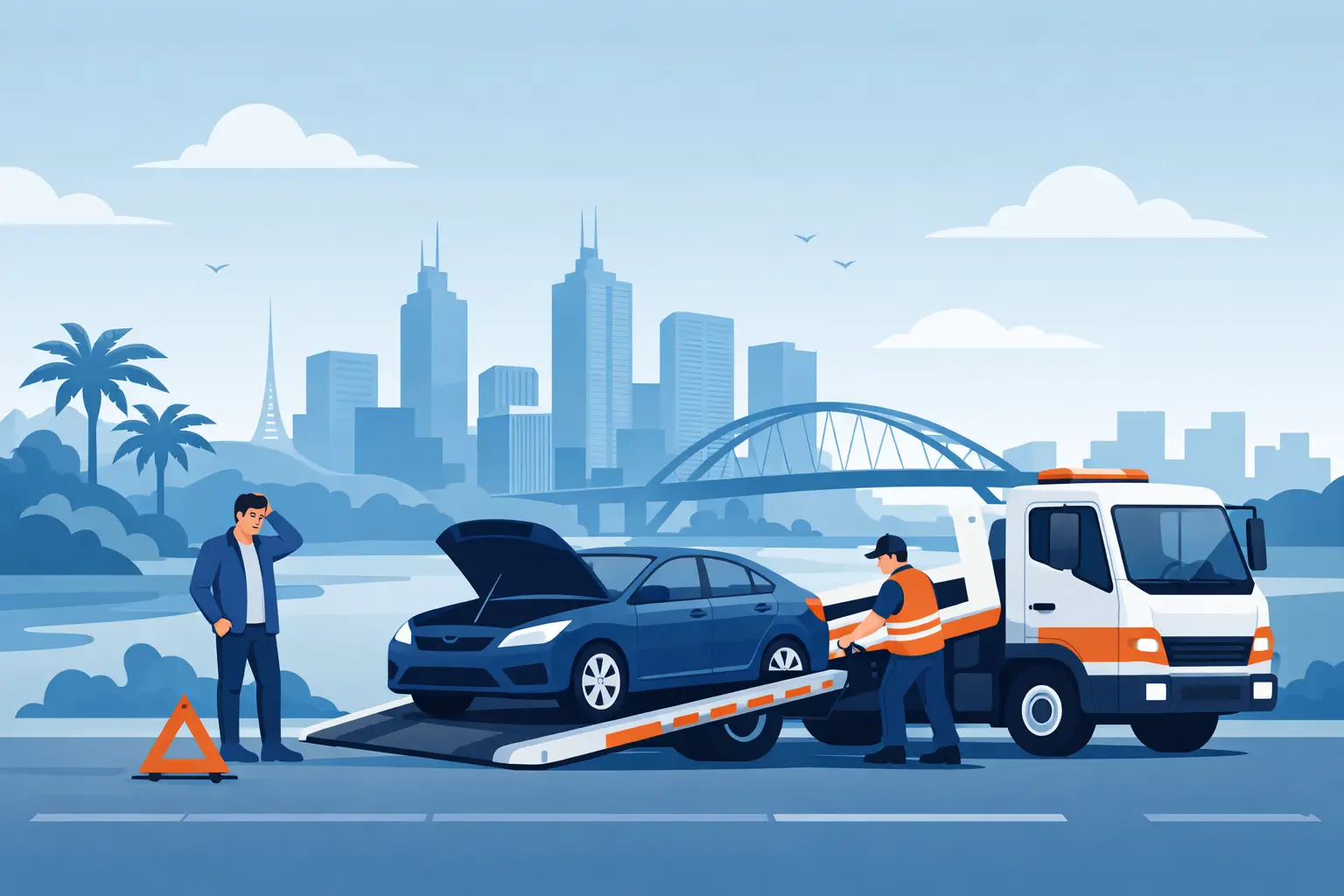
You turn the key or press the start button, and nothing happens. Maybe the dash lights flicker, maybe the engine clicks once, or maybe the car is completely dead. In that moment, non start vehicle towing is not just about getting a tow truck – it is about getting clear answers, a fast response, and confidence that your vehicle will be moved properly.
When a vehicle will not start, small mistakes can create bigger problems. Trying to roll it unsafely, forcing it into neutral, or using the wrong towing method can damage the transmission, underbody, battery systems, steering components, or low-clearance panels. That is why the towing side matters as much as the mechanical issue itself.
What non start vehicle towing usually involves
A non-start vehicle is any vehicle that cannot be driven onto a truck under its own power. That includes cars with flat batteries, starter motor faults, alternator failures, electrical issues, key or immobiliser problems, seized engines, overheating damage, fuel delivery faults, and many other breakdowns.
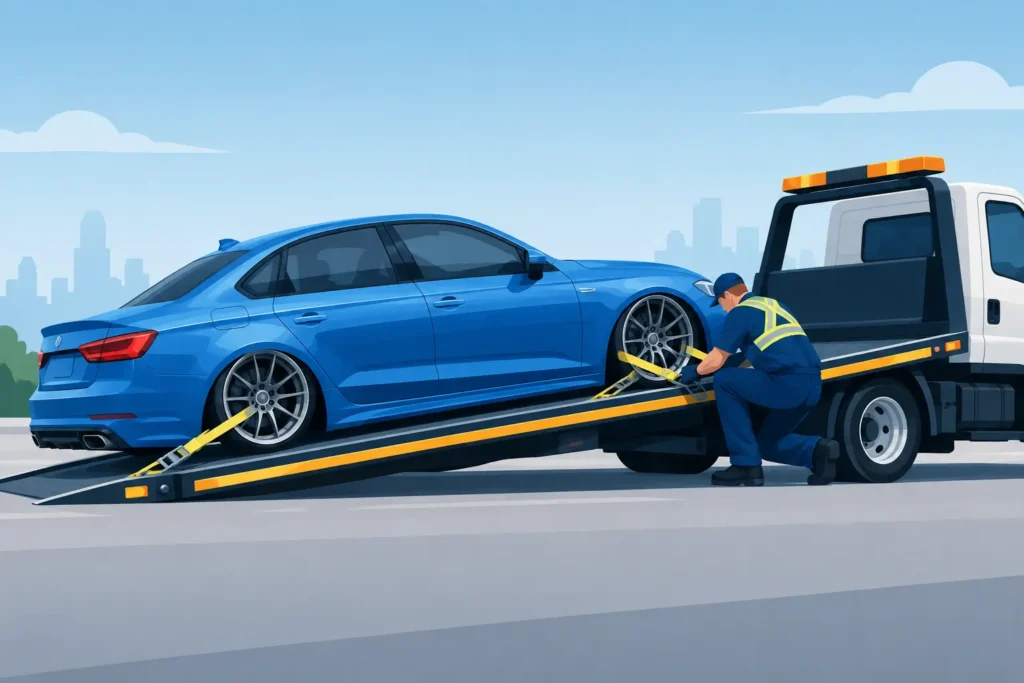
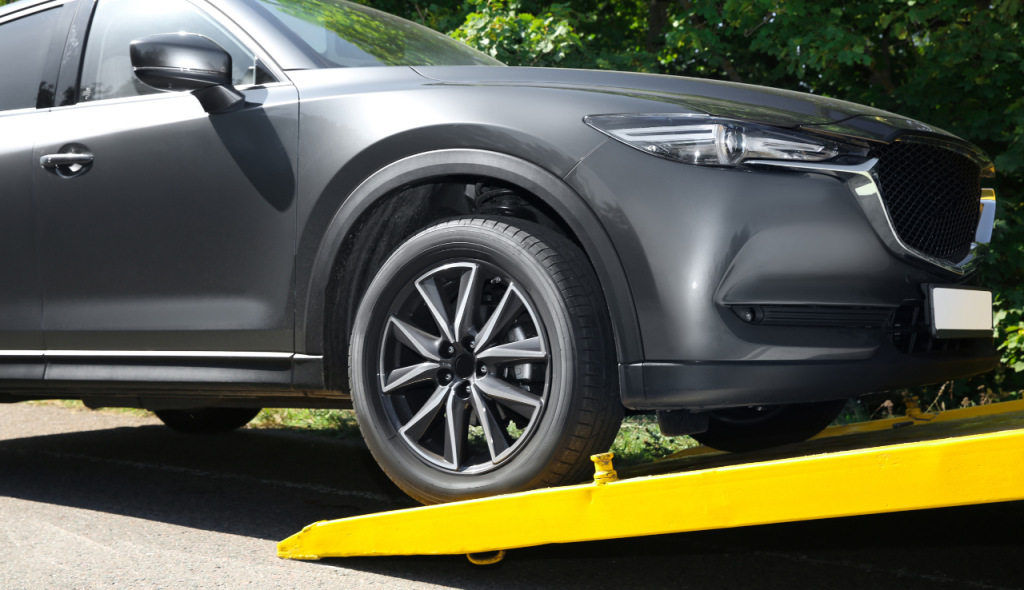
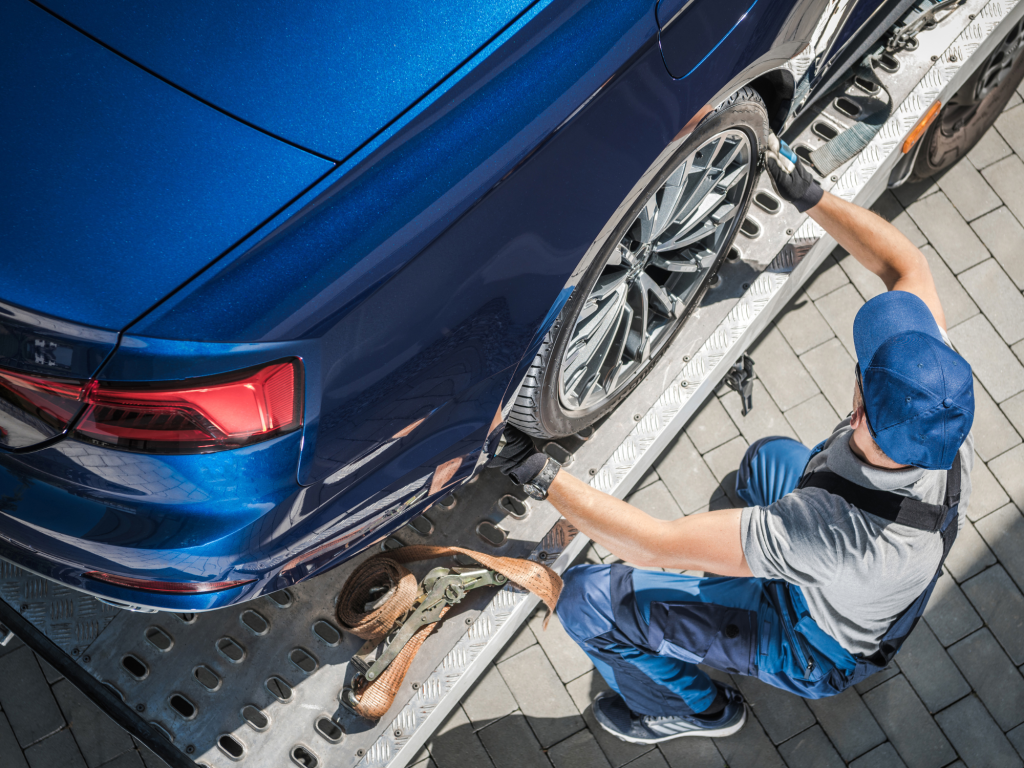
The main difference with non start vehicle towing is loading. If the vehicle cannot move normally, the operator needs the right equipment and the right approach to winch it on safely. That sounds straightforward, but it depends on the vehicle type, where it is parked, whether the wheels roll freely, and whether the steering can be unlocked.
For a standard passenger car parked on level ground, the process is usually quick. For a motorcycle, van, EV, lowered car, or vehicle stuck in a basement, tighter access and vehicle-specific handling become much more important.
Why the towing method matters
Not every breakdown tow is equal. A vehicle that will not start often needs more care than a simple transport job because the operator cannot rely on the engine, gearbox, or power steering to help with positioning.
Flatbed towing is generally the safest option for non-start vehicles. It keeps the whole vehicle off the road, reduces wear during transport, and gives better protection for EVs, performance cars, motorcycles, and vehicles with mechanical faults. It also helps when there is uncertainty around drivetrain condition. If the fault is not fully known, avoiding unnecessary rolling contact is usually the safer call.
There are times when access is the bigger issue than the fault itself. A car in a narrow apartment garage or a van boxed into a tight loading area may need extra time and care to load. That is where clear communication before dispatch becomes important. If the towing company knows the height limits, the angle of the driveway, or whether the car is locked in park, they can send the right setup from the start.
Common reasons drivers need non start vehicle towing
The most common callout is a dead battery, but it is far from the only one. Modern vehicles can fail to start because of electronics, security systems, faulty sensors, charging problems, or transmission-related issues that stop the car engaging correctly.
In Melbourne, winter mornings often expose weak batteries and charging faults. Hot weather can also bring its own problems, especially with older batteries, cooling systems, and electrical components under stress. Commercial vehicles and vans tend to present another pattern – heavy daily use, stop-start driving, and tight schedules that leave little room for preventive maintenance.
Then there are the less obvious jobs. A hybrid may show warning lights and refuse to go into ready mode. An EV may have enough charge on paper but still be immobilised due to a system fault. A prestige vehicle may sit too low for rough handling. A motorcycle may need secure tie-downs that protect fairings and forks. The breakdown is different each time, but the priority stays the same: safe loading and transport without adding damage.
What to expect when you book non start vehicle towing
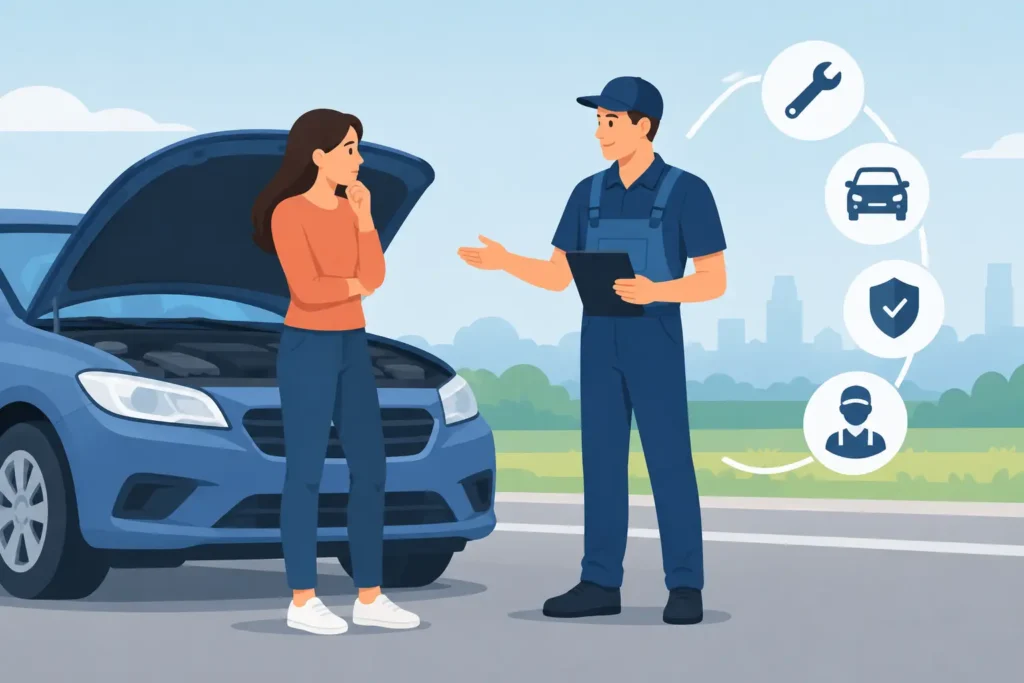
A good breakdown towing service should make the process simpler, not more stressful. The first thing you should expect is direct questions that actually matter. Where is the vehicle? What type is it? Does it roll? Is the steering locked? Is it in a car park, on the street, or at home? Are there height or access restrictions?
Those questions are not there to slow things down. They help avoid the common problem of sending the wrong truck or arriving without the right equipment. If your vehicle is a ute with tools in the tray, a van with stock inside, or an EV with specific transport requirements, that should be addressed before dispatch.
You should also expect a clear price and an ETA upfront. When you are stranded, uncertainty is often worse than the wait itself. Knowing the likely arrival time and the cost before the truck heads out gives you something solid to work with.
How to make the job faster and safer
If you need a tow for a non-start vehicle, a few details can make a real difference. Keep your mobile on and stay near the vehicle if it is safe to do so. If the car is in a difficult location, mention that early. If the wheels are turned hard against the kerb, if the steering lock is on, or if the car cannot be shifted out of park, say so.
It also helps to remove immediate obstacles around the vehicle where possible. That might mean moving another car from the driveway, clearing access to a garage, or letting building management know if the truck needs entry. For commercial operators, having someone available on site to hand over keys and confirm the destination can save time.
If the vehicle is carrying valuables, tools, or personal items, let the operator know if anything inside affects loading balance or access. Most jobs are routine, but accurate information avoids delays and reduces the chance of a problem once the truck arrives.
Non start vehicle towing for EVs, hybrids and specialty vehicles
This is where experience counts. EVs and hybrids are not just standard cars with a different badge. They can have specific towing procedures, different weight distribution, low clearance, and manufacturer handling considerations. In some cases, the vehicle should not be dragged or moved in the same way as a conventional petrol or diesel car.
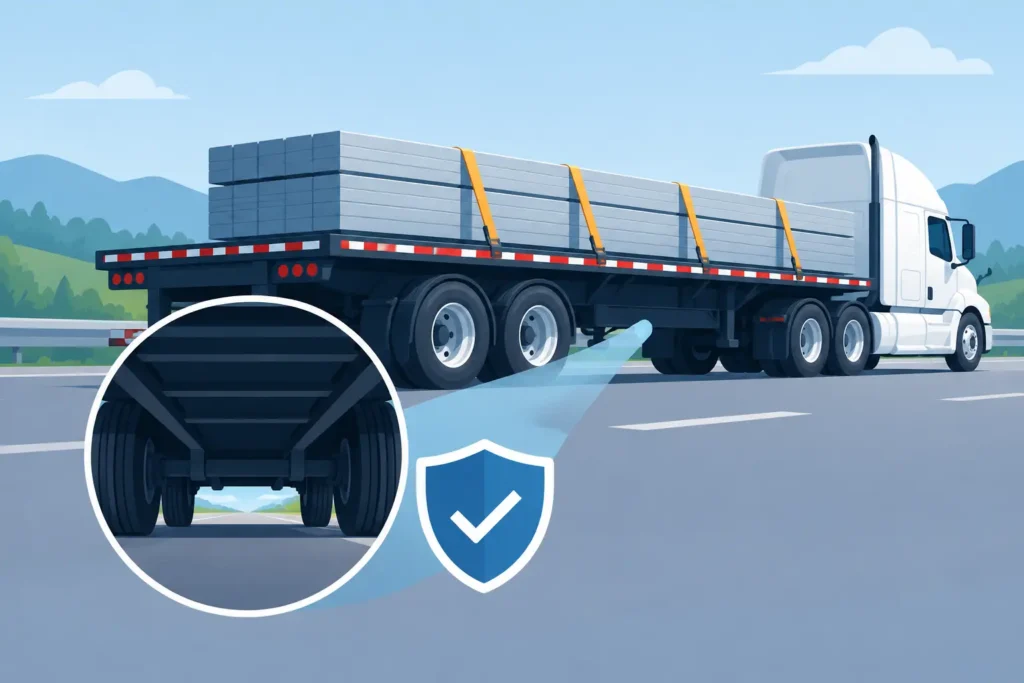
Specialty vehicles bring their own concerns too. Lowered cars need angle-conscious loading. Performance cars need careful tie-down placement. Motorcycles need proper restraint, not improvised strapping. Vans and light trucks can carry extra weight that changes how they should be loaded and balanced.
A general tow operator may still move these vehicles, but a breakdown-focused service is more likely to ask the right questions before turning up. That matters when the goal is not simply getting the vehicle from A to B, but getting it there without scraped bumpers, stressed suspension, or avoidable transport damage.
When roadside help is not enough
Some breakdowns can be solved on site. A battery jump-start, for example, may get a vehicle going again. But it depends on the cause. If the battery is completely gone, the alternator has failed, or the electrical fault runs deeper, a jump-start may only delay the next stop.
That is why towing is often the safer decision when the issue is unclear. If the vehicle starts briefly but cuts out again, overheats, shows critical warning lights, or loses power unexpectedly, driving it further can increase repair costs. The cheaper option in the moment is not always the cheaper option by the end of the day.
For many Melbourne drivers, the best outcome is simple: get the vehicle to a trusted mechanic, back home, or to a secure destination without wasting hours trying to force a temporary fix.
Choosing the right towing service in Melbourne
If you need non start vehicle towing in Melbourne, look for a service that specialises in breakdowns rather than treating them as a side job. There is a practical difference. Breakdown towing calls for fast dispatch, careful loading, clear communication, and operators who deal with immobilised vehicles every day.
It is worth checking whether the service handles your type of vehicle, whether they use modern flatbeds, and whether they provide upfront pricing before dispatch. That last point matters. When your car will not start, the last thing you need is confusion around cost once the truck is already on the way.
Onigo Towing is built around that breakdown-first approach, which is exactly what many stranded drivers need – straightforward help, careful handling, and clear communication from the first call.
When your vehicle will not start, you do not need guesswork or pressure. You need a calm response, the right truck, and a driver who knows how to move a dead vehicle safely. The quicker that part is handled properly, the quicker you can get on with fixing the real problem.