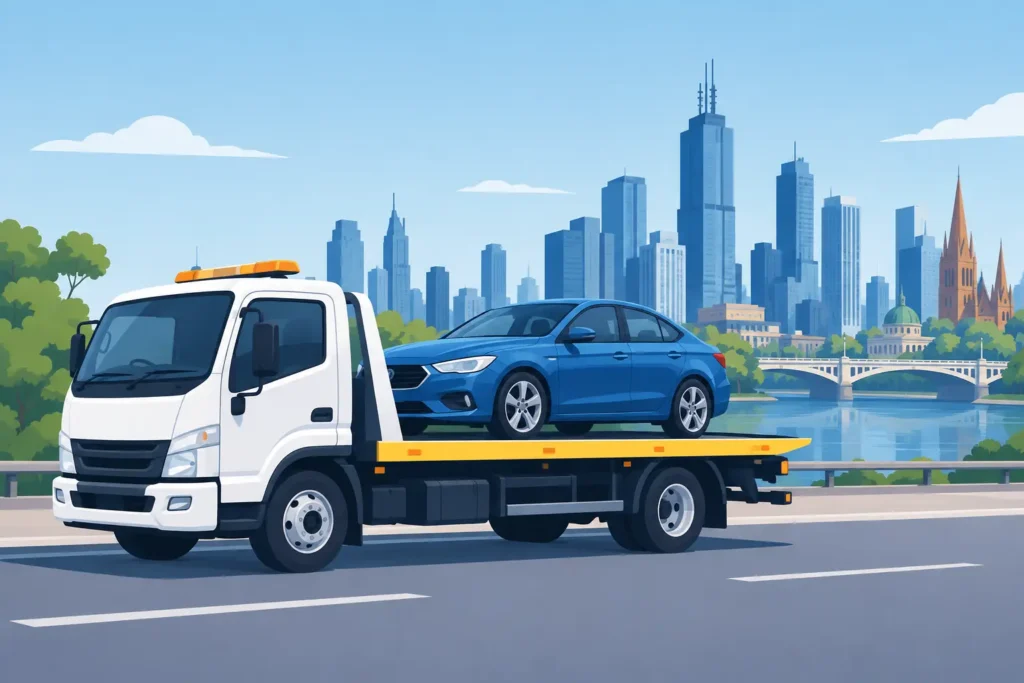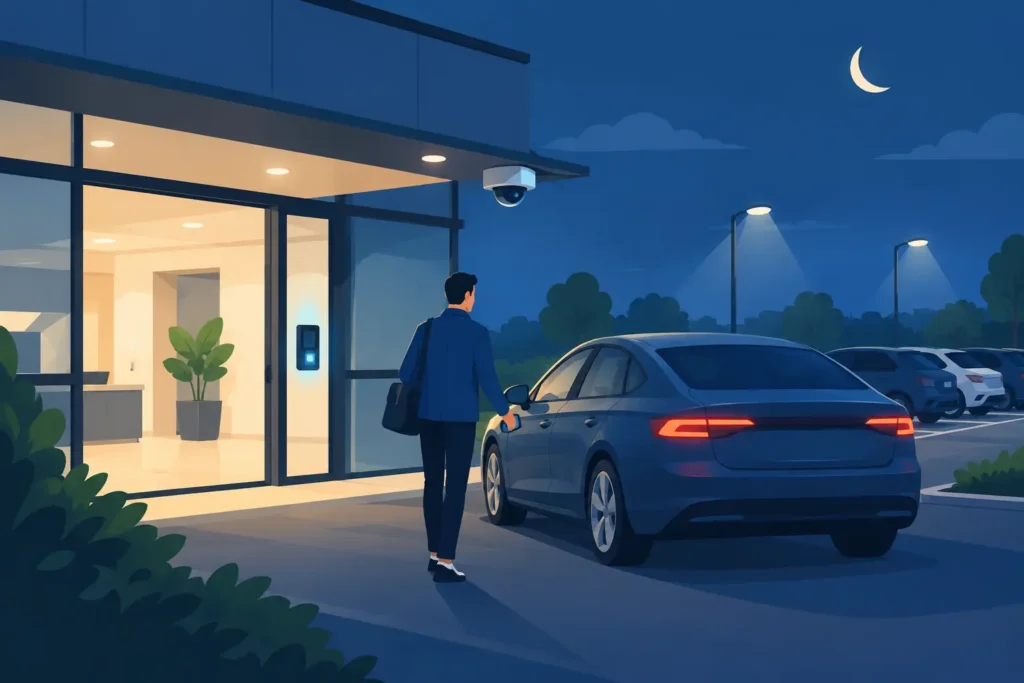
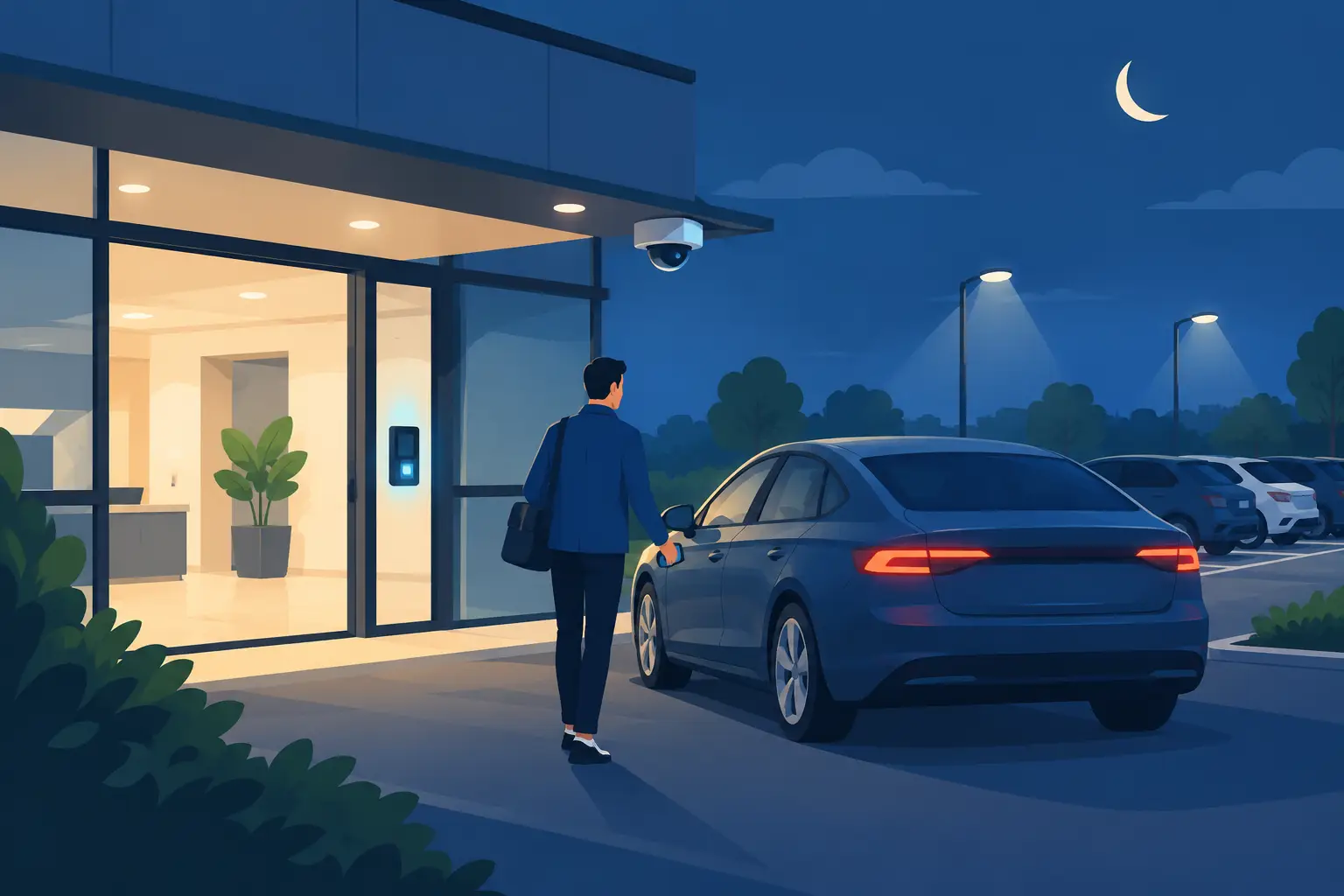
A breakdown rarely happens at a convenient time. If your car will not start outside business hours, the workshop is closed, or you are stranded after dark, after-hours vehicle collection can get the vehicle off the road and into a safer place without waiting until morning.
For Melbourne drivers, the priority is usually simple: know who is collecting the vehicle, where it is going, what it will cost, and how it will be handled. Clear answers to those questions make a stressful night far more manageable.
What after-hours vehicle collection means
After-hours vehicle collection is the arranged pickup and transport of a broken-down vehicle outside normal workshop or business hours. It may involve collecting a car from your driveway, a car park, the roadside, a workplace, or a mechanic that has already closed for the day.
This is different from leaving a car unattended and hoping it is still there in the morning. A professional breakdown tow service can load the vehicle safely, confirm the destination before dispatch, and transport it to a home, secure holding location, or nominated repairer.
The right destination depends on the situation. If your mechanic has an approved after-hours drop-off procedure, the vehicle may be taken directly there. If access is restricted or the workshop cannot accept vehicles overnight, taking it home or to a secure location may be the better option. It is worth confirming this before the truck arrives, particularly if keys need to be placed in a key box or the vehicle needs to be parked in a specific bay.
When collection is the safer choice
Not every fault requires an immediate tow, but waiting can create more risk than it solves. A vehicle stopped in an unsafe position, in a busy car park, on a narrow street, or somewhere with limited lighting should be assessed promptly. The same applies when you cannot lock the vehicle, the keys are inaccessible, or the car has an electrical fault that may worsen overnight.
After-hours collection is also practical when a vehicle is immobilised at home. A dead battery may be a simple fix, but if jump-starting is not suitable, the battery is failing repeatedly, or an EV or hybrid has a more complex fault, towing avoids repeated attempts that may not get you moving.
For commercial drivers, a van, ute or light truck left off the road can affect the next day’s work. Organising transport that evening can put the vehicle in the right place for inspection when the workshop opens. That does not guarantee a repair will be completed immediately, but it removes one delay from the process.
What to confirm before a tow truck is dispatched
A reliable service should ask the right questions rather than guess. You should be able to provide the vehicle’s make, model, registration, current location, fault symptoms and intended destination. Mention anything that affects loading, such as a locked steering wheel, flat tyre, low-clearance body kit, electric vehicle, motorcycle, performance car, or vehicle stuck in a tight garage.
Before agreeing to the collection, ask for the price and estimated arrival time. Upfront pricing matters after hours because conditions can be more complicated than a standard daytime collection. Distance, tolls, vehicle type, access restrictions and the final destination can all affect the job. A clear quote before dispatch gives you confidence about what has been agreed.
Also confirm whether you need to be present. In many cases, the owner or an authorised person should meet the driver to provide access, verify the destination and hand over keys. If you cannot attend, ask what authority is required and how the handover will be documented. Do not leave keys in an obvious location or assume a tow operator can collect a vehicle without permission.
Preparing your vehicle for after-hours collection
You do not need to repair the vehicle before help arrives. A few practical steps can protect your belongings and make collection quicker.
Remove valuables, work equipment, garage remotes and personal documents from the cabin. Take photos of the vehicle’s exterior, especially if it is parked in a poorly lit area or has existing marks you want recorded. If it is safe to do so, ensure the vehicle is locked until the driver arrives and keep the keys with you.
If the car is in a car park, let the tow provider know the height clearance, level number and whether the area has a boom gate. A flatbed truck may need suitable access, and a low underground car park can require a different plan. At a workshop, check where the vehicle should be left and whether the repairer has any instructions for key drop-off.
For EVs and hybrids, tell the dispatcher the vehicle type and whether there are warning lights, battery alerts or damage underneath. These vehicles need correct loading procedures and should not be treated like a conventional non-running car. The same care applies to motorcycles, AWD vehicles and low vehicles, where the loading method and tie-down points matter.
Careful loading matters more at night
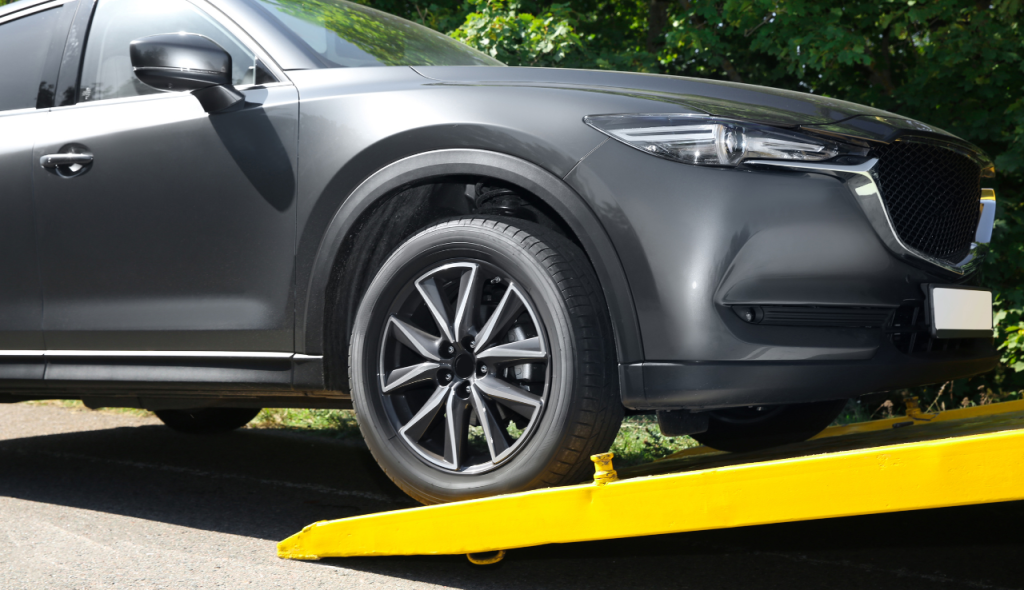
Darkness, rain and reduced visibility can make an ordinary collection more challenging. That is why equipment and process matter. A properly equipped operator will assess the position of the vehicle, use appropriate lighting, secure the loading area where possible and choose a method that avoids unnecessary movement.
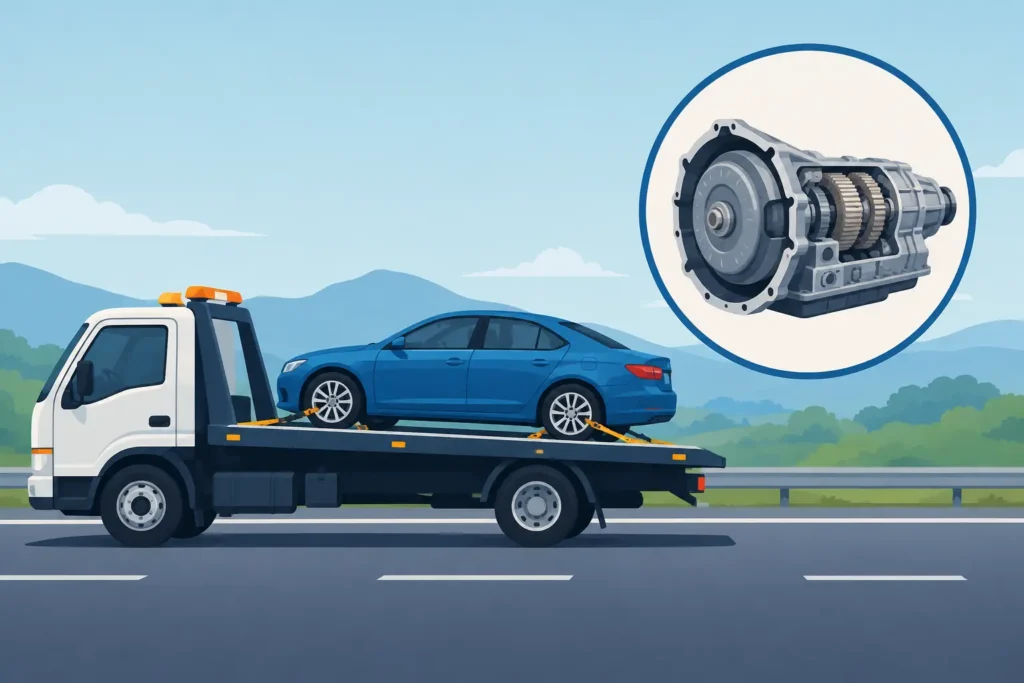
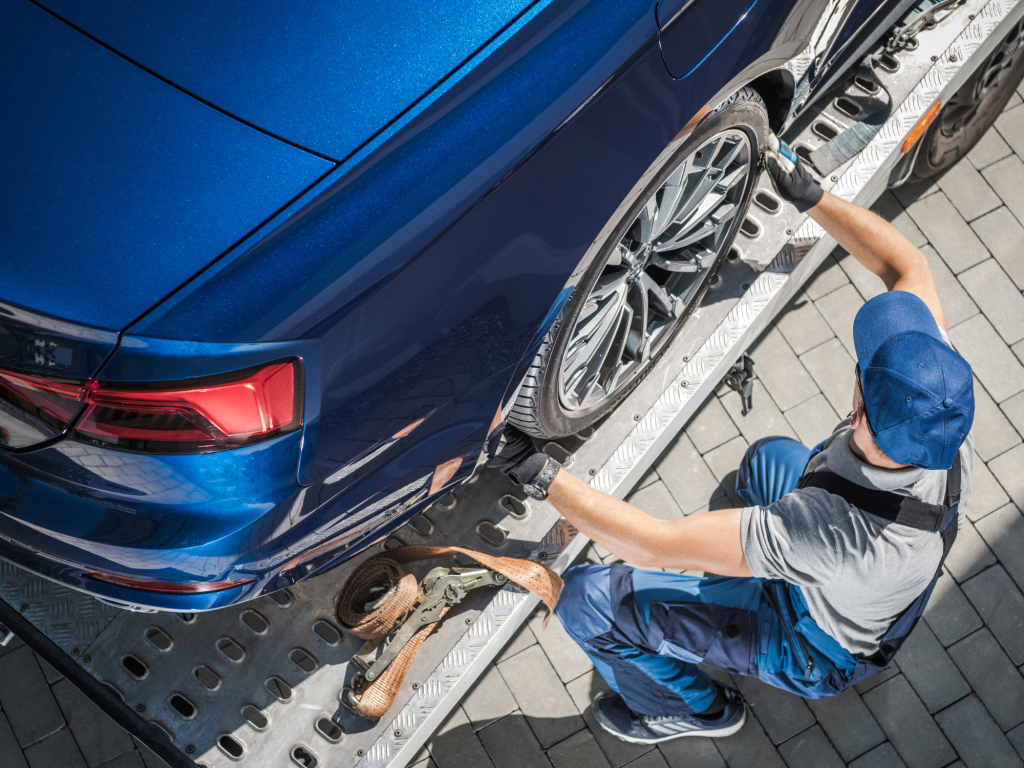
Flatbed transport is often the preferred option for non-running vehicles, EVs, specialist cars and vehicles with mechanical faults. It keeps the driven wheels off the road and allows the vehicle to be secured for transport. However, the best method still depends on the vehicle, its condition and where it is parked. Tight access, a damaged wheel or a steep driveway may require additional planning.
Care does not stop once the vehicle is on the truck. The driver should secure it correctly, confirm the delivery location and follow the agreed handover arrangement. If the destination is unattended, documentation and clear instructions become even more valuable. You should know where the vehicle has been left and what happens to the keys.
Choosing a provider for after-hours vehicle collection
When you are stuck at night, the nearest number is not always the best choice. Look for a towing provider that specialises in breakdown transport and communicates clearly from the first call. A dedicated breakdown operator is focused on getting non-running vehicles safely from A to B, rather than splitting attention across unrelated recovery work.
Ask whether the service can handle your type of vehicle and whether the quoted price covers the planned destination. Read recent customer feedback with an eye for the details that matter: arrival communication, care during loading, condition of the vehicle on delivery and whether the final charge matched the quote.
It also helps to be realistic about timing. Melbourne traffic may ease after hours, but weather, distance, demand and the location of the nearest available truck can still affect arrival times. A trustworthy dispatcher will give you a practical ETA and update you if conditions change rather than promising an unrealistic arrival.
If you are waiting with the vehicle
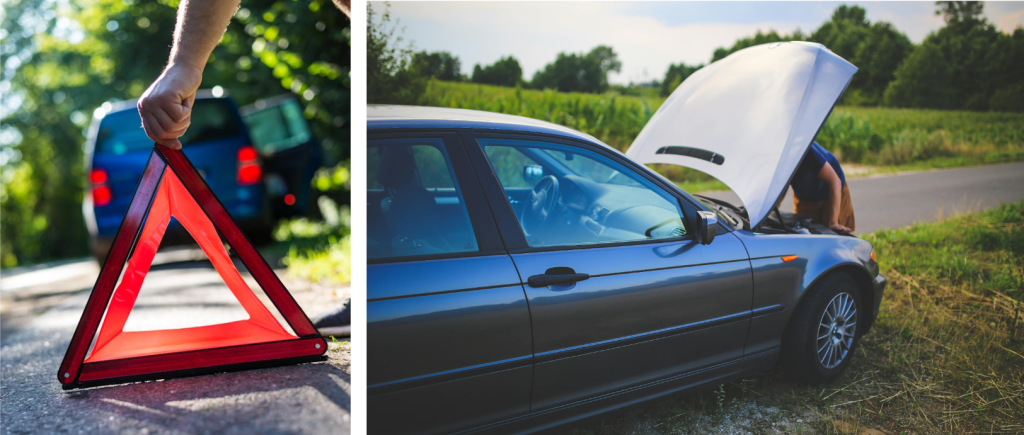
Your personal safety comes first. If the vehicle is on a road, move away from traffic where it is safe to do so. Turn on hazard lights, avoid standing between the vehicle and passing traffic, and use a safe, well-lit location to wait if possible. If the situation is dangerous, follow emergency service advice before organising a tow.
Keep your mobile charged and available for the driver. Share accurate location details, including nearby cross streets, car park names, building numbers or landmarks. A pin dropped in the wrong place can add unnecessary time, especially around large shopping centres, industrial estates and apartment complexes.
If the vehicle is secure at home or another safe location, you may be able to wait indoors until the tow truck is close. Confirm this arrangement with the dispatcher first so the driver is not left unable to access the vehicle.
A breakdown after dark is frustrating, but the next step does not need to be uncertain. Onigo Towing can provide clear pricing, an ETA and careful transport for vehicles that need to be collected outside normal hours. Keep the details of a trusted breakdown towing provider saved in your mobile, because a calm, informed call is often the quickest way to turn a difficult night into a resolved problem.