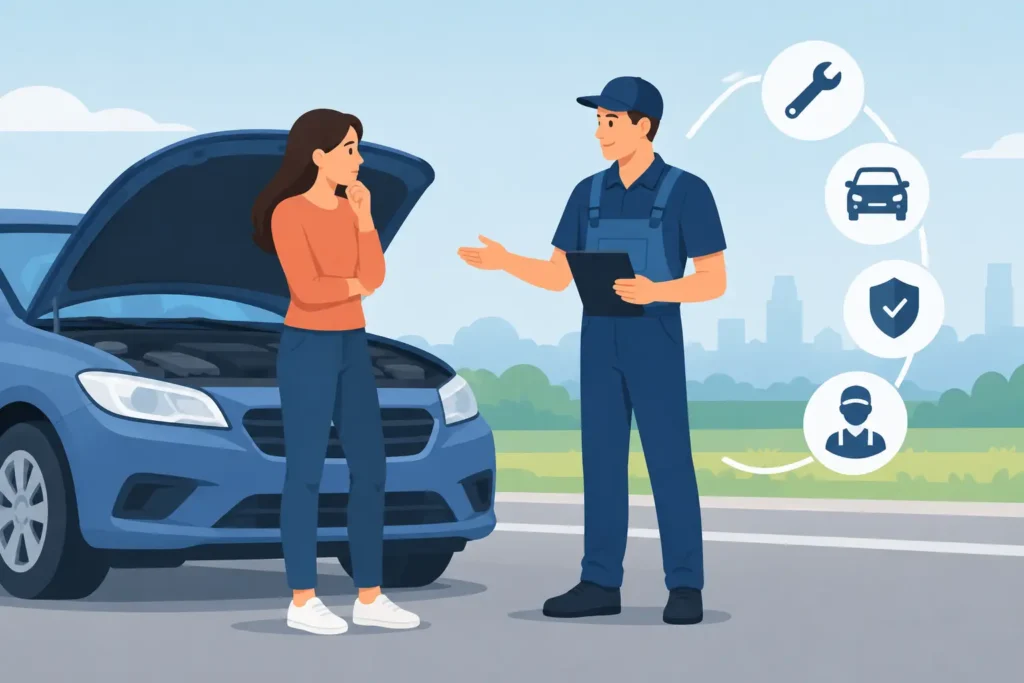
A breakdown on Punt Road at peak hour is stressful enough without wondering whether your vehicle is being moved the right way. When people search for flatbed towing Melbourne services, they are usually not comparing tow trucks out of curiosity – they need a safe, quick answer for a car, bike, van or EV that cannot be driven.
Flatbed towing is often the best option when the priority is protecting the vehicle, not just getting it off the road. For many breakdowns, especially where there is drivetrain trouble, wheel damage, low ground clearance or an electric vehicle involved, a flatbed gives you more control and less risk during loading and transport. That matters when your car already has one problem and the last thing you want is another caused in transit.
Why flatbed towing matters for breakdowns
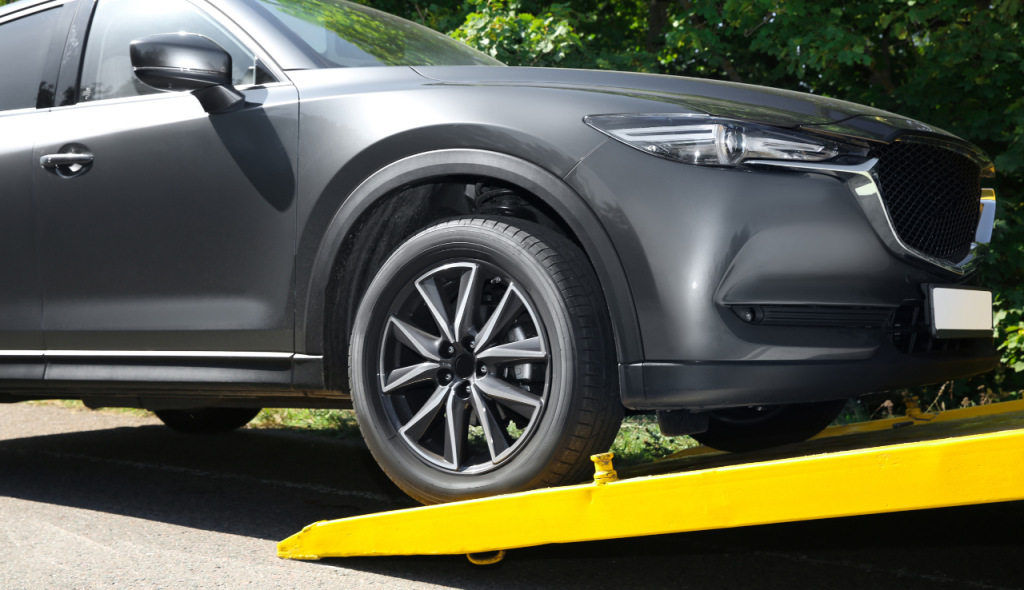
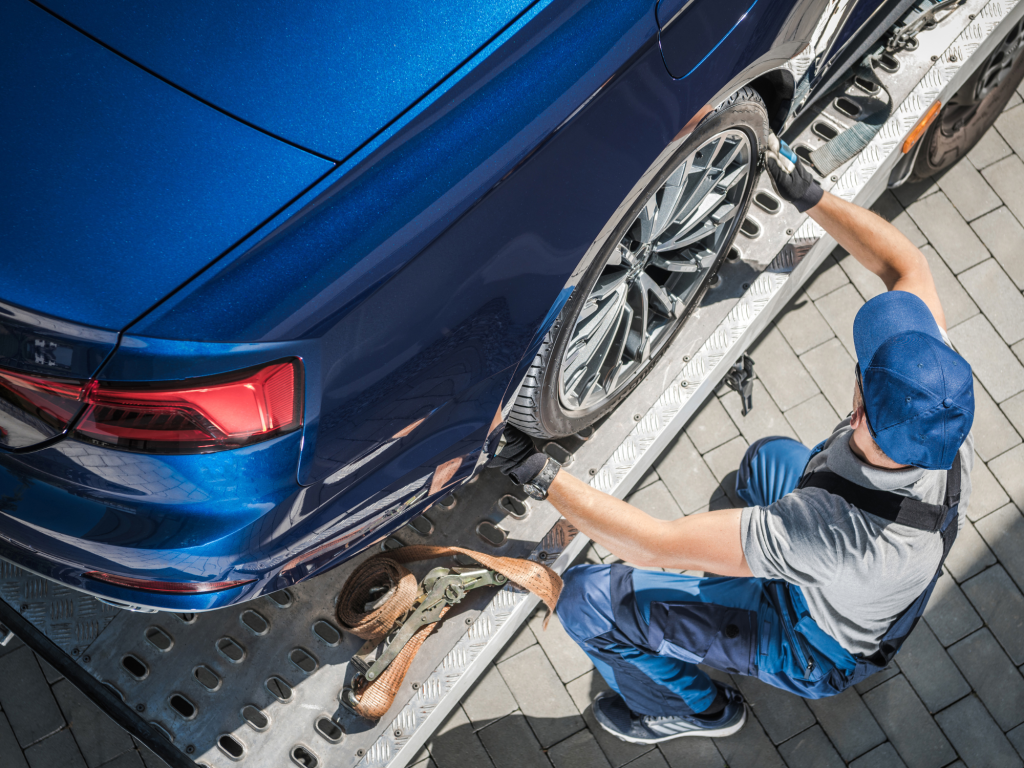
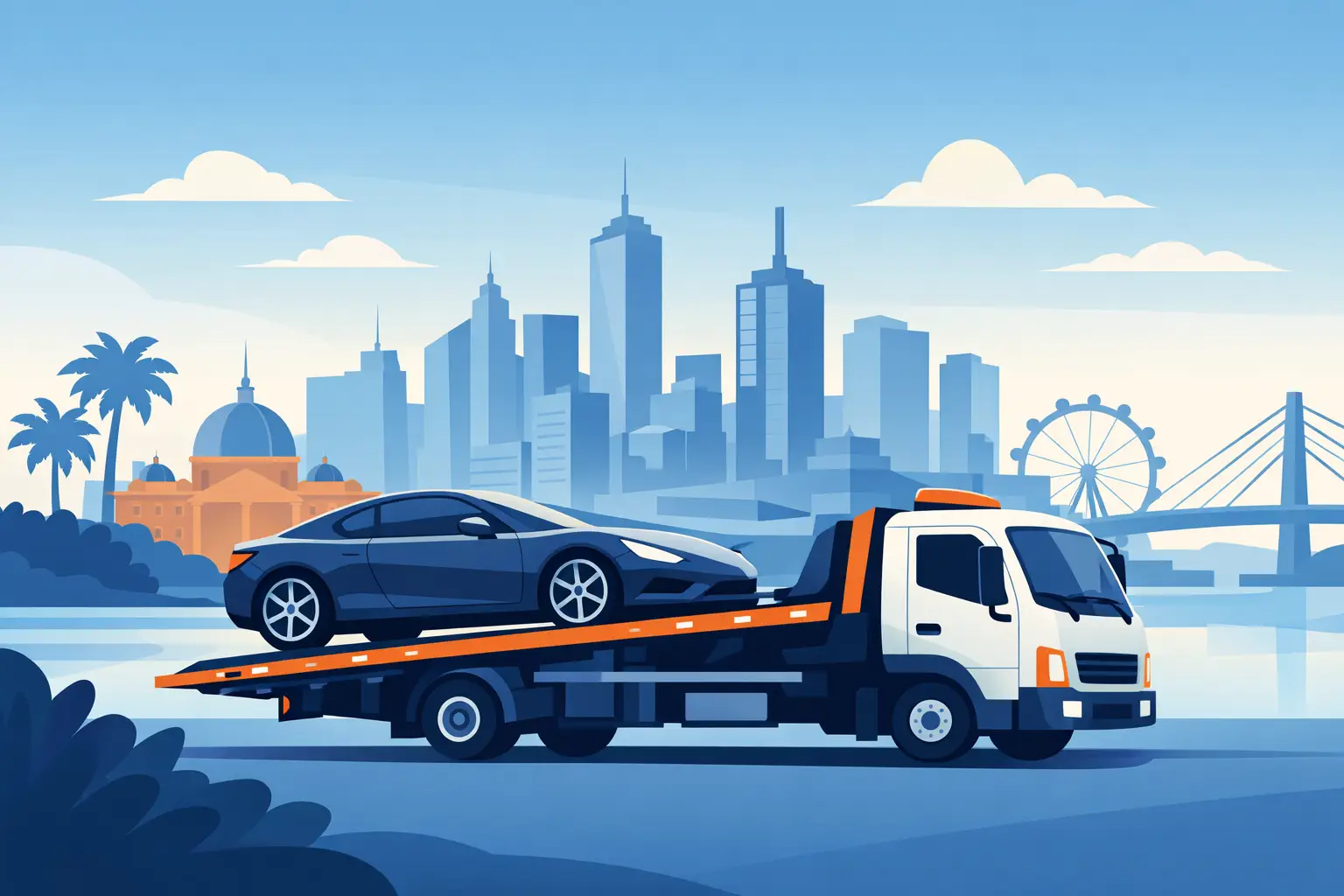
Not every tow is the same. A vehicle that has simply failed to start in a shopping centre car park needs a different approach from one with transmission damage on the Monash or a motorcycle stranded in the rain. Flatbed towing works by loading the entire vehicle onto a tray, so none of its wheels are left rolling on the road.
That sounds simple, but it changes a lot. It reduces wear during transport, lowers the chance of scraping on awkward driveways, and gives the operator more control over how the vehicle is secured. For broken-down vehicles, that is often the safer method.
This is especially relevant for modern cars. Many newer vehicles have tighter clearances, more sensitive drivetrains and electronic systems that do not always play nicely with older towing methods. If the wrong approach is used, a bad day can become an expensive repair bill.
When flatbed towing Melbourne drivers should choose
If your vehicle has suffered a mechanical failure, a flatbed is usually the safest default. Transmission faults, seized engines, broken suspension components, steering issues and serious battery problems can all make conventional towing a poor fit. Even if the vehicle can technically be moved another way, that does not always mean it should be.
Low cars are another obvious case. Performance vehicles, lowered sedans and some European models can scrape easily on steep ramps or rough loading angles. A modern flatbed with the right setup helps reduce that risk. The same goes for motorcycles, where balance, tie-down points and careful loading make all the difference.
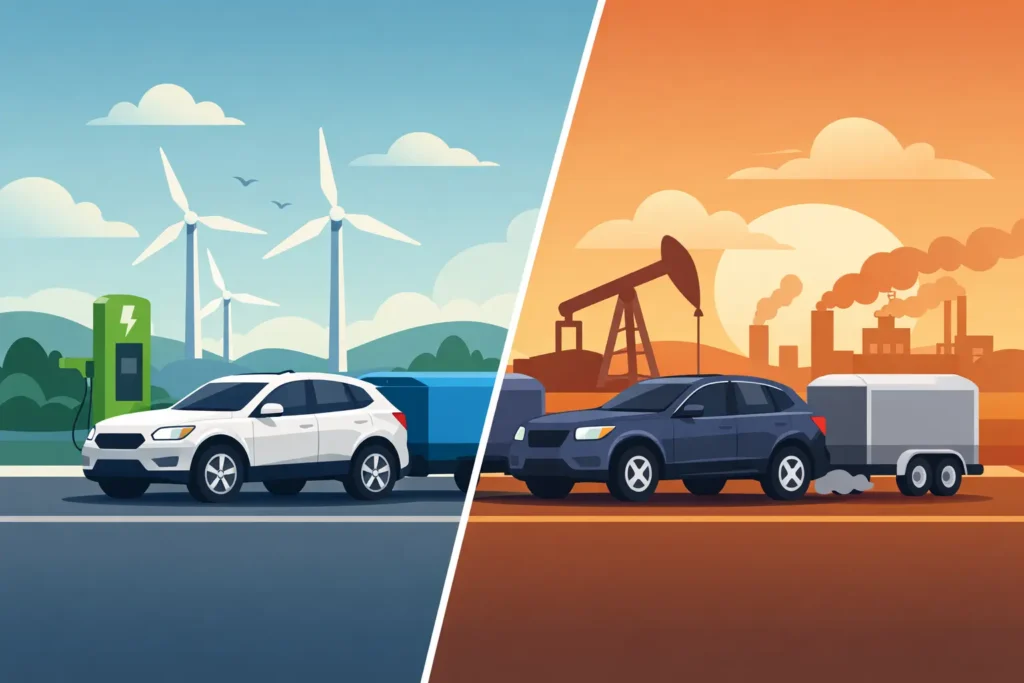
EVs and hybrids deserve special mention. These vehicles often have specific towing requirements, and in some cases they should not be towed with wheels on the road at all. A flatbed is commonly the safest option because it avoids unnecessary movement through the drivetrain and helps protect components that are expensive to replace.
Vans, utes and light commercial vehicles also benefit when they are carrying tools, stock or equipment. Full-tray transport can feel more secure, particularly if the breakdown has left the vehicle unstable or difficult to steer.
The trade-off: is a flatbed always necessary?
Not every breakdown needs a flatbed, and it helps to be honest about that. There are situations where other towing methods can still work safely, depending on the type of vehicle, the nature of the fault and the destination. If a car has a minor issue and the towing setup is suitable, another method may be acceptable.
But the key question is not what is merely possible. It is what gives the best protection for your vehicle under the circumstances. When customers are dealing with a breakdown, most would rather avoid avoidable risk, especially if the car is valuable, the fault is unclear, or the destination is more than a short local trip away.
That is why a breakdown-focused towing operator will usually ask detailed questions before dispatch. What vehicle is it? Does it roll? Is the steering locked? Is it front-wheel drive, rear-wheel drive, all-wheel drive or electric? Is it in a basement, on a narrow street or parked under height restrictions? The right answer depends on those details.
What a careful flatbed tow should look like
Good towing is not just about turning up with the right truck. It is about method. A proper flatbed service starts with clear communication before arrival, so you know the expected ETA, likely cost and what the driver needs from you when they get there.
Once on site, the operator should assess the vehicle before loading. That includes checking access, ground clearance, wheel condition and whether the vehicle can roll freely. If there are obstacles like tight apartment ramps, underground car parks or busy roadside conditions, the loading plan may need to change.
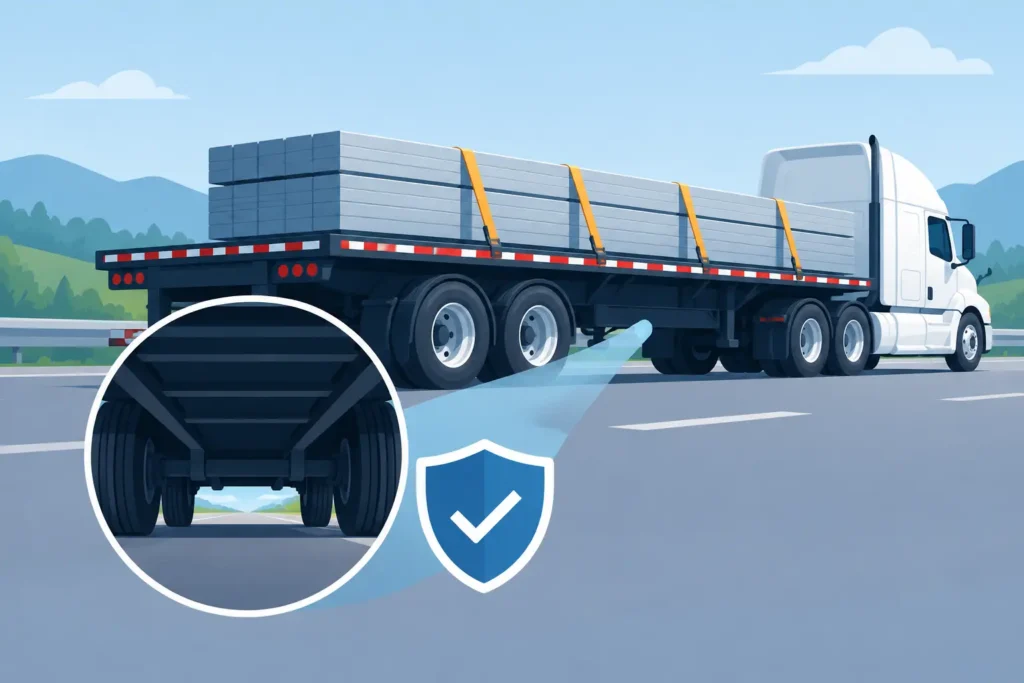
The loading itself should be controlled and deliberate. For breakdown vehicles, especially those with unknown faults, forcing movement is a mistake. The vehicle should be winched carefully, positioned correctly on the tray and secured with appropriate tie-downs. With motorcycles and speciality vehicles, experience matters even more because poor restraint can cause movement during transport.
Just as important is where the vehicle is going. Some customers need a tow to their usual mechanic. Others want the vehicle taken home, to a tyre shop, dealership or regional repairer. If the operator handles breakdown work regularly, that process is usually straightforward rather than improvised.
Flatbed towing Melbourne for EVs, bikes and speciality vehicles
Some vehicles leave very little room for error. Electric vehicles, prestige cars, modified cars and motorcycles all need extra care because the consequences of poor handling are higher. It is not only about scratches or scrapes. It can also be about underbody damage, wheel restraint issues or transport methods that do not suit the vehicle design.
For EVs, the safest move is often to treat the tow as a specialist job rather than a routine one. Battery location, recovery points, weight distribution and manufacturer guidelines all matter. If a driver tells you every vehicle is basically the same, that is usually a warning sign.
Motorcycles are similar in a different way. They are lighter, but they can be more vulnerable during loading and transit. A flatbed can be an excellent option, provided the bike is loaded and secured properly. The right equipment matters, but so does the operator’s judgement.
Prestige and performance vehicles also benefit from a slower, more careful approach. Owners of these cars are not being fussy when they ask about ramp angles, tie-down methods or tray setup. They are trying to avoid exactly the sort of minor transport damage that turns into major frustration later.
Choosing a breakdown towing service without the guesswork
When you are stranded, speed matters, but so does clarity. A reliable towing service should be able to tell you what type of truck is being sent, when it is likely to arrive and what it will cost before dispatch. If pricing is vague or the answers are slippery, that creates more stress than it solves.
It also helps to choose a provider that focuses on breakdown towing rather than treating it as a side job. Accident recovery, impounds and general towing all have their place, but breakdowns come with their own operational demands. Fast dispatch, careful loading, clear updates and safe delivery to the right destination are what matter most.
That is where a specialist operator can make a real difference. Onigo Towing, for example, focuses on breakdown transport across Melbourne, which means the service is built around non-starts, mechanical failures, EV towing, motorcycles and careful flatbed handling rather than unrelated work.
For customers, the practical benefit is simple. You want a provider who asks the right questions, sends suitable equipment and treats the tow as a vehicle-care job, not just a removal job.
What to do while waiting for the truck
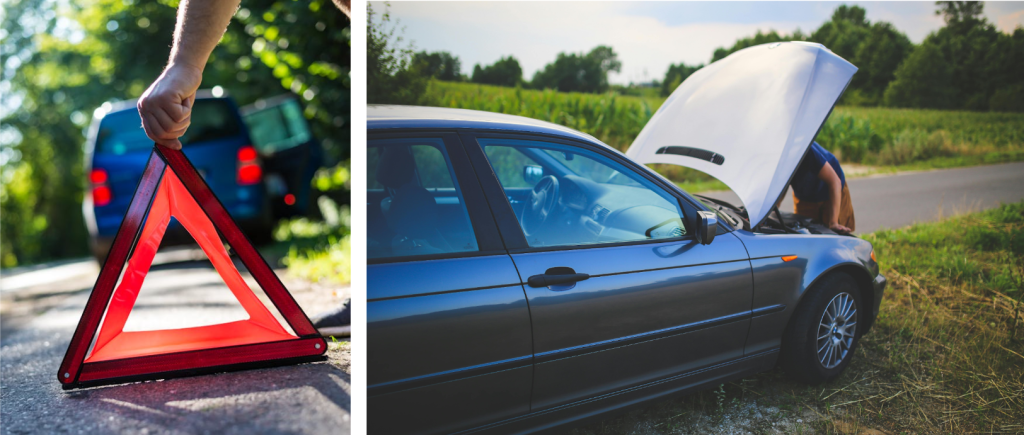
If your vehicle has broken down, your first priority is safety. Move as far off the road as possible if the vehicle still rolls, switch on your hazard lights and stay clear of traffic. If you are in a dangerous location, tell the towing company immediately so they can factor that into dispatch.
Have a few details ready when you call. Your exact location, the vehicle make and model, the problem as you understand it, and where you want it taken all help speed things up. If the car is stuck in neutral, has a flat battery, is in a tight car park or has wheel damage, say so early. Those details affect how the tow is handled.
It is also worth removing valuables and making sure you have your keys, mobile and anything essential from the vehicle before transport begins. Once the car is on the truck and heading to a workshop or home, you do not want to realise your wallet or work gear is still inside.
Flatbed towing is not about making a service sound more premium than it is. It is about choosing the method that gives your vehicle the best chance of arriving safely after a breakdown. When the situation is already inconvenient, careful handling and clear communication make all the difference.