A breakdown is stressful enough without worrying that the trip to the mechanic could create a second, more expensive problem. So, can towing damage automatic transmissions? Yes, it can – but usually only when the vehicle is towed using the wrong method, in the wrong gear, or over a distance the manufacturer does not allow.
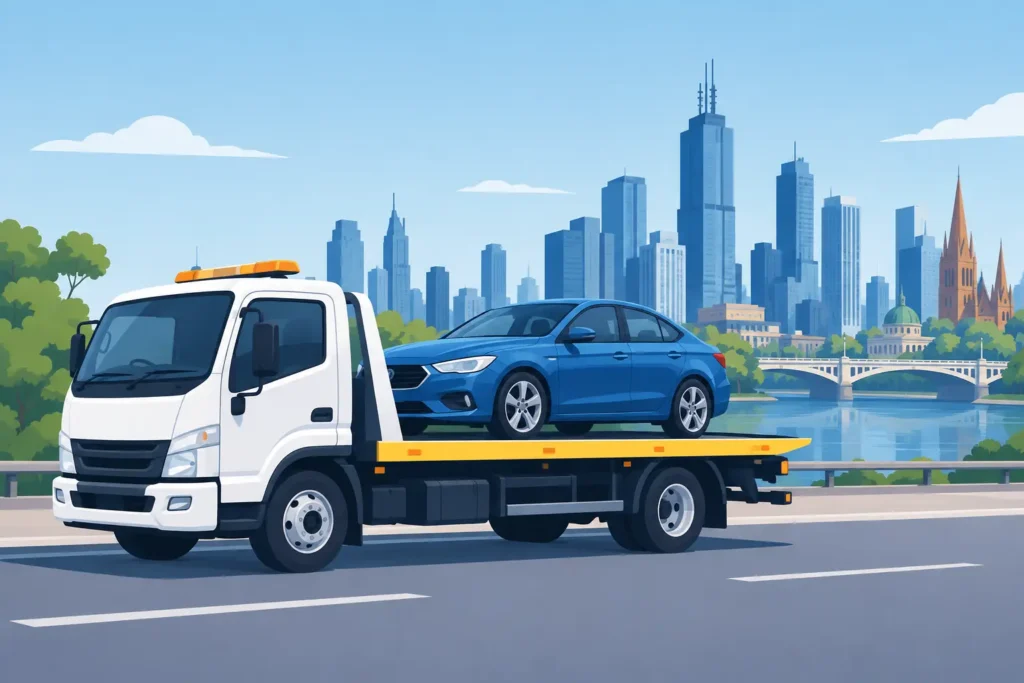
For most automatic vehicles, a properly loaded flatbed tow is the safest option. It keeps all four wheels off the road and prevents the transmission from being forced to turn while the engine is switched off. If you are stranded in Melbourne, telling the tow operator that your vehicle has an automatic transmission, all-wheel drive, hybrid system or EV helps them send the right equipment from the start.
Why towing can damage an automatic transmission
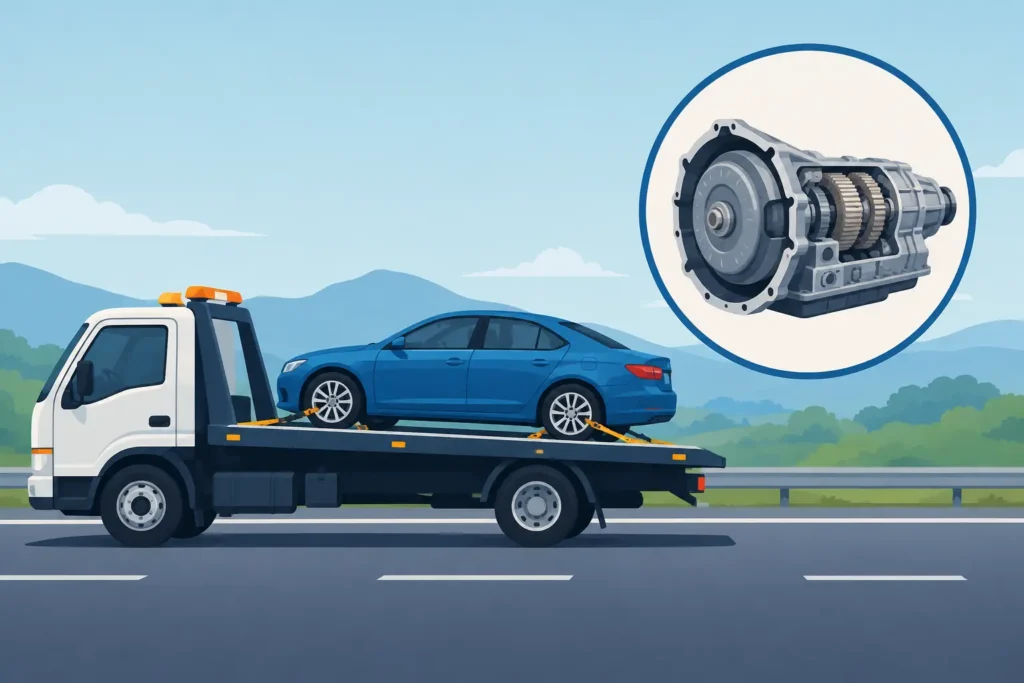
An automatic transmission relies on transmission fluid being circulated through the gearbox to lubricate and cool moving parts. In many vehicles, that circulation is driven by a pump that operates only when the engine is running.
When an automatic car is towed with its driven wheels on the road and the engine off, internal transmission components may still rotate. But the fluid may not be circulating properly. Heat can build up, lubrication can be limited, and internal clutches, bearings and seals can be damaged. The risk rises quickly with higher towing speeds and longer distances.
This is why the old advice of putting the vehicle in neutral and towing it with a rope or another car is not a safe general rule. Neutral disengages some drive components, but it does not necessarily stop everything inside the transmission from turning. On many modern vehicles, it does not make a wheel-lift or roadside tow safe at all.
Damage may not be obvious immediately. A vehicle can arrive at the workshop and appear fine, then later develop harsh shifting, slipping, delayed engagement, warning lights or an overheated transmission. Repairs can be substantial, especially on newer vehicles with electronically controlled or continuously variable transmissions.
Can towing damage automatic transmissions in every vehicle?
Not every automatic vehicle has the same towing restrictions. Some older rear-wheel-drive cars may allow limited towing with the rear wheels lifted, while certain models permit a short, slow tow in neutral. Others require the driven wheels to be completely off the ground, regardless of distance.
The only reliable answer is the vehicle owner’s manual and the manufacturer’s towing instructions for that exact model. Rules can vary between petrol, diesel, hybrid and electric versions of what looks like the same car.
As a practical rule, do not assume your vehicle can be safely towed just because another automatic car can. Modern transmissions are more complex, and drivetrain layouts differ widely. Front-wheel-drive vehicles, rear-wheel-drive vehicles, all-wheel-drive vehicles and four-wheel drives each need different handling.
Front-wheel-drive automatic vehicles
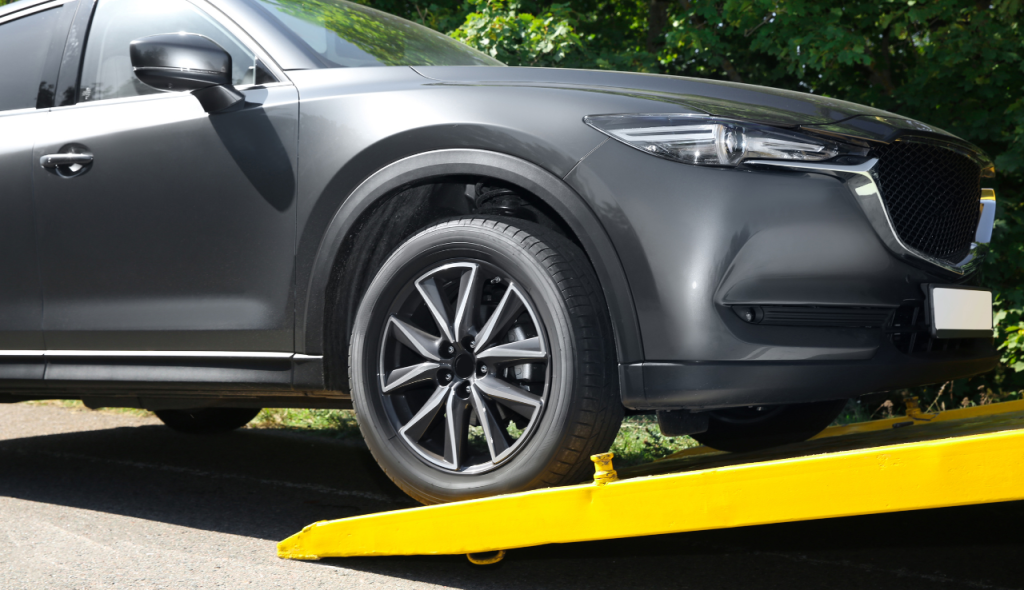
In a typical front-wheel-drive car, the front wheels drive the transmission. If those wheels stay on the road during a tow, the transmission may be turning without adequate lubrication. A flatbed is the safest choice. If a wheel-lift is used, the front wheels generally need to be raised clear of the road.
Rear-wheel-drive automatic vehicles
Rear-wheel-drive vehicles can sometimes be towed with the rear wheels lifted, but this depends on the model and drivetrain. If the rear wheels remain on the road, the tailshaft and transmission components may rotate. Some vehicles need the tailshaft disconnected before any extended tow, which is not a roadside job.
All-wheel drive and four-wheel drive vehicles
All-wheel-drive and four-wheel-drive vehicles deserve extra caution. Towing just one axle can place strain on the transfer case, centre differential or other drivetrain parts. In most cases, all wheels should be off the ground on a flatbed. This is especially relevant for SUVs, utes and performance vehicles with permanent all-wheel drive.
Hybrids and EVs
Hybrids and electric vehicles are not simply automatic cars without a conventional gearbox. Many have electric motors connected directly to the wheels and specific transport requirements. Incorrect towing can damage the drive system or create safety issues around the high-voltage battery. A flatbed and a tow operator familiar with EV loading procedures are usually required.
Why flatbed towing is the safer option
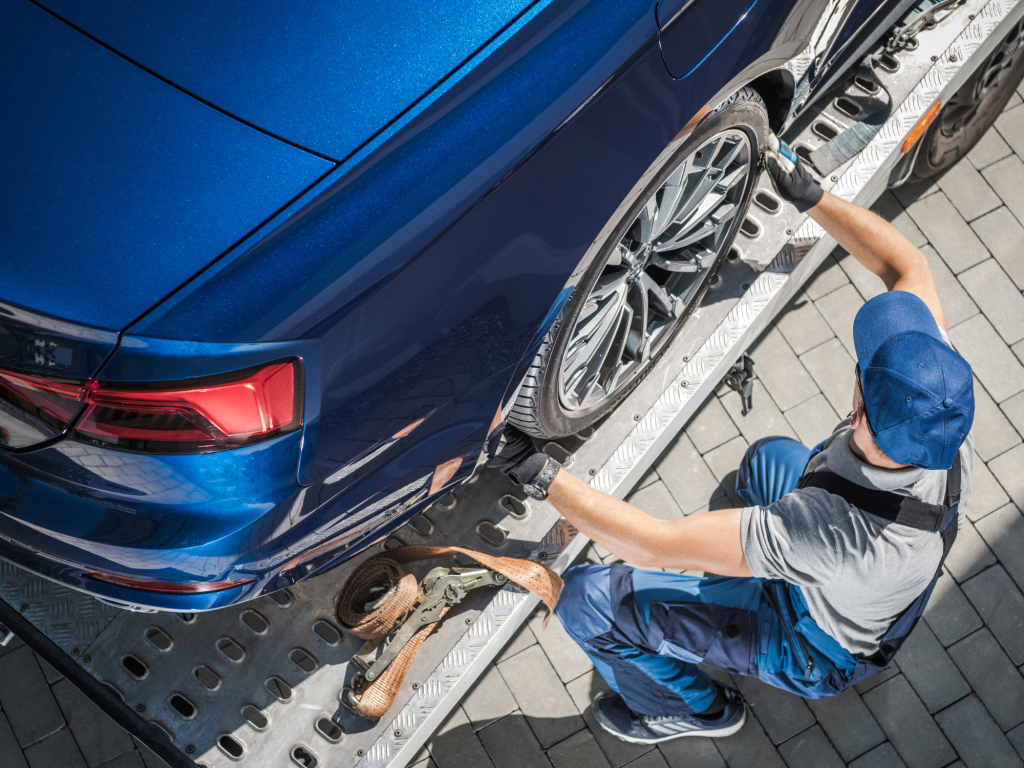
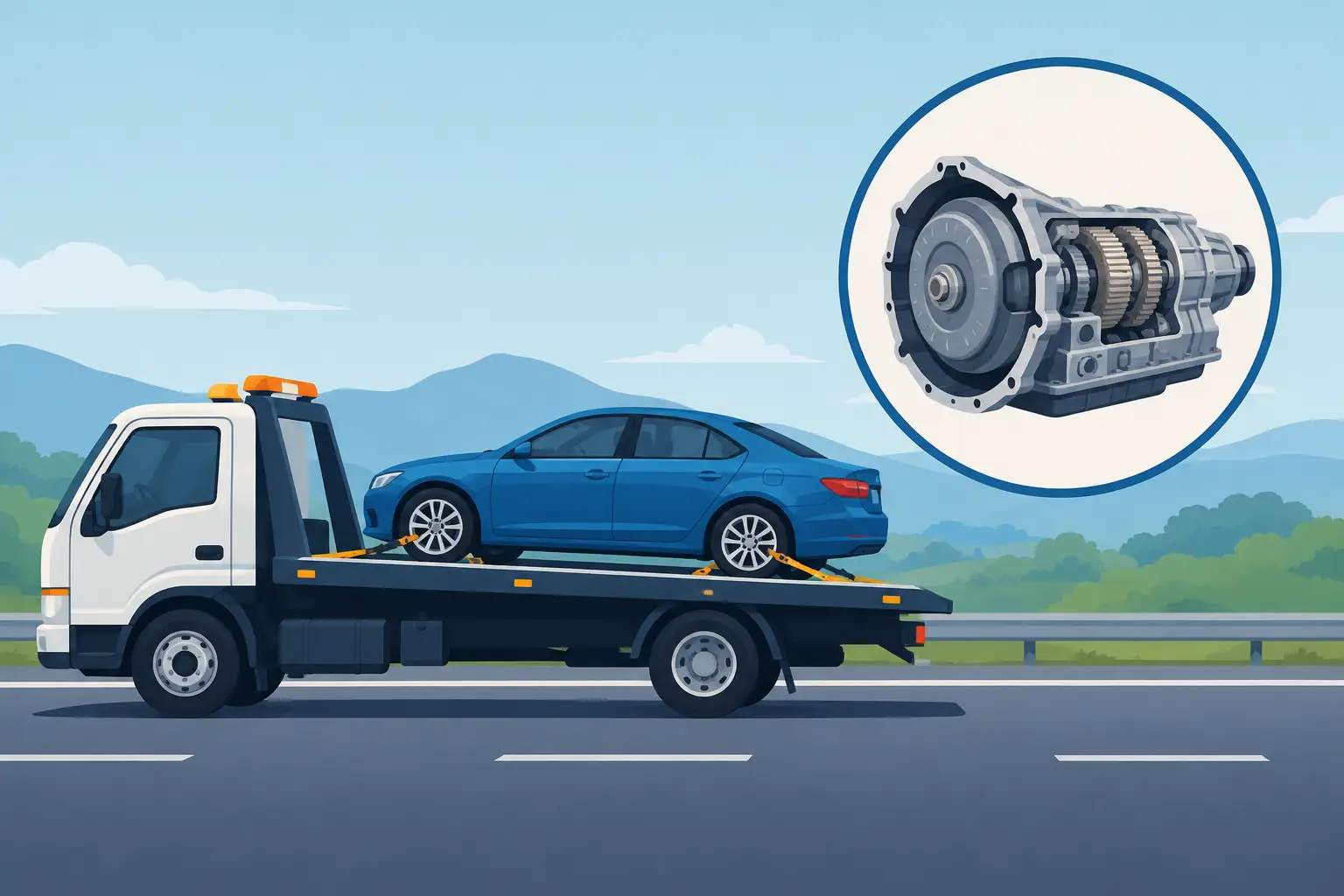
Flatbed towing removes the main transmission risk because the vehicle is carried rather than rolled. All wheels are secured on the truck deck, so the drivetrain does not rotate during transport.
It also reduces the chance of damage to low bumpers, tyres, suspension components and all-wheel-drive systems. That matters for vehicles with lowered suspension, performance cars, EVs, luxury vehicles and cars that cannot be shifted into neutral because of a flat battery or electronic fault.
A careful flatbed process starts before the vehicle is loaded. The operator should check whether the vehicle rolls, whether the steering is locked, whether it is in park, and whether there is visible suspension or wheel damage. Recovery skates, soft straps, winching equipment and the correct tie-down points may be needed rather than simply pulling the car by a convenient-looking part underneath.
For a mechanical breakdown, this method is usually worth it. The cost of using the right truck is small compared with replacing or repairing a damaged automatic transmission.
What to tell the tow operator before your vehicle moves
Clear information helps the operator plan the safest collection and give you an accurate price and ETA. When you call, explain the make, model and approximate year, then mention that it has an automatic transmission.
Also let them know if the vehicle is all-wheel drive, four-wheel drive, hybrid or electric. Mention whether it is a ute, van, lowered car, motorcycle, or a vehicle with modified suspension. These details affect the truck, loading angle and securing method required.
Be specific about the fault too. A dead battery is different from a locked transmission, a seized engine, a broken wheel or a vehicle stuck in park. If the keys are unavailable, the steering is locked, or the car is in an underground car park, say so before dispatch. Surprises at the roadside can delay the job and may mean a different recovery setup is needed.
If you have the owner’s manual accessible, check its emergency towing section. You do not need to diagnose the vehicle yourself, but any manufacturer instruction about towing limits is useful information to pass on.
Avoid these common towing mistakes
The biggest mistake is allowing a car to be towed on its driven wheels because it seems quicker or cheaper. A short tow can still cause trouble where the transmission has no engine-driven lubrication.
Another common problem is trying to tow the vehicle with a rope, chain or tow strap. Apart from the transmission risk, this can be dangerous in traffic. The disabled car may have reduced braking assistance, limited steering control or no working lights. It also puts both drivers at risk on busy Melbourne roads.
Do not rely on neutral alone, and do not force the selector if the car will not come out of park. Modern vehicles often have an electronic shift lock or a manufacturer-approved neutral release procedure. Forcing the mechanism can add another repair to the list.
Finally, avoid accepting vague advice such as “it will be right for a few kilometres”. If the vehicle’s towing instructions are unknown, the cautious option is to keep all wheels off the ground.
If your automatic car has already been towed incorrectly
If you believe your vehicle has been towed with the driven wheels on the road, do not ignore it just because it still drives. Arrange for a qualified mechanic to inspect the transmission fluid condition, check for fault codes and road-test the vehicle if appropriate.
Watch for delayed gear changes, shuddering, slipping, burning smells, unusual noises or a transmission warning light. Report how the vehicle was towed, how far it travelled, and whether the engine was running. That detail can help the workshop identify the issue sooner.
When your car has broken down, the safest question is not simply how quickly it can be moved. It is how it can be moved without turning one fault into a far more costly repair. A careful flatbed tow, clear information at booking, and a provider that understands breakdown transport can protect your automatic transmission from the first loading step to the workshop driveway.