A breakdown rarely happens at a convenient time. Your car will not start outside work, the battery dies after the shops, or a warning light appears halfway through a school run. When you need a tow to mechanic or home, the right destination depends on what has failed, where you are, and whether a workshop can actually receive your vehicle.
The priority is getting you out of danger and moving the vehicle without creating another problem. A clear decision before the truck arrives can save a second tow, avoid unnecessary storage costs, and help your mechanic begin work sooner.
When a tow to a mechanic makes sense
Towing straight to a mechanic is usually the best choice when you already know the likely issue and the workshop is open or has confirmed it can accept the vehicle. This is common for a non-start, overheating issue, transmission fault, flat tyre with no usable spare, steering problem, or a warning light that makes driving unsafe.
Sending the vehicle directly to the workshop removes one step. Your mechanic can inspect it when they are ready, order parts if needed, and call you with a diagnosis. For business vehicles, vans and utes that need to get back on the road quickly, avoiding an extra move can be particularly useful.
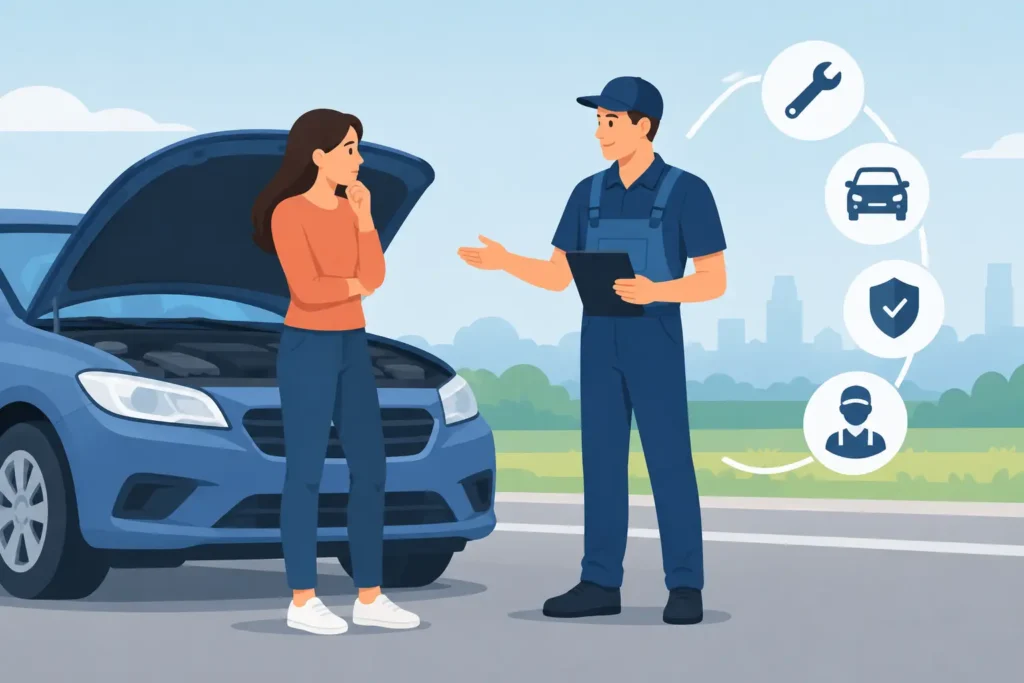
Before booking the tow, call the mechanic if possible. Ask whether they have room to receive the vehicle, where they want it left, and whether they need the keys placed in a specific location. Some workshops have after-hours drop-off procedures. Others cannot accept vehicles outside business hours because the driveway, gates or security arrangements do not allow it.
If the workshop is closed and cannot take the car, do not assume the tow driver can leave it on the street outside. It may be unsafe, illegal, or likely to block access. A secure home tow may be the more practical option until the mechanic opens.
Situations where direct workshop delivery is the better call
A mechanic tow is generally the practical choice when the workshop has confirmed acceptance, the vehicle needs urgent diagnosis, or you cannot safely store it at home. It also suits faults that are unlikely to be resolved by a simple battery charge or a short wait, such as a coolant leak, gearbox issue, electrical fault or engine problem.
For EVs and hybrids, a workshop familiar with the vehicle is especially valuable. High-voltage systems, charging faults and electronic warnings require the right equipment and trained technicians. The tow itself should be planned for the vehicle type, with careful loading and secure transport rather than guesswork at the roadside.
When towing home is the smarter option
A home tow can be the better decision when it is late, your chosen mechanic is closed, or you need time to decide who will inspect the vehicle. It gives you control over the next step and means the car is off the road rather than left in an unfamiliar location.
This option often works well for a flat battery, a suspected alternator problem, a vehicle that has been sitting unused, or a minor issue that does not need immediate workshop attention. You may be able to arrange repairs the next morning, use another vehicle in the meantime, or have a mobile mechanic assess it from your driveway.
Home is also a sensible destination when you have not yet chosen a repairer. A rushed decision at the roadside can lead to towing the vehicle to a workshop that cannot fit you in for days. Taking it home first lets you check availability, compare advice and book a mechanic you trust.
There are limits, though. Make sure there is safe access for the tow truck and a legal, suitable place to leave the vehicle. A steep driveway, narrow laneway, low carport or busy street may affect where the vehicle can be unloaded. Let the dispatcher know about access restrictions, lowered suspension, a locked steering wheel, or a vehicle stuck in a basement or tight parking area.
The cost question: one tow now or two later?
Cost matters, but the cheapest-looking option is not always the least expensive overall. Towing home may suit the immediate situation, yet you could need a second tow to the mechanic the next day. Towing directly to a workshop can avoid that extra trip if the workshop is ready for the car.
On the other hand, paying for a direct tow to a closed workshop that cannot accept the vehicle may leave you with an awkward problem and another charge. The useful question is not simply, “Which destination is closer?” It is, “Where can this vehicle be safely left and dealt with next?”
Ask for clear, upfront pricing before dispatch. The quote should reflect the pickup location, destination, vehicle type and any recovery complexity. A standard car parked safely at the kerb is different from a motorcycle in an underground car park or a light truck with a mechanical fault on a busy Melbourne road.
Choose the destination based on the fault
Some breakdowns make the choice clearer. If your engine is overheating, coolant is leaking, the oil pressure light is on, or the brakes or steering feel wrong, do not drive further to reach home. Shut the vehicle down safely and arrange a tow. If your mechanic can take it, direct delivery is often best.
For a dead battery, the situation can vary. If the battery is old, the car has needed multiple jump-starts, or the battery warning light was on while driving, the issue may be the battery, alternator or another electrical fault. A workshop tow may prevent another breakdown. If the car simply has not been used for a while and you have a safe driveway, towing home can give you time to organise a battery test or replacement.
A puncture is also situation-dependent. If you have a serviceable spare and a safe place to change it, you may not need a tow at all. But if the tyre is damaged, wheel hardware is missing, the vehicle has no spare, or you are stopped in an unsafe location, towing is the safer choice. Your tyre shop, mechanic or home may all be suitable destinations depending on opening hours and access.
Safety comes before the destination
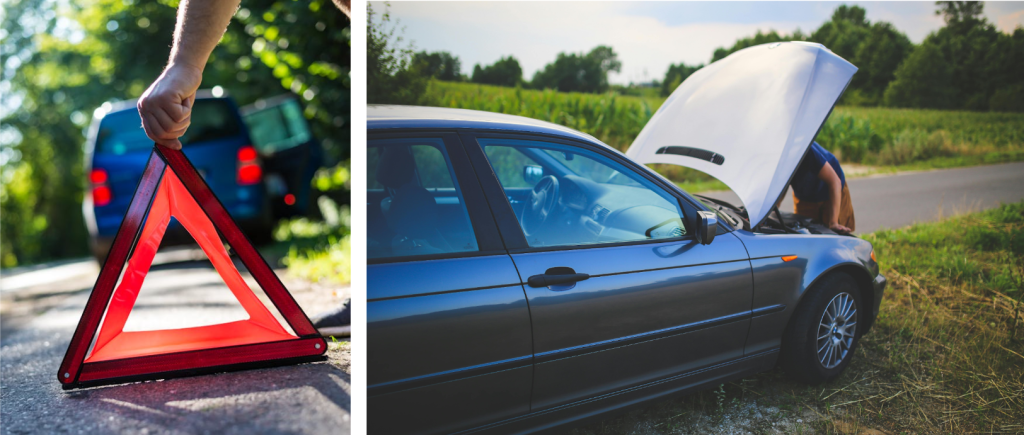
Wherever the vehicle is going, protect yourself first. If possible, move well clear of traffic, turn on hazard lights and stand behind a barrier or away from the flow of vehicles. Do not remain in the car on the side of a fast road unless it is safer than getting out. Follow emergency services directions if police or road authorities are managing the scene.
When arranging the tow, provide the exact location, vehicle make and model, registration, fault symptoms, destination and any special handling needs. Mention if it is an EV, hybrid, motorcycle, lowered performance car, long-wheelbase van, ute, or light truck. Good information helps send the right equipment and avoids delays once the driver arrives.
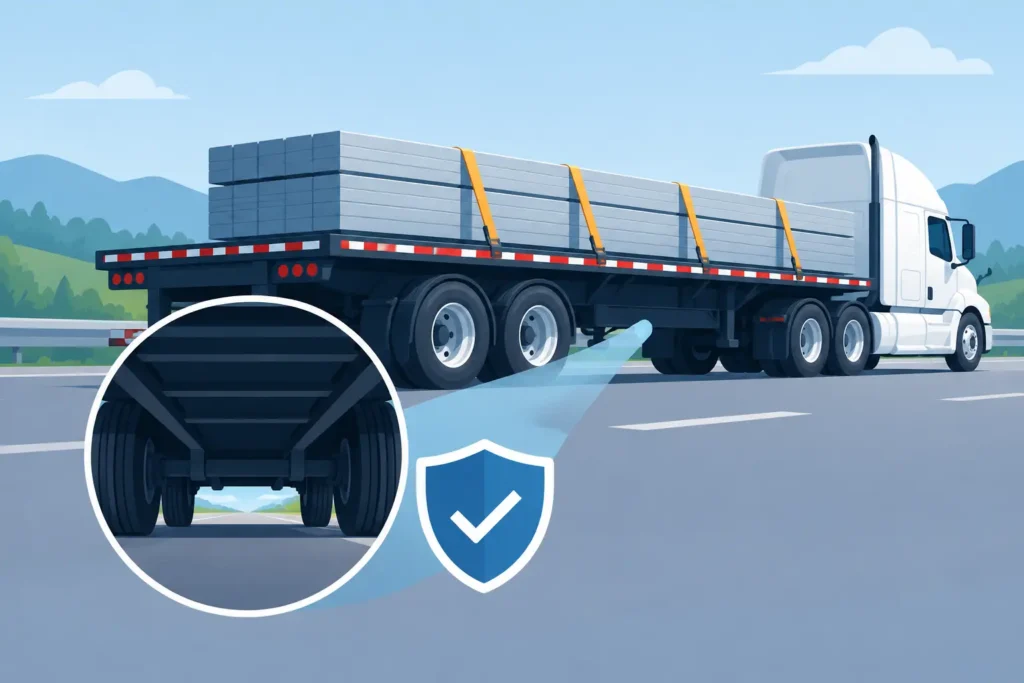
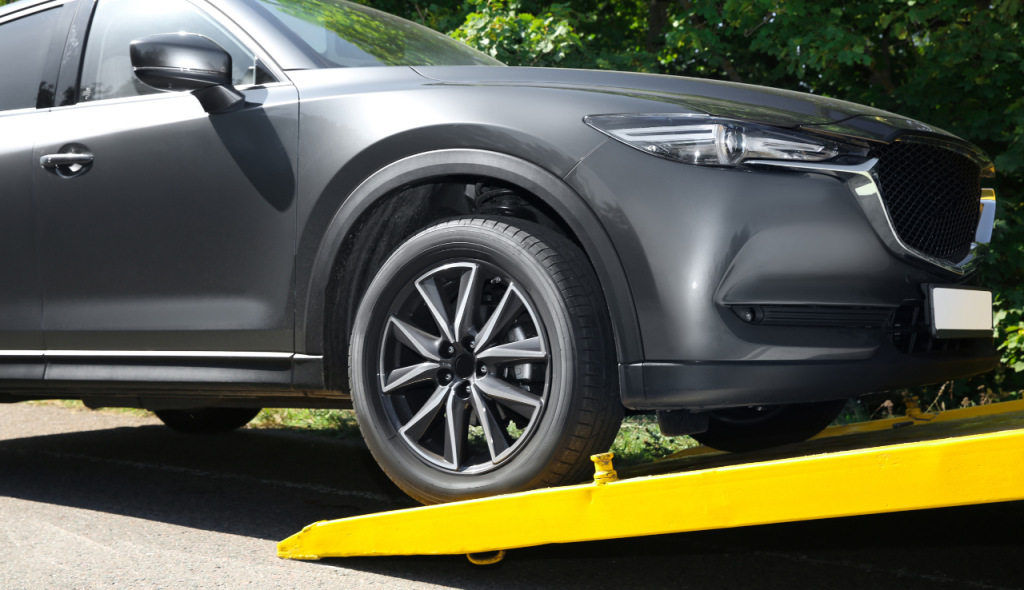
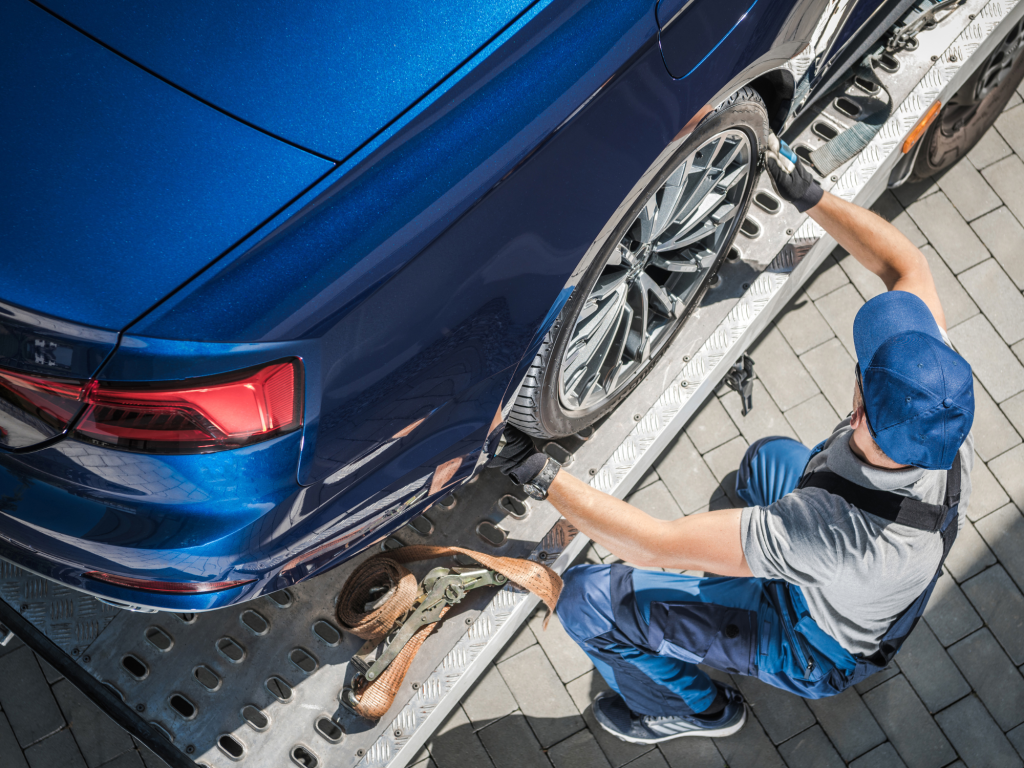
A professional breakdown towing service should explain the estimated arrival time, confirm the price before dispatch, and tell you what will happen on arrival. Flatbed transport is often the preferred approach for vehicles that should not be driven, have drivetrain concerns, or need careful handling. Secure loading and proper tie-down points matter, particularly for motorcycles, EVs and specialty vehicles.
A simple way to decide at the roadside
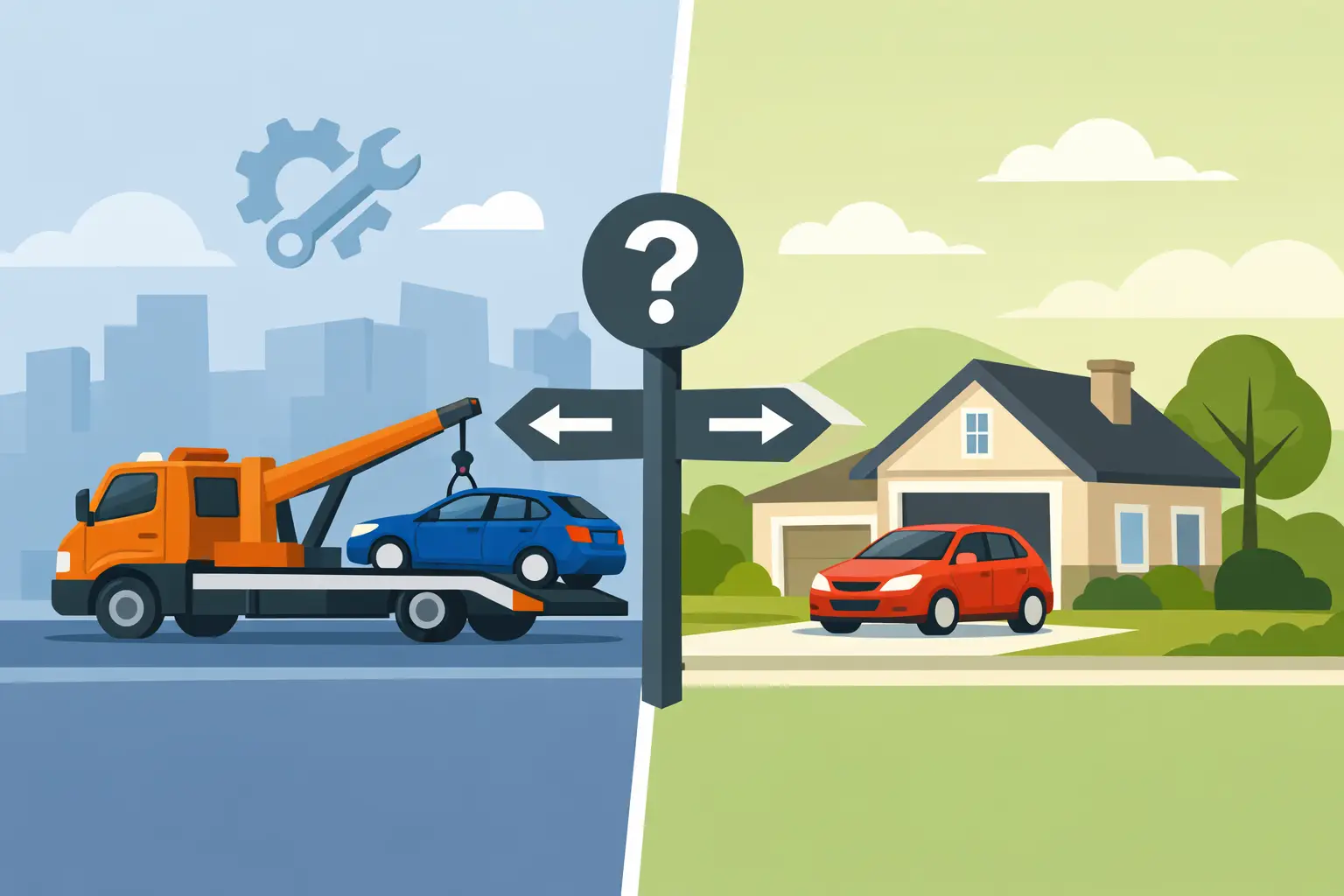
If your mechanic is open, has confirmed they can receive the vehicle, and the fault needs inspection, tow it there. If the workshop is closed, you are unsure who will repair it, or the vehicle can be safely stored at home, take it home first.
The exception is any fault that makes home storage unsafe or impractical, such as a serious fluid leak, damaged wheel, inaccessible driveway or a vehicle that needs specialist assessment. In those cases, ask the towing provider for practical destination options rather than making a rushed call.
For Melbourne drivers, Onigo Towing can help make that decision clearer before dispatch by confirming the vehicle details, access requirements and destination. The aim is straightforward: get the right truck to you, load the vehicle carefully, and deliver it where it can be safely dealt with.
A breakdown is stressful enough without wondering whether you have chosen the wrong address. Take a minute to confirm workshop access, consider whether a second tow is likely, and choose the destination that gives your vehicle the safest and quickest next step.