When an EV stops without warning, the usual towing assumptions can make a bad situation worse. This guide to towing electric vehicles is written for Melbourne drivers who need clear answers fast – especially when the car will not start, the battery is flat, or the dash is throwing up faults and you are stuck on the roadside.
Electric vehicles are not towed the same way as many petrol or diesel cars. The biggest difference is simple: in many EVs, the drive wheels should not roll on the road while the vehicle is being towed. If they do, you can risk damage to the motor, inverter, gearbox components, regenerative braking system, or battery-related systems. That is why the safest answer in most breakdown situations is a flatbed tow truck.
Why a guide to towing electric vehicles matters
With a conventional vehicle, some people still think in terms of a quick tow with two wheels on the ground. With an EV, that shortcut can become an expensive mistake. Even among electric models, towing instructions vary by manufacturer, drive layout, and fault condition. A rear-wheel-drive EV may have different limits from an all-wheel-drive model, and a car in neutral is not automatically safe to tow.
The challenge is that roadside breakdowns rarely happen in ideal conditions. You might be in traffic, in a car park, or on the side of a freeway with limited battery and limited patience. In those moments, the priority is not theory. It is getting the vehicle moved safely, without adding damage during recovery.
The safest way to tow most EVs
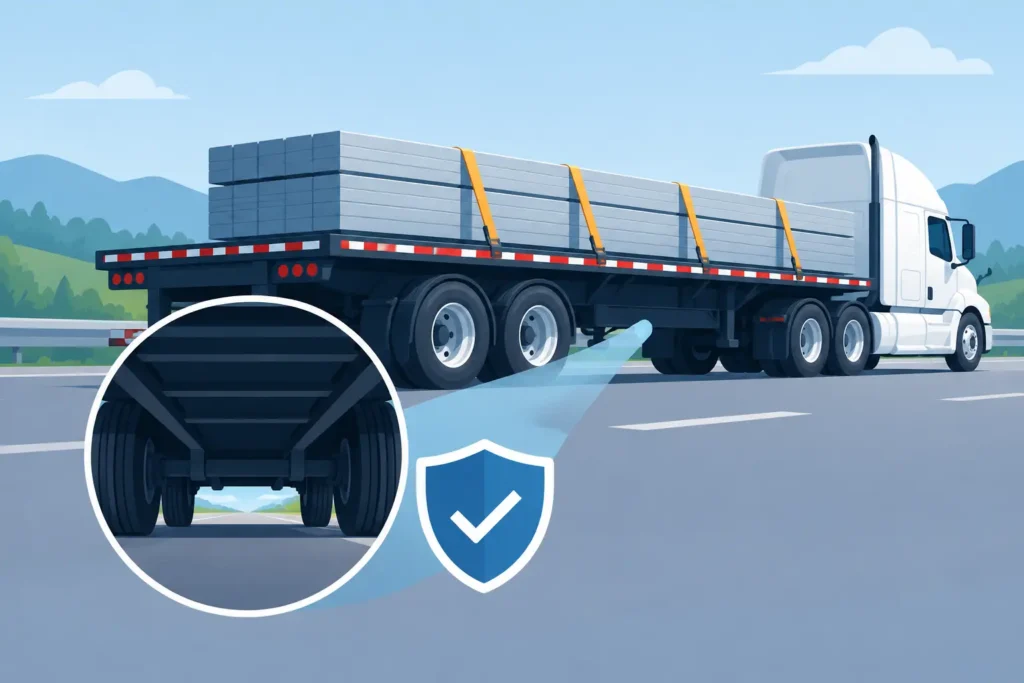
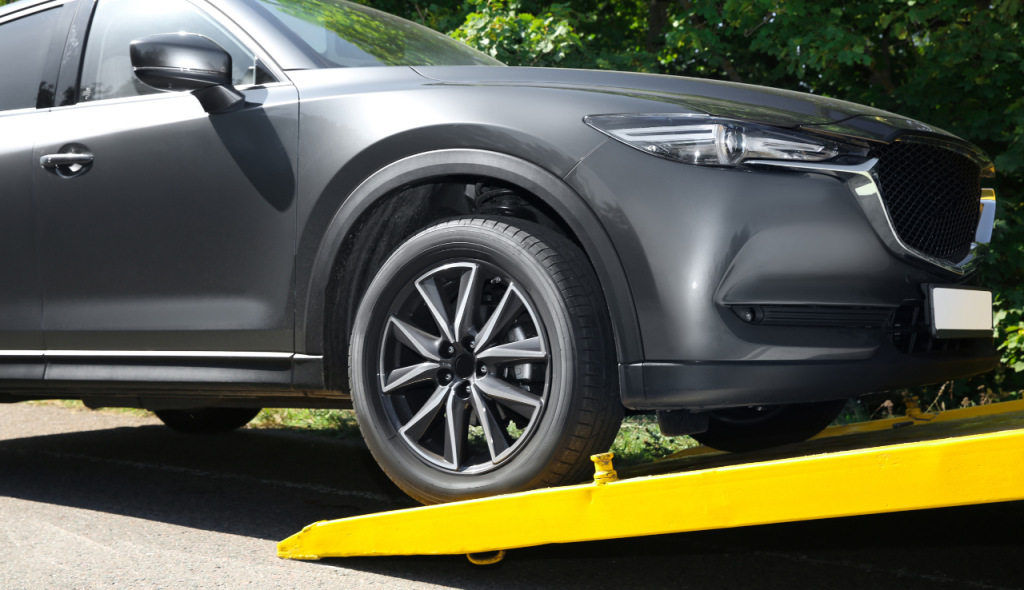
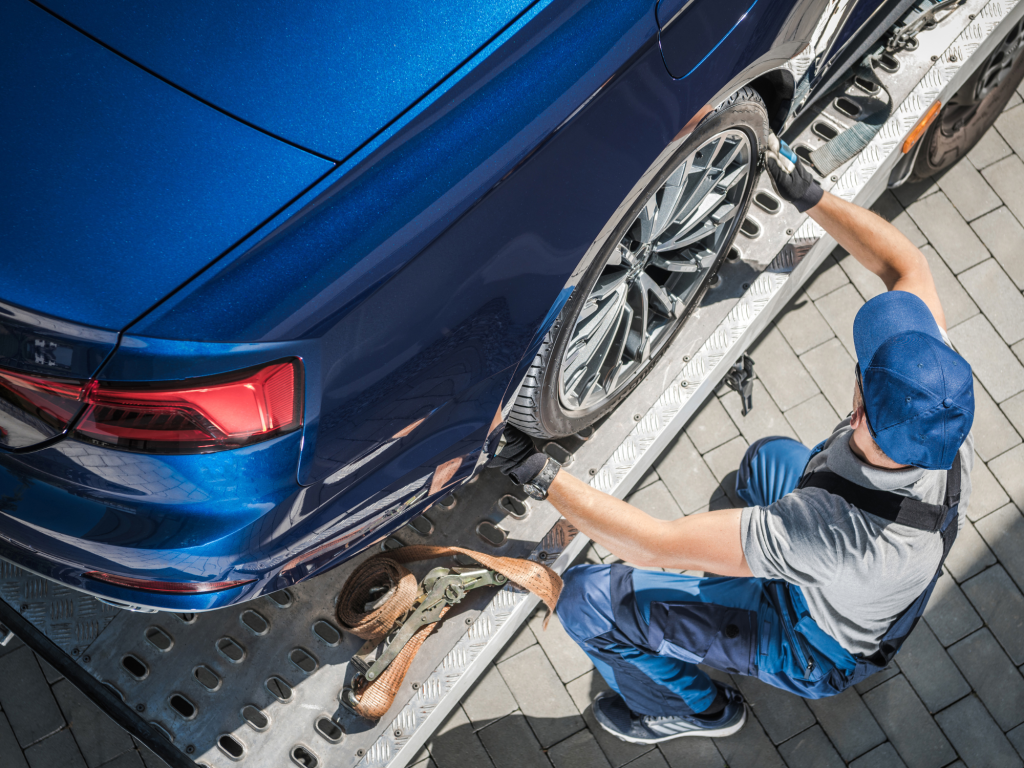
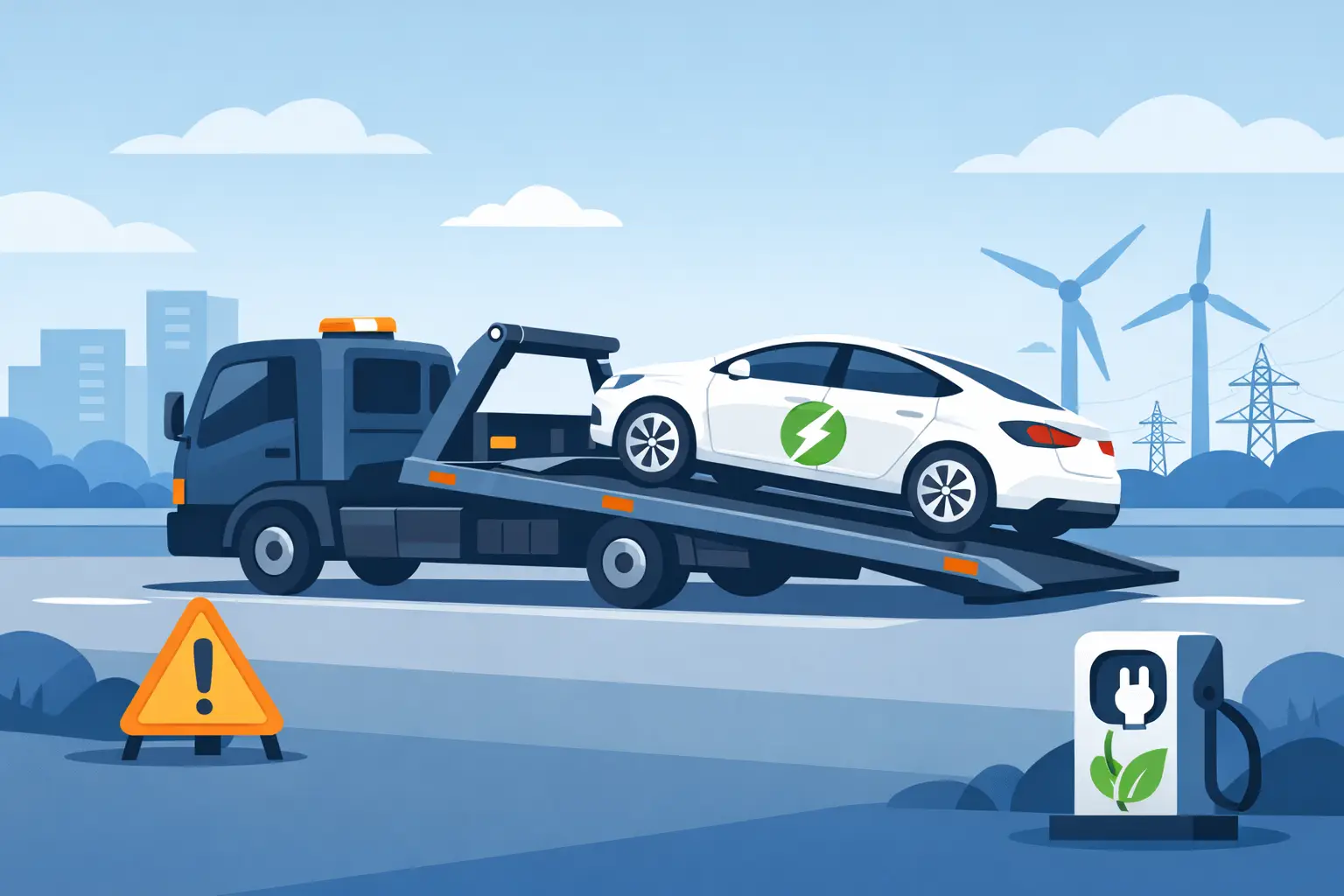
For most electric vehicles, a full flatbed is the preferred option. That keeps all four wheels off the road and removes the risk that the electric drivetrain will be forced to turn while the vehicle is being transported.
This matters because EV drivetrains behave differently from traditional drivetrains. Even when the car appears off, there may still be system states, parking locks, or electronic controls affecting how the wheels move. Some models also make it difficult to shift into neutral if there is a complete power failure or a 12-volt battery issue.
A flatbed also helps with low-clearance EVs, performance variants, and heavier battery packs. Proper loading angles, winching technique, and secure tie-down points are all part of avoiding underbody damage. That is especially important because the battery pack often sits low in the floorpan.
Can electric vehicles be towed with wheels on the ground?
Sometimes people ask whether an EV can be towed with a wheel lift, dolly, or A-frame. The honest answer is: it depends on the exact vehicle, the fault, and the manufacturer instructions. But in breakdown towing, the safest working assumption is no, not unless the vehicle maker clearly allows it and the tow method matches those instructions exactly.
The risk is not just mechanical. If the vehicle is in park and the electronic systems will not respond, trying to drag or partially lift it can create loading issues, tyre scrubbing, and damage to the wheel assemblies. For all-wheel-drive EVs, the risks are even higher because more than one axle may be connected to electric drive components.
That is why experienced breakdown operators usually avoid improvising with EVs. A careful flatbed load is slower by a few minutes, but much safer than guessing.
What happens if the EV battery is flat?
A flat high-voltage battery and a flat 12-volt battery are not the same problem. If the main driving battery is depleted, the car may not have enough range to continue, but some systems may still function. If the 12-volt battery is flat, the vehicle may not power up properly at all. Doors, gear selection, screens, and electronic parking brake release can all be affected.
That distinction matters during towing. A car that cannot enter transport mode or neutral may need a more controlled loading process. In some cases, skates or specialised equipment may be required to move it without forcing the wheels. There is no one-size-fits-all roadside trick that works across every EV brand.
For drivers, the best move is not to keep experimenting once the vehicle is clearly immobilised. Repeated attempts to restart or shift the vehicle can waste time and increase stress. The priority should be safe recovery and transport to a charger, your home, or a repairer.
Towing mode, transport mode, and neutral
Many EV owners assume that if they can select neutral, the vehicle is ready to tow. That is not always true. Some manufacturers provide a dedicated towing mode or transport mode, while others only allow very limited movement for loading onto a truck. Some models can exit neutral automatically after a period of time, especially if power conditions change.
This is where vehicle-specific handling matters. The person moving the car should understand that an EV may roll differently from a combustion vehicle and may have model-specific procedures for releasing the parking brake or preparing it for winching.
If you are the owner, it helps to tell the towing operator the exact make and model and whether the car still has accessory power. If you know the manufacturer has a transport procedure, mention that too. If you do not know, that is fine. It is better to say you are unsure than to guess.
Common roadside mistakes to avoid
One of the biggest mistakes is accepting a tow method that sounds convenient rather than safe. If the vehicle is electric, ask how it will be loaded and whether all four wheels will be off the ground. That question alone can prevent a lot of trouble.
Another common mistake is trying to pull the vehicle with another car using a rope or strap. Aside from being unsafe and generally unsuitable for modern vehicles, that approach can be especially risky with EVs due to drivetrain and braking behaviour. It also gives you very little control in traffic.
Drivers also sometimes focus only on the main battery and forget to mention warning lights, collision alerts, or underbody impact. If the EV has struck debris, a kerb, or something on the road, the towing method needs extra care. Battery pack damage is not something to take lightly.
Why EV weight changes the job
Electric vehicles are often heavier than equivalent petrol cars because of the battery pack. That extra weight affects loading angles, winching resistance, tie-down choice, and overall truck suitability. It also means the operator needs to think carefully about placement on the tray and securing the vehicle without stressing the wrong points.
This is another reason specialist breakdown towing matters. A general approach may be enough for some ordinary roadside jobs, but heavier EVs call for the right truck and a careful process. The goal is not just moving the car. It is moving it without causing fresh damage to wheels, underbody panels, sills, or battery housing.
What to do while waiting for an EV tow
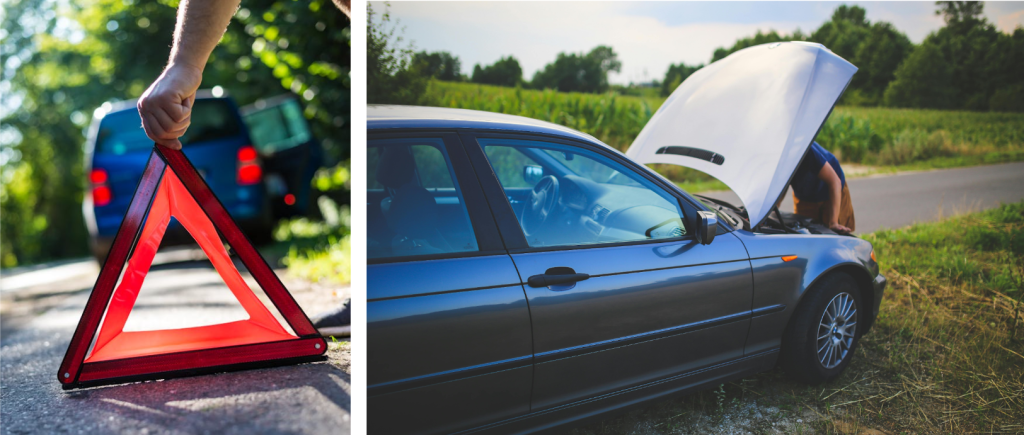
If your EV has broken down, first get yourself somewhere safe if traffic conditions allow. Turn on hazard lights, follow any roadside safety requirements, and avoid standing too close to moving traffic. If the car is in an unsafe position, tell the towing dispatcher exactly where you are and what lane or access point is affected.
When you call, have a few details ready: the make and model, whether it is fully electric or hybrid, whether the car will power on, and whether there are any warning messages about the battery or drivetrain. If it is stuck in a basement, apartment car park, or tight inner-city location, mention the height clearance and access limitations early.
Good dispatch starts with clear information. It helps send the right truck the first time and reduces delays on the roadside.
Choosing the right towing provider for an EV
Not every towing job is complicated, but EVs leave less room for sloppy handling. You want a provider that deals with breakdowns regularly, uses modern flatbeds, communicates clearly about ETA and price, and understands that careful loading matters as much as quick arrival.
That is especially true if the vehicle is high-value, low-clearance, or completely non-responsive. A rushed operator may still get the car moved, but the standard you want is careful winching, proper securing, and a method that matches the vehicle, not just the nearest available truck.
For Melbourne drivers, that usually comes down to asking a few direct questions before dispatch. How will the EV be transported? Is it a flatbed? Have they handled electric vehicles before? Will you get an upfront price before the truck is sent? A professional operator should answer those without dancing around it.
Breakdowns are stressful enough without having to wonder whether the tow itself will create another repair bill. If your EV cannot drive, the safest path is usually the simplest one: keep the wheels off the road, use the right equipment, and let an experienced breakdown towing team handle the rest. On a bad day, that kind of clear, careful response makes all the difference.