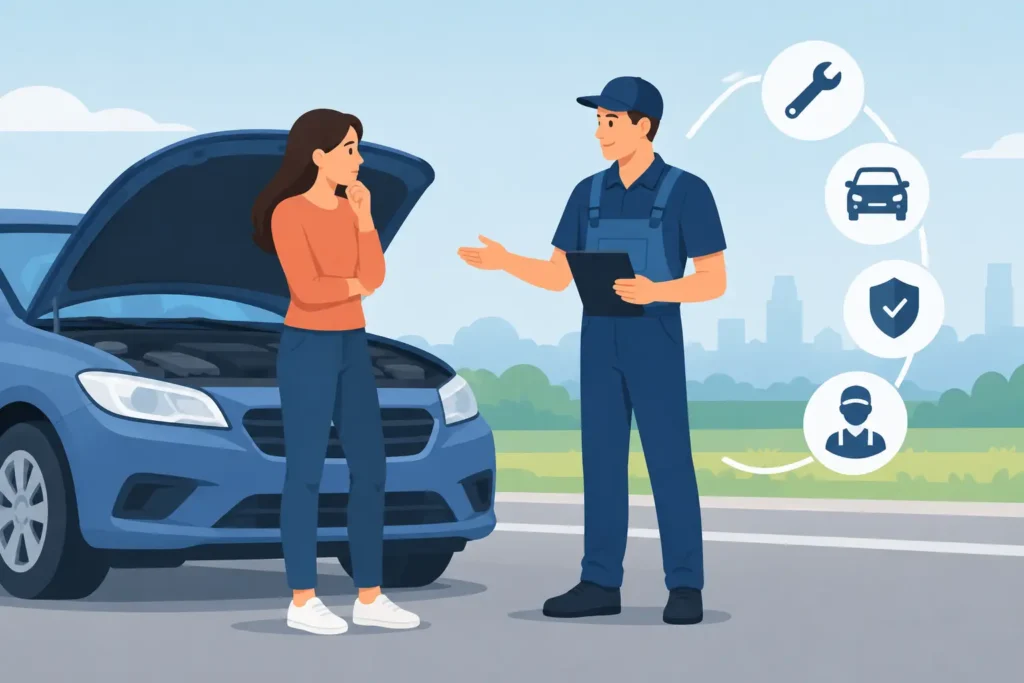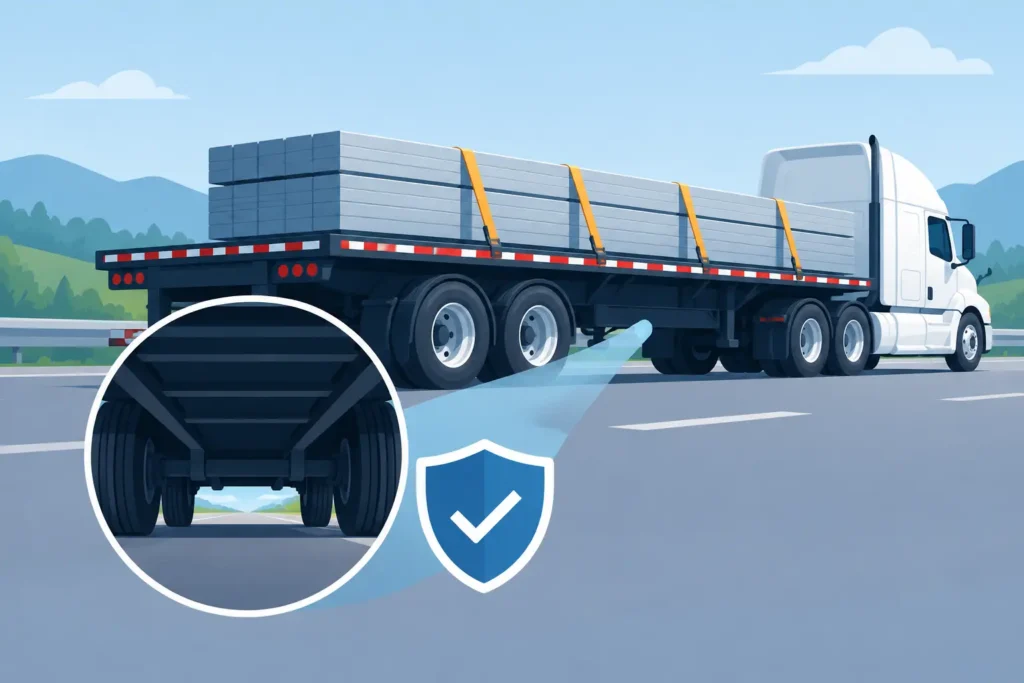
A breakdown on a busy Melbourne road is stressful enough without worrying about how your vehicle will be moved. The key flatbed towing benefits are simple: your vehicle is loaded fully off the road, secured in place and transported without its tyres rolling on the bitumen. For many non-starts, mechanical faults and battery failures, it is the safest, most practical way to get a car, motorcycle, van or ute to a mechanic or back home.
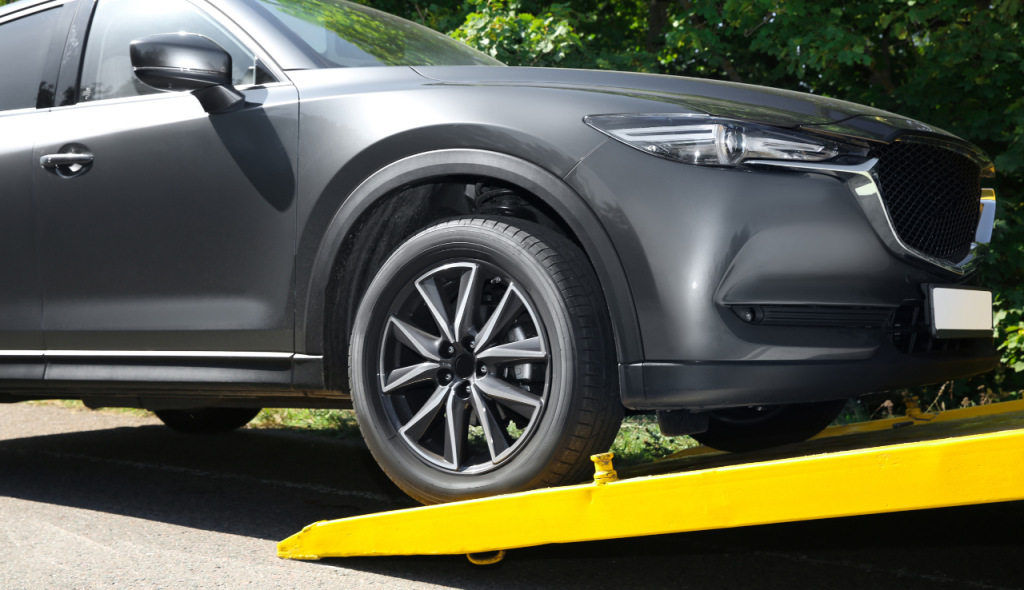
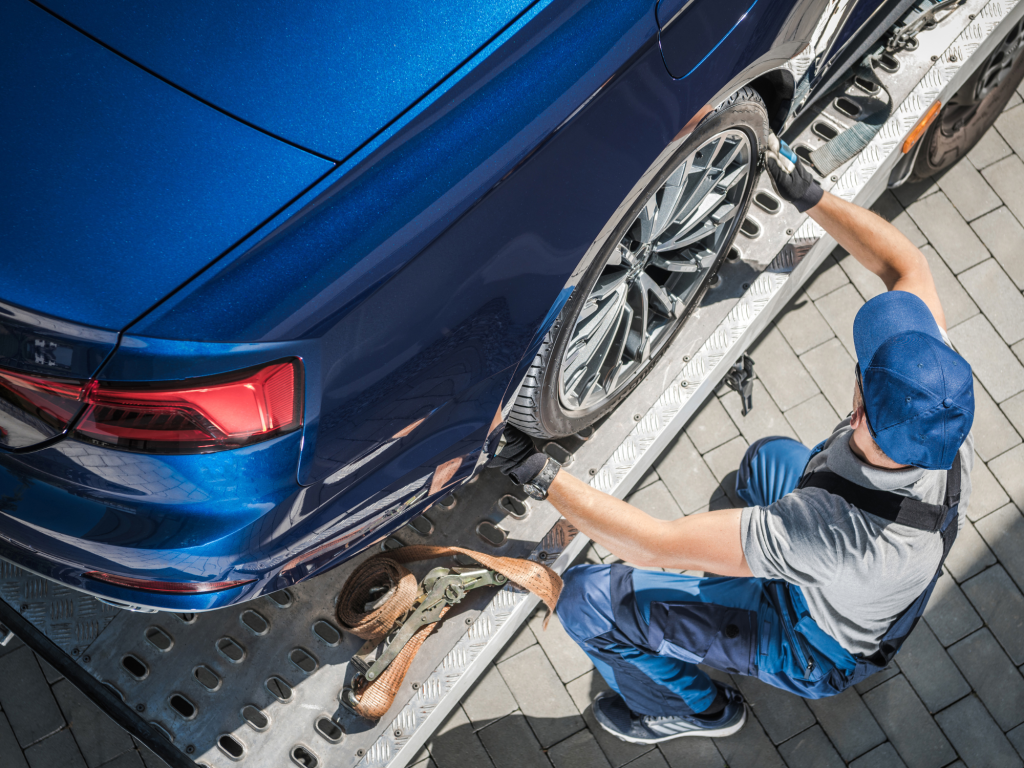
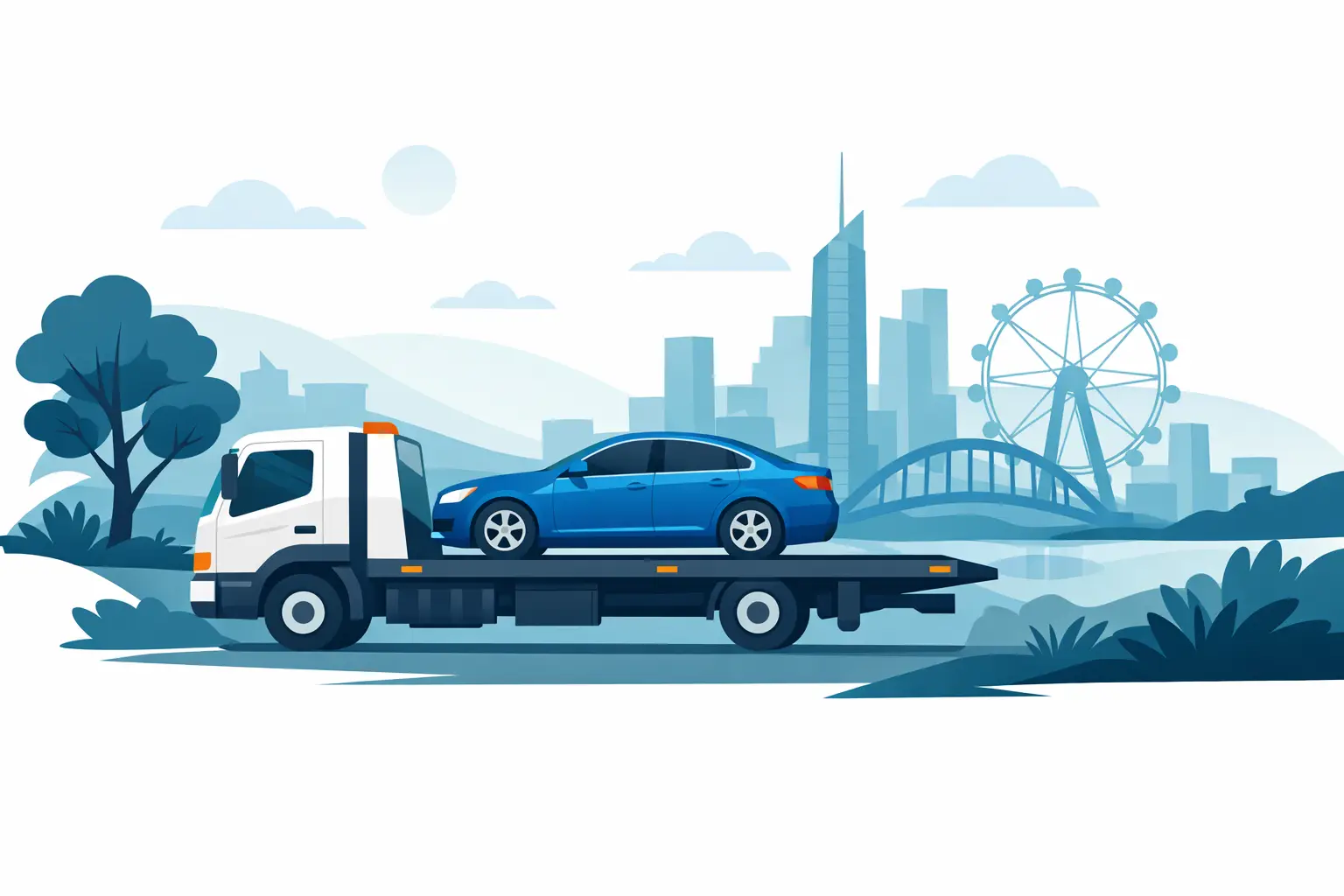
A flatbed tow truck carries the entire vehicle on a level tray. Rather than lifting one end and leaving the other wheels on the road, the operator winches the vehicle onto the tray, secures it at appropriate points and transports it with all four wheels off the ground. That difference matters when the reason for the breakdown is not yet clear.
What Makes Flatbed Towing Different?
With a wheel-lift tow, the vehicle is raised from one end while the remaining wheels travel along the road. This can be suitable for certain short-distance jobs and vehicles in good mechanical condition. However, it may not be appropriate when there is drivetrain damage, a locked wheel, low ground clearance or an unknown fault.
Flatbed towing avoids those concerns because the vehicle does not need to roll during transport. It is particularly useful when a car will not start, cannot be safely driven, has suspension trouble or needs to travel a longer distance across Melbourne or interstate.
The loading process is controlled as well. A trained operator assesses the vehicle’s position, access around it and any obvious concerns before using the tray and winch. This is not just about getting the vehicle moving quickly. It is about reducing the chance of further damage while getting it to the right destination.
The Main Flatbed Towing Benefits
Lower risk of mechanical damage
When a vehicle has broken down, the fault is not always obvious. A warning light, rough running or a no-start issue may be a minor problem, but it could also involve the transmission, driveline, brakes, steering or suspension. Driving it further or allowing wheels to rotate during towing can create unnecessary risk.
A flatbed keeps the vehicle stationary for the journey. This is especially valuable for automatic vehicles, all-wheel drives, four-wheel drives and vehicles with drivetrain issues. It gives your mechanic the best chance to inspect the original fault without added complications from the transport itself.
Better protection for low and specialty vehicles
Performance cars, lowered vehicles, classic cars and vehicles with low front spoilers need more than a standard approach. Their ground clearance, bodywork and wheel placement can make loading difficult if the equipment is not suited to the job.
A modern flatbed can be positioned to create a controlled loading angle, with ramps and careful winching used where needed. The right approach depends on the vehicle and where it has stopped. A car parked in a steep driveway, for example, may require a different setup from one stopped on a level suburban street.
Careful loading does take a little longer than simply hooking up and leaving. For a valuable or low-clearance vehicle, that extra care is usually worth it.
Safer transport for EVs and hybrids
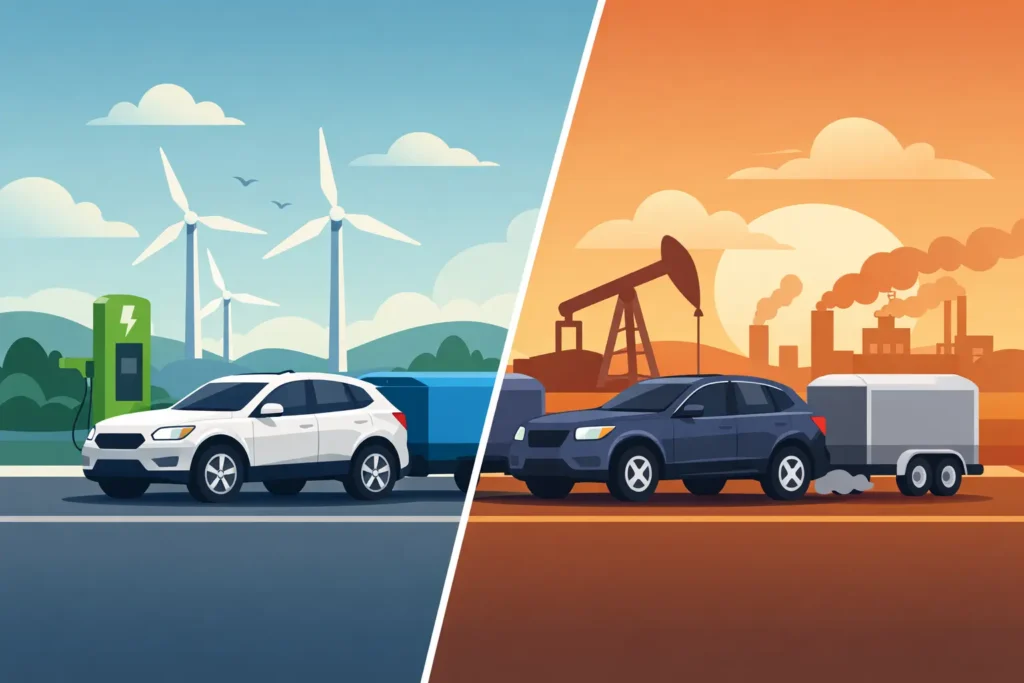
Electric and hybrid vehicles have specific towing considerations. Their high-voltage systems, battery placement and drivetrain design mean the manufacturer’s towing guidance should be followed closely. In many cases, transporting the vehicle with all wheels off the ground is the preferred method.
Flatbed transport helps avoid turning driven wheels when the vehicle is disabled. It also gives the operator more control when loading an EV that cannot be placed in its usual tow mode, has a flat 12-volt battery or is stuck in park. The exact procedure varies by make and model, so tell the dispatcher that you are driving an EV or hybrid when you request a tow.
Secure handling for motorcycles
Motorcycles need to remain upright and properly restrained during transport. They should not be treated like a small car or tied down in a way that puts avoidable pressure on vulnerable components.
On a flatbed, a motorcycle can be loaded onto the tray and secured using suitable restraint points. This helps protect the tyres, suspension, handlebars and fairings while avoiding additional road exposure. It is a sensible option whether the issue is a puncture, electrical failure, chain problem or a bike that simply will not start.
A practical choice for vans, utes and light trucks
For tradies, delivery drivers and small business operators, a breakdown can quickly become a lost day of work. A loaded van, ute or light truck may not be suitable for every towing method, particularly if it has drivetrain trouble or cannot be moved under its own power.
Flatbed towing gives the vehicle a stable platform for the trip to a workshop, depot or another agreed location. Before dispatch, it helps to provide the vehicle’s make, model, approximate weight, load condition and current location. Clear details allow the right truck and equipment to be sent from the start.
When a Flatbed Is Usually the Best Option
A flatbed is commonly recommended when the vehicle has an unknown mechanical failure, transmission issue, damaged wheel, locked brakes or steering problem. It is also the sensible choice for all-wheel-drive vehicles, EVs, motorcycles, low-clearance cars and vehicles travelling longer distances.
It can also be useful after a simple dead battery. If a jump-start is not possible, the battery will not hold charge or the vehicle has another issue preventing it from starting, a flatbed lets you move it without trying to force a repair at the roadside.
That said, the best towing method depends on the vehicle, its condition, the location and the destination. Tight car parks, underground clearances, narrow streets and inaccessible driveways can affect what equipment can be used. An experienced dispatcher should ask practical questions before confirming the job, rather than making assumptions.
What to Tell the Towing Company Before Dispatch
Accurate information helps avoid delays and ensures the correct equipment arrives. Explain what the vehicle is, where it is stopped and what happened before it failed. Mention whether it is an EV, hybrid, motorcycle, lowered car, all-wheel drive or carrying tools, stock or other weight.
Also let the operator know if the vehicle is in a basement, has a flat tyre, locked wheels, damaged steering, a flat battery or a key that will not turn. Photos can help in some situations, but a clear description over the phone is often enough to plan the job properly.
You should also confirm the pickup address, destination, price and expected arrival time before the truck is dispatched. Upfront information protects you from surprises and gives the towing operator the details needed to load your vehicle safely.
Careful Towing Starts Before the Truck Arrives
The best towing experience is not only about the trip from A to B. It starts with clear communication, the right truck and an operator who understands that a breakdown vehicle may have faults you cannot see.
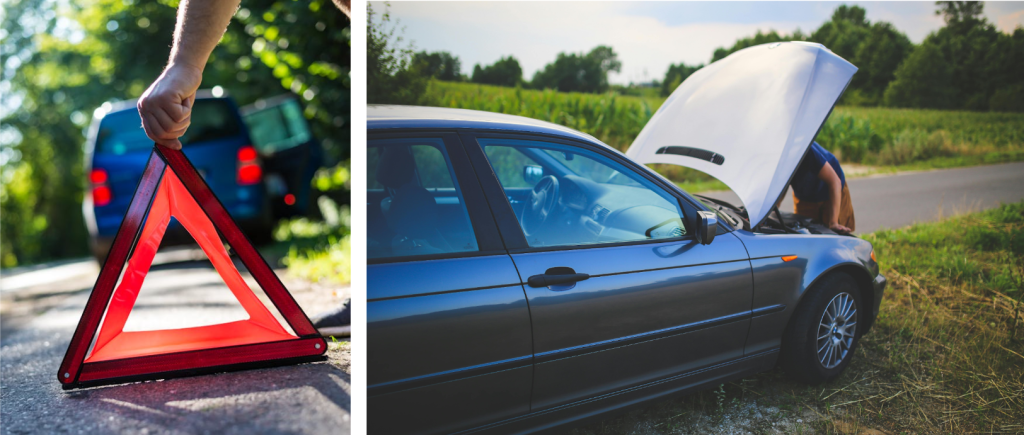
If you are stranded in Melbourne, move to a safe position where possible, switch on your hazard lights and stay clear of traffic. Then arrange a tow with a provider that can explain the likely approach, give you a clear price and treat your vehicle with the care it deserves. Onigo Towing can help get your vehicle safely to a mechanic, home or another agreed destination without adding to an already difficult day.