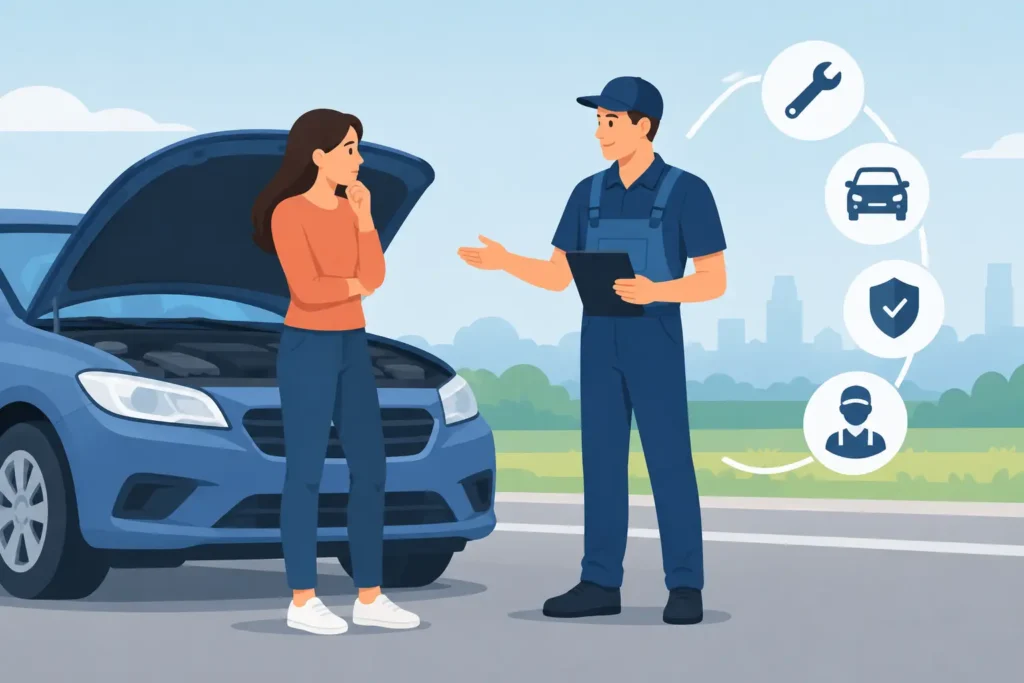
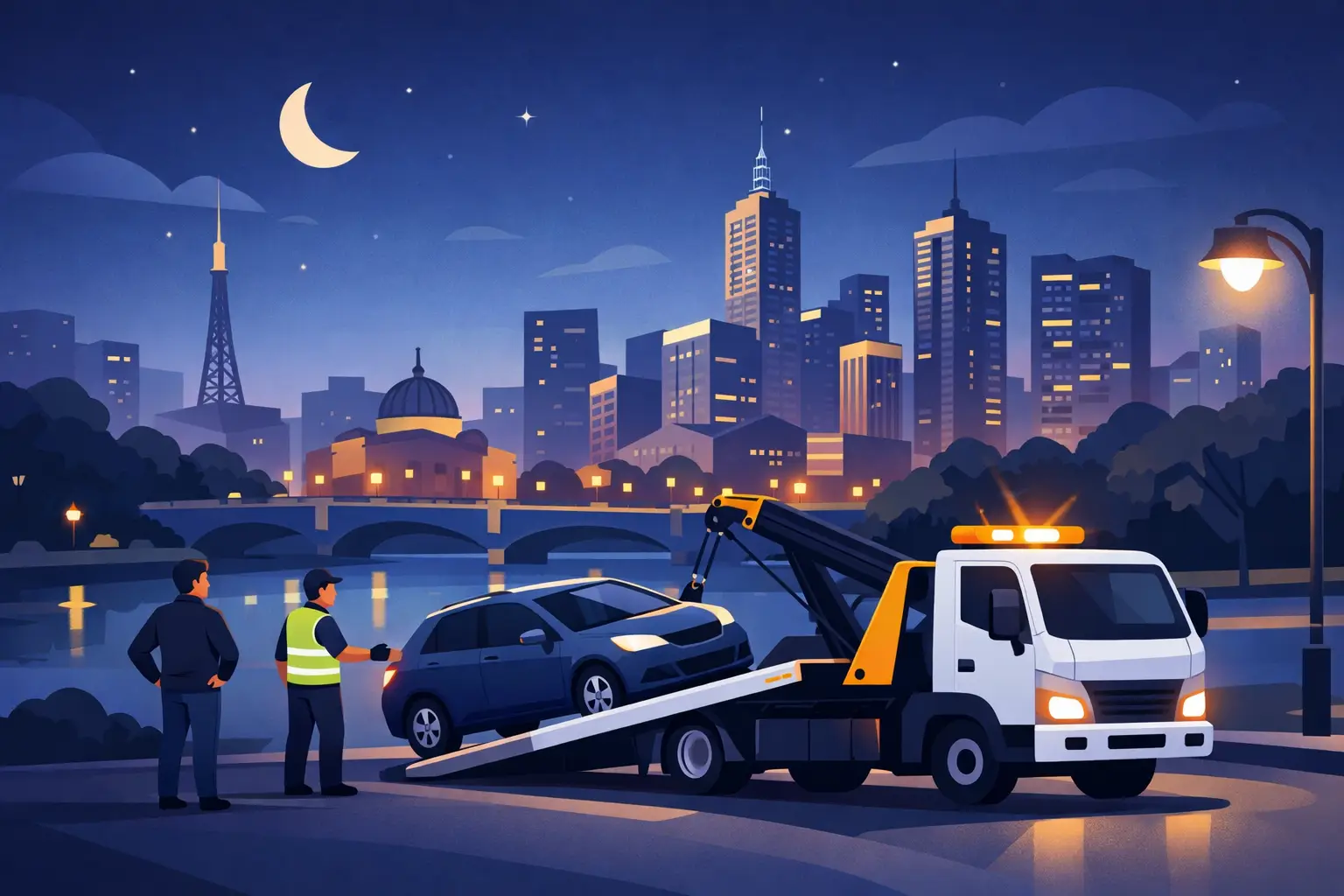
A breakdown after dark can feel far more serious than the same problem in daylight. Traffic moves quickly, visibility is lower, many workshops are closed, and a flat battery or warning light can leave you unsure what to do next. This Melbourne nighttime towing guide explains how to protect yourself, communicate clearly with a tow operator and get your vehicle moved safely without making a stressful situation worse.
First, make the roadside as safe as possible
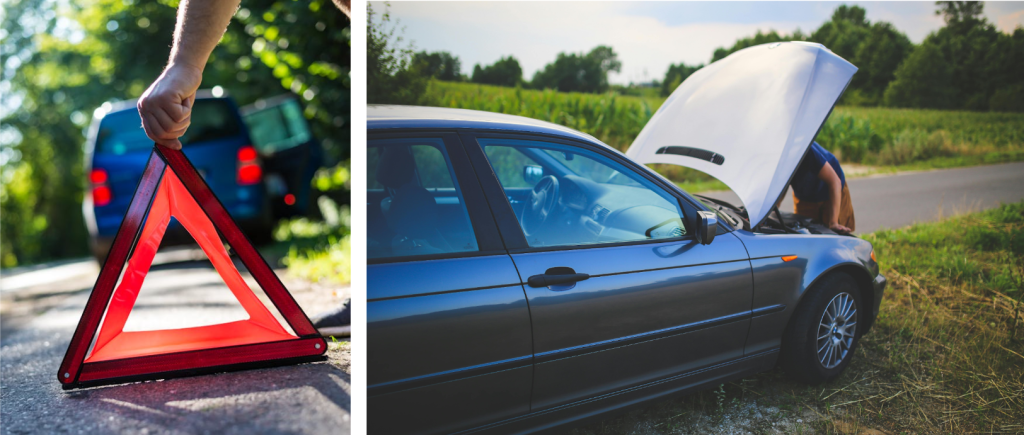
If your car is still moving, do not try to diagnose the fault while driving. Indicate early, slow down steadily and pull into the safest available location. A well-lit servo, car park, side street with room to stop, or wide emergency lane is generally better than sitting close to live traffic.
Turn on your hazard lights as soon as you are stopped. If it is safe to do so, switch on your interior light briefly while gathering your phone, keys and any essential belongings. This can make it easier for passing drivers and a tow operator to see that the vehicle is occupied, but avoid leaving lights on for long if the battery is already weak.
Where you wait depends on the location. On a quiet street or in a car park, it may be safer to remain inside with the doors locked while help is arranged. On a busy arterial road, freeway or narrow shoulder, getting out can be dangerous. Do not stand between your vehicle and traffic, walk along a live lane, or attempt repairs beside passing cars.
If there has been a collision, someone is injured, fuel is leaking, there is smoke or the vehicle is creating an immediate road hazard, call 000. Accident scenes can require police, ambulance, fire services or traffic management before towing is appropriate. Breakdown towing is different: it is for mechanical faults, electrical failures and vehicles that cannot be driven safely.
Know when not to keep driving
Many drivers try to make it home or to the nearest workshop after a warning light comes on. At night, that decision can turn a manageable fault into a more expensive repair or leave you stranded in a less safe location.
Stop and arrange a tow if the engine is overheating, oil pressure is low, the steering or brakes feel abnormal, a tyre has failed and there is no safe spare to fit, or the vehicle will not restart. The same applies if you can smell burning, see fluid pouring from underneath, hear loud mechanical knocking or have a red warning message that tells you to stop.
For EV and hybrid drivers, a low drive battery is not always the only issue. A fault message, damaged charging equipment, an underbody impact or a vehicle that will not select drive needs careful assessment and transport. Avoid improvised towing methods. EVs and hybrids may have specific loading and wheel-handling requirements, so tell the dispatcher exactly what has appeared on the dash.
A flat battery is sometimes a simple fix, but it depends on the cause and where you are parked. If a jump-start is not suitable, the battery is damaged, or the vehicle has repeatedly failed to start, towing it to home or a repairer may be the safer choice.
What to tell a nighttime towing dispatcher
A fast response starts with accurate information. At night, saying you are “near the city” is rarely enough. Check your mobile map or look for the nearest cross street, shop, station, exit number or clearly visible landmark. If you are on a freeway, confirm your direction of travel as well as the road name.
Have these details ready when you call:
- your exact location, including suburb, road, direction of travel and a nearby landmark
- the vehicle make, model, colour and registration
- what happened, such as a non-start, flat battery, overheating, tyre damage or warning light
- whether the vehicle can roll, steer, select neutral and be accessed with the keys
- your preferred destination, whether that is home, a secure workshop or another Melbourne location.
Also mention anything that affects loading. Tell the operator if it is a lowered performance car, motorcycle, long-wheelbase van, ute carrying tools, light truck, EV, hybrid or a vehicle with a locked wheel. This helps ensure the right equipment is dispatched rather than discovering a complication after the truck arrives.
A professional towing provider should give you a clear price before dispatch where the job details allow it, along with a realistic estimated arrival time. Ask what is included in the quote and whether factors such as tolls, unusual access, extra distance or after-hours storage could change the cost. Clear answers matter when you are making decisions from the roadside.
Choosing the right tow after dark
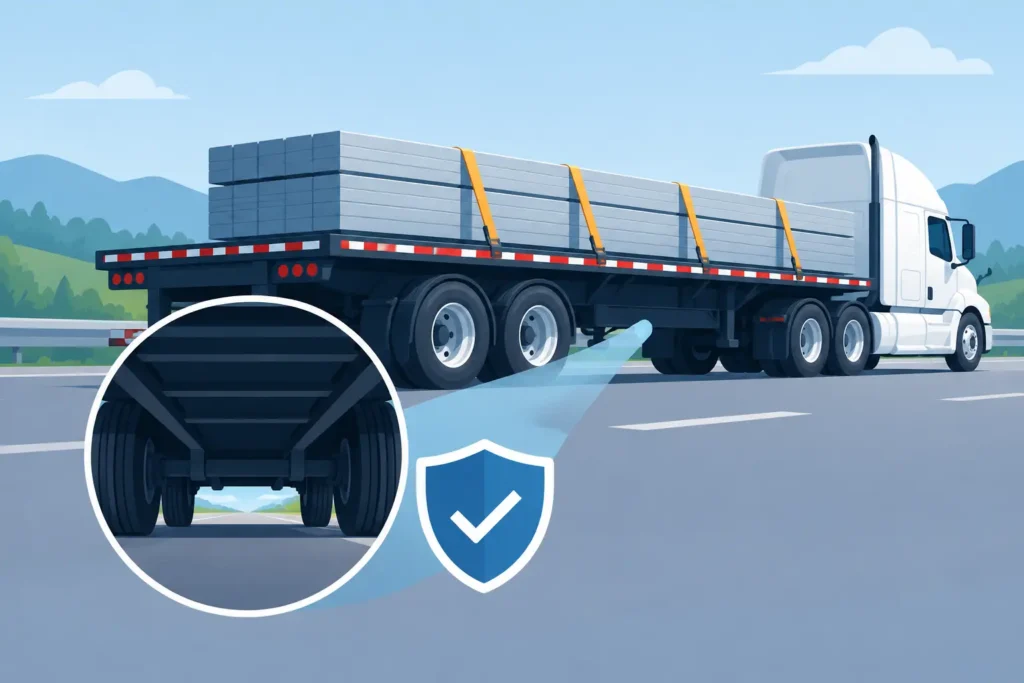
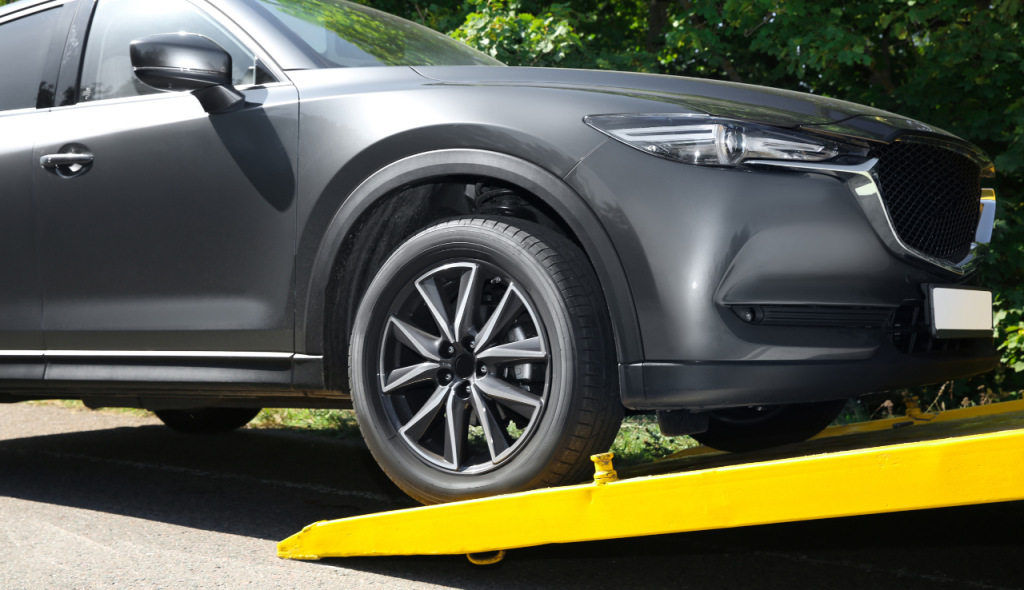
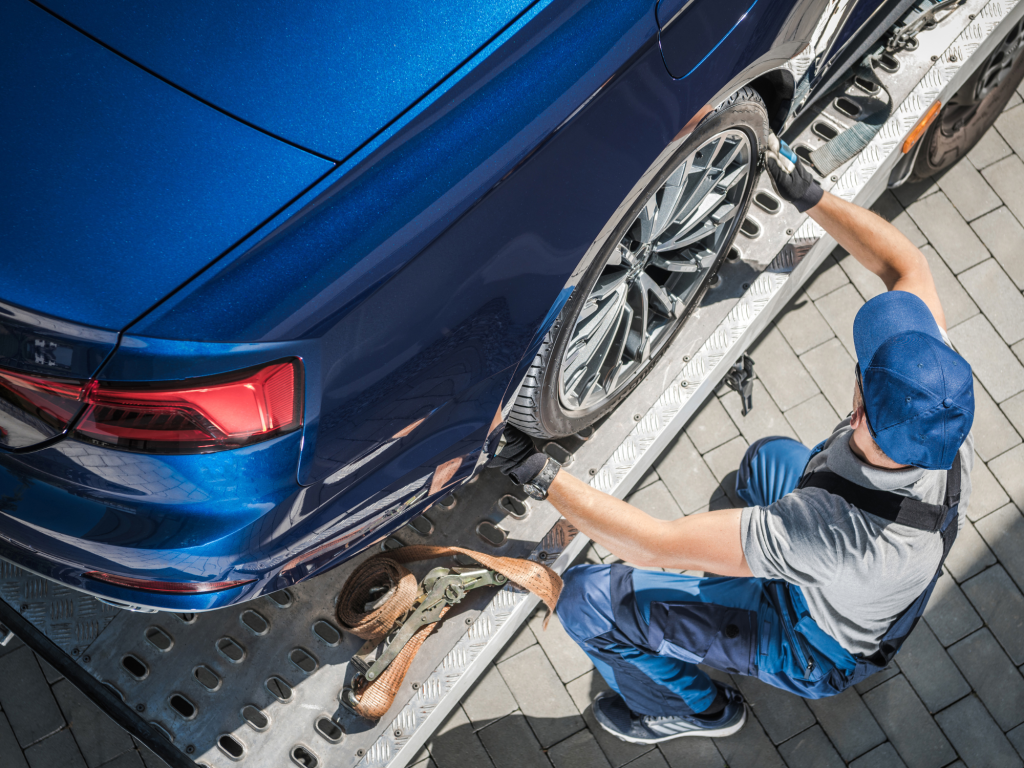
The cheapest option is not always the safest one, particularly for valuable, low-clearance or non-running vehicles. The method needs to suit the vehicle and the fault. Flatbed towing is often the preferred option for breakdowns because the entire vehicle can be loaded and secured off the road, rather than being pulled with driven wheels on the ground.
For motorcycles, proper securing points and handling matter just as much as speed. A bike should be stabilised and tied down carefully to reduce the risk of cosmetic damage or movement during transport. For EVs, hybrids and all-wheel-drive vehicles, the operator should understand the manufacturer requirements before moving the vehicle.
It is also worth considering the destination. A workshop may be the right choice if you know it can accept the vehicle or has an after-hours key-drop arrangement. If it is closed and you are uncertain, home or another secure location can be more practical. The best option depends on the fault, the time, your insurance arrangements and whether the vehicle needs urgent diagnosis the next morning.
Onigo Towing focuses on breakdown towing across Greater Melbourne, using modern flatbed equipment for cars, motorcycles, vans, light trucks, EVs, hybrids and specialty vehicles. The aim is straightforward: provide a clear ETA, explain the price before dispatch and move the vehicle carefully to the destination you choose.
While you wait for the truck
Keep your mobile charged where possible and stay alert to your surroundings. If you feel unsafe, move to a brighter, more populated place only if you can do so without entering traffic or leaving the vehicle exposed. Let a friend or family member know where you are, especially if you are waiting alone.
Do not accept help from an unsolicited tow truck simply because it arrives first. Confirm the company name, vehicle details and driver identity against the service you booked. This is particularly useful in busy areas, outside entertainment precincts and on major roads where multiple operators may be working nearby.
Before loading begins, remove valuables, work equipment, wallets, house keys and medication from the vehicle. Take a few quick photos of the exterior if you can do so safely. Make sure the driver has the correct destination, your best contact number and any access instructions for a workshop, apartment building or gated property.
If you need to travel with the tow operator, ask first. Passenger arrangements depend on the truck, available seating, safety requirements and the job. If you cannot travel in the truck, organise a rideshare, taxi, friend or family member rather than assuming there will be room.
Melbourne nighttime towing guide: avoid common delays
Night jobs can take longer when vehicle location or access is unclear. A car in an underground car park, a locked shopping-centre boom gate, a tight apartment driveway or a freeway shoulder may need a different approach. Tell the dispatcher about height restrictions, steep driveways, security staff, parking levels and whether the vehicle is boxed in.
It also helps to be ready when the truck arrives. Keep your keys accessible, confirm whether the vehicle is in park or neutral, and explain any fault that affects steering, brakes, suspension or electronic locking. Do not attempt to direct loading from an unsafe position. The driver will manage the loading area and let you know where to stand.
If you are carrying tools, stock or personal items in a van or ute, secure loose items before transport where practical. A tow truck can move the vehicle safely, but unsecured cargo may still shift during normal travel. For specialty vehicles, advise of low splitters, modified suspension, unusual wheel sizes or a non-standard start procedure before the truck is dispatched.
A calmer next step after a breakdown
You do not need to solve the mechanical problem on the roadside at midnight. Your job is to get yourself out of danger, provide an accurate location and choose a towing service that communicates clearly about timing, price and vehicle handling. Once the vehicle is secure at home or with a repairer, you can deal with the repair in daylight with far less pressure.