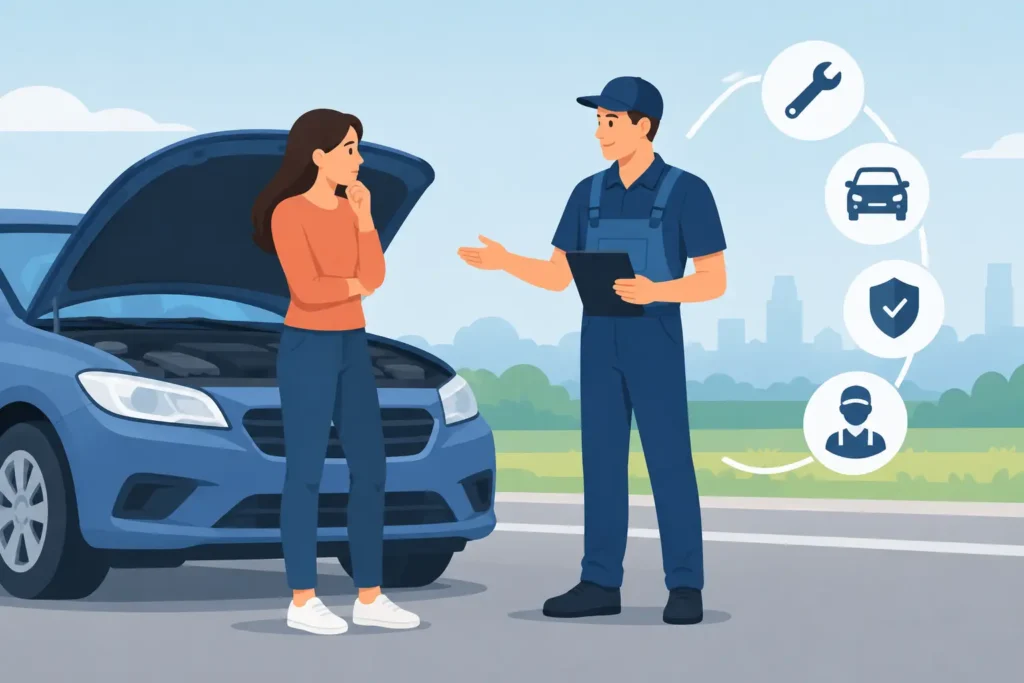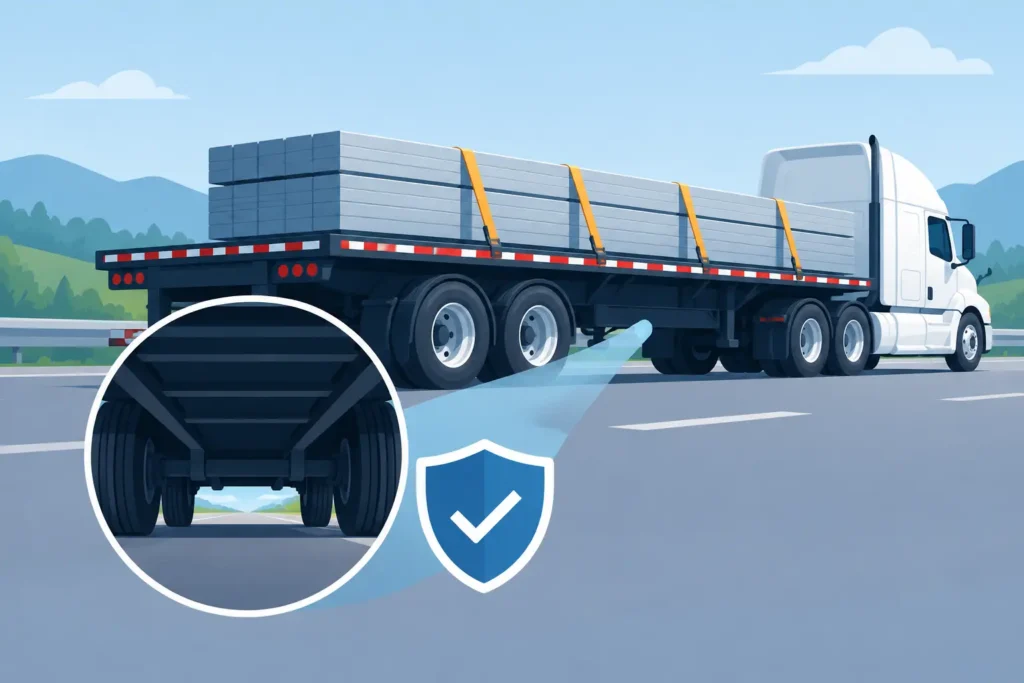
When your car will not start and you are stuck in a car park, driveway or on the side of the road, knowing how to tow non running car safely can save time, money and a lot of stress. The hard part is that a vehicle that will not run often has other issues too – no brakes, locked steering, no power, transmission risk, or low ground clearance – so the towing method matters just as much as the tow itself.
How to tow non running car without causing damage
The safest answer is usually simple: use a flatbed. A non-running vehicle cannot always be rolled, steered or braked properly, and that makes quick DIY towing far riskier than many drivers expect. If the car has an unknown mechanical fault, a flatbed keeps all four wheels off the road and avoids adding transmission, tyre or suspension damage on top of the original breakdown.
That does not mean every non-start situation is identical. A car with a dead battery in your driveway is very different from a car with locked brakes on a busy Melbourne roadside. Before anyone hooks up a strap or tries to push the vehicle, stop and check whether the car can actually be moved safely.
Start with the basics
First, confirm the vehicle can roll. If the handbrake is stuck, the transmission will not shift into neutral, or an electronic park brake will not release, dragging the car can damage tyres and driveline components very quickly. On newer vehicles, especially EVs and hybrids, forcing movement the wrong way can create expensive problems.
Next, check steering. If the steering lock is engaged or the front wheels cannot turn freely, tow-behind methods are off the table. The vehicle needs controlled loading, not a rope and guesswork.
Then look at the surroundings. A narrow basement, a steep driveway, heavy traffic, or a vehicle parked nose-in against a wall all change the job. Safe towing is not only about the car itself. Access matters just as much.
When you should not tow it yourself
There are situations where DIY towing is simply not worth the risk. If the car has failed in traffic, if visibility is poor, if the brakes feel unreliable, or if you are unsure whether the vehicle can be placed in neutral, it is better to arrange professional help.
The same applies to prestige cars, lowered cars, motorcycles, vans carrying tools, and EVs. These vehicles often need specific loading angles, tie-down points and equipment. A rushed tow can turn a breakdown into body damage, underbody scraping, wheel damage or a warranty headache.
There is also the legal side. In Victoria, towing on public roads needs to be done safely and in line with road rules. Even if a short rope tow seems possible, it may not be the safest or most practical option once traffic, braking distance and communication between drivers are factored in.
The hidden risks with rope or strap towing
A tow strap can look like the cheap answer, but it gives you very little margin for error. The front vehicle must accelerate gently, the rear vehicle must brake in sync, and both drivers need to know exactly what they are doing. If the disabled car has no power assistance, the steering will feel heavier and the brake pedal may be much harder than normal.
That catches people out. They assume the car can still be steered and stopped like usual, then realise halfway through the tow that it cannot. In a quiet private space over a very short distance, experienced operators may move a vehicle this way. On public roads, it is rarely the best option.
The safest towing methods for a non-running vehicle
For most breakdowns, there are three practical methods: flatbed towing, wheel-lift towing in limited situations, and recovery winching onto a tray. Which one is right depends on the fault, the vehicle type and where it is positioned.
Flatbed towing
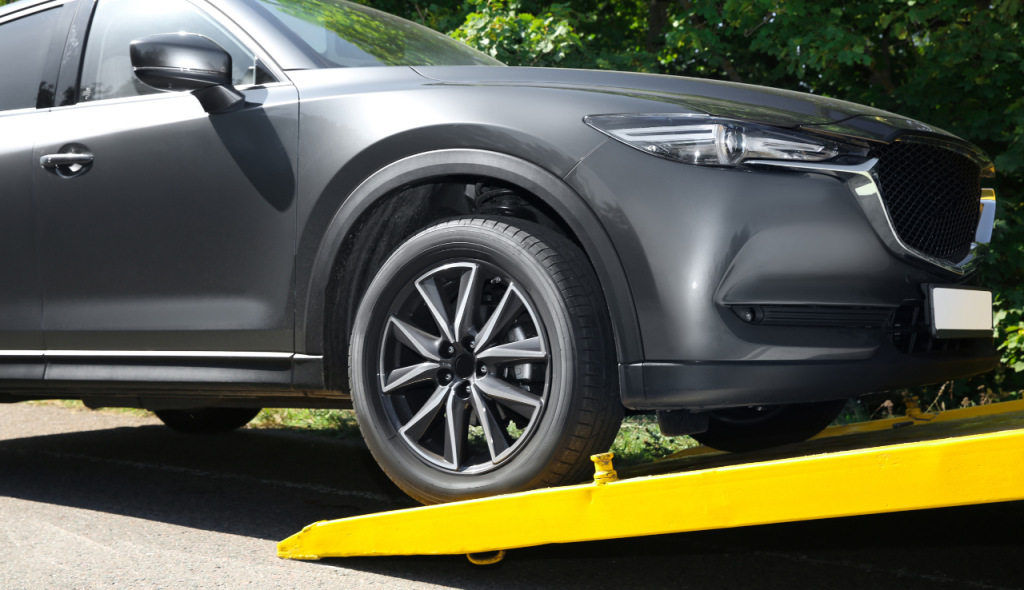
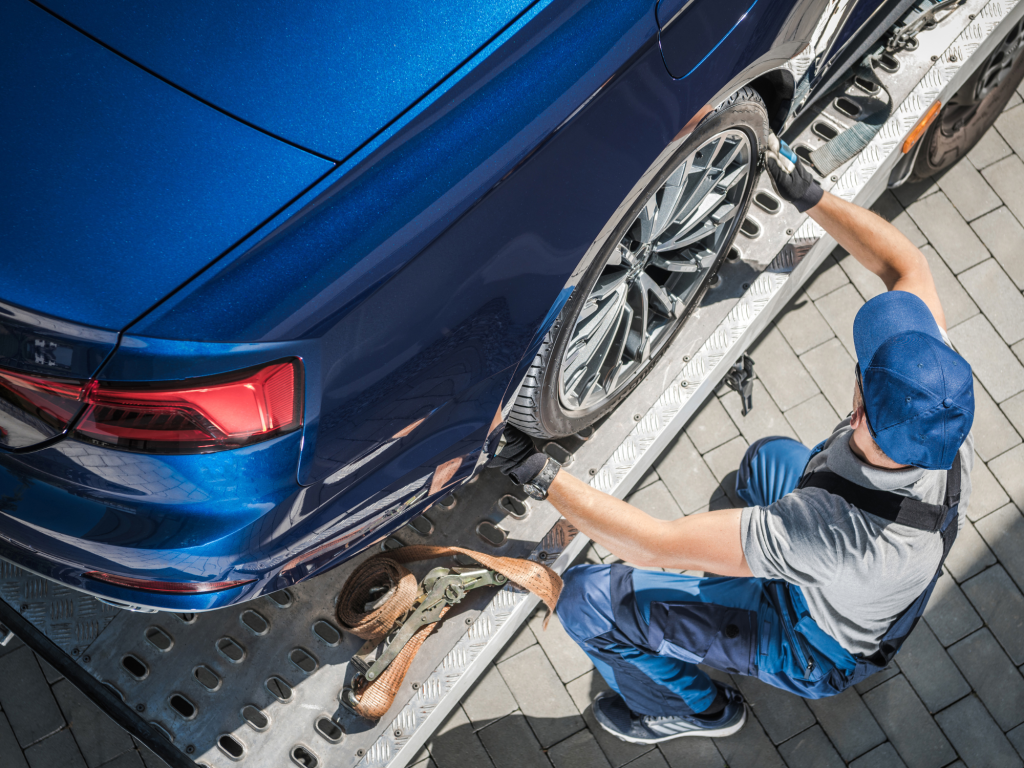
Flatbed towing is generally the safest method for a non-running car. The vehicle is winched onto a tray and secured with the correct tie-downs, keeping it stable during transport. This is usually the preferred option for mechanical failures, dead batteries, transmission faults, EVs, all-wheel drives and specialty vehicles.
It also reduces wear. None of the car’s wheels stay on the road, so there is less risk of tyre scrub, gearbox damage or extra strain on already-failed components.
Wheel-lift towing
Wheel-lift towing can work in some breakdown situations, but it is more dependent on vehicle design and fault type. It may suit certain short relocations or access constraints, but it is not ideal for every non-runner. Cars with all-wheel drive systems, transmission concerns, body kits or low clearance often need a tray instead.
Winching and controlled loading
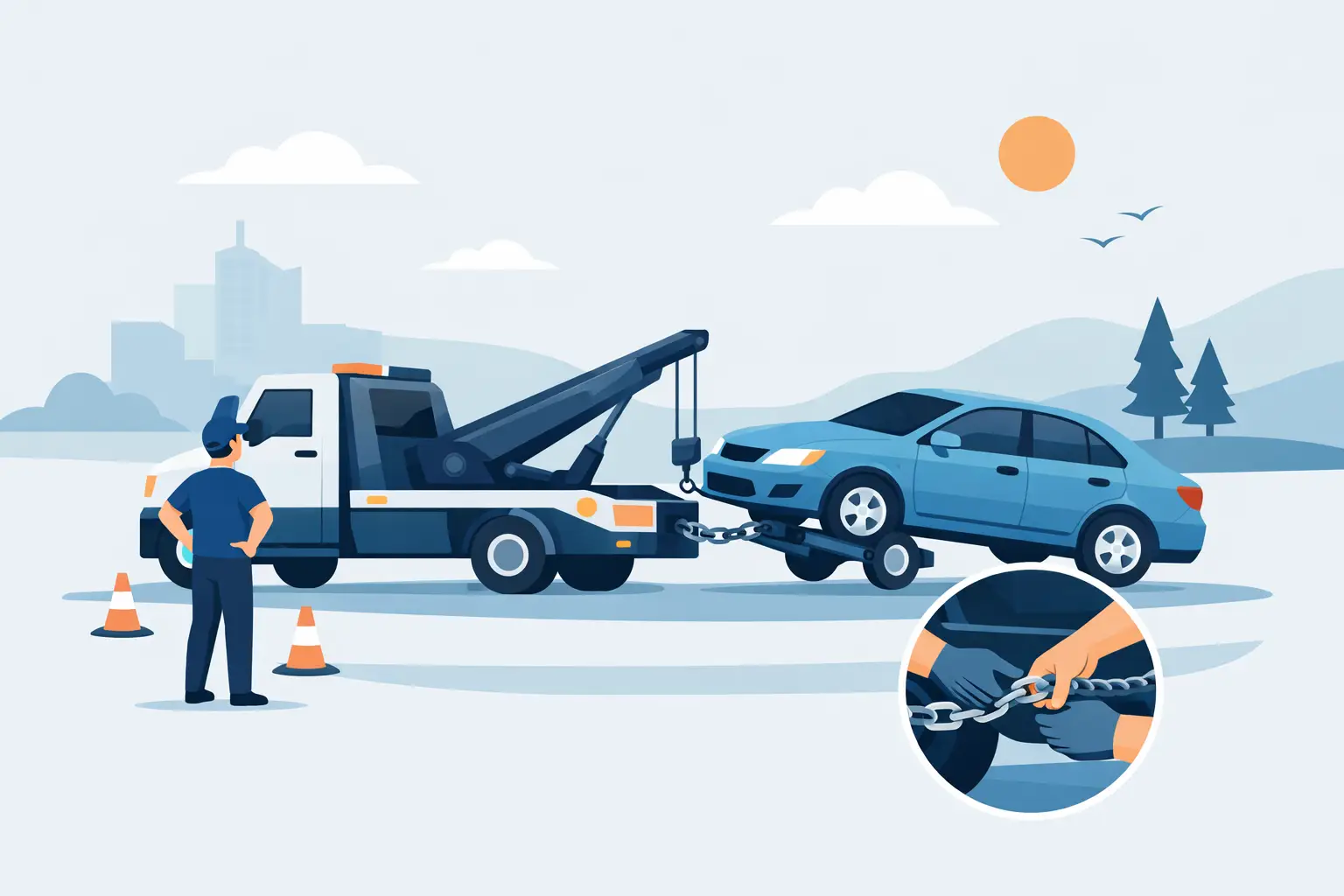
If the car cannot drive under its own power, controlled winching is often part of the job. This is where equipment and experience matter. A vehicle with no engine power may still need careful alignment, skates under locked wheels, or extra protection for low front bars and side skirts.
That is why breakdown towing specialists focus so heavily on loading technique. Moving the car is only half the job. Moving it without causing fresh damage is the real goal.
What to do before the tow truck arrives
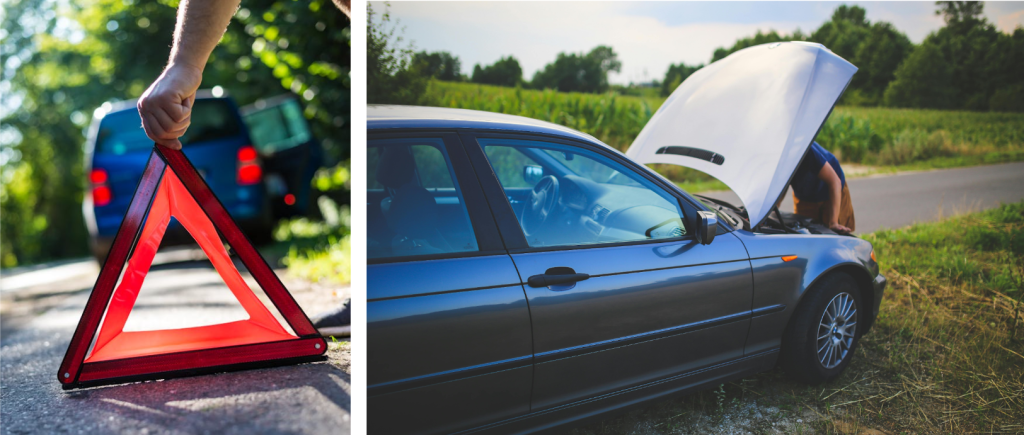
If you are waiting for assistance, a few simple steps can make the tow safer and faster. Put the vehicle in the safest location available. If you are roadside and it is safe to do so, move yourself and any passengers away from traffic. Turn on hazard lights if they still work.
Keep your mobile handy and be ready to explain the issue clearly. Tell the towing operator whether the car is completely dead, whether it rolls, whether the steering is locked, and whether it is in a car park, basement, driveway or on the street. Mention if it is an EV, hybrid, lowered car, motorcycle, van, ute or performance vehicle. Those details affect the equipment sent out.
If you know where you want the vehicle taken, have that ready too. It could be your mechanic, your home, a dealership or a workshop across town. Clear destination details help avoid delays and give you an upfront price before dispatch.
If the car is in neutral, leave it that way only if safe
Drivers often ask whether they should put the car in neutral before the truck arrives. The answer depends on the fault and the location. If the car is secure and you know it can be safely left in neutral with the handbrake managed properly, that may assist loading. If you are unsure, leave it alone and wait for instructions. Guessing with a disabled vehicle can create a rollaway risk.
Why modern cars make towing more complicated
Older cars were often simpler to move. Newer vehicles are packed with electronics, electronic handbrakes, push-button start systems, parking locks and manufacturer-specific towing requirements. EVs and hybrids add another layer because improper towing can damage the drive system.
That is why the old idea of just hooking up a rope and pulling slowly is less practical than it used to be. On modern vehicles, the safest approach is usually the one that removes the most uncertainty. In many cases, that means a flatbed and an operator who handles breakdowns all day, not just general towing.
For Melbourne drivers, that matters most when the breakdown happens at the worst possible time – late at night, in peak traffic, before school pickup, or when your work van is full of gear and off the road. In those moments, speed matters, but careful handling matters just as much.
How to choose the right help
If you need a tow for a non-running car, ask practical questions. How soon can they get there? What type of truck are they sending? Have they handled dead vehicles, EVs or low-clearance cars before? Will they give you the price before dispatch?
A reliable breakdown towing service should be able to answer those questions clearly. You should not have to chase basic information while stranded. Fast response, proper equipment and straight communication are what turn a stressful breakdown into a manageable one.
Onigo Towing focuses on exactly that kind of work – non-starts, mechanical failures and safe transport for vehicles that cannot move under their own power. For drivers, the benefit is simple: less uncertainty, less waiting around, and less chance of avoidable damage during loading and transport.
If your car will not start, the safest move is usually not to ask how far it can be dragged. It is to ask how it can be loaded properly, secured correctly and taken where it needs to go without making a bad day worse.