A flat battery, warning light or sudden loss of power can leave any driver stranded. But EV towing versus petrol towing is not simply a matter of hooking up a different vehicle. The safest method depends on the drivetrain, the condition of the vehicle, its weight and whether there is any risk of battery damage. Getting those details right protects your car and avoids turning a breakdown into a more expensive repair.
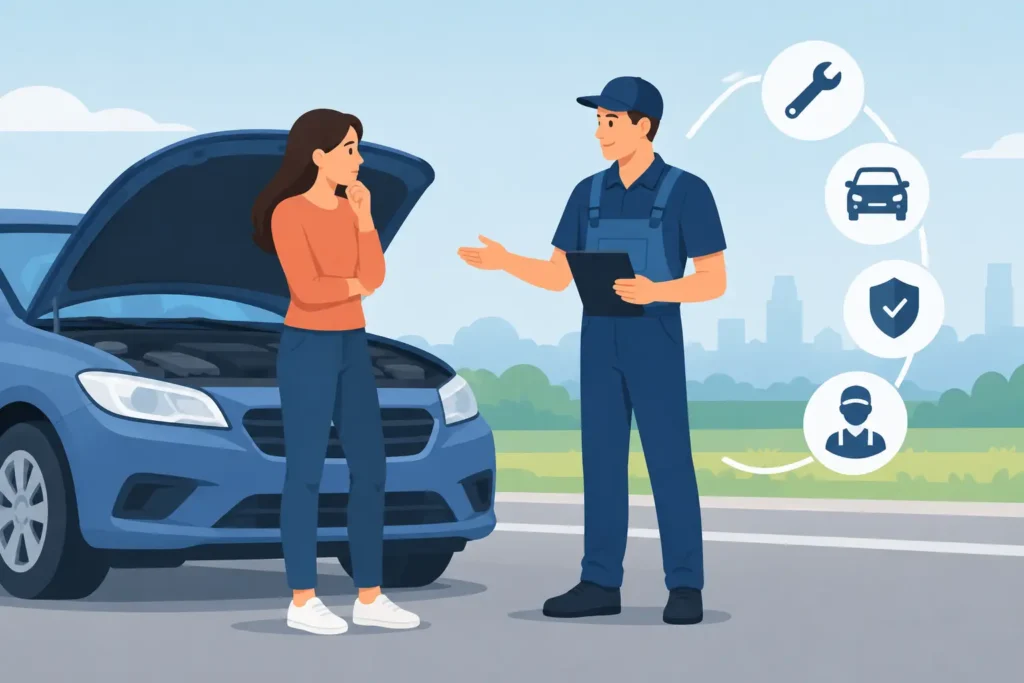
For Melbourne drivers, the practical point is simple: tell the towing provider exactly what you drive, what happened and where it is stopped. A specialist can then send suitable equipment, give you a clear price and arrange safe transport to your preferred mechanic, dealer or home.
Why EVs need a different towing approach
Most petrol vehicles can be moved short distances with their driven wheels lifted clear of the road. That does not mean every petrol car should be towed that way, but it can be an option depending on the vehicle and fault.
Electric vehicles are different. Their electric motors are connected to the wheels and can generate electricity when the wheels turn. If an EV is dragged with its drive wheels on the road while switched off, that generated power may not be managed as the vehicle expects. The result can be damage to the motor, inverter or other high-voltage components.
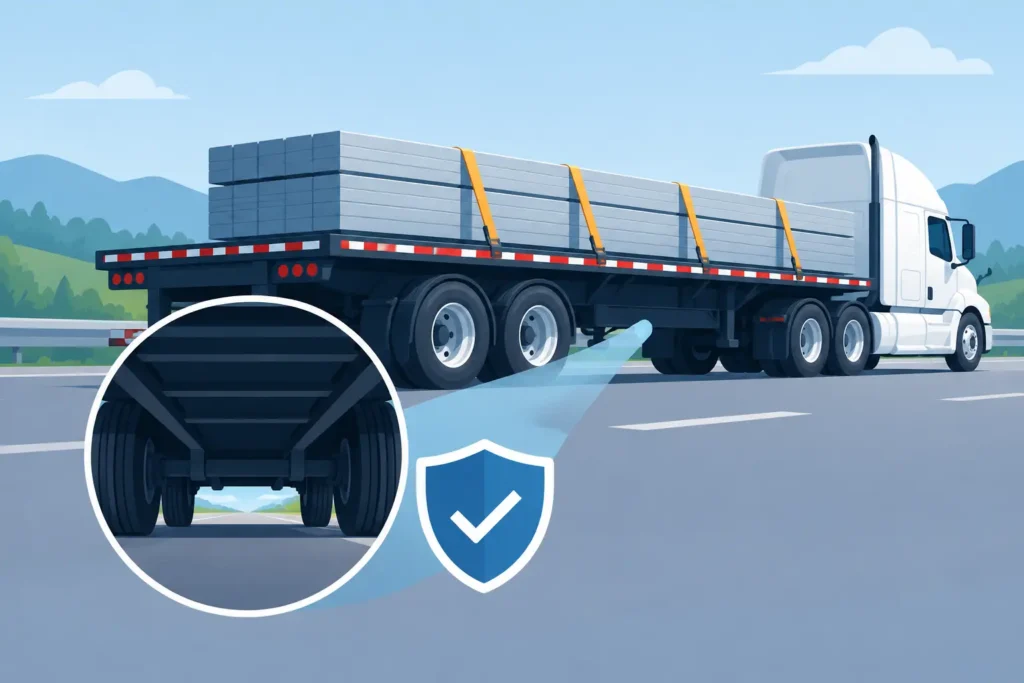
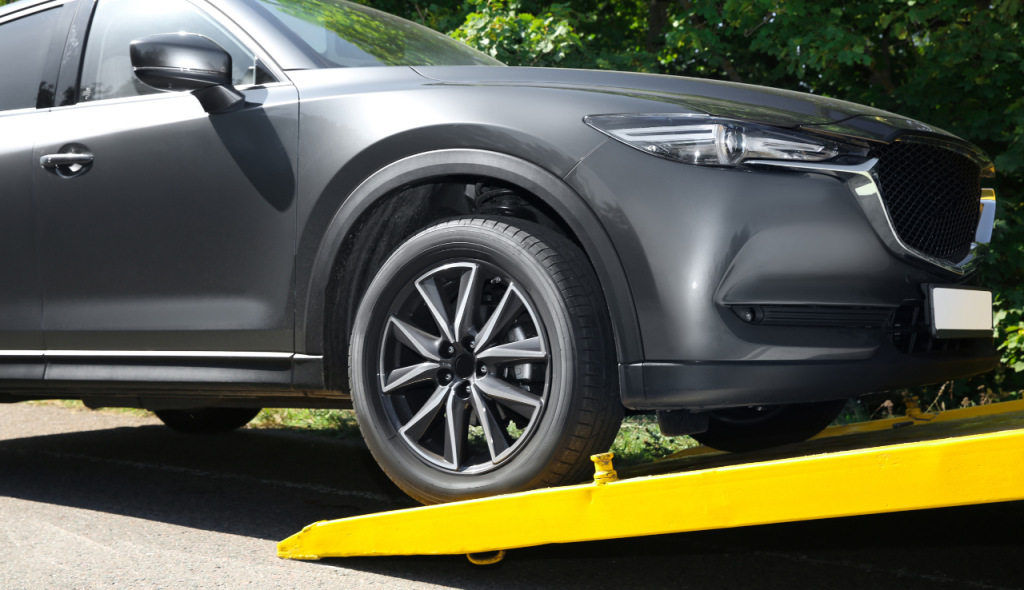
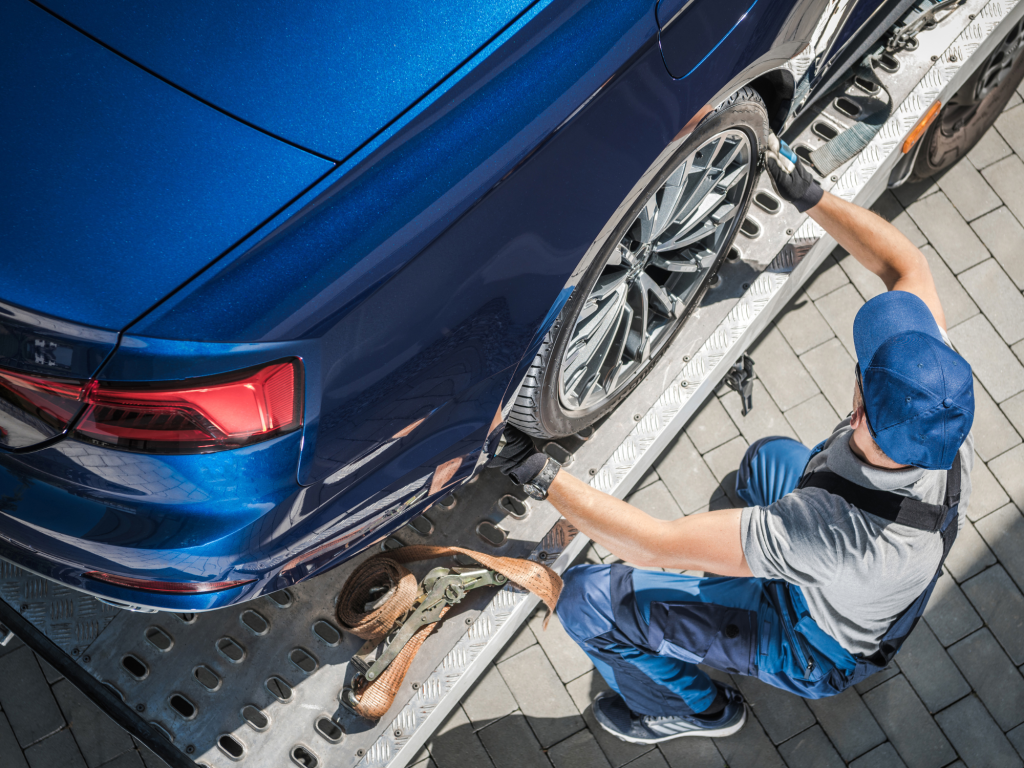
For this reason, many EV manufacturers specify flatbed transport. All four wheels remain off the road, the vehicle is loaded carefully and it stays secured for the journey. It is generally the safest option for modern EVs and hybrids too, particularly when the vehicle cannot be placed in the correct transport mode.
A flatbed is also a sensible choice for low-clearance cars, performance vehicles and cars with unknown mechanical faults. It reduces the risk of contact with the road and keeps the vehicle stable from collection through to delivery.
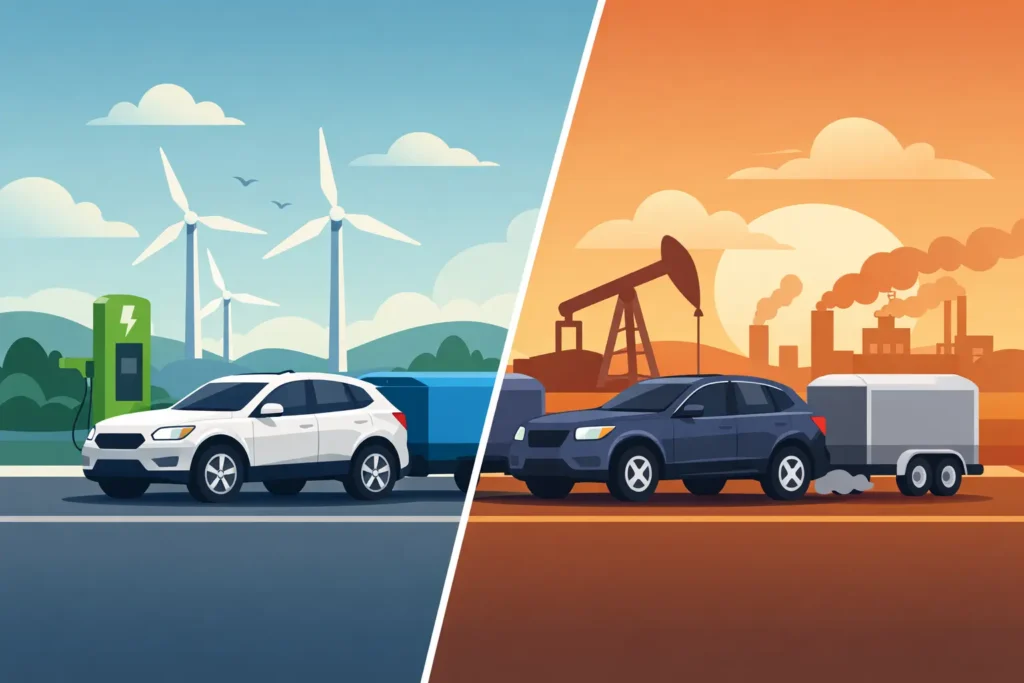
EV towing versus petrol towing: the key differences
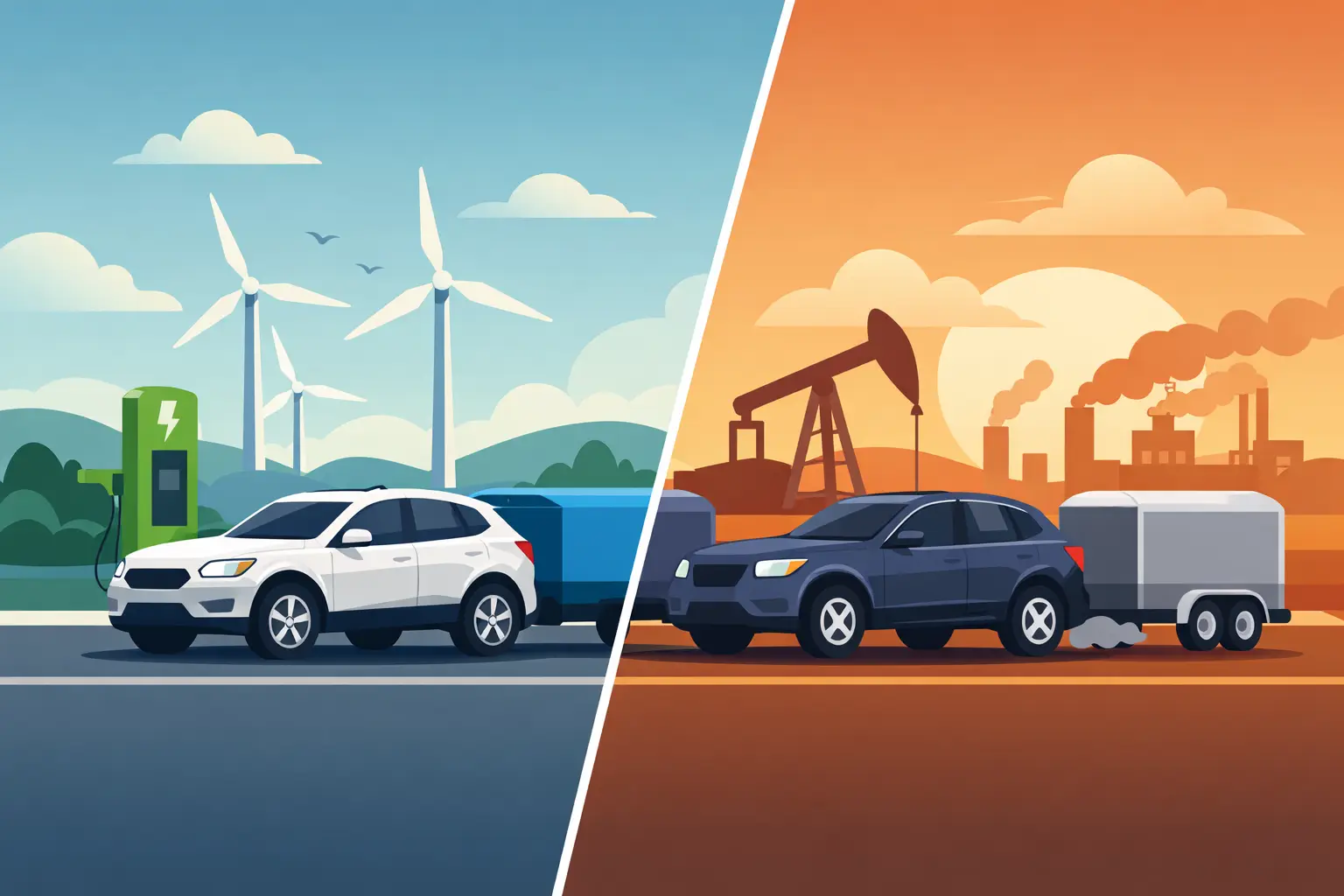
The main difference is not that one type of vehicle is harder to tow every time. It is that EVs bring more vehicle-specific rules and safety checks. A reliable operator will assess the situation before loading rather than assume a standard method will suit every breakdown.
Weight and loading capacity
EVs are often heavier than comparable petrol cars because the traction battery adds significant weight. Some popular electric SUVs weigh well over two tonnes before passengers or luggage are considered. That changes the equipment required, the payload calculation and how the vehicle is positioned on the tray.
A tow truck needs adequate rated capacity for the vehicle, with the load distributed correctly. The driver also needs to account for the vehicle’s low centre of gravity and, in some models, limited tie-down points. This is not a job for improvised straps or an undersized trailer.
Petrol cars vary widely in weight as well, especially large SUVs, vans and utes. Still, a towing provider should know the make, model and approximate condition of any vehicle before dispatching. The right truck is about safe handling, not just whether the car can physically fit.
Neutral, transport mode and electronic parking brakes
With a petrol vehicle, shifting into neutral is usually straightforward when there is enough electrical power. An automatic transmission may have a manual release procedure if the battery is flat, while a manual car can normally be selected into neutral directly.
An EV may need a specific tow or transport mode before it can be moved. Some models require enough 12-volt power to release the electronic parking brake, select neutral or unlock the charging port. Others have instructions that limit how far the vehicle can roll, even in neutral.
If the vehicle will not power up, a trained towing operator should follow the manufacturer’s recovery guidance where available. Trying to force it out of Park, dragging locked wheels or using the wrong recovery point can cause avoidable damage. The safest answer may be to load it with wheel dollies or other suitable equipment before placing it on a flatbed.
The fault itself matters
A dead 12-volt battery in an EV is not the same as a depleted high-voltage battery. The 12-volt system runs many of the vehicle’s basic electronics, including locks, screens, relays and braking controls. When it fails, the car can appear completely unresponsive even if its main battery still has charge.
If the high-voltage battery is depleted, the vehicle may simply need charging. However, not every roadside location is suitable or safe for charging, and a tow to a charger, home or service centre may be the practical option.
Petrol vehicles have their own common breakdown patterns: a flat starter battery, fuel issue, overheating, failed alternator, transmission problem or engine fault. In either case, the towing plan should reflect the actual problem. A vehicle that has overheated, has leaking fluids or has suffered underbody damage needs more care than one with a simple no-start fault.
High-voltage battery damage changes the response
Most EV breakdowns do not involve a damaged traction battery. A flat tyre, a failed 12-volt battery or an electronic fault can be handled with normal breakdown precautions and appropriate flatbed transport.
The situation changes if the underside of the vehicle has struck an object, the battery case looks damaged, there is smoke, unusual heat, hissing, a chemical smell or a warning of serious battery malfunction. Keep people clear of the vehicle, do not attempt to charge it and contact emergency services if there is an immediate safety risk.
A towing provider needs that information before arrival. Damaged EVs may require additional isolation, a specific loading plan and delivery to a location equipped to assess them. Honesty about what happened helps protect the driver, the tow operator and everyone else on the road.
What to tell your towing provider
Clear information speeds up dispatch and helps ensure the correct truck arrives first time. When you request a quote and ETA, have the vehicle’s make, model, year and location ready. For an EV or hybrid, say whether the car can be put into neutral or transport mode, whether the wheels are locked and whether it has struck anything underneath.
It also helps to explain the fault in plain terms. For example, tell the operator whether the car has a flat 12-volt battery, shows a high-voltage warning, has no charge, will not select Drive, has a puncture or has stopped after overheating. Mention if it is parked in a low-clearance car park, a narrow street, a busy shoulder or behind a locked gate.
If you are unsure, do not guess. Describe the warning messages you can see and the events leading up to the breakdown. A good operator will ask practical questions and explain the likely loading method before dispatch.
What drivers should do while waiting
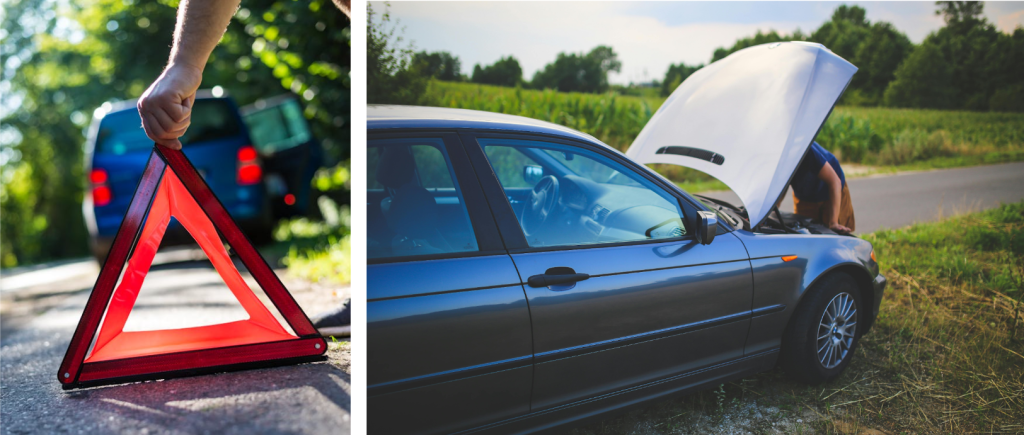
First, make the roadside situation safe. Move away from traffic if the vehicle can be moved without risk. Turn on hazard lights, keep occupants behind a barrier or well away from passing vehicles where possible, and avoid standing on the traffic side of the car. On a freeway or high-speed road, distance from traffic matters more than trying to inspect the fault yourself.
Do not crawl under the vehicle, tamper with orange high-voltage cables or try to drag an EV with another vehicle. Avoid repeated attempts to restart a car that displays severe electrical warnings, smoke or burning smells. If the vehicle is safe and accessible, have the key or key card ready, remove valuables and let the towing operator know about any special access issues.
For petrol and diesel vehicles, avoid opening a hot radiator cap or handling fuel leaks. A breakdown tow is often the quickest way to get the vehicle off the roadside and into the hands of a mechanic who can diagnose the cause properly.
Choosing a suitable tow for a modern vehicle
The lowest quote is not always the lowest-cost outcome if the wrong equipment damages a drivetrain, bumper, undertray or wheel. Ask whether the provider can transport EVs and hybrids, whether a flatbed is available, and whether the quoted price covers the intended destination. You should know the price and the expected arrival time before the truck is sent.
Careful loading also matters for petrol cars, vans, motorcycles and specialty vehicles. Correct recovery points, appropriate tie-downs and a controlled winch process protect the vehicle during loading and transport. For a non-running car, professional handling is particularly valuable because the driver cannot simply reposition it if something does not look right.
Onigo Towing focuses on breakdown transport across Greater Melbourne, using modern flatbed equipment for vehicles that need careful handling. Whether your car runs on petrol, electricity or both, the aim is the same: get it safely off the roadside and delivered where it needs to go without adding stress to an already difficult day.
When your vehicle stops, the safest towing method is the one matched to its design and its fault. Give clear details, keep yourself out of danger and choose a provider that treats careful transport as part of the repair process, not an afterthought.