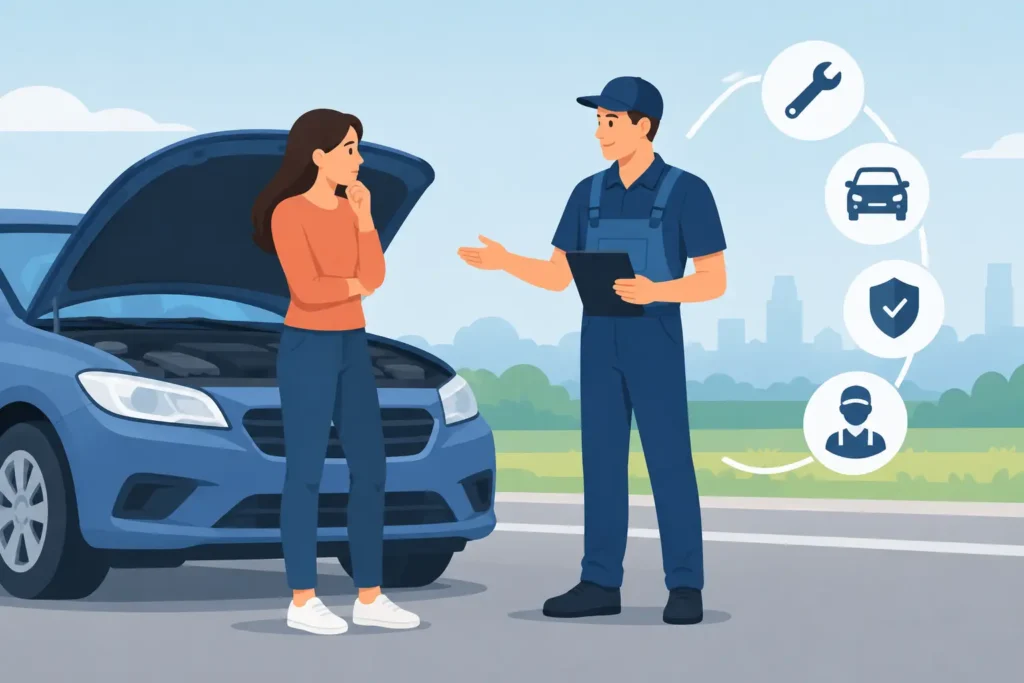
A car that will not start in a shopping centre car park is frustrating. A van that loses power on the Monash during a work run can feel far more urgent. Knowing how breakdown towing works gives you a clearer idea of what happens next, what information matters, and how your vehicle gets from the roadside to a safe destination without unnecessary risk.
Breakdown towing is for mechanical or electrical failures – not collision recovery. That can include a flat battery that cannot be jump-started, overheating, a transmission problem, a puncture without a usable spare, engine warning lights, a fuel issue, or an EV that has run out of charge. The goal is simple: keep you safe, protect the vehicle and move it carefully to a mechanic, home or another agreed location.
First, make the roadside situation safe
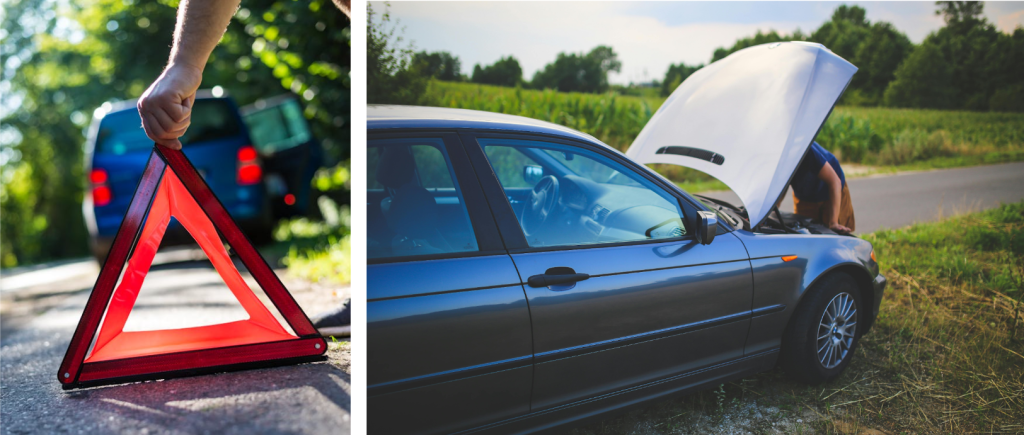
Before a tow truck is dispatched, your immediate priority is getting out of danger where possible. If the vehicle can be moved safely, pull over well clear of moving traffic, apply the handbrake and turn on your hazard lights. On a busy Melbourne road, do not stand between your vehicle and traffic or attempt roadside repairs if conditions are unsafe.
If you are stopped in a live lane, on a freeway, around a blind corner or somewhere else exposed, tell the towing provider straight away. Your location affects the safest approach, the equipment required and whether traffic management or emergency services may need to be involved.
Use a clear landmark as well as your suburb or road name. Details such as the nearest cross street, exit number, service station, railway station or large business can save time when a driver is trying to find you. A dropped pin from your mobile is useful too, particularly in industrial areas, on outer suburban roads or along freeways.
What happens when you request a breakdown tow
The first call is not just about sending the nearest truck. A specialist operator should confirm the basics: your location, vehicle type, the fault you are experiencing, whether the car is safely parked, and where it needs to go. They will also ask whether the vehicle can roll, steer and select neutral.
Those questions help determine the right method of transport. A car with a failed engine may roll normally and be straightforward to load. A vehicle with a locked transmission, damaged suspension or electronic parking brake needs a different plan. Giving accurate information before dispatch helps avoid delays and prevents anyone from trying to move the vehicle in a way that could cause further damage.
You should receive a clear price before the tow is sent wherever the job details allow it. Ask what is included, whether the quoted distance covers the destination, and whether there are access issues that could change the job. A straightforward answer is particularly valuable when you are stranded and trying to make decisions quickly.
How breakdown towing works at the vehicle
When the tow operator arrives, they should assess the vehicle before loading it. This includes checking where it is parked, how much room is available, whether the wheels move freely, and whether there are low-clearance parts, leaks or existing damage to be aware of.
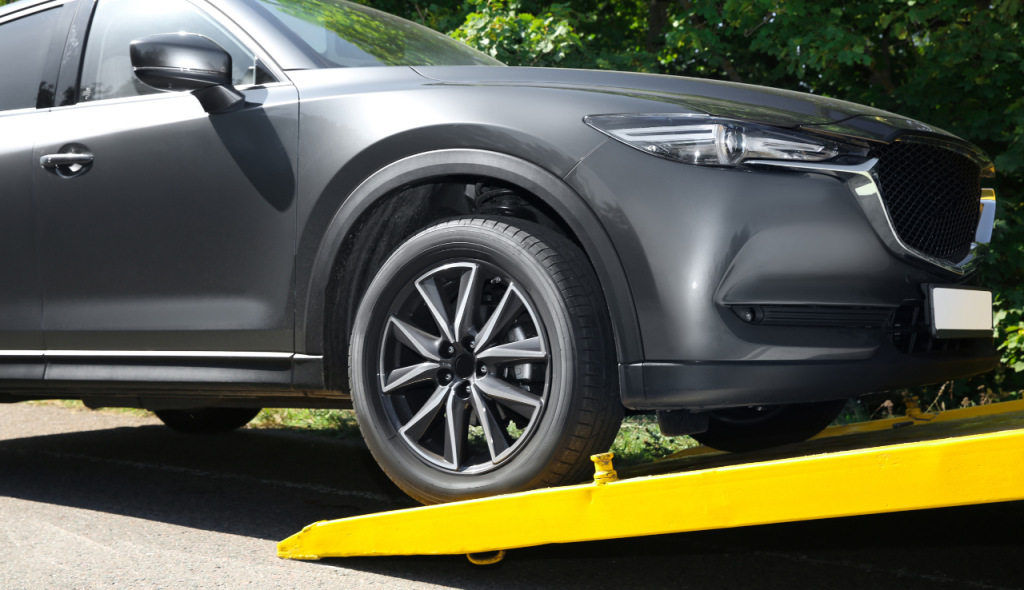
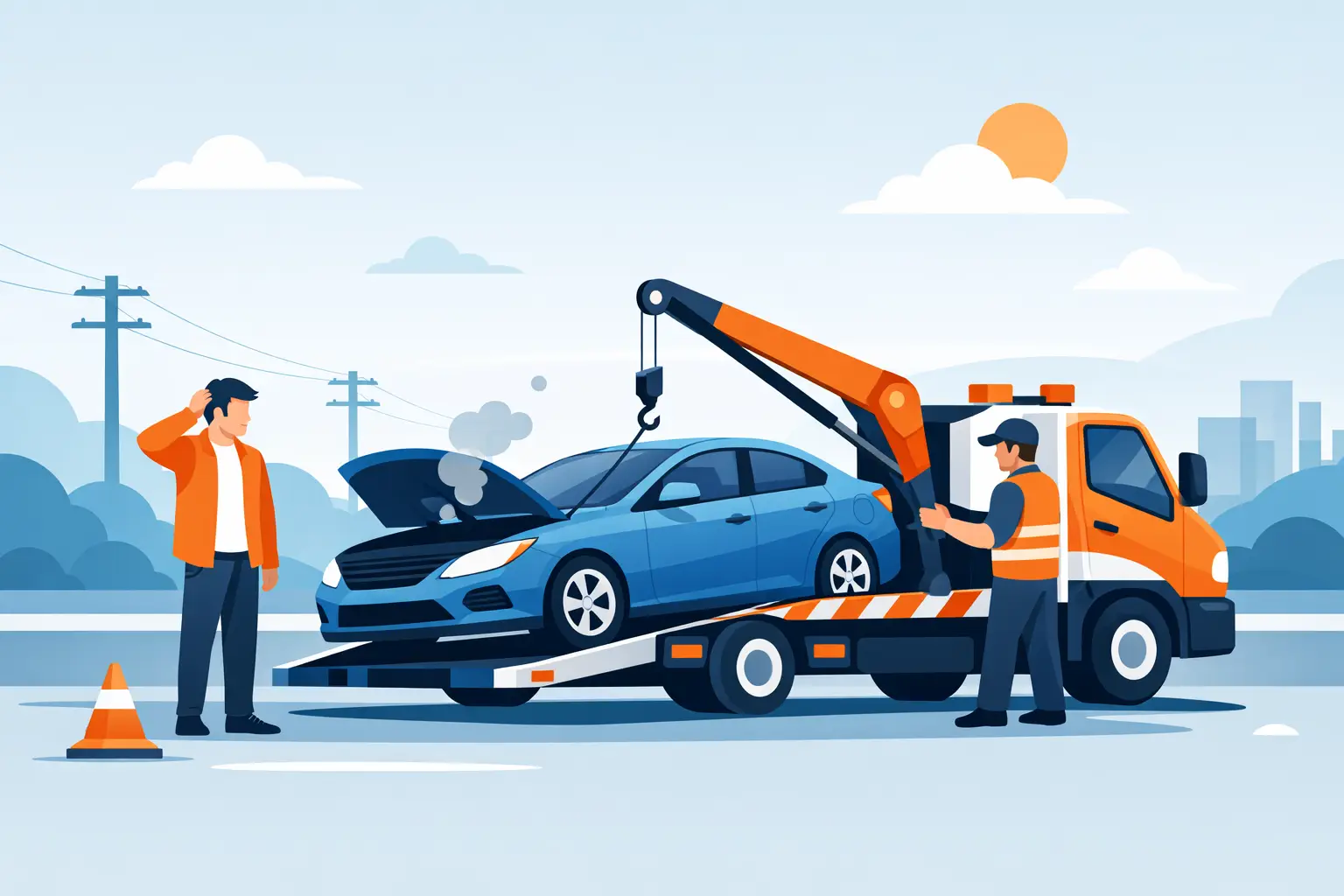
For most modern vehicles, flatbed towing is the preferred option. The vehicle is loaded onto a level tray rather than being towed with two wheels on the road. This is generally the safest approach for automatic cars, all-wheel drives, EVs, hybrids, prestige vehicles and cars with mechanical faults that make conventional towing unsuitable.
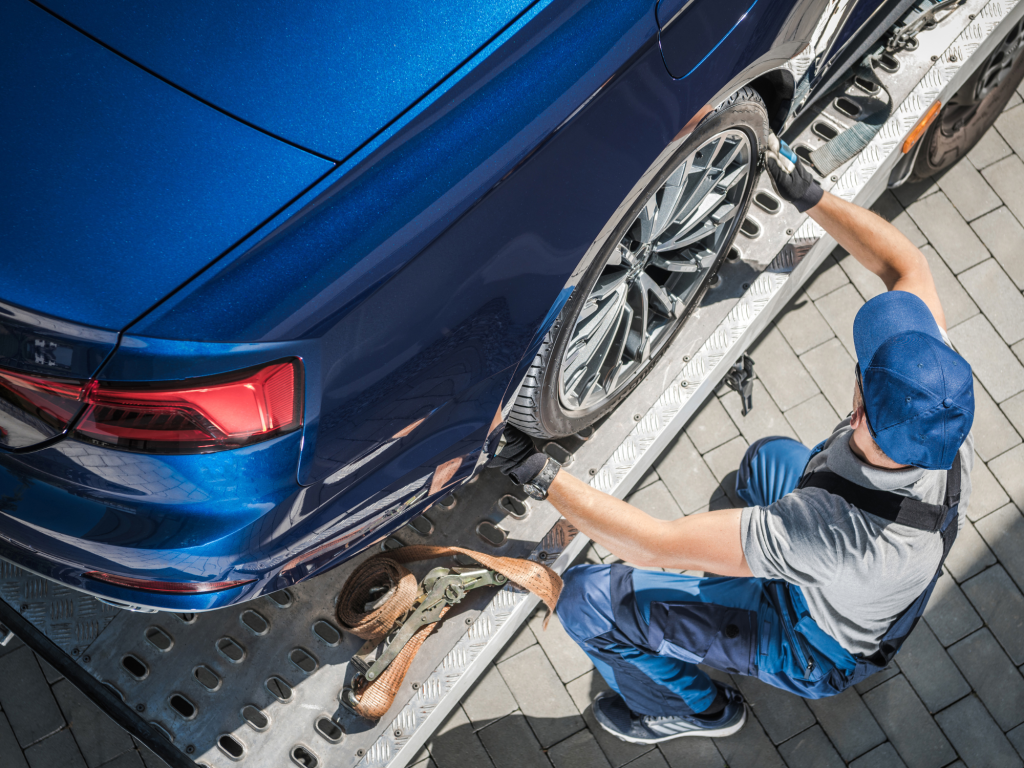
The operator positions the truck, lowers the tray or ramps, and uses a winch to guide the vehicle onto the bed. A winch is especially useful when a car will not start, cannot be driven, or needs to be moved slowly and precisely. The vehicle is then secured at approved wheel or tie-down points so it cannot shift during transport.
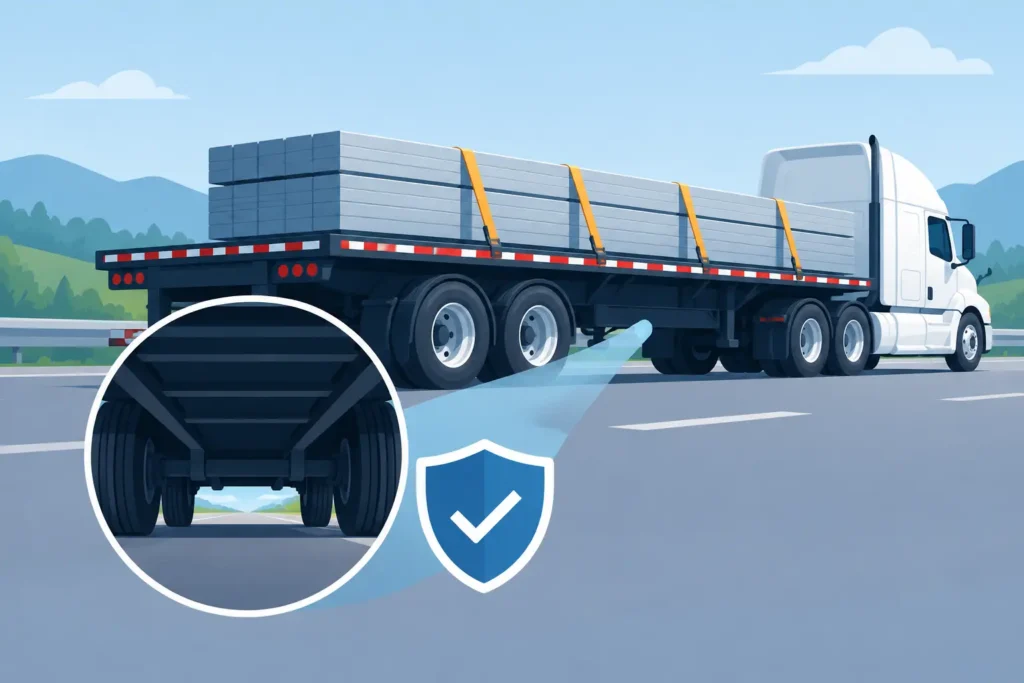
Careful loading matters more than many drivers realise. Low sports cars, motorcycles and vehicles with body kits may need extra attention to ramp angles and clearance. A ute or light truck can have different weight distribution and securement requirements. For motorcycles, the front wheel, suspension and frame must be stabilised correctly rather than simply pulled tight with straps.
A good operator will take the time to load properly, even when the job is urgent. Fast response should never mean rushed tie-downs or guesswork around a vehicle’s driveline, battery system or ground clearance.
Why you may not be able to ride in the tow truck
Some customers expect to travel with the driver, but this depends on the truck, insurance arrangements, available seating and the nature of the job. It is not always permitted or practical. If you need to get home, reach work or collect children, ask during the booking so you can make alternative arrangements early rather than being caught out at the roadside.
Choosing where the vehicle goes
The destination is your decision in most breakdown situations. You may choose your regular mechanic, a dealership, an auto electrician, your workplace or home. The best option depends on the fault and the time of day.
If the problem happens outside workshop hours, towing the vehicle home can be sensible when access is easy and secure parking is available. If a diagnosis is urgent, taking it directly to a repairer may save time, provided the workshop can accept the vehicle. Confirm their after-hours drop-off instructions, key arrangements and parking location before the truck leaves.
For long-distance or interstate transport, the same principles apply but planning becomes more important. The towing provider needs the collection and delivery addresses, access information, vehicle condition and a confirmed handover contact. This is where clear communication reduces the chance of avoidable delays at either end.
EVs, hybrids and specialty vehicles need the right approach
Electric and hybrid vehicles should not be treated like any other non-running car. Their high-voltage systems, regenerative braking, electronic park functions and manufacturer-specific recovery procedures can affect how they are moved. In many cases, a flatbed is the appropriate choice because it keeps all wheels off the road.
If you drive an EV or hybrid, tell the dispatcher the make and model, whether the vehicle is in a safe state, and whether it can be placed in neutral or transport mode. Do not attempt to force it into gear or follow general towing advice that does not apply to your model.
The same care applies to performance cars, lowered vehicles, classic cars and vehicles with expensive wheels or modified suspension. Let the operator know before arrival. The right equipment and loading technique protect the vehicle while avoiding surprises once the truck is on site.
What you can do while waiting
Gather the items you will need before the vehicle is loaded: keys, wallet, phone, medications, work equipment and anything valuable in the cabin or boot. If the car is being left at a workshop, make sure the repairer has your contact details and a short note describing the fault.
Avoid repeatedly trying to start a vehicle that has overheated, has an oil warning light, is making severe noises or has smoke coming from the bonnet. Continuing to crank or drive it can turn a repairable fault into a much larger one. If there is smoke, a fuel smell, visible leaking or a possible electrical fire, move away from the vehicle and contact emergency services if required.
For a normal mechanical failure, stay somewhere safe and keep your mobile charged. A reliable towing provider should keep you updated if the ETA changes, then explain the loading plan when they arrive.
Onigo Towing focuses on breakdown transport across Greater Melbourne, using modern flatbed equipment and clear upfront communication for vehicles that need careful handling rather than a rushed fix at the kerb.
When your vehicle lets you down, you do not need to diagnose every fault before asking for help. Give an honest description of what happened, prioritise your safety, and choose a towing service that explains the plan before your vehicle is moved.