A broken-down car on a busy Melbourne road is not the time to guess how it should be towed. In the flatbed towing vs wheel lift decision, the right method depends on your vehicle, where it has stopped, the fault involved and how far it needs to travel. Both methods have a place, but they do not offer the same level of protection.
For many modern vehicles, especially EVs, all-wheel-drive vehicles, low cars and vehicles with unknown mechanical faults, a flatbed is usually the safer choice. A wheel-lift tow can be practical for certain conventional vehicles and short moves, but it needs to be matched carefully to the vehicle’s drivetrain and condition.
Flatbed towing vs wheel lift: the main difference
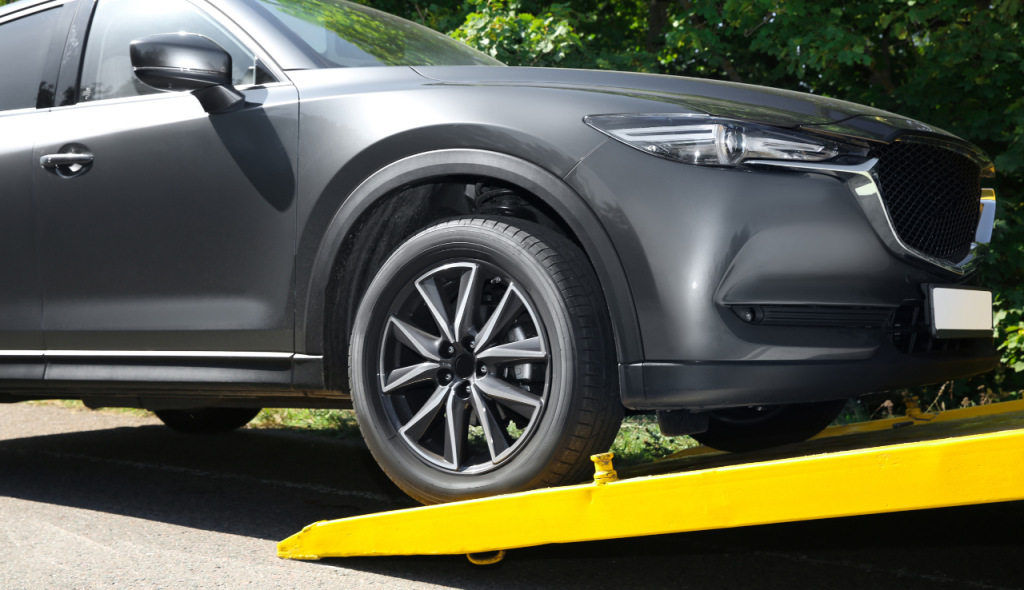
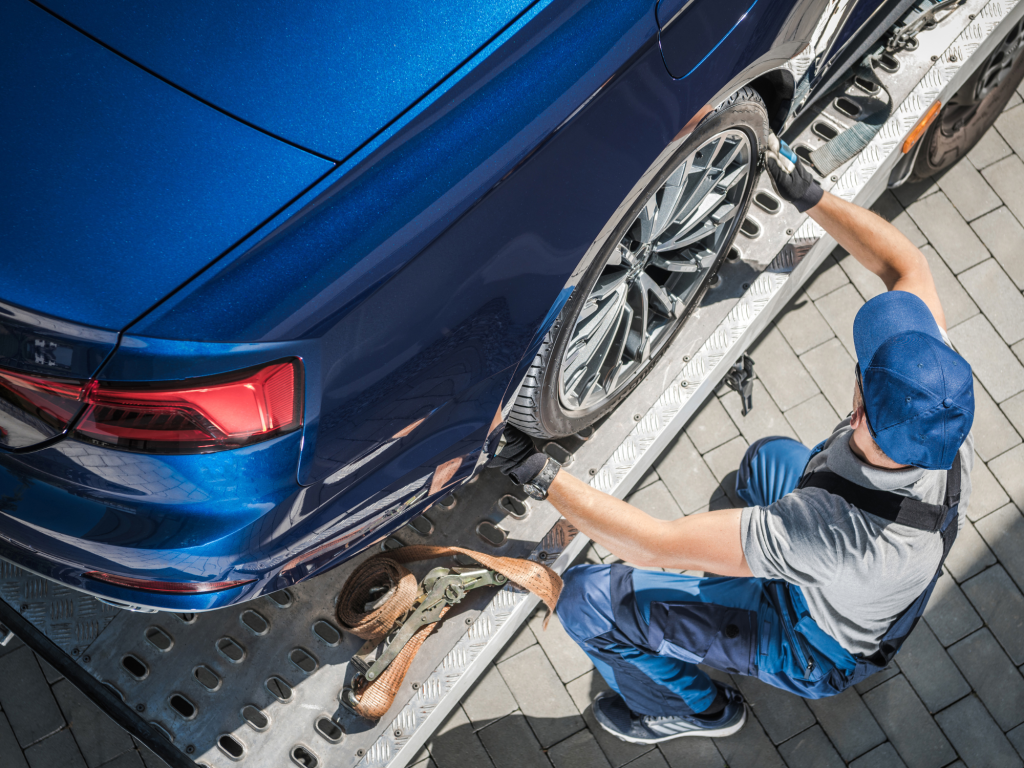
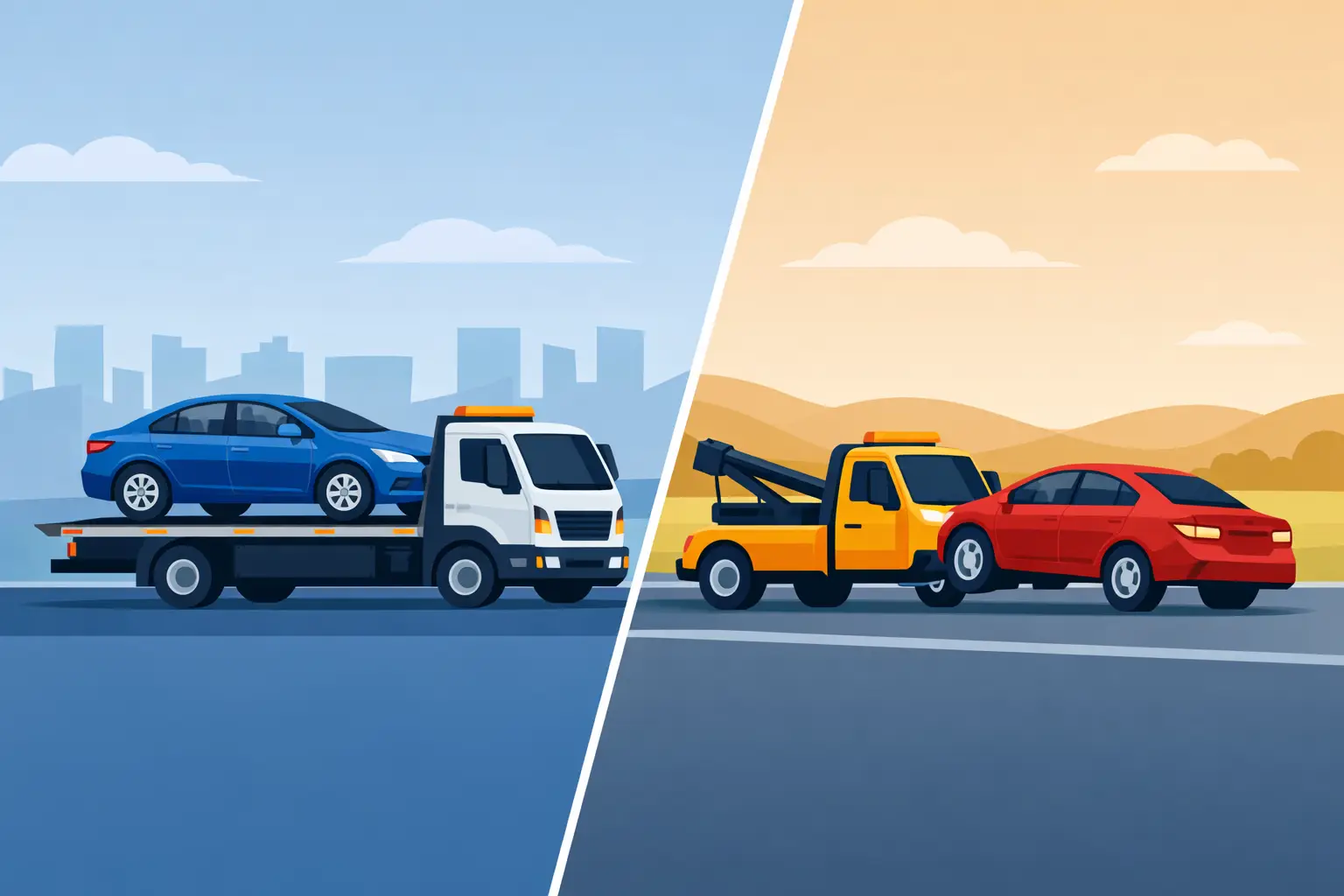
A flatbed tow truck carries your entire vehicle on a tilted tray. The tray lowers to create a ramp, then the vehicle is winched or driven carefully onto the deck and secured using approved tie-down points. Once loaded, all four wheels are off the road.
A wheel-lift truck raises either the front or rear wheels using a metal yoke positioned under the tyres or suspension area. The other two wheels remain on the road and roll behind the tow truck. It is a more compact setup and can be quicker to position in some tight locations.
The practical difference is simple: flatbed towing transports the vehicle, while wheel-lift towing transports it with part of the vehicle still rolling. That matters when there is a risk of drivetrain damage, locked wheels, steering issues or low ground clearance.
When flatbed towing is the better option
Flatbed towing is generally the preferred method when careful handling is the priority. It prevents the towed wheels from turning on the road and reduces exposure to potholes, rough surfaces and road debris during transport.
EVs, hybrids and all-wheel drives
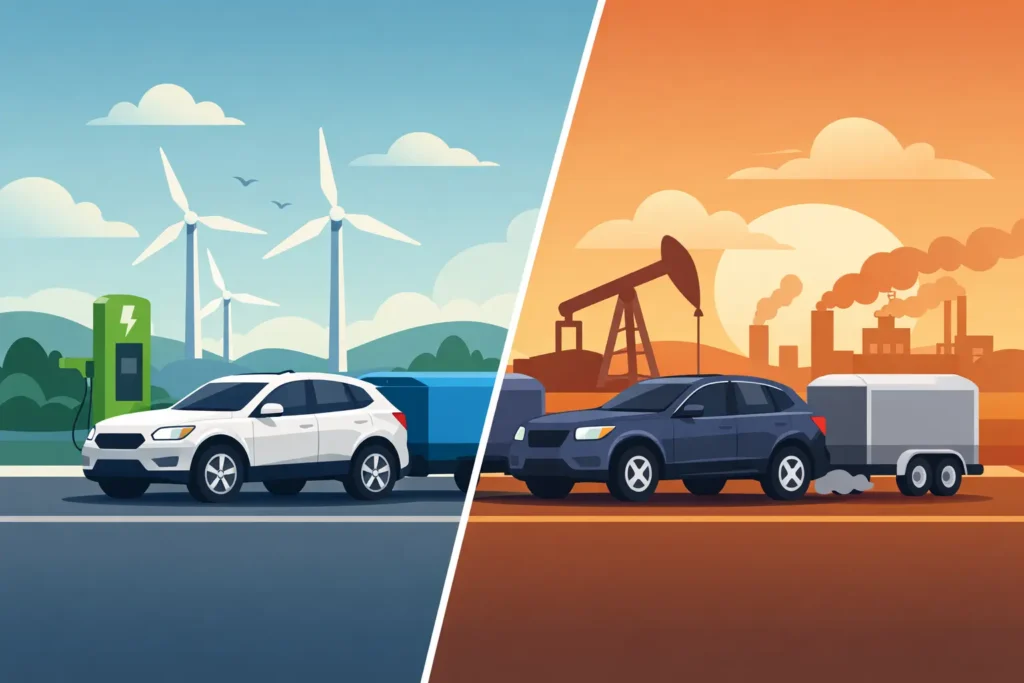
Many electric vehicles, hybrids and all-wheel-drive vehicles should be transported on a flatbed. Their drivetrains, electric motors and regenerative braking systems may not be designed to rotate while the vehicle is switched off or in a fault state. Towing them with two wheels on the ground can create expensive damage.
The same caution applies to many automatic and four-wheel-drive vehicles. Even if a vehicle can technically be wheel-lift towed under specific conditions, the owner’s handbook may require a particular procedure, such as using dollies or disconnecting a driveshaft. A flatbed removes much of that uncertainty.
Cars with serious mechanical faults
If your vehicle will not select neutral, has a locked steering wheel, seized brakes, a damaged wheel, suspension trouble or a flat tyre, loading it onto a flatbed is often the safest approach. A professional operator can winch the vehicle onto the tray in a controlled way rather than trying to tow it on rolling wheels that may not be safe to use.
This is particularly relevant after a non-start, overheating issue, gearbox fault or warning light that has left you unsure what has failed. Until a mechanic has inspected the vehicle, treating it gently is usually the sensible call.
Low, prestige and speciality vehicles
Lowered cars, performance vehicles and prestige models need more attention during loading. A modern flatbed with a low loading angle, ramps and careful winching can reduce the chance of scraping the front bumper, side skirts or underbody.
That does not mean every flatbed load is automatically risk-free. The operator still needs to assess clearance, use the right loading equipment and secure the vehicle correctly. But a full-tray tow gives greater control than allowing two wheels to travel over Melbourne roads.
Longer-distance towing
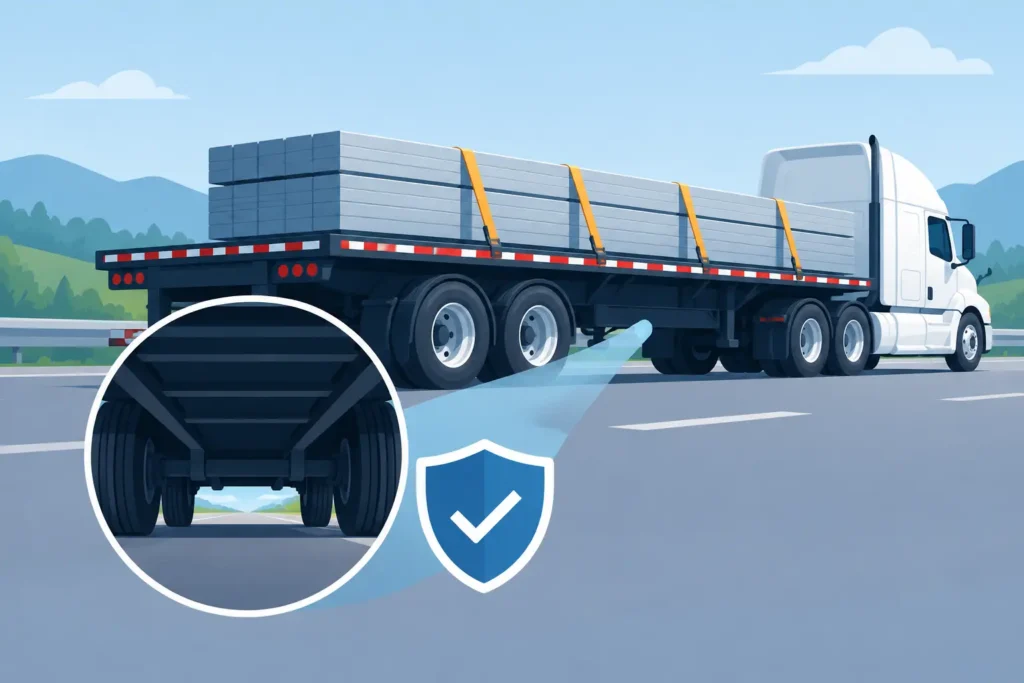
For long-distance or interstate transport, flatbed towing is normally the more protective choice. Your vehicle stays secure on the tray for the entire journey, rather than accumulating kilometres with two wheels rolling on the road. It also avoids additional wear on tyres, wheel bearings and drivetrain components.
Where wheel-lift towing can make sense
Wheel-lift towing is not an inferior method in every situation. For a suitable two-wheel-drive vehicle, it can be an efficient and safe option when performed by an experienced operator.
It is often useful where space is limited, such as narrow streets, tight car parks or congested roadside locations. The smaller towing setup may be easier to position than a flatbed, helping to clear a vehicle quickly and reduce disruption to traffic.
A wheel lift can also suit a short tow for a conventional front-wheel-drive car, provided the driven wheels are lifted and the vehicle is in a towable condition. For example, lifting the front of a front-wheel-drive vehicle keeps its driven wheels off the road. However, the operator still needs to check the steering, tyres, ground clearance and manufacturer guidance before proceeding.
The key point is that wheel-lift towing is vehicle-specific. It should never be chosen simply because it appears quicker or cheaper.
Safety and damage risks to consider
The biggest risk with an unsuitable wheel-lift tow is damage caused by rotating wheels that should not rotate. This can affect transmissions, transfer cases, differentials and electric drive systems. The risk may not be obvious immediately, which makes the wrong towing method especially frustrating and costly.
There are other practical risks too. If the steering is locked or the vehicle cannot be placed in neutral, the wheels left on the road may not track correctly. A damaged tyre or wheel can worsen while rolling. A low vehicle may scrape during hookup or over driveway transitions.
Flatbed towing reduces these risks because the vehicle is secured in one stable position. It is also usually the better option for a vehicle that has been sitting after an engine failure, a battery issue or a fault that has put the car into limp mode. The less the vehicle needs to do under its own rolling components, the better.
That said, the safest tow is not determined by the truck alone. Proper loading, correct tie-down points, sensible winching and clear communication all matter. An operator should ask about the make and model, drivetrain, fault, location and destination before dispatching the right equipment.
Is flatbed towing more expensive?
Often, yes. Flatbed towing may cost more than a basic wheel-lift tow because the truck, loading process and equipment are more substantial. The difference varies based on the vehicle, pickup access, distance, time of day and any special loading requirements.
But price should be weighed against the cost of getting the method wrong. A lower upfront towing fee is not good value if it creates drivetrain, bumper or suspension damage. For a modern EV, AWD vehicle, luxury car or vehicle with an unknown fault, a flatbed is often the more economical decision once risk is considered.
When requesting a quote, provide accurate details. Mention whether your car is an EV, hybrid, AWD, lowered, modified, locked, unable to select neutral or parked in a basement. This helps the dispatcher send suitable equipment and give a clearer price before the truck is on the way.
What to tell the towing operator
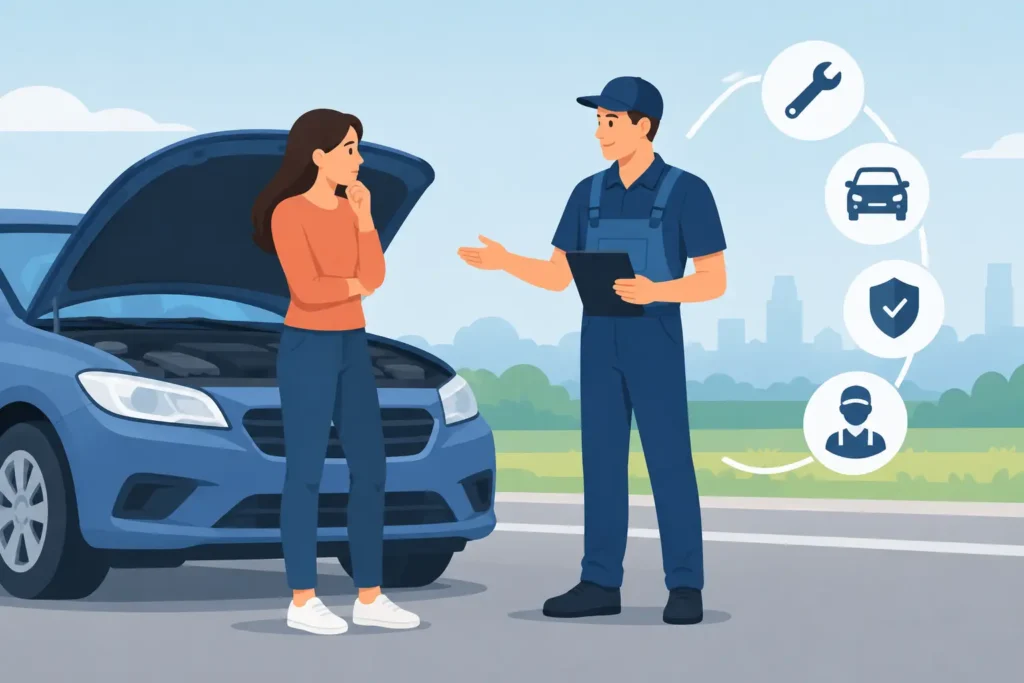
A quick, accurate description can make the recovery safer and faster. Tell the operator your vehicle make, model and approximate location, along with the issue that caused the breakdown. If it is safe to check, let them know whether the wheels roll, the steering moves, the car can select neutral and whether there is visible damage.
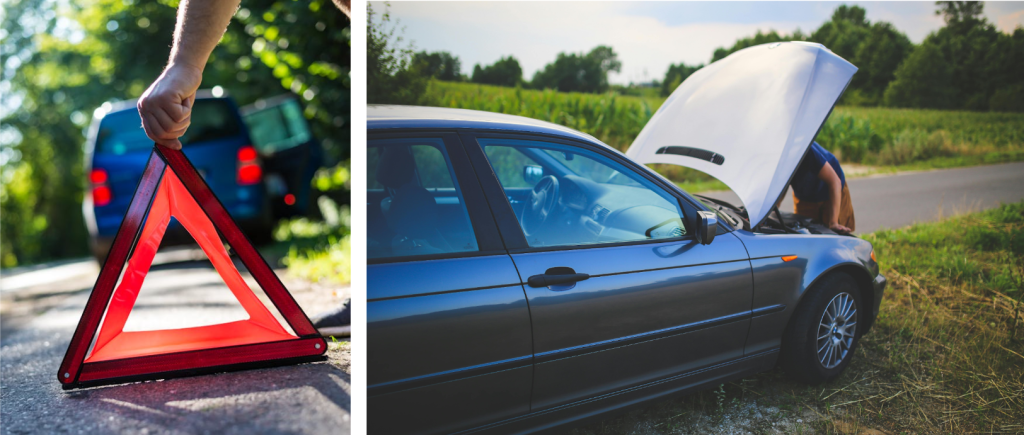
Also mention access restrictions. A multistorey car park, low-clearance basement, steep driveway, narrow lane or busy arterial road may affect which truck can attend and how the vehicle is loaded. If you are on a roadside, stay in a safe position away from traffic where possible, switch on hazard lights and follow any instructions from emergency services.
For Melbourne breakdowns, Onigo Towing assesses these details before dispatch so the towing method is appropriate for the vehicle rather than treated as a one-size-fits-all job.
Choosing the right tow after a breakdown
If your vehicle is an EV, hybrid, AWD, low, prestige, damaged or unable to roll freely, ask for flatbed towing. It is also the stronger choice for longer trips and any breakdown where the mechanical condition is uncertain.
If you drive a suitable two-wheel-drive vehicle and need a straightforward short tow from a tight location, a wheel lift may be appropriate. The decision should be based on the vehicle manufacturer’s requirements and a professional assessment, not on assumptions made at the roadside.
When your car has let you down, the goal is simple: get it off the road, loaded carefully and delivered to the right place without adding another problem. A clear conversation before dispatch is the best place to start.