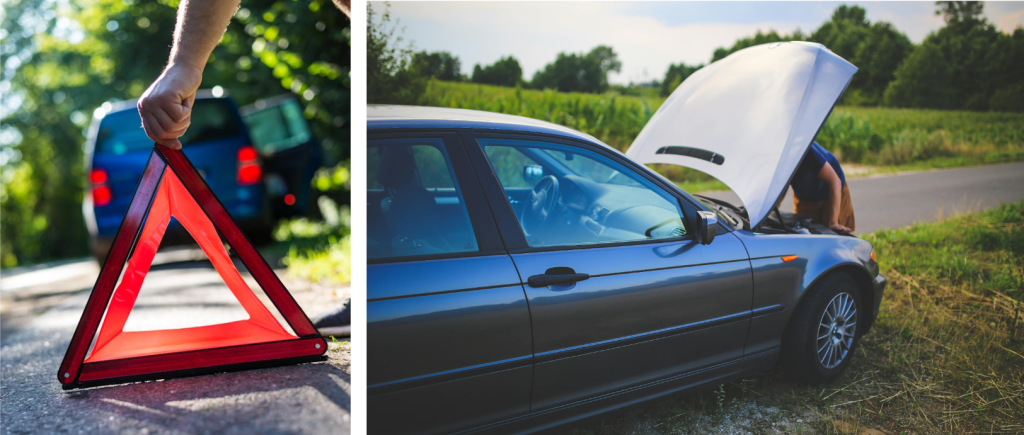
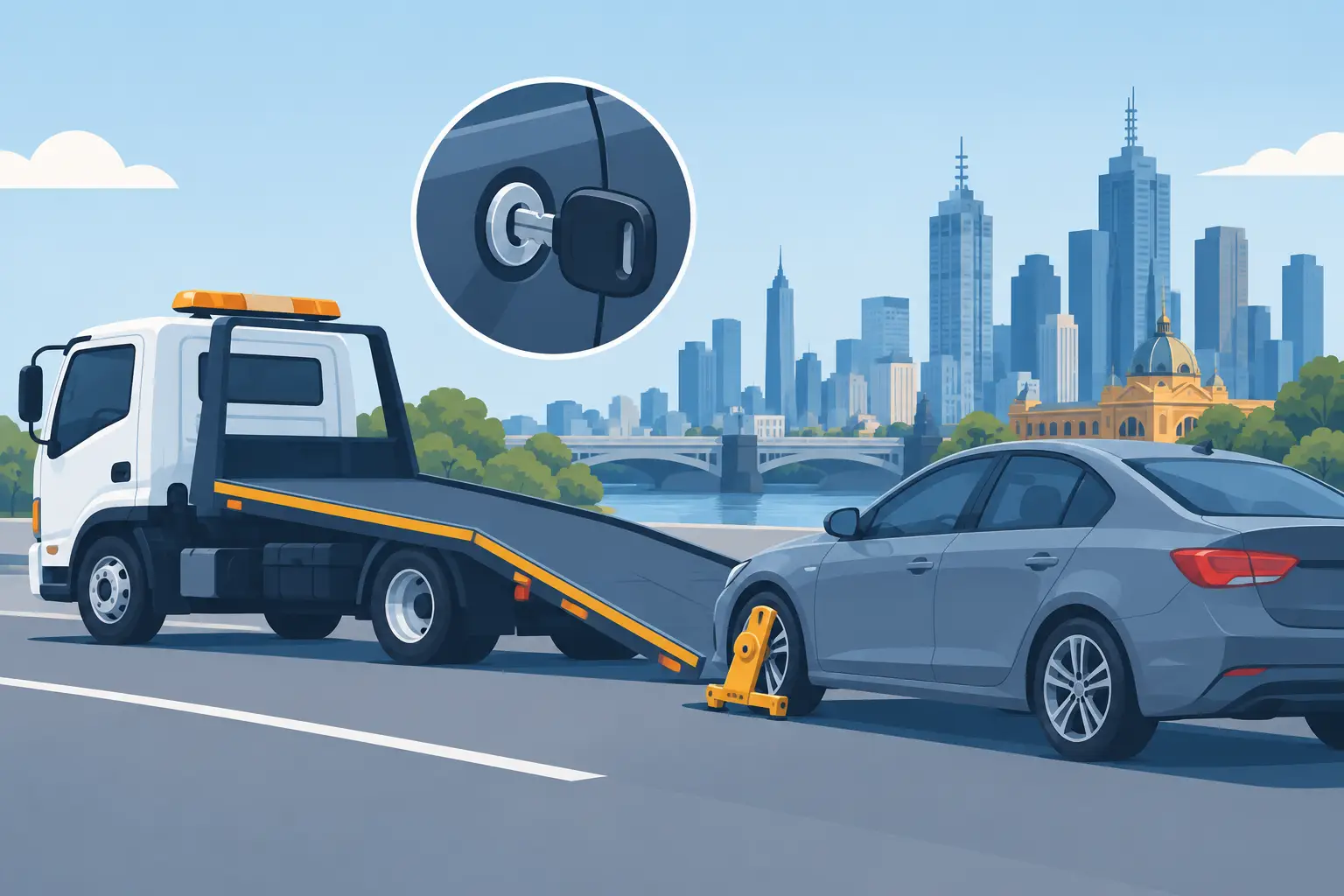
You are parked outside work, at the servo or on the side of a Melbourne road, and the keys are sitting plainly on the driver’s seat. The immediate question is: does towing cover locked vehicles? Sometimes, yes. But towing is not always the quickest or safest answer, and the right option depends on where the vehicle is, whether you have access to the keys, and what your roadside assistance or insurance policy includes.
A good operator will ask the right questions before sending a truck. That protects your vehicle, avoids unnecessary costs and gets you moving with less stress.
Does towing cover locked vehicles?
A towing company can often transport a locked vehicle, particularly when it cannot be opened promptly, cannot be driven, or needs to be moved from an unsafe location. However, not every locked vehicle can simply be loaded and taken away.
Most standard towing services are designed to move broken-down vehicles, not to provide locksmith work. If your keys are locked inside but the car is otherwise fine, a vehicle locksmith or roadside-assistance lockout service may be the faster and more affordable solution. They may be able to gain entry without damaging the door, window, seals or locking system.
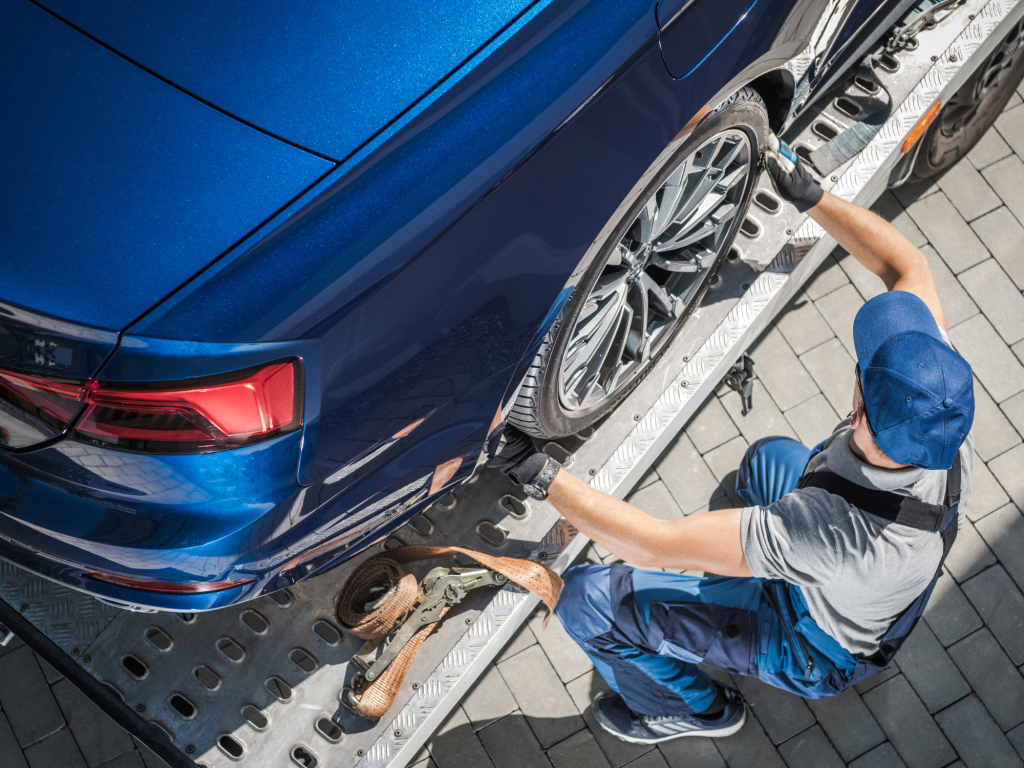
Towing becomes more relevant when the car is stranded in a dangerous spot, you have lost the keys, the key fob has failed, there is a separate mechanical fault, or you need the vehicle transported to a dealer, mechanic or secure location. In these situations, a flatbed tow truck may be able to move the vehicle using specialised loading methods.
The answer also depends on the vehicle itself. A car with the steering locked, the electronic park brake engaged or no way to select neutral requires extra planning. Modern EVs, hybrids, performance cars and all-wheel-drive vehicles may need specific handling to prevent drivetrain or underbody damage.
Towing versus lockout assistance
If the only issue is keys locked in the cabin, lockout assistance is usually the first option worth considering. A qualified automotive locksmith can often open the vehicle without force and may be able to cut or programme a replacement key if yours is missing.
Roadside assistance may include lockout help under some memberships. Policies vary widely, though. Some cover attendance only, while others set annual call-out limits, distance limits or exclusions for lost keys. Insurance may also provide roadside benefits, but it is not safe to assume a comprehensive policy automatically covers locksmith fees or towing after a lockout.
Towing may be the better choice if there is no practical way to access the vehicle quickly, the vehicle is in a clearway or otherwise at risk, or it cannot be safely left where it is. It can also make sense where the lockout is only one part of the problem – for example, the keys are inaccessible and the battery is flat, the car will not start, or a fault message means it should go straight to a workshop.
The key point is simple: tell dispatch exactly what has happened. Clear information helps them recommend the right service rather than sending a truck that cannot safely complete the job.
When a locked car can be towed safely
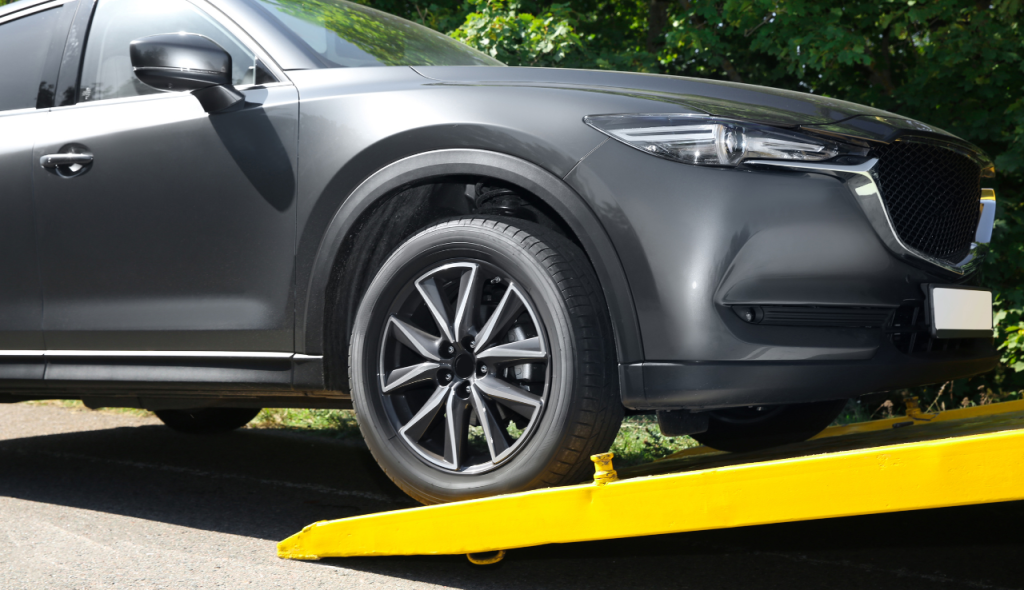
A locked vehicle can often be loaded onto a flatbed, but safe loading depends on access and vehicle condition. The operator needs to know whether the steering is straight or locked, whether the wheels can roll, whether the park brake is on, and whether the vehicle is parked on level ground.
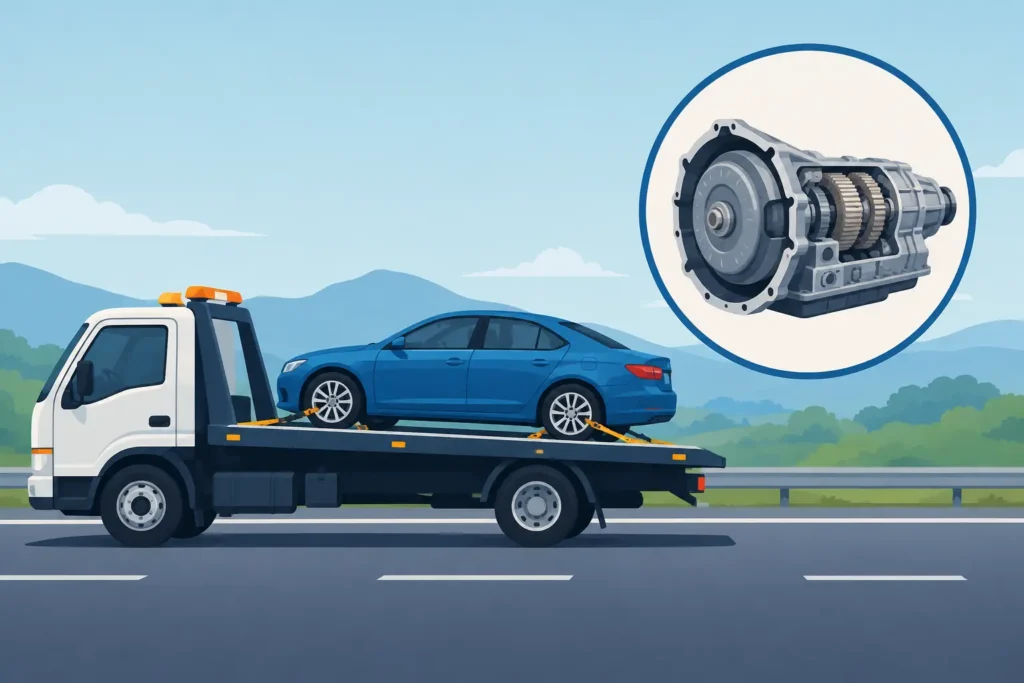
Where the wheels are locked or the car cannot be put into neutral, recovery equipment such as wheel dollies may be needed. These allow the vehicle to be moved without dragging locked tyres across the road or damaging the transmission. A flatbed is generally the preferred option for non-running vehicles, EVs, low-clearance cars and vehicles with drivetrain concerns.
There are limits. A vehicle parked in a tight basement, wedged close to other cars, positioned behind a locked gate or sitting in a difficult angle may require a different approach. In some cases, gaining lawful access first is the only sensible option.
Authorisation matters as well. A reputable towing provider will need to confirm that you are the owner or authorised driver before transporting the vehicle. Have your photo ID, registration details and any relevant ownership information available. If the car needs to go to a mechanic or dealer, confirm the destination can accept it before dispatch where possible.
What to tell the towing dispatcher
The fastest way to get the right help is to provide a clear picture of the situation from the first call. Explain that the vehicle is locked and say whether the keys are inside, missing, damaged or simply not working.
Also confirm the make, model and approximate year, along with the exact location. Mention whether it is a car, motorcycle, ute, van, light truck, EV or hybrid. If you know the vehicle has an electronic park brake, keyless ignition, air suspension, very low clearance or all-wheel drive, say so.
The dispatcher will also need to know whether the vehicle is obstructing traffic, parked in a car park, on a busy road, in a basement or at home. A simple detail such as a height restriction or a steep driveway can affect which truck and equipment are suitable.
Finally, be upfront about the destination. A tow to your home may be appropriate if you are waiting for a locksmith or replacement key. A tow to a dealership or mechanic may be more practical if the key fob, immobiliser or starting system has failed. Ask for the price and estimated arrival time before dispatch so there are no surprises.
What not to do after locking your keys inside
It is tempting to solve the problem quickly with a coat hanger, screwdriver or by forcing a window. That can turn a straightforward lockout into a damaged door, broken glass, compromised weather seals or an expensive electronics repair. Modern vehicles often have side airbags, wiring and sensors inside the door area, so improvised entry is particularly risky.
Avoid trying to roll or push the vehicle if you do not have the keys and cannot confirm it is in neutral with the park brake released. Do not attach a rope or ask another driver to pull it. Uncontrolled towing can damage the transmission, suspension, tyres or bodywork, especially on an EV or all-wheel-drive vehicle.
If a child, vulnerable person or pet is locked inside a vehicle, treat it as an emergency. Call 000 if there is immediate danger, especially in hot weather or if the person appears unwell. Do not wait for a standard towing or locksmith response when someone’s safety is at risk.
Special considerations for EVs and newer cars
Many newer cars have no traditional mechanical key access beyond an emergency blade hidden in the key fob. They may also use electronic gear selectors, electronic parking brakes and security systems that complicate loading when the key is unavailable.
EVs need particular care. They should not be dragged with driven wheels on the ground, and incorrect handling can risk damage to the electric drivetrain or battery area. A suitable flatbed and careful loading process are usually the safest path when an EV cannot be accessed or shifted normally.
This is where a breakdown-focused operator makes a real difference. Onigo Towing assesses the vehicle type and fault before dispatch, so the truck and loading method can be matched to the job rather than guessed at on arrival.
Check what your cover actually includes
Before approving a tow, check your roadside assistance, insurer, vehicle warranty or fleet policy if you have time. Look specifically for lockout assistance, lost-key exclusions, towing distance limits and after-hours call-out conditions. Coverage can be useful, but it does not always mean every service is included at no charge.
If you are paying privately, ask whether the quoted price accounts for the vehicle’s condition, loading requirements and destination. A clear, upfront quote is especially valuable when the vehicle is locked, because extra equipment or access issues can change the work involved.
A locked vehicle is frustrating, but it does not need to become a damage-prone roadside problem. Stay safe, avoid forced entry, give the dispatcher accurate details and choose the service that gets your vehicle handled properly from the start.