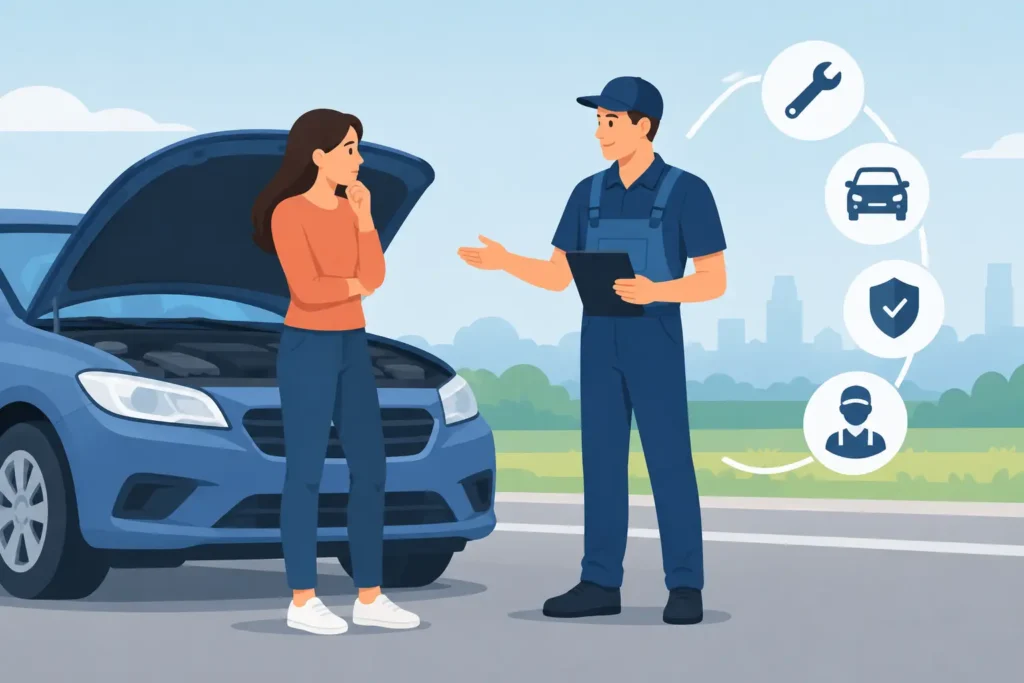
You turn the key, press the start button, and get nothing but clicks, warning lights or silence. When that happens, one of the first questions drivers ask is: can you tow a flat battery car? The short answer is yes, but the right towing method depends on the vehicle, where it has broken down, and whether the issue is only the battery or something more serious.
A flat battery can look simple, but roadside situations rarely stay simple for long. If your car is stuck in a driveway, basement, shopping centre or busy Melbourne street, the safest next step is not always a jump-start. Sometimes towing is the better option from the start, especially if you are unsure what actually caused the non-start.
Can you tow a flat battery car in every case?
Not in every case, and that is where many drivers get caught out. A flat battery does not automatically mean any tow method will do. Some vehicles can be moved carefully with the right equipment. Others should only go on a flatbed.
If the battery is flat but the car can still be shifted into neutral and the steering unlocks normally, moving it is usually straightforward. If the battery is so dead that the electronic gear selector will not respond, the electric handbrake stays on, or the steering remains locked, the job changes completely. The vehicle may still be towable, but it needs the right handling and loading process to avoid damage.
This is especially true with newer vehicles. Many modern cars rely on battery power for systems that used to be mechanical. That includes gear selection, park release, steering lock functions and electronic parking brakes. On hybrids, EVs and some prestige vehicles, there may also be manufacturer restrictions around rolling the vehicle or towing it with wheels on the ground.
Why a flat battery is not always just a flat battery
A dead battery can be the symptom, not the real problem. The battery may have gone flat because of a failing alternator, a charging fault, a starter issue or an electrical drain. If you get the car started and keep driving, it might stop again a few streets later.
That matters because some drivers focus on getting the engine running when the smarter move is getting the vehicle to a mechanic safely. If the dash has lit up with multiple warnings, if the car stalled while driving, or if you noticed burning smells, smoke or electrical faults, towing is usually the safer decision.
For breakdown towing, the goal is not just movement. It is getting the vehicle from where it stopped to where it can be properly checked, without creating a second problem on the way.
When towing a flat battery car makes sense
Towing is often the right call if the car will not start and you need it moved to a workshop, your home or another safe location. It also makes sense when jump-starting is not practical, such as in a tight underground car park, on the side of a main road, or late at night when you do not want to risk the vehicle cutting out again.
It is also worth towing if the car has been sitting for a long time and you are not confident about the condition of the battery or charging system. The same applies if the vehicle has repeated battery issues. A temporary restart can be useful, but if the problem keeps coming back, transporting it properly is often the cleaner and safer option.
For motorcycles, vans, light trucks and specialty vehicles, the same logic applies. The fact that the battery is flat does not always make the recovery simple. Vehicle type, access and loading conditions all matter.
Can you tow a flat battery car with a rope or another car?
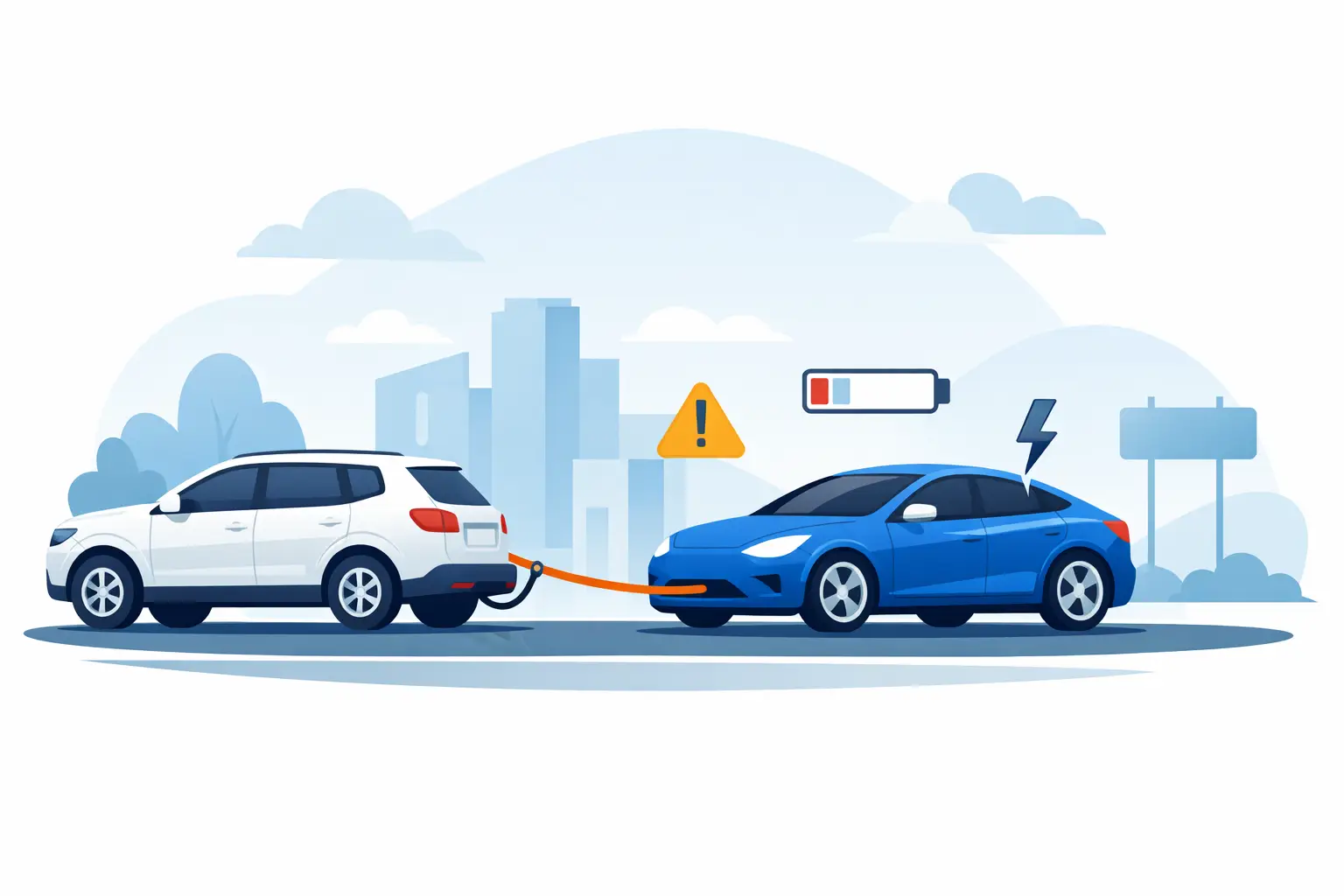
This is where caution matters. In some situations, drivers think about using a tow rope or getting a mate to pull the car a short distance. That can be risky, and for many vehicles it is the wrong approach.
If the battery is flat, you may not have full electronic control systems available. Power steering may be limited. Brake assistance may be reduced. Hazard lights may be weak or unavailable. If the car is automatic, dragging it with the drive wheels on the ground can also damage the transmission, depending on the model.
Then there is the legal and practical side. Towing a vehicle on public roads without the right setup can create a hazard quickly, particularly in traffic, rain or low visibility. What seems like a short and easy move can turn into a dangerous one if the second vehicle has to brake suddenly or the dead vehicle cannot respond properly.
For most breakdown situations, a professional tow is the safer choice than improvised towing.
Why flatbed towing is usually the safest option
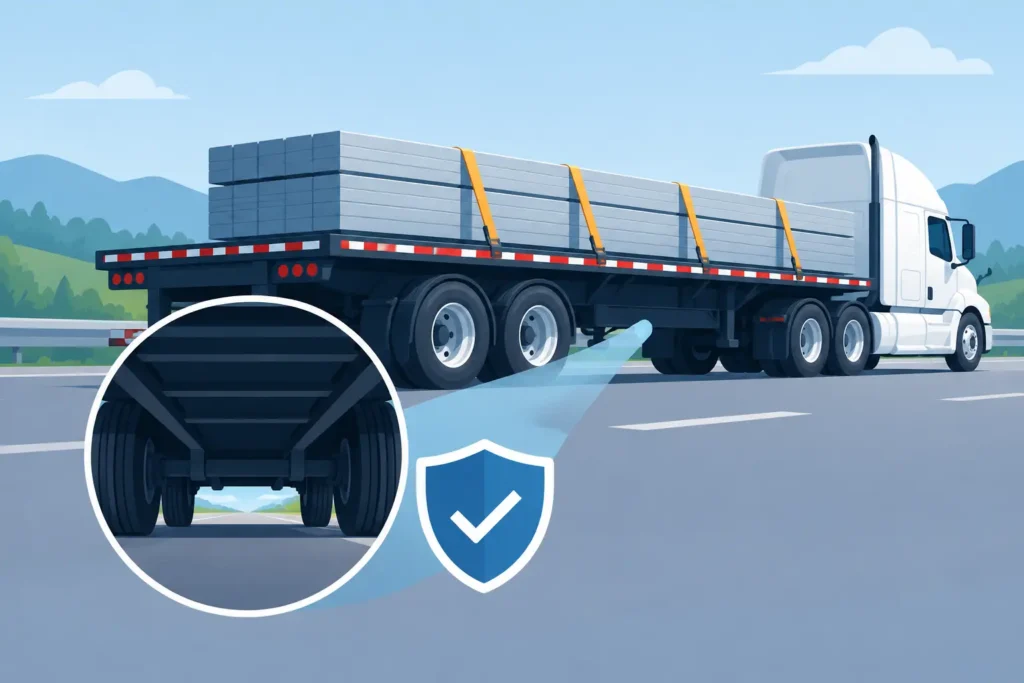
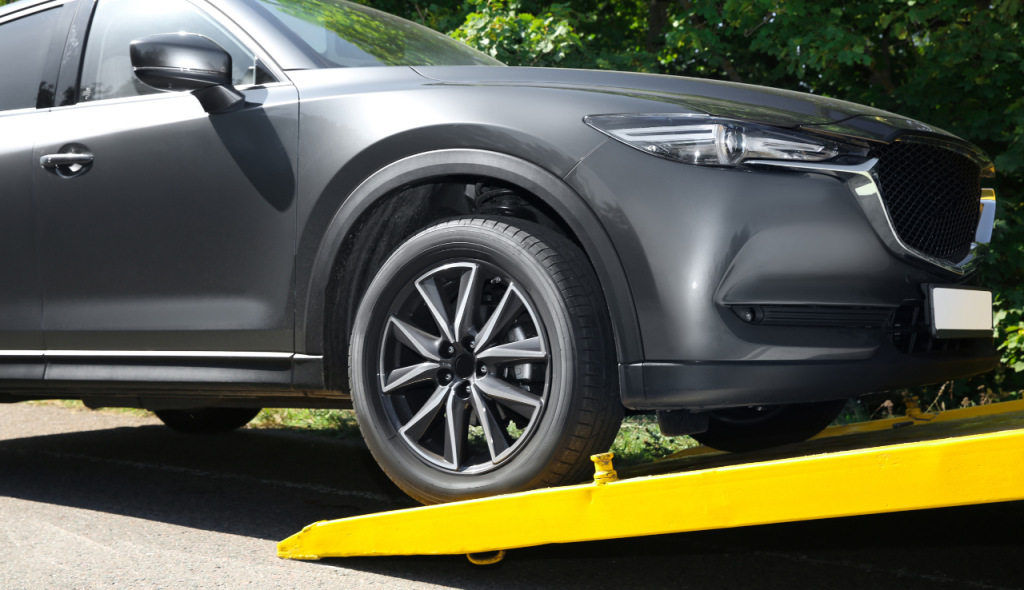
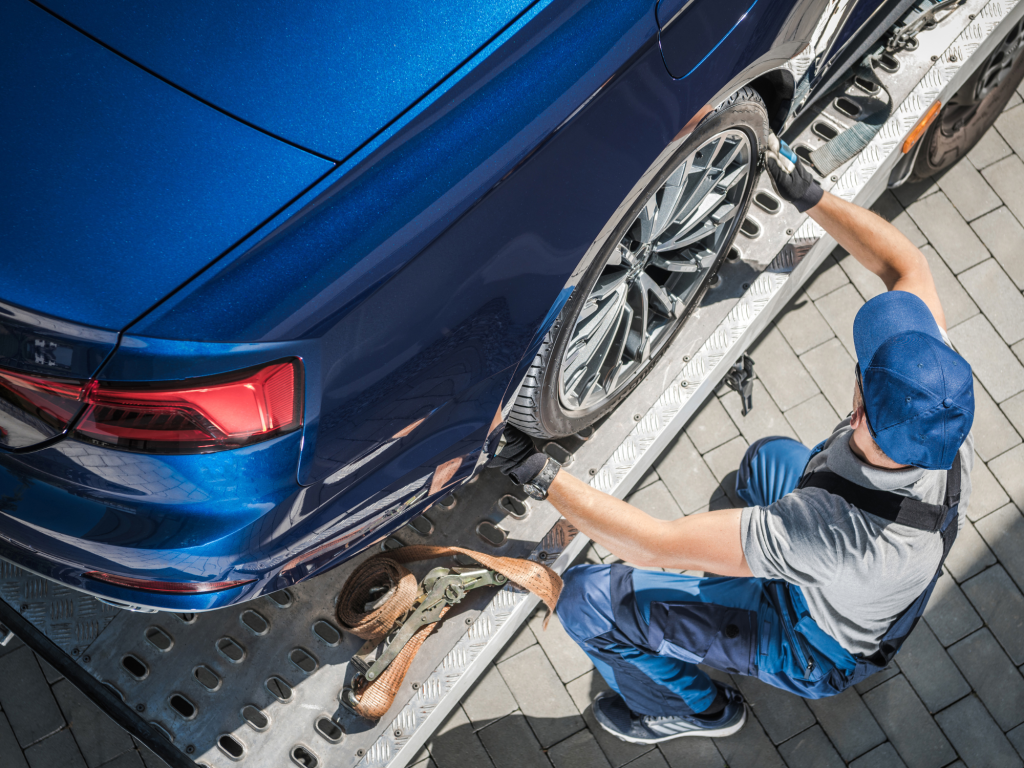
A flatbed removes most of the uncertainty. The vehicle is loaded fully off the road, secured correctly, and transported without its wheels rolling on the road surface. That reduces the chance of transmission wear, tyre damage, steering complications or trouble with locked systems.
It is also the better option for lower vehicles, prestige cars, EVs, all-wheel drives and vehicles with unknown mechanical faults. If a car has a flat battery and another issue hiding underneath, a flatbed keeps the movement controlled from start to finish.
At Onigo Towing, this is why breakdown jobs are approached as vehicle handling jobs, not just quick utes. The right method matters as much as the response time.
Can you tow a flat battery car if it is an EV or hybrid?
You can, but EVs and hybrids need extra care. Many of these vehicles have clear manufacturer rules that restrict wheel-lift towing or rolling the car with the drive wheels on the ground. Some need a specific transport mode. Others may need skates or special procedures if they cannot be shifted out of park because the 12-volt battery is flat.
This catches a lot of people by surprise. Even though the high-voltage system powers the vehicle, the smaller 12-volt battery still controls key functions. If that battery is dead, the car may not wake up, unlock properly, or release into neutral.
That does not mean it cannot be moved. It means the operator needs to know how to load it safely, particularly in tight access areas or when the car is completely non-responsive.
What to do before the tow truck arrives
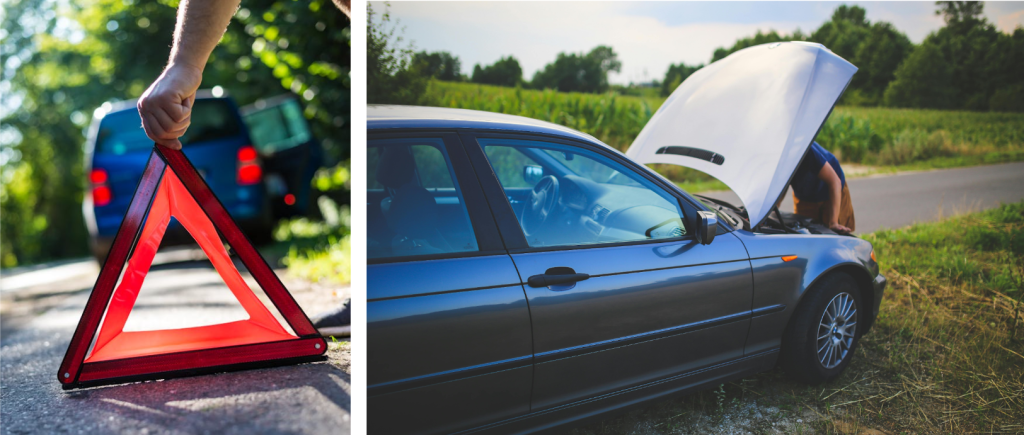
If your car has broken down with a flat battery, the first priority is safety. Move yourself and any passengers away from traffic if you can. Turn on hazard lights if they still work. If you are in a dangerous location, let the towing provider know exactly where you are and what risks are present.
It also helps to mention whether the vehicle is automatic or manual, whether it is stuck in park, whether the handbrake is electronic, and whether it is in a basement, apartment car park or narrow street. These details help avoid delays and make sure the right truck is sent.
If you have a performance car, motorcycle, van, ute, hybrid or EV, say that upfront as well. Different vehicles can require different loading angles, tie-down methods and equipment.
How to tell if you need towing instead of a jump-start
A jump-start may be worth trying if the battery has simply drained from lights being left on, the vehicle was running normally before, and there are no other warning signs. But if the car has been hard to start for days, died while driving, or is showing charging system faults, towing is often the better call.
The same goes if you are in a location where restarting the car does not really solve the problem. If you still need to travel across Melbourne and have no confidence the vehicle will keep running, a jump-start can just delay the breakdown by half an hour.
A good rule is this: if reliability matters more than a quick restart, towing is the safer option.
The real answer to can you tow a flat battery car
Yes, you can tow a flat battery car, but the safe way to do it depends on the vehicle and the situation. Older cars may be simpler. Newer cars can be far more sensitive because battery power affects basic functions like neutral release, steering lock and electronic brakes. EVs and hybrids add another layer again.
That is why breakdown towing should be treated as more than just moving a non-starting car from A to B. The right equipment, the right loading method and clear communication all make a difference, especially when the vehicle is valuable, stuck in a difficult spot, or showing signs of a fault beyond the battery.
If your car will not start and you are weighing up whether to risk a temporary fix or have it transported properly, it usually comes down to one thing: choosing the option that gets you out of the situation safely, with less stress and less chance of damage.