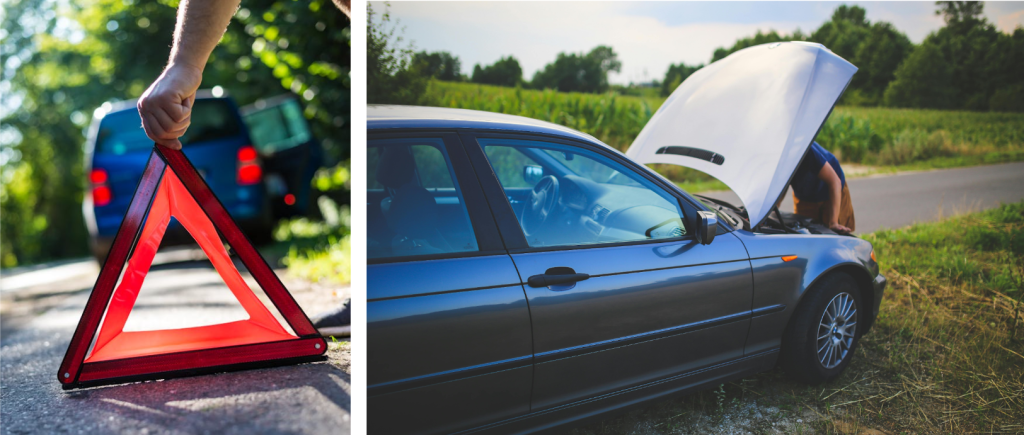
A flat battery in an EV is stressful for a different reason. It is not just about getting off the road quickly. It is about choosing the best towing option for EVs so the vehicle is moved without risking damage to the motor, battery system, drivetrain, or underbody.
For most electric vehicles, the safest answer is straightforward – a flatbed tow truck. But that does not mean every tow is the same, and it does not mean every operator handles EVs properly. If your car will not start, shows a drive system fault, or has run out of charge, the towing method matters just as much as the response time.
Why the best towing option for EVs is usually a flatbed
EVs are built differently from petrol and diesel vehicles. Many have no true neutral in the same way drivers expect, and a lot of models should not have their driven wheels rolling on the road while being towed. On some vehicles, even a short tow with the wrong setup can create expensive mechanical or electrical problems.
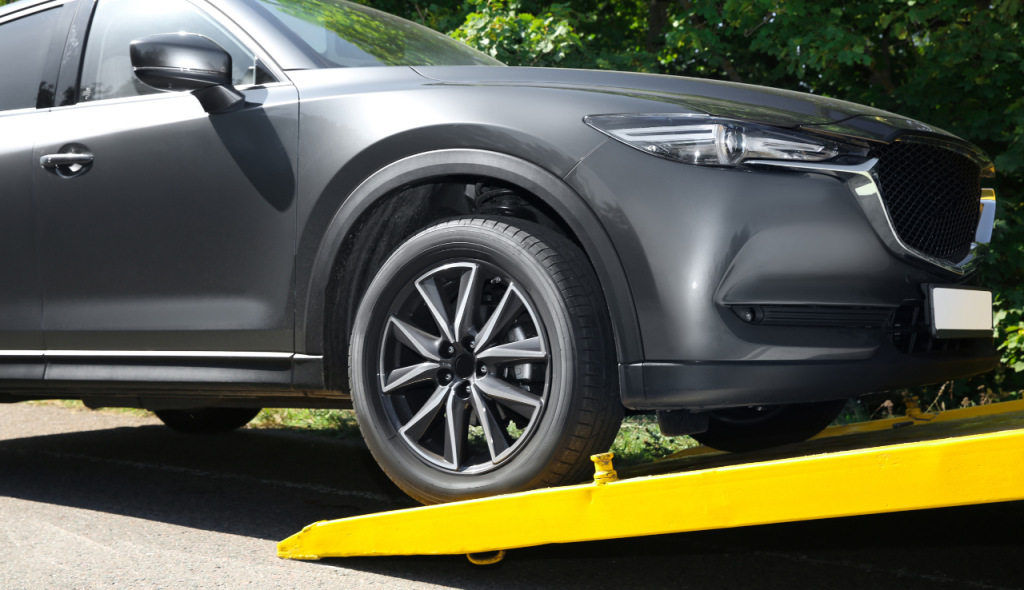
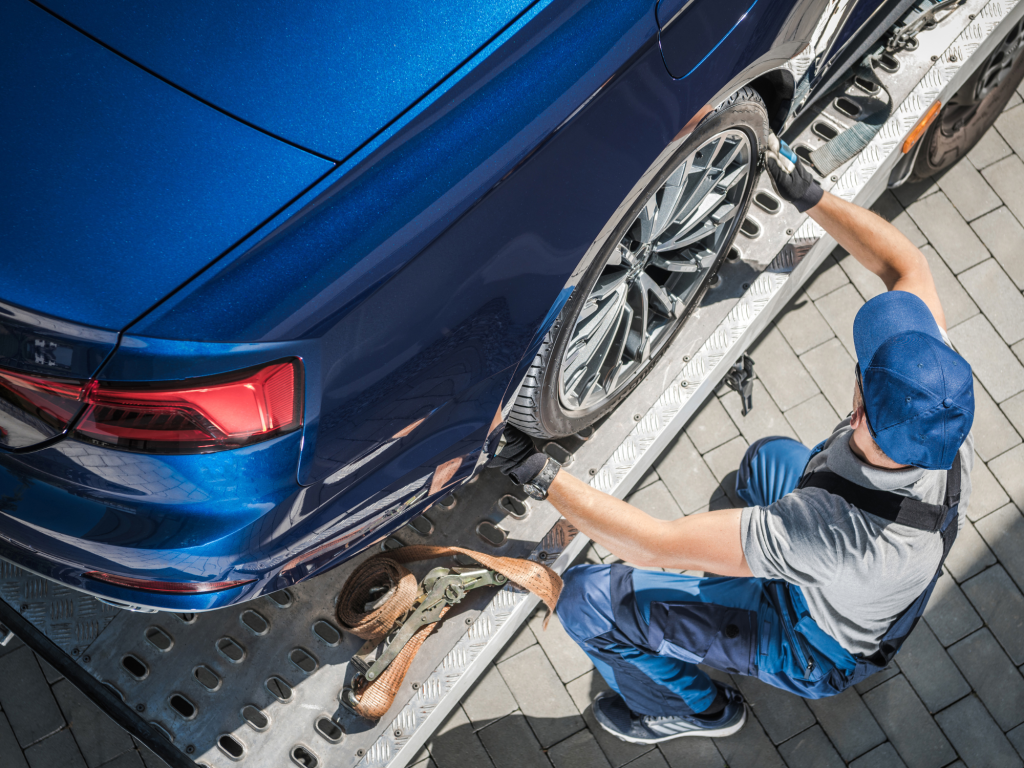
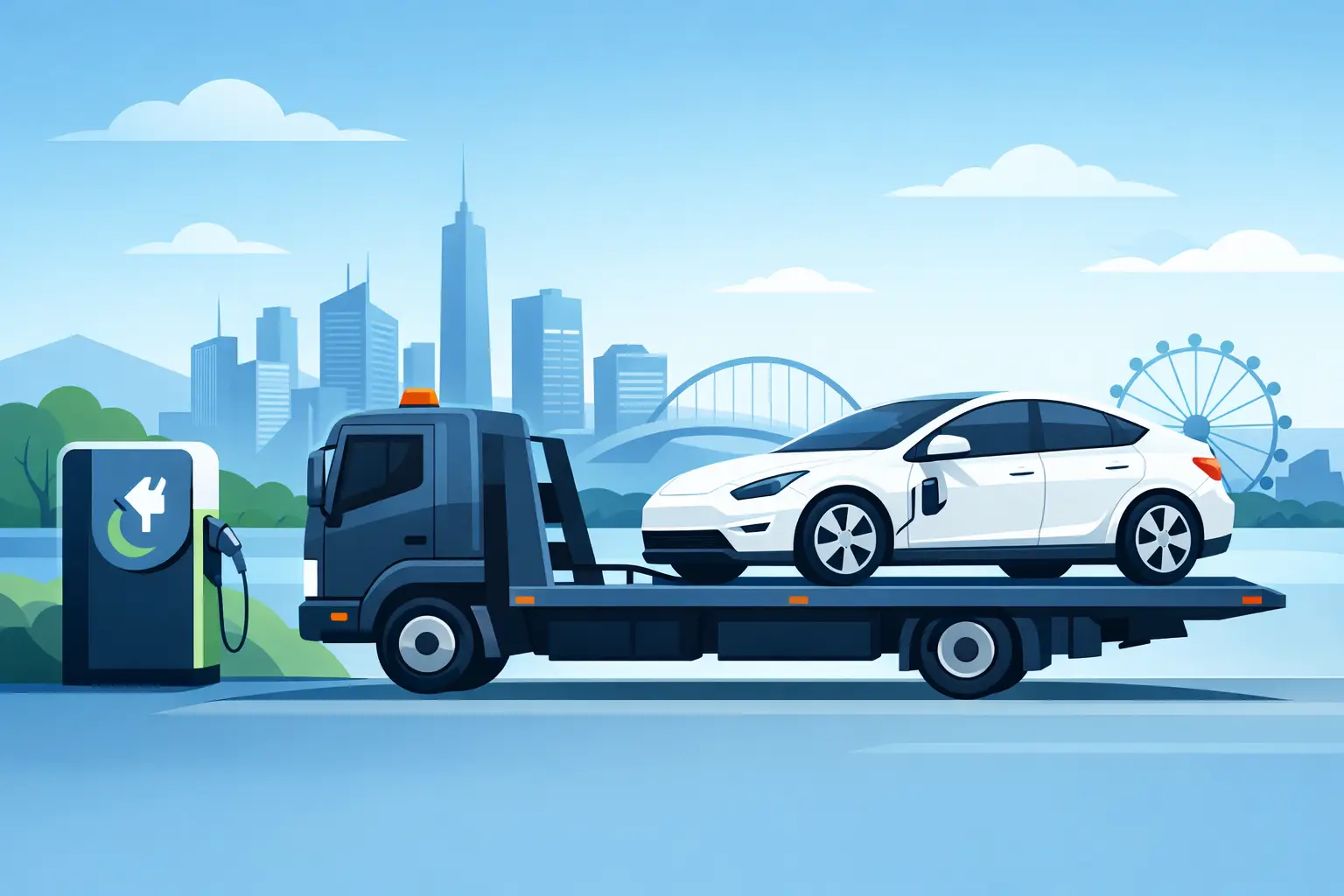
A flatbed keeps all four wheels off the road. That is the main reason it is widely considered the best towing option for EVs. It reduces the chance of drivetrain damage, avoids unnecessary wheel rotation, and gives the operator better control during loading and transport.
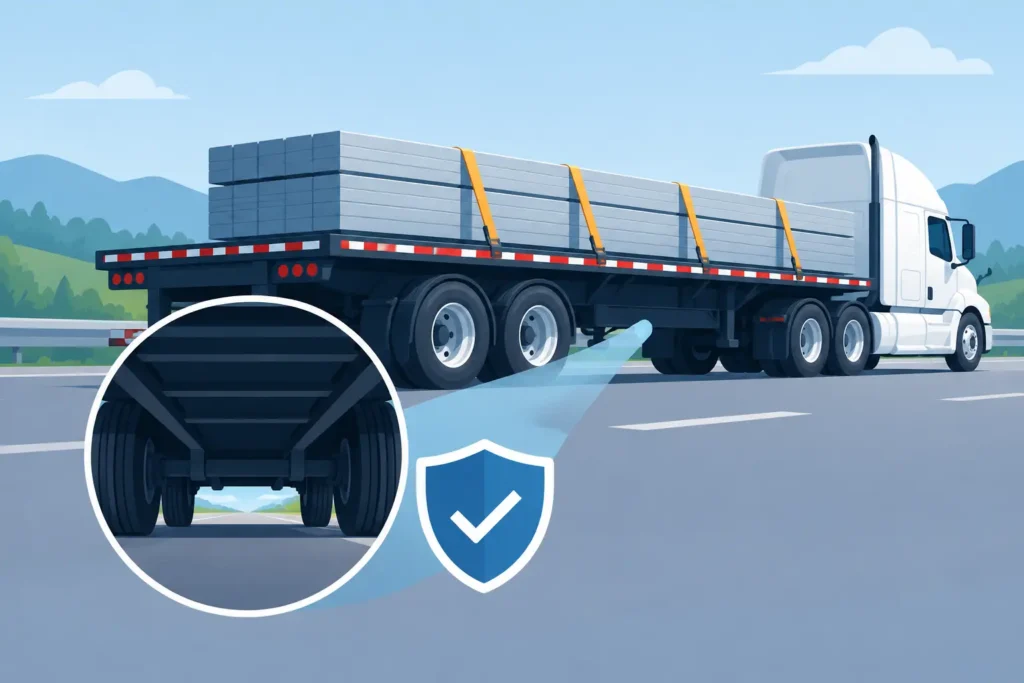
There is another practical benefit too. EVs often carry a heavy battery pack under the floor, which changes the vehicle’s weight distribution. A proper flatbed setup allows for more stable loading angles, careful tie-down placement, and safer transport over Melbourne roads, speed humps, and driveways.
In breakdown situations, this matters more than people realise. The car may look fine from the outside, but if it has shut down due to a high-voltage fault or a control system issue, you do not want anyone guessing with the towing method.
Why wheel-lift and dolly towing can be risky
Some drivers assume any tow truck can do the job if the car only needs to go a few suburbs. That is where problems start.
Wheel-lift towing can be acceptable for some conventional vehicles in some situations, but EVs are a different category. If the wrong axle remains on the road, or if the model has specific transport restrictions, you can end up with damage that costs far more than the tow itself. Dollies can sometimes reduce the risk, but they are still not the first choice for many electric vehicles.
The trade-off is mainly about practicality versus protection. A wheel-lift truck may be faster for certain operators to send, but the safer option is generally the one that fully isolates the vehicle from the road. When the car is electric, caution should win.
That is especially true with higher-value EVs, low-clearance models, performance variants, and vehicles that have completely lost power. In those cases, loading technique becomes just as important as the truck type.
The real issue is not just towing – it is loading
A lot of EV towing damage happens before the truck even leaves. Low front bumpers, battery trays underneath, limited ground clearance, and electronic park systems can all complicate loading.
If the vehicle cannot be shifted normally, the operator may need skates, soft straps, or a winching approach that avoids stressing suspension and bodywork. If the tow point is not used correctly, or if the vehicle is dragged instead of carefully recovered onto the tray, damage can happen fast.
That is why specialist breakdown towing is a better fit than a general operator who spends most of the day on accident scenes or impounds. Breakdown work is about non-starts, dead batteries, mechanical faults, transport restrictions, and careful loading under pressure. It is a different mindset.
A proper operator should know how to assess whether the EV can roll, whether transport mode is available, and how to secure the vehicle without taking shortcuts. Good communication matters here. You should be told what the truck is, how the vehicle will be loaded, and where it is going before dispatch.
What to ask when booking the best towing option for EVs
If you are stranded, you do not need a long technical conversation. But you do need clear answers.
Ask whether a flatbed is being sent. Ask if the operator has experience with EV breakdown towing. Mention whether the car has completely lost power, whether it is stuck in park, whether it is in a basement, and whether it is low or difficult to access. Those details affect the job.
It also helps to say if the battery is fully depleted or if the dash is showing a high-voltage or drive unit warning. A car that has simply gone flat may still need the same transport method as one with an electrical fault, but the loading plan can differ.
Pricing should be clear before dispatch. So should the ETA. In a breakdown, certainty matters. You want to know when help is coming and what kind of help it is.
Common EV breakdown scenarios and the right tow response
Not every EV problem looks the same from the roadside, and that is why a one-size-fits-all answer can be misleading.
If the vehicle has run out of charge, the immediate goal is safe relocation. Depending on where you are and the model involved, the vehicle may need towing to a charger, your home, or a workshop. A flatbed is still the safer default, especially if there is any doubt about rolling the drive wheels.
If the car has a warning light, drive system fault, or refuses to select gear, the risk level goes up. You may be dealing with a fault that affects braking, steering assist, park release, or transport mode. In that case, careful loading with the right equipment becomes essential.
If the EV has a damaged tyre, suspension issue, or underbody contact, flatbed towing is even more important. Battery packs sit low, and underbody strikes should never be treated casually. What looks like minor road damage can become a more serious safety issue if the vehicle is moved the wrong way.
Then there are access problems. Tight apartment basements, shopping centre ramps, narrow laneways, and underground car parks all change the towing plan. The best towing option for EVs is still usually a flatbed, but the operator may need a lower-clearance approach, a different winching angle, or specialised moving gear to get the car out safely first.
Why local response and communication matter
In Melbourne traffic, the right towing method is only half the story. The other half is getting a capable operator to you without confusion.
A stranded EV driver does not want to repeat the same details to three different people or wait around wondering whether the truck can actually do the job. The process should be simple. You explain the fault, location, vehicle type, and destination. You get a price and ETA. Then the right truck turns up.
That operational clarity is often what separates a specialist service from a general one. It is not flashy, but it makes a big difference when you are stuck on the side of the road, in a car park, or outside your home with a vehicle that will not move.
For EV owners, trust comes from specifics. Careful loading. Correct tie-downs. No rushed guesses. No vague answers. Just a safe plan and a clear timeframe.
When “it depends” actually matters
Flatbed towing is the safest general rule, but there are still model-specific details. Different manufacturers set different transport instructions. Some EVs have transport mode functions, some require manual park release procedures, and some have stronger restrictions around towing distance or wheel movement.
That is why the best operator is not the one who gives a blanket answer without asking questions. It is the one who treats the vehicle properly based on its actual condition. A Tesla with a software fault, a BYD with a non-start issue, and an MG EV with a fully depleted battery might all need a flatbed, but the loading process may not be identical.
This is where experience counts. A careful breakdown towing operator will not overcomplicate things, but they will respect that EVs are not all the same.
If you need help in Melbourne, that is the standard we work to at Onigo Towing – fast dispatch, clear pricing before the job starts, and flatbed transport handled with care when your EV cannot be driven.
When your EV stops, the safest move is usually the simplest one: keep all four wheels off the road, choose an operator who understands breakdown towing, and do not let speed come at the expense of proper handling.