A ute that will not start outside a worksite, loses power on the Monash, or begins overheating in traffic can quickly become more than a mechanical problem. The safest way to safely transport a broken ute is usually to stop driving early, secure the scene and arrange the right towing method for its condition, drivetrain and load.
Trying to nurse it to the mechanic can turn a repairable fault into engine damage, transmission damage or a roadside hazard. That is especially true for working utes carrying tools, stock or equipment. A clear plan protects your vehicle, your gear and everyone around you.
First, decide whether the ute should move at all
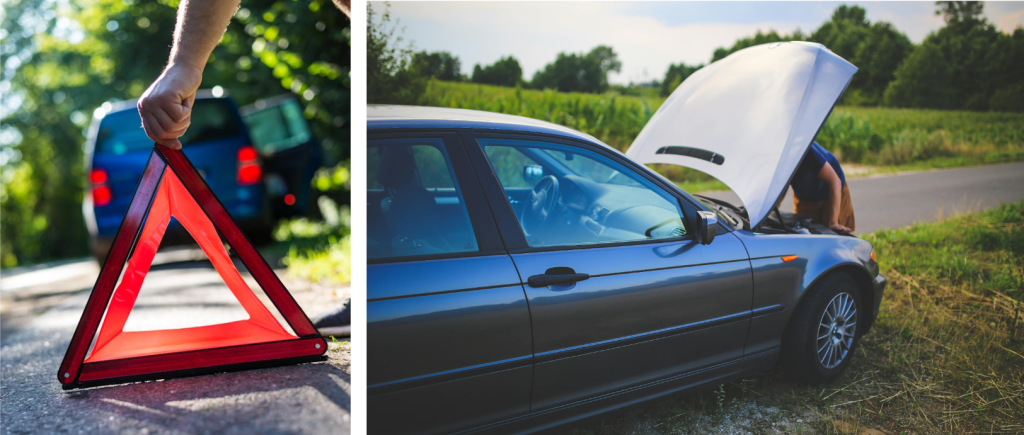
Some faults leave very little room for judgement. If there is smoke, a burning smell, leaking fuel, a serious oil leak, overheating, damaged steering, brake trouble or warning lights accompanied by poor performance, pull over as soon as it is safe. Switch on your hazard lights, move away from traffic where possible and turn the engine off.
Other issues can be less obvious. A flat battery may seem straightforward, but repeated jump-starting can mask a charging fault. A rough engine, slipping transmission, grinding noise or sudden loss of power may allow the ute to creep forward, but that does not mean it is safe to drive. Continuing could cause a breakdown in a worse location or increase the repair bill.
If you are unsure, treat the ute as non-drivable. A professional tow is generally cheaper than replacing an engine, gearbox or turbocharger.
Make the roadside safe before arranging a tow
Your first priority is not the vehicle – it is keeping people out of danger. Park as far from moving traffic as conditions allow, apply the handbrake and put the transmission in park or neutral only if it is safe and appropriate. Keep passengers away from the traffic side of the vehicle and behind a barrier where one is available.
At night or in poor weather, hazards and lights can make a major difference. If you have a high-vis vest, wear it before leaving the cab. Avoid standing between the ute and passing traffic, particularly on high-speed roads, narrow suburban streets and blind corners.
Do not attempt roadside repairs near live traffic. Opening the bonnet to inspect for a simple issue is one thing; working under the vehicle, handling hot coolant or trying to fit a belt on the shoulder of a freeway is another. Let the recovery operator know exactly where you are, which direction you are travelling and any nearby landmark or exit.
Why a flatbed is often the safest option
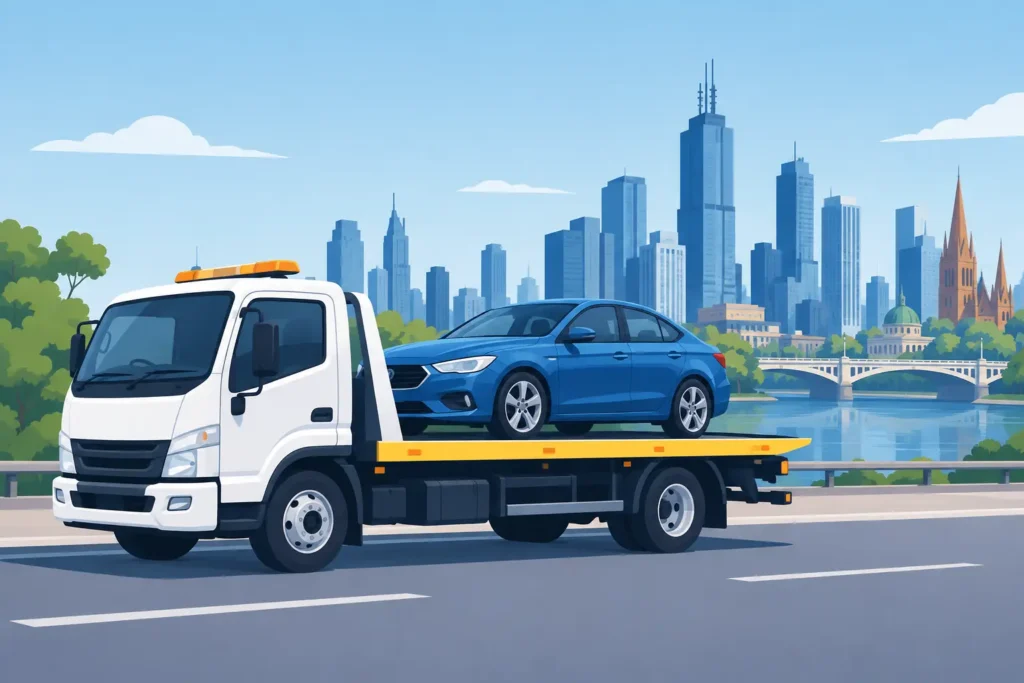
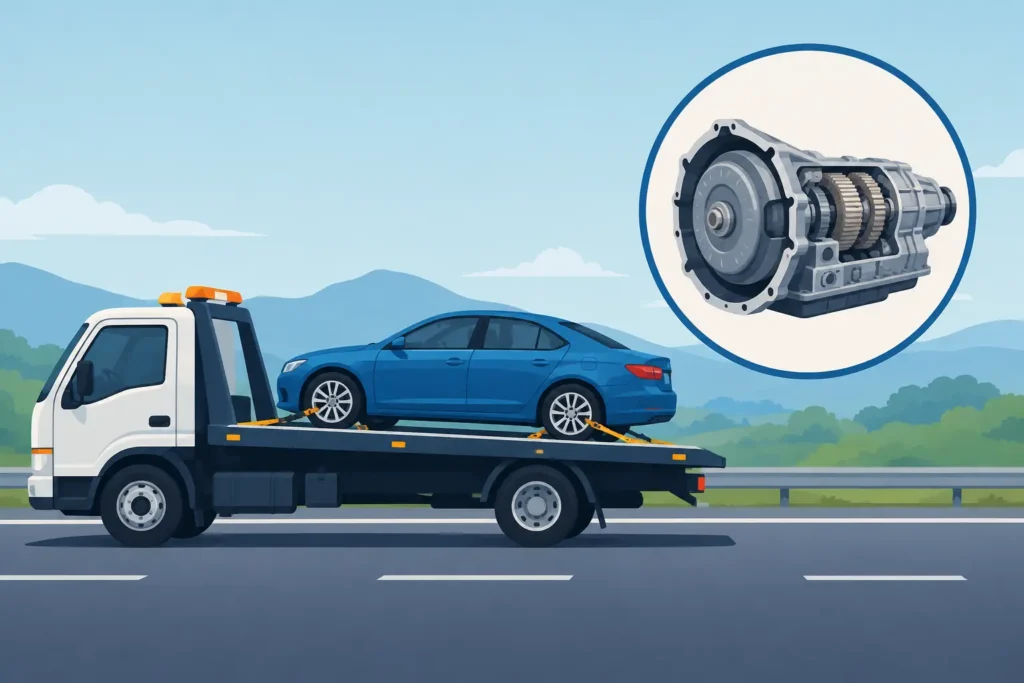
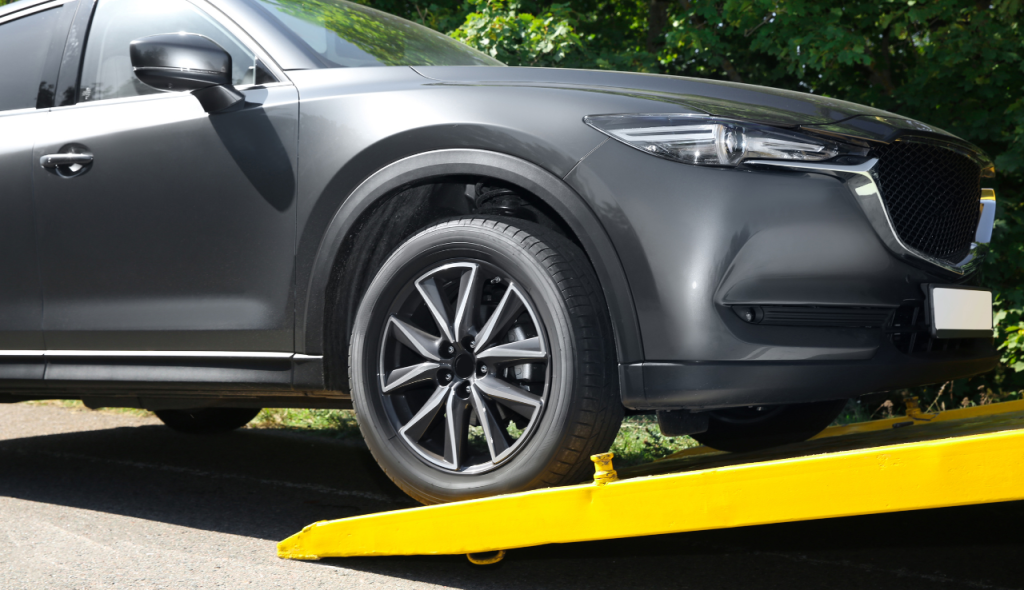
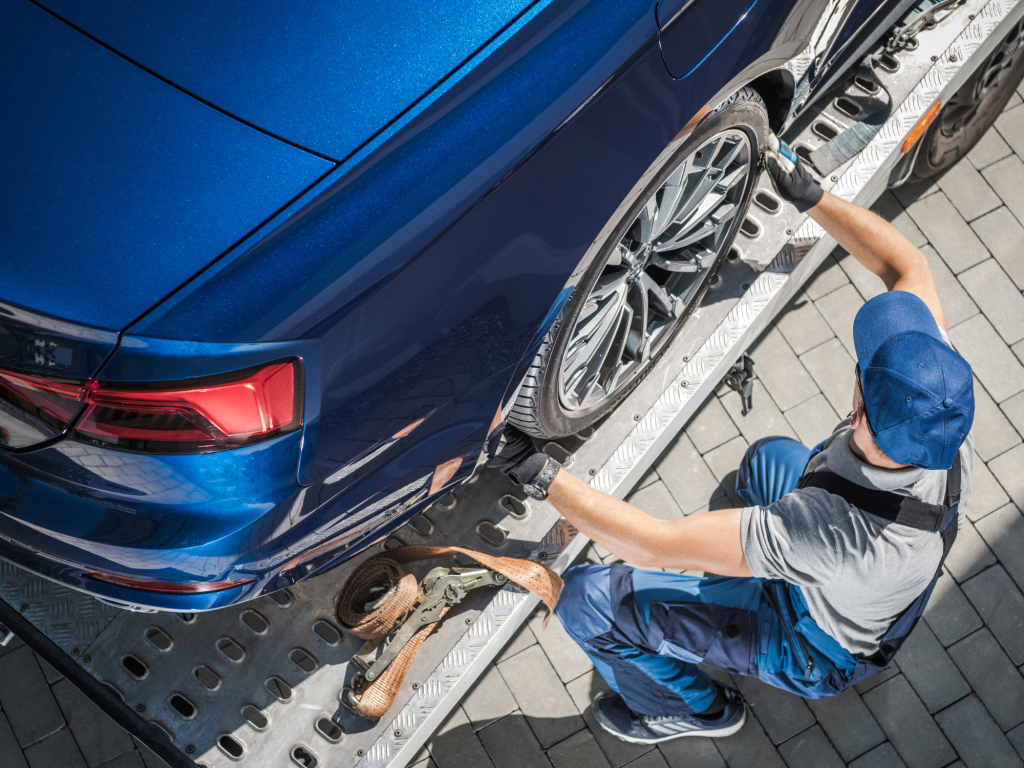
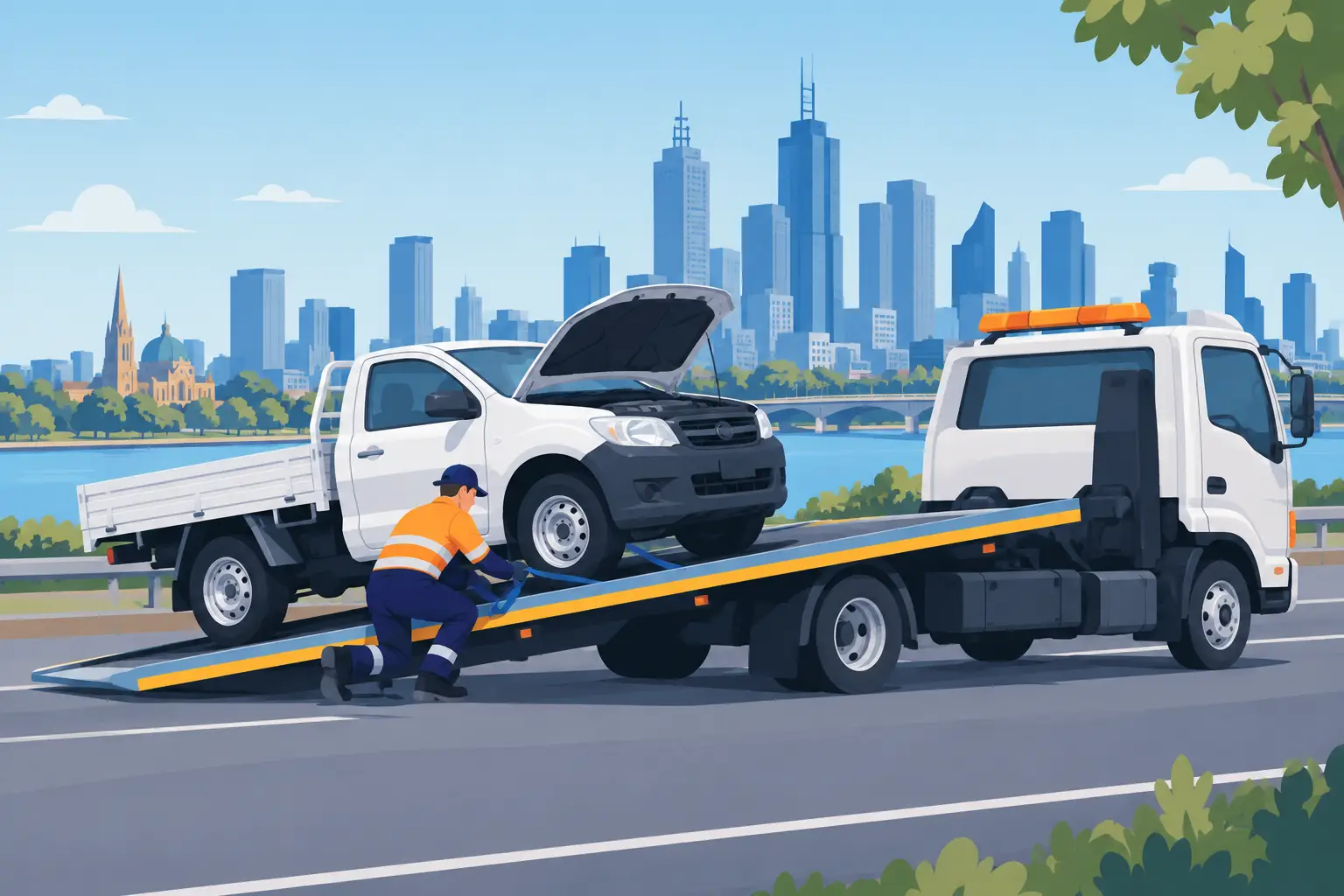
For many broken utes, a flatbed tow truck is the safest transport method. The ute is winched onto a level tray, secured at the wheels and carried with all four wheels off the road. This reduces wear on the drivetrain and avoids relying on a damaged vehicle to roll normally during transport.
Flatbed towing is particularly suitable when the ute has a failed engine, gearbox fault, suspension damage, steering issue, low clearance or suspected wheel damage. It is also the preferred approach for four-wheel drives, all-wheel-drive models, performance utes, EVs and hybrids where incorrect towing can damage expensive components.
A wheel-lift tow may be suitable in limited circumstances, depending on the vehicle and fault. However, it is not a one-size-fits-all solution. Four-wheel-drive and all-wheel-drive utes may require all wheels off the ground unless the manufacturer specifies another approved procedure. If the transmission is locked, the wheels are damaged or the vehicle cannot be safely rolled, the tow operator needs to know before arriving.
Tell the towing provider what has happened
Good information helps send the right truck and avoids delays at the kerb. When you call, explain the ute’s make, model and approximate year, along with the fault you have noticed. Mention whether it starts, rolls, steers and can be shifted into neutral.
Also advise if it is a 4WD, AWD, electric or hybrid model. These details affect how the vehicle is loaded and secured. If the ute is in an underground car park, has low clearance, is on a narrow street or is parked in a tight driveway, say so upfront. Access can determine whether a standard flatbed can reach the vehicle or whether a different arrangement is needed.
Be clear about what is in the tray. A locked toolbox, ladder rack or normal trade gear is usually manageable, but heavy machinery, loose materials, an overloaded tray or a trailer attached to the towbar changes the job. Loose items should be secured or removed before transport. A tow truck can carry your ute safely, but it cannot make unsecured equipment safe at highway speed.
Prepare your ute for careful loading
Once help is on the way, there are a few simple steps that make loading safer. Take photos of the ute from several angles, especially if it has existing damage. This is useful for your own records and takes only a minute.
Remove valuables from the cab where practical. Keep your keys, mobile, wallet, work documents and any required mechanic information with you. If you need the ute delivered after hours, confirm where the keys should be left and whether the workshop has authorised the drop-off.
If the vehicle has a tonneau cover, canopy, roof rack or accessories that could be loose, check that they are shut and secured. Do not disconnect the battery, release the handbrake or attempt to force the gearbox into neutral unless the operator or your manufacturer’s instructions advise it. Modern utes can have electronic park brakes, steering locks and transmission interlocks that complicate recovery.
When the tow truck arrives, point out the problem, any leaks and any modifications that affect clearance or tie-down points. A professional operator will assess the ute before loading, use suitable ramps or winching equipment, and secure it properly for the journey.
Avoid the common shortcuts that cause extra damage
A tow rope and a helpful mate can feel like the quickest solution, but it is rarely the safest one on Melbourne roads. Rope towing gives the following driver limited braking control, creates a collision risk and can be illegal or unsuitable depending on the circumstances. It is especially risky with a dead engine, failed brakes, steering faults or heavy traffic.
The same applies to towing a ute with two wheels on the road without checking the drivetrain requirements. Some vehicles can suffer damage within a short distance if towed incorrectly. A failed automatic transmission may not circulate fluid properly, while an AWD system can be damaged when only one axle turns.
Do not overload the tray with extra gear simply because the ute is being towed. Tools and equipment should be packed securely, and any separate trailer or machinery should be discussed before dispatch. Honest details at the start mean the right equipment arrives and the quoted price is clear.
Choose the destination before the truck arrives
A breakdown tow does not have to end at the nearest workshop. You may prefer your regular mechanic, a dealership, your home, a secure depot or another destination that suits the repair. If the fault is serious, ask the workshop whether they can receive the vehicle before authorising delivery.
For commercial ute owners, think about access the next morning. A workshop with a locked gate, a packed forecourt or no after-hours key drop can create avoidable delays. If your ute carries tools needed for work, collect what you need before it is loaded rather than trying to access it later.
For longer trips, including regional or interstate transport, confirm the full destination, timing and handover process upfront. The right solution depends on the vehicle’s condition, your schedule and whether repairs will be completed locally.
Get clear answers before dispatch
A reliable breakdown towing service should be able to give you a straightforward price and estimated arrival time before dispatch, subject to the details you have provided. Ask whether the quote accounts for your ute type, location, destination, access issues and any special loading requirements.
You should also expect calm communication if the ETA changes because of traffic, weather or another urgent job. Onigo Towing focuses on breakdown transport, with careful flatbed loading and clear updates for drivers across Greater Melbourne. The aim is simple: move the ute without adding stress or damage to an already difficult day.
A broken ute can disrupt work, family plans and the rest of your week. Stopping early and arranging the correct transport gives you the best chance of keeping a small fault from becoming a much bigger one.