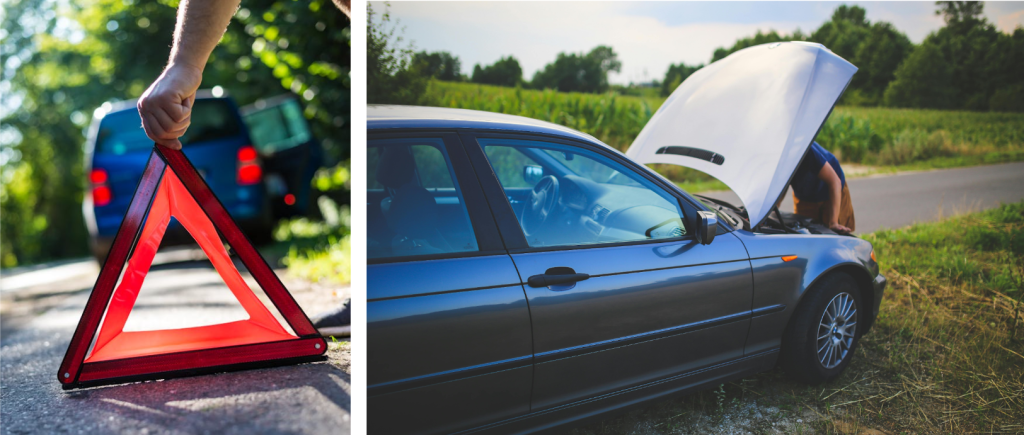

A breakdown close to home is stressful enough. Finding out your car, bike or van needs to go across state lines adds another layer of pressure – especially when you need a clear answer on timing, cost and how your vehicle will be handled. That is where interstate vehicle transport Melbourne drivers can rely on becomes less about logistics and more about choosing a towing team that communicates properly and takes care from pickup to delivery.
If your vehicle has stopped in Melbourne and needs to get to Sydney, Adelaide, Brisbane or regional areas in between, the biggest mistake is treating every transport option as the same. They are not. The right service depends on whether the vehicle is drivable, whether it is low-clearance or high-value, how urgent the move is, and whether you need door-to-door handling or depot-based freight.
When interstate transport makes sense
Most people first think about interstate transport when they are moving house or buying a car from another state. But in breakdown towing, the situation is often more urgent than that. Your engine may have failed while you were travelling. Your van may have broken down in Melbourne but belongs at a workshop in Adelaide. Your EV may no longer be safe or practical to drive long distance, even if it can still roll.
In those cases, proper transport is usually the safer option than trying to arrange multiple short tows, temporary storage and a later pickup. A single plan with one point of contact reduces delays and reduces handling. Fewer handovers usually means less risk to the vehicle as well.
Interstate transport also suits owners of motorcycles, performance cars, classic vehicles and specialty vehicles that need careful loading. If the vehicle is valuable, low to the ground or difficult to source parts for, damage prevention matters more than shaving a small amount off the quote.
Interstate vehicle transport Melbourne: what affects the price
Price matters, but cheap transport can become expensive fast if it comes with poor communication, long delays or careless loading. The quote for interstate vehicle transport in Melbourne will usually depend on distance, vehicle type, urgency and access at both ends.
A standard sedan going from Melbourne to Adelaide is a different job from a non-running 4WD heading to regional New South Wales. If the vehicle does not start, has flat tyres, has steering damage or cannot be rolled freely, loading takes more time and more specialised equipment. That affects the cost.
Timing also changes pricing. Flexible bookings can be more affordable because the job can be grouped with other scheduled movements. Urgent transport often costs more because it needs faster allocation and less room for route planning.
Then there is access. A wide suburban street with easy flatbed loading is straightforward. A tight basement, steep driveway or inner-city loading point with restrictions can add complexity. Honest operators will ask these questions before dispatch, not after the truck arrives.
The difference between towing and car freight
This is where many customers get caught out. Not every interstate provider is set up for breakdown situations. Some freight-style carriers mainly move operable vehicles on a schedule. That can work for dealership transfers or planned relocations, but it is not always the best fit when your vehicle has failed unexpectedly.
Breakdown-focused towing is different. The vehicle may need recovery from a roadside location, a shopping centre car park, a service station or your home. It may need a flatbed because driving or winching it carelessly could cause more damage. It may also need clear condition checks before movement, especially if the mechanical issue is still being diagnosed.
That is why a breakdown specialist can be a better choice when the job starts with a fault, not just a transport booking. The process is built around non-starts, dead batteries, driveline faults, EV handling and vehicles that need care from the first lift.
How safe loading should work
Customers often focus on the trip between states, but the highest damage risk is usually during loading and unloading. That is where experience shows.
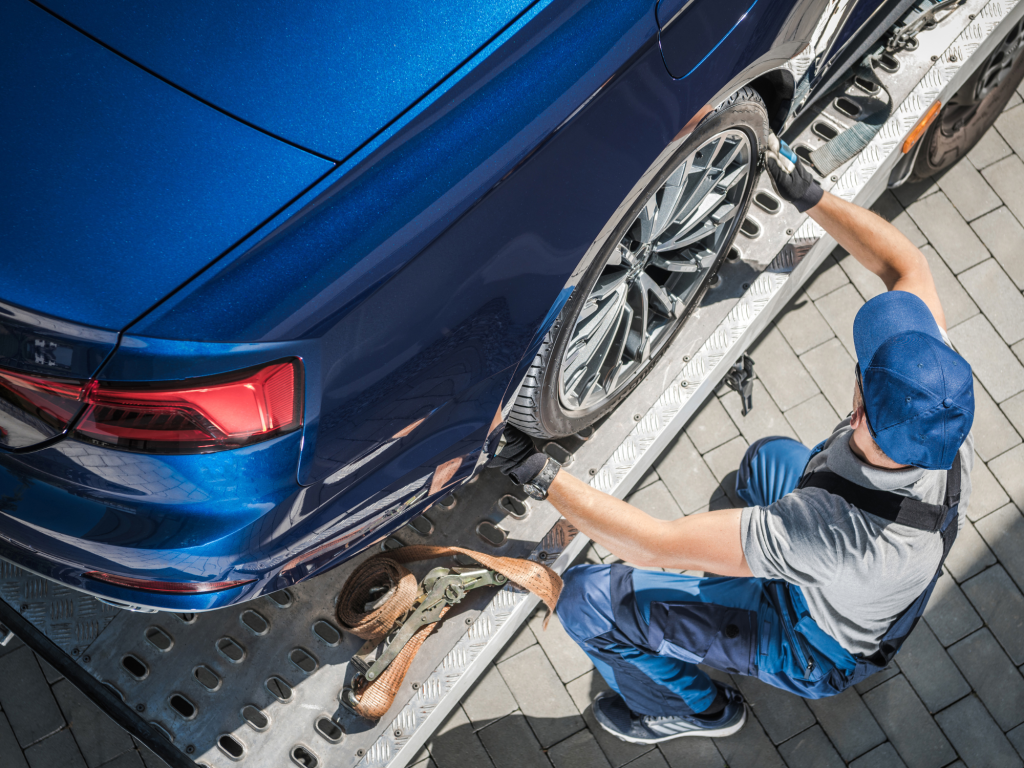
A proper operator will assess the vehicle first. Is it lowered? Is it rear-wheel drive with transmission damage? Does it have limited ground clearance? Is it an EV with specific towing restrictions? Those details matter because the wrong loading angle or tie-down method can create avoidable damage.
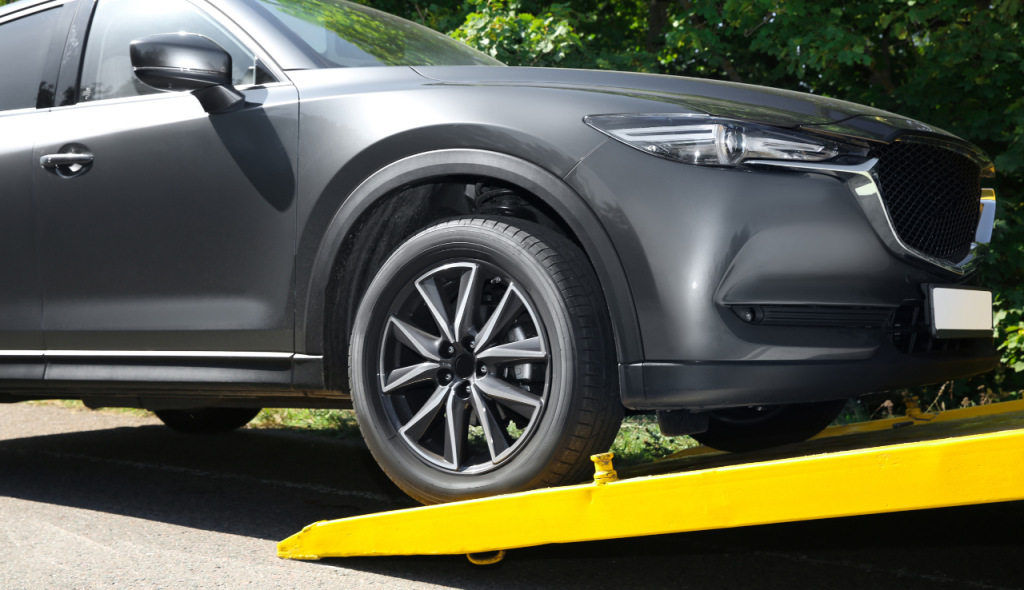
Flatbed transport is often the safer option for breakdown vehicles because it keeps all wheels off the road and gives better control during loading. It is particularly useful for motorcycles, prestige cars, hybrids and EVs. Secure tie-down points, ramp management and patient positioning matter more than speed for its own sake.
Good handling is not flashy. It is careful, repeatable and documented. You want a team that treats the vehicle like it has to hand it back in the same condition.
What to ask before you book interstate vehicle transport Melbourne
If you are comparing providers, keep the questions practical. Ask whether the quote includes pickup and delivery, whether the vehicle must be running, what equipment will be used, and whether there are extra charges for delays or difficult access. Ask for an estimated timeframe, but also ask what could change it.
You should also ask who is responsible for updates. One of the biggest frustrations in interstate jobs is silence. A reliable service gives you realistic timing from the start and keeps you informed if anything shifts.
If your vehicle is a motorcycle, EV, hybrid, lowered car, van or light truck, say that upfront. Do not assume a provider can handle it just because they transport standard vehicles. The more specific you are, the more accurate the quote and plan will be.
Timing: how long does interstate transport take?
There is no single answer, and any company that promises one without asking questions is oversimplifying the job. Melbourne to Adelaide is obviously different from Melbourne to Brisbane, and metro-to-metro transport is often easier than delivery into regional areas.
The main factors are route length, scheduling, weather, traffic conditions, collection windows and whether the vehicle needs immediate pickup or can wait for the next available run. Breakdowns can also involve workshop timing. Sometimes the destination workshop cannot receive the vehicle until a certain day, which affects the delivery plan.
The best approach is to aim for a clear ETA range rather than a vague promise. Reliable operators set expectations properly. They do not guess just to win the booking.
Why communication matters as much as equipment
A modern flatbed and proper restraints are essential, but they are only part of the service. For most customers, the stress comes from not knowing what happens next. Has the truck been assigned? Is the pickup confirmed? Is the vehicle already on the way? Has it reached the workshop or delivery address?
Clear communication removes a lot of that uncertainty. You should know the price before dispatch, understand the process, and know who to call if plans change. That is especially important for business owners with vans and light commercial vehicles. Downtime costs money, and vague updates do not help anyone organise the next step.
This is one reason specialist operators stand out. A team focused on breakdown transport tends to build its service around speed, clarity and careful handover, not just moving volume.
Choosing the right provider for interstate transport
The right provider is not always the cheapest and not always the largest. It is the one that suits your vehicle, your timeframe and the condition the vehicle is in right now.
If your car has a simple relocation job and flexible dates, a scheduled carrier may be fine. If your vehicle has broken down, needs immediate attendance, or requires careful flatbed loading, choose a service that deals with those situations every day. That is where operational focus matters.
For Melbourne drivers, that usually means looking for a company that is upfront on pricing, comfortable with non-running vehicles, available when the problem happens, and clear about how your vehicle will be loaded and transported. If they hesitate on the details, keep looking.
Onigo Towing works in exactly that space – helping drivers who need practical answers, careful handling and a clear plan when a breakdown turns into a longer transport job.
When your vehicle needs to cross state lines, the calmest path is usually the simplest one: deal with a team that explains the process properly, gives you a realistic price and ETA, and treats your vehicle with care from the first lift to the final unload.