A breakdown on a motorcycle leaves very little room for improvising. Unlike a car, a bike cannot simply be pulled with a rope or lifted by whichever part is easiest to reach. The best way to tow motorcycles is usually on a flatbed truck or purpose-built motorcycle trailer, where the bike stays upright, secured at multiple points and completely off the road.
That approach protects the motorcycle, the rider and everyone else on the road. It also avoids the damage that can come from rolling a disabled bike behind another vehicle, loading it at the wrong angle, or compressing the suspension too hard with poorly placed straps.
Why flatbed towing is the safest option
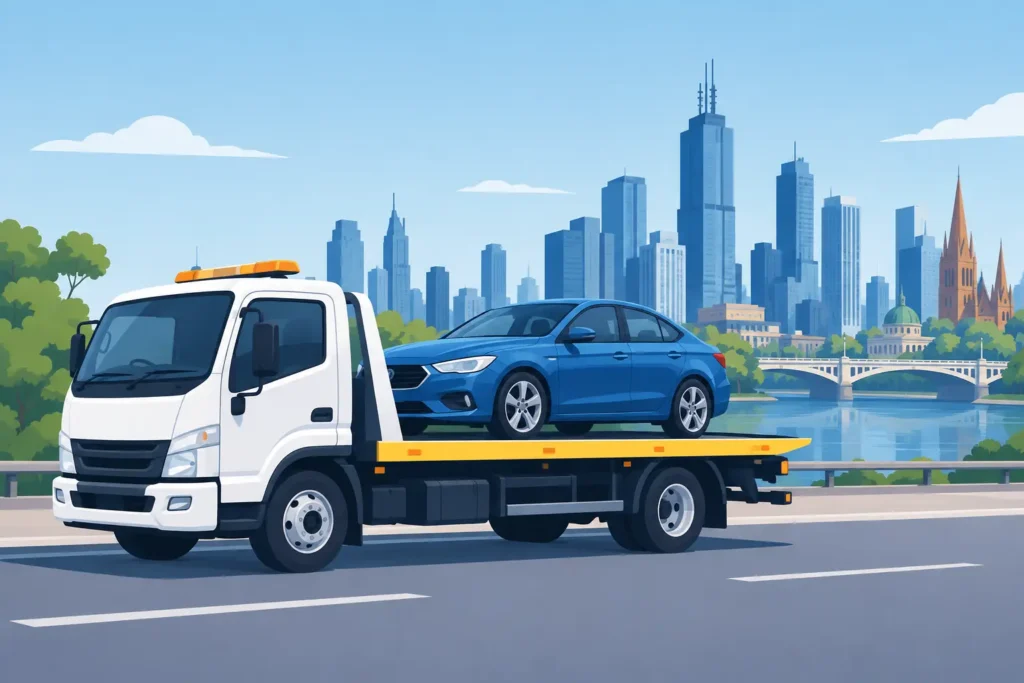
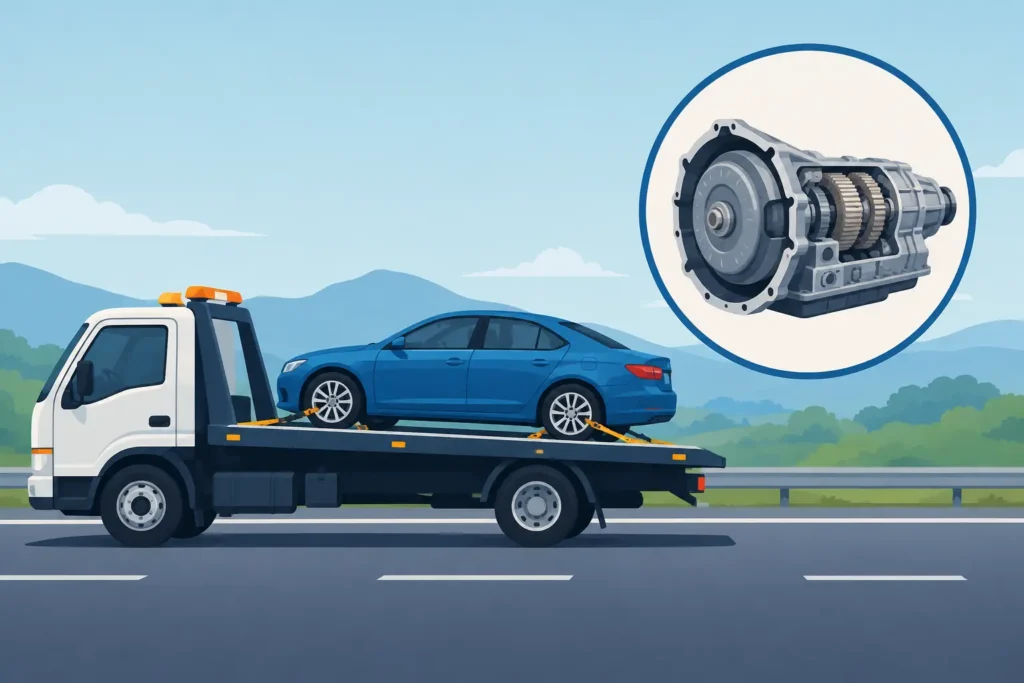
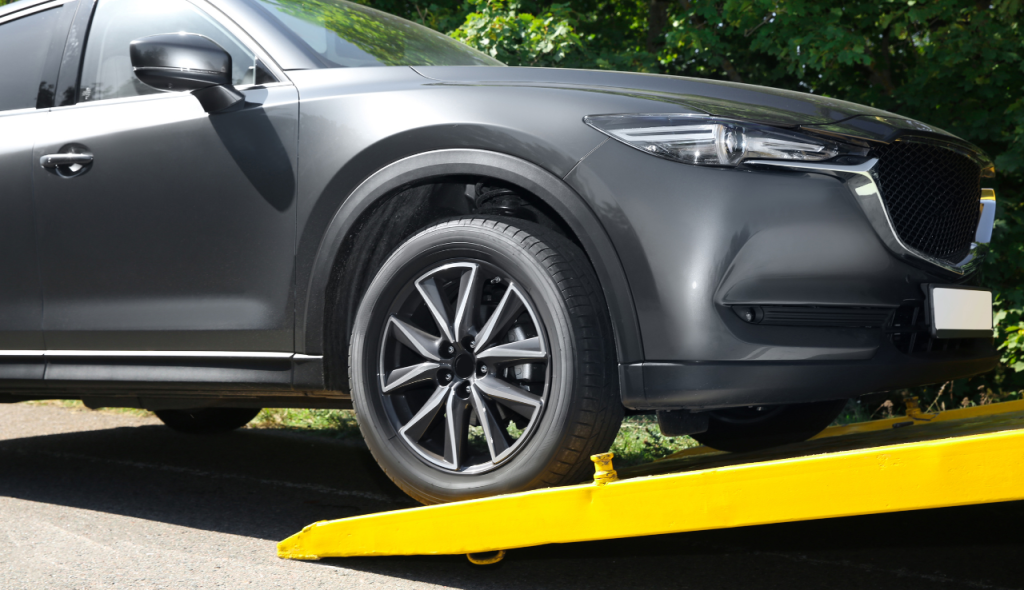
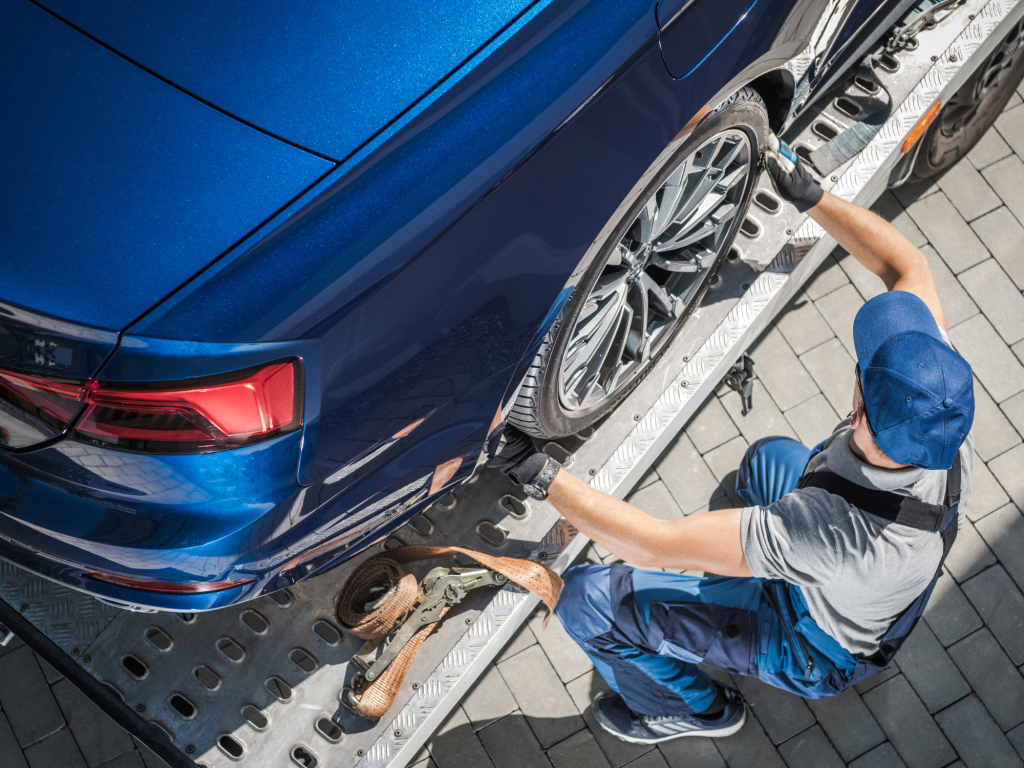
For an unexpected roadside breakdown, a flatbed is generally the safest and most practical towing method. The motorcycle is loaded onto a level tray using suitable ramps, positioned upright and secured before the truck moves. Both wheels are off the road, so there is no risk of a seized bearing, flat tyre, damaged chain or transmission issue getting worse during transport.
A flatbed also gives the operator control over the loading angle. This matters for low-slung cruisers, sports bikes, touring motorcycles and electric motorcycles, where a steep ramp or careless approach can scrape fairings, exhausts, footpegs or the underside of the bike.
Wheel-lift towing can be appropriate for some cars, but it is rarely the preferred answer for motorcycles. Leaving one wheel on the road can put unnecessary stress on the drivetrain and tyres. It can also be unsafe if the bike is unstable, has crash damage, a locked wheel or a steering fault.
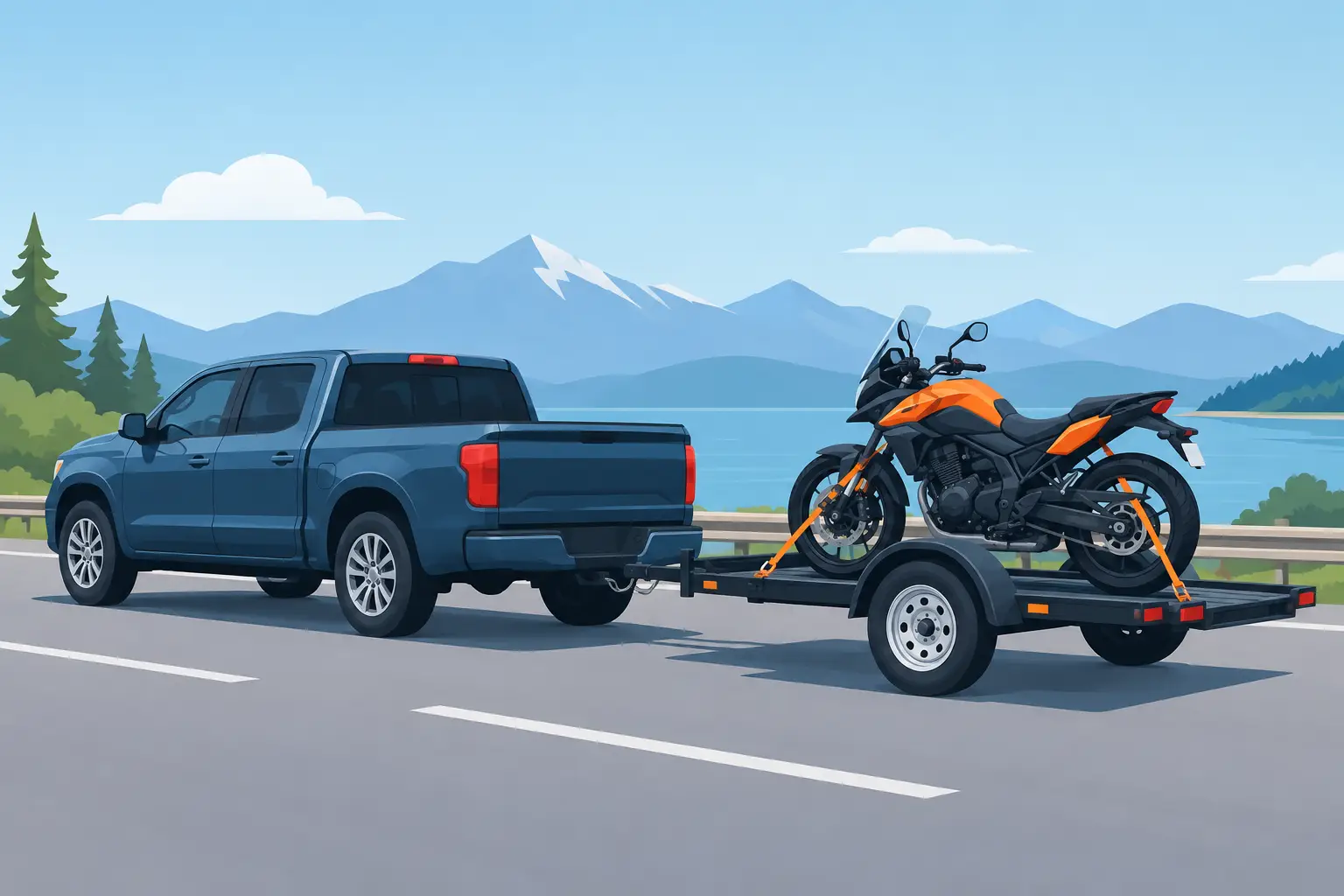
For a planned move, such as taking a bike to a track day, relocating it or transporting a non-running restoration project, a quality motorcycle trailer can work very well. It needs a wheel chock, secure tie-down points, adequate load capacity and a vehicle rated to tow it. For a roadside mechanical failure, however, a professional flatbed is usually the simpler and safer choice.
The best way to tow motorcycles starts with the right loading method
Safe towing is not just about having straps. The loading process determines whether the motorcycle arrives in the same condition it left.
First, the tow operator should assess the bike and the ground around it. A motorcycle stopped beside a busy Melbourne road may need to be moved carefully away from traffic before loading begins. Loose gravel, a steep shoulder, wet tram tracks or an uneven nature strip can all make ramp loading more difficult.
The motorcycle should be rolled, not ridden, onto the tray wherever possible. If it will not roll due to a locked wheel, mechanical damage or an electrical fault, the operator may need a winch and a controlled loading method. Forcing a bike up a ramp or trying to start it simply to make loading easier can create more problems.
Once on the tray, the bike should sit upright, ideally with the front wheel held in a proper wheel chock. The handlebars are kept straight or very slightly turned only where the securing setup requires it. The side stand should not be relied on to hold the bike during transport.
Correct tie-down points matter
A motorcycle must be tied down to strong, appropriate points without rubbing straps against paintwork, brake lines, cables or sharp edges. Soft loops are commonly used around suitable sections of the handlebars, lower triple clamp or frame, depending on the motorcycle’s design. The rear is then stabilised so the bike cannot move sideways or bounce.
There is no single tie-down position that suits every motorcycle. A dirt bike, Harley-style cruiser, scooter, adventure bike and fully faired sports bike all have different clearances and attachment points. This is why the person securing the bike needs to understand how motorcycles are built, rather than treating them like a small car.
The suspension is normally compressed enough to keep the straps tensioned, but not crushed down excessively. Too little tension allows movement. Too much can place avoidable load on seals and suspension components, especially on a long trip over rough roads.
Before leaving, the operator should check that the straps are locked, the wheels cannot roll, and no part of the bike can contact the tray, headboard or another vehicle. Straps can settle after the first few kilometres, so a recheck is good practice on longer transports.
What not to do when a motorcycle breaks down
When you are stranded, it can be tempting to accept the fastest-looking solution. Some methods are cheap, but the risk often outweighs the saving.
Do not tow a motorcycle behind a car with a rope, chain or recovery strap. The rider has limited braking control, visibility is poor, and a sudden stop can cause a serious crash. A bike with an engine, clutch, brake or steering issue may be even harder to control. This is not a safe option on suburban streets, main roads or freeways.
Avoid securing a bike by the handlebars alone, especially with ordinary ratchet straps placed directly over grips, levers or switchgear. Controls can bend or break, and the bike can still move at the rear. Do not run straps over painted panels, sharp fairing edges or hot exhaust components.
Be cautious about transporting a motorcycle in the tray of a ute. It can be done with suitable ramps, a wheel chock and rated anchor points, but the loading height is greater and the margin for error is smaller. A bike should never be loosely leaned against the side of a tray or held by one person while another drives.
If the motorcycle has been in a crash, is leaking fuel, has damaged forks or will not steer properly, tell the tow provider before they arrive. Those details affect how the bike should be loaded and secured.
Information to give your towing provider
Clear information helps the right truck and equipment arrive the first time. When calling for motorcycle breakdown towing, provide the make and model, your exact location, the bike’s condition and where it needs to go.
Mention any useful details, such as a flat tyre, locked rear wheel, dead battery, key issue, puncture, chain failure or electrical fault. Let the operator know if the bike is in an underground car park, on a narrow street, at a service station or beside a freeway. Access can affect which truck is suitable and how loading is managed.
It is also worth mentioning accessories that change the bike’s width or weight. Panniers, top boxes, sidecars, crash bars, tall screens and aftermarket suspension can all affect tie-down placement. Electric motorcycles deserve particular care because they can be heavy and may have specific transport guidance from the manufacturer.
A professional provider should give you a clear price and estimated arrival time before dispatch where possible. You should also know whether you can travel with the truck, or need to make separate arrangements. This avoids a second problem after the motorcycle has been loaded.
Choosing a motorcycle towing service in Melbourne
The nearest available tow truck is not always the right one. Ask whether the provider uses flatbed equipment for motorcycles and whether they routinely handle breakdown transport rather than treating bikes as an occasional add-on.
Look for clear communication. You need to know the expected arrival time, what the service will cost, where the bike is being taken and what happens if access is difficult. A careful operator will ask about the bike’s condition before arriving, not after it is already on the tray.
For riders across Greater Melbourne, Onigo Towing focuses on breakdown towing with modern flatbed equipment and straightforward updates from dispatch to delivery. That specialist approach matters when your motorcycle needs to get to a mechanic, home or another safe location without unnecessary handling.
While you wait for the tow truck
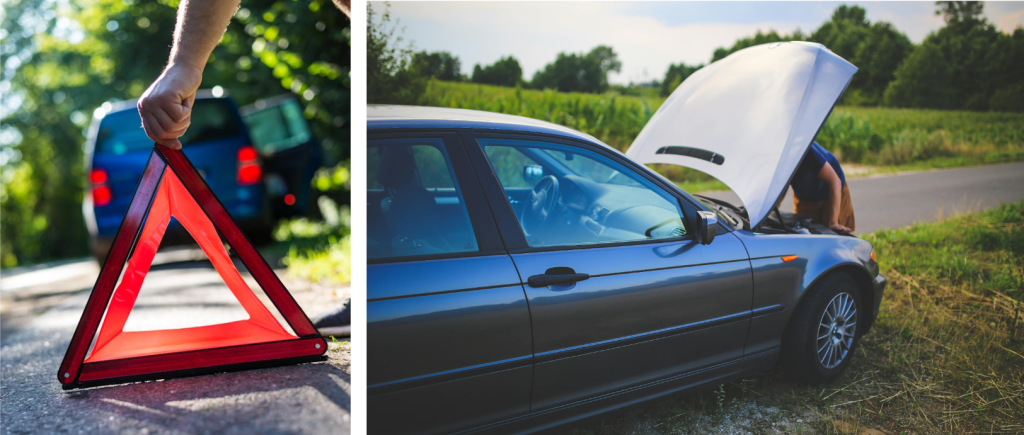
Move yourself and the motorcycle to the safest practical position, away from moving traffic. Turn on hazard lights if your bike has them, wear a high-visibility vest if available, and stand well clear of the traffic lane. On a freeway or fast road, personal safety comes before protecting the bike from the weather or finding the perfect stopping spot.
Take a few photos of the motorcycle and note any existing damage. Gather loose luggage, your key, registration details and anything you will need at the destination. If the bike is secure, avoid repeatedly trying to start it, particularly if you smell fuel, notice smoke or suspect an electrical fault.
A motorcycle is easier to repair than a rider is to replace. Choosing proper flatbed transport, giving accurate information and waiting in a safe spot are the small decisions that keep a frustrating breakdown from becoming a much bigger problem.