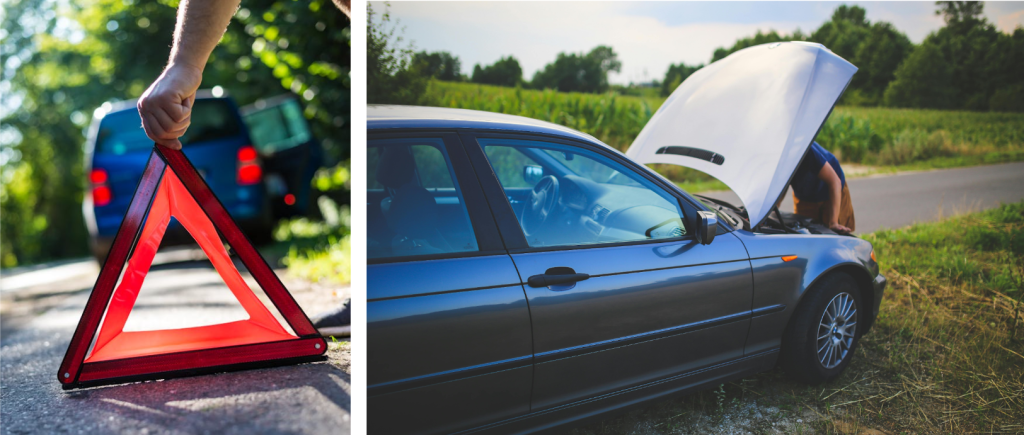
A motorcycle that will not start on a Melbourne roadside is not just inconvenient. It leaves you exposed, hard to see in traffic, and often a long way from the tools or transport you need. That is why motorcycle breakdown towing is not something riders should leave to guesswork. The way the bike is loaded, secured and transported matters just as much as how quickly help arrives.
When a bike breaks down, most riders want the same three things. They want a fast ETA, a clear price before dispatch, and confidence that the person turning up knows how to handle motorcycles properly. That sounds simple, but not every towing service is set up for it.
What makes motorcycle breakdown towing different
A motorcycle is not just a smaller version of a car. It balances on two wheels, carries weight differently, and can be damaged easily if the wrong tie-down points or loading angles are used. Fairings, forks, bars, exhausts and low-clearance parts all need proper attention.
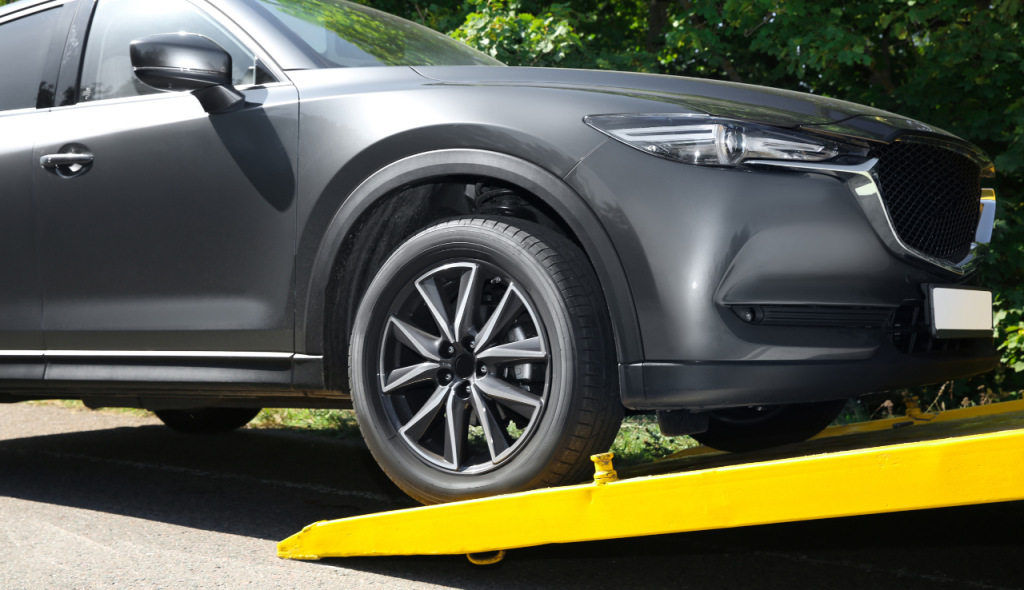
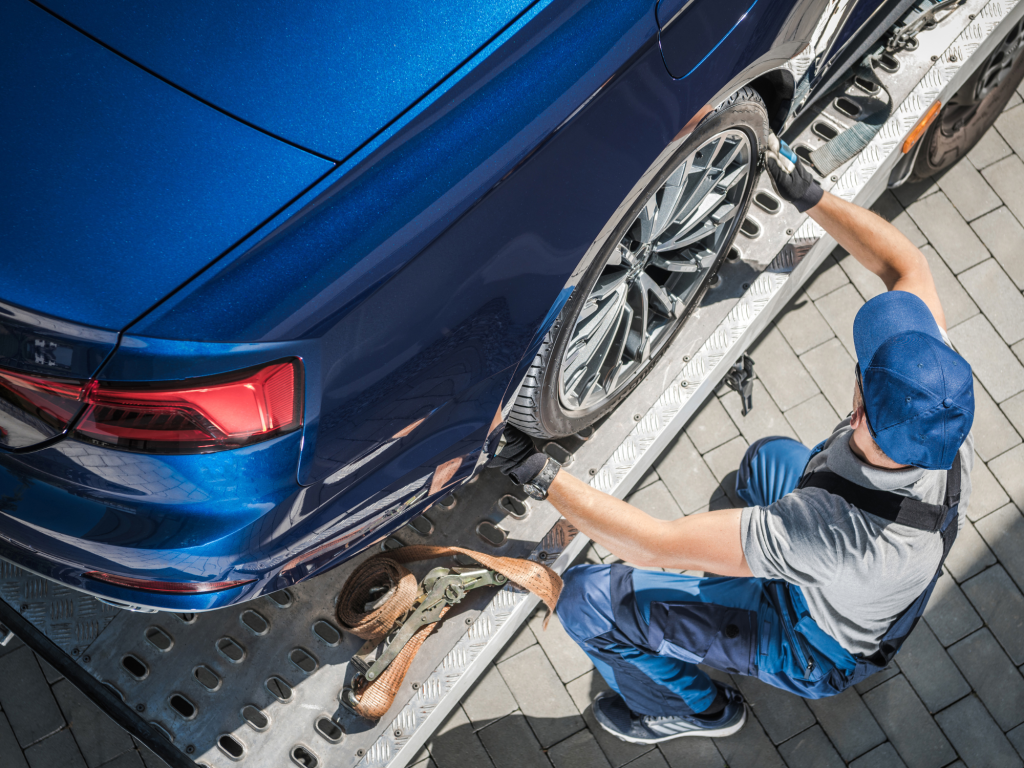
That is why motorcycle breakdown towing should be handled with the right equipment and a method that suits the bike. A proper flatbed setup, careful ramp use and secure tie-downs make a real difference. If a bike is rushed onto the truck or strapped down poorly, a mechanical breakdown can turn into transport damage.
For riders, that is often the biggest worry. The breakdown is bad enough. The last thing you want is scratched paint, bent components or stress on parts that were fine before the tow.
When to call for a tow instead of trying to ride on
Some faults leave no room for debate. If the engine cuts out, the battery is flat, the bike will not restart, or there is a clear mechanical issue, it is usually safer to stop and call. The same applies if you notice fluid leaks, electrical faults, overheating, clutch problems or anything affecting braking or power delivery.
There are also the grey-area situations where it depends. A bike might restart after a few minutes, or it may feel mostly normal at low speed. That does not always mean it is safe to continue. Intermittent faults can return in traffic, and a bike that dies again in a busy lane or at night becomes a much bigger problem.
If you are unsure, err on the side of caution. A controlled tow to your mechanic, home or workshop is usually the lower-risk option compared with riding a bike that may fail again a few kilometres later.
What riders should expect from a towing service
In a breakdown, clear communication matters almost as much as the truck itself. You should be able to call, explain what has happened, and get a straightforward answer about price and ETA. If a service cannot tell you when they are likely to arrive or how the bike will be transported, that is not reassuring when you are already stranded.
A dependable operator will ask practical questions. Where are you located? Is the bike upright and accessible? Is it in a car park, on a busy road, at home, or outside a workshop? Does it roll freely? Is there any issue with steering lock, flat tyres or damage that affects loading? Those details help avoid delays and make sure the right equipment is sent.
You should also expect care. Motorcycles need proper positioning on the tray, sensible loading angles and secure restraint. Fast service is important, but speed without care is not much use.
How careful loading protects your bike
The loading stage is where good towing practice shows. A motorcycle needs to stay stable from the moment it leaves the ground to the moment it is unloaded. That means controlled ramp use, steady movement and tie-downs applied in a way that keeps the bike secure without placing unnecessary strain on vulnerable parts.
Different bikes can need slightly different handling. A sports bike with low fairings is not the same as an adventure bike, cruiser, learner bike or custom build. Weight, ground clearance and body shape all affect how the bike should be loaded. The right approach is not about overcomplicating it. It is about paying attention.
This is one reason specialist breakdown operators stand out. When towing is focused on mechanical failures rather than being split across accident recovery and other work, the process is usually more consistent. That matters when the goal is a stress-free tow, not just getting the job finished.
Why fast response still needs to be honest
Every stranded rider wants quick help, especially in poor weather, after dark or on a major road. Fast dispatch is important, but so is accuracy. An unrealistic ETA might sound good on the phone and feel frustrating twenty minutes later when nobody has arrived.
Good service is built on honest timing and updates if conditions change. Melbourne traffic, distance, roadworks and current demand all affect response times. The key is not pretending those things do not exist. It is keeping riders informed so they know what is happening and what to expect.
That same principle applies to pricing. Breakdown towing is much easier to approve when the cost is explained upfront before dispatch. Surprises on arrival rarely go down well, particularly when someone is already dealing with the expense of repairs.
Motorcycle breakdown towing in Melbourne comes down to local response
Melbourne riders are dealing with a mix of inner-city congestion, suburban roads, industrial areas and longer outer-metro stretches. A breakdown in the CBD is different from one in the eastern suburbs, the north, the bayside area or on the edge of Greater Melbourne. Access, traffic flow and pickup conditions can all change the job.
That is why local coverage matters. Motorcycle breakdown towing in Melbourne works best when dispatch is built around quick movement across the metro area, not broad promises with limited actual reach. A service that understands local roads, peak periods and common pickup points can usually move faster and communicate more clearly.
For riders, the practical benefit is simple. Less waiting, fewer misunderstandings and a better chance of getting the bike where it needs to go without more hassle.
What to do while you wait for the tow truck
Once you have booked the tow, your priority is safety. If you can, move the bike to a safer position off the road without putting yourself at risk. Turn on hazard lights if fitted, stay visible, and keep clear of moving traffic. If the location feels unsafe, focus on getting yourself to a safer spot first.
Have the key details ready on your mobile. That includes your exact location, the bike make and model, the destination address, and any issues that could affect loading. If the front wheel is locked, the tyre is flat or the bike is stuck in an awkward position, say so early. It helps the driver arrive prepared.
If you carry luggage or accessories, think about what should come with you rather than staying on the bike. Most jobs are straightforward, but it is still sensible to remove valuables before transport.
Choosing a service when the bike matters to you
For many riders, a motorcycle is more than transport. It may be a daily commuter, a weekend bike, a high-value machine or something customised over time. That changes what you care about. You are not just paying for movement from one point to another. You are paying for careful handling and peace of mind.
That is where the difference between general towing and specialist breakdown towing becomes clear. A rider with a valuable or well-kept bike usually wants reassurance about loading methods, restraint points and transport care. Those are fair questions to ask. A professional service should be comfortable answering them plainly.
In Melbourne, Onigo Towing is built around that breakdown-focused approach. The emphasis is on quick dispatch, upfront pricing, careful loading and clear communication from first call to drop-off. For riders stuck on the roadside, that kind of clarity can make a bad situation much easier to manage.
The best towing experience is not the one with the flashiest promise. It is the one where the truck arrives when you were told it would, the bike is handled properly, and you are not left chasing answers while standing beside the road. If your motorcycle has let you down, choose the kind of help that keeps the next problem from starting.