A flat battery outside your home is frustrating. A non-start on the Monash at night, with traffic moving beside you, is a different situation altogether. Towing insurance can reduce the cost and uncertainty of getting your vehicle to safety, but only if you understand what your policy actually covers before you need it.
For Melbourne drivers, the detail matters. Your cover may include a short tow to the nearest repairer, a set dollar limit, or roadside help that does not extend to transport. Some policies require you to call their assistance line first. Others let you arrange a tow and seek reimbursement later. The right move depends on the policy, the vehicle and where you have broken down.
What towing insurance usually means
Towing insurance is not always a standalone product. It is commonly included as part of comprehensive car insurance, roadside assistance, or an optional extra added to a policy. These are related services, but they are not the same thing.
Roadside assistance is designed to get a vehicle moving again where possible. A technician may help with a flat battery, flat tyre, empty fuel tank or simple lockout. If the fault cannot be safely fixed on the roadside, towing may be included as the next step.
Insurance cover can also pay for towing following an insured event, such as a collision, theft recovery or storm damage. That type of cover may have different conditions from breakdown towing. A mechanical failure is not automatically an insurance claim, even when your vehicle needs a tow truck immediately.
The practical question is simple: if your car will not drive, who pays to move it, where can it be taken, and what do you need to do before arranging transport?
Check the limits before your vehicle breaks down
The word “included” can create a false sense of security. Towing may be included, but the cover can be limited by distance, location, vehicle type, the number of call-outs per year or the destination.
For example, a policy might cover a tow to the nearest suitable repairer, rather than the mechanic you normally use across town. That may be fine when you are stranded nearby, but less helpful if your preferred workshop is 30 kilometres away. A capped benefit may also cover only part of a long-distance tow.
Read your Product Disclosure Statement and roadside assistance terms with these situations in mind:
- Your vehicle breaks down after hours or on a weekend.
- You are outside metropolitan Melbourne or travelling interstate.
- The vehicle is an EV, hybrid, motorcycle, van, ute or light truck.
- You need transport to a specific mechanic, dealership or your home.
- The vehicle cannot be rolled, steered or started safely.
Specialty and commercial vehicles deserve extra attention. A motorcycle needs correct restraints. EVs and performance vehicles may require flatbed transport and careful loading. A loaded van or light truck can affect what equipment is suitable and whether the vehicle can be moved safely. Never assume a standard roadside benefit is enough without checking the conditions.
Comprehensive insurance does not always cover a breakdown
Comprehensive insurance generally protects you against listed events such as collision damage, theft, fire and weather-related damage. It does not usually act as a maintenance plan. If your alternator fails, the engine overheats or the car will not start due to a mechanical or electrical issue, the repair itself is unlikely to be covered.
The tow may still be covered under a roadside package or an optional towing benefit, but that is separate from paying for the failed part or workshop repair. Third party property cover is even less likely to include breakdown transport unless roadside assistance has been added.
This distinction is worth knowing when you call your insurer. Be clear about what happened: was there an accident, a mechanical failure, a flat battery, a puncture, or a warning light that made it unsafe to continue? Accurate information helps the provider direct you to the correct process and send suitable equipment.
What to do when you need a tow
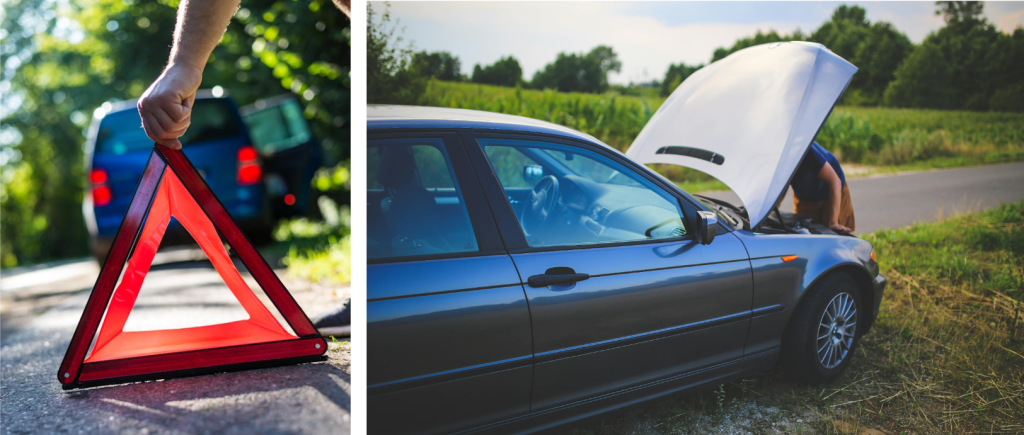
Safety comes first. If you can do so safely, move off the traffic lane, switch on your hazard lights and keep clear of passing vehicles. On a freeway or high-speed road, do not attempt roadside repairs or stand near traffic. If there is immediate danger, contact emergency services.
Once you are in a safer position, check your insurer or roadside assistance app, membership card or policy documents. Look for the assistance number and whether you must obtain authorisation before a tow is arranged. If you organise a tow independently when prior approval was required, reimbursement may be delayed or declined.
When speaking with an assistance provider or towing company, have your location, registration, vehicle make and model, fault symptoms, and destination ready. Mention access issues such as low clearance, a locked steering wheel, an underground car park, a trailer, or whether the vehicle is electric or hybrid. This helps ensure the right truck is dispatched rather than creating a second wait at the roadside.
Ask for the estimated arrival time, towing destination, expected price and whether there are additional charges for distance, tolls, after-hours work or difficult recovery conditions. A clear price before dispatch is particularly valuable when you are paying privately or when your cover has a cap.
When paying privately can make sense
Insurance or roadside cover is useful, but it is not always the fastest or most flexible option. You may prefer a private tow if your policy only allows transport to the nearest repairer, the wait through the assistance network is longer than you can manage, or the benefit limit does not reach your chosen destination.
Paying privately can also be practical if you have already used your annual call-outs or if you need long-distance vehicle transport that sits outside your policy terms. The trade-off is that you need to confirm the full cost yourself and keep the invoice if you plan to ask your insurer about reimbursement.
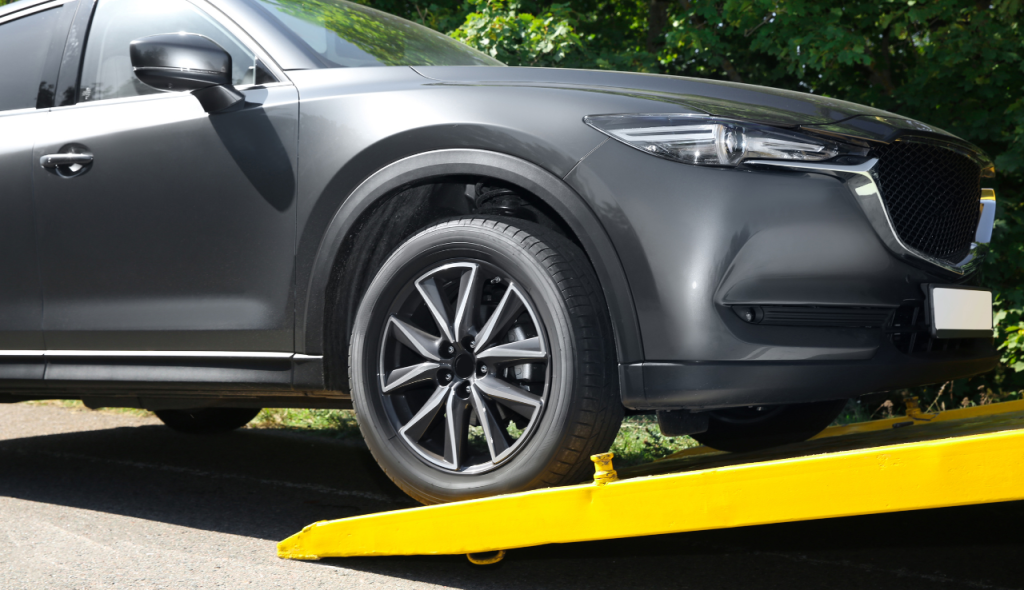
A professional breakdown towing provider should explain the process plainly: what vehicle is being collected, where it is going, how it will be loaded, the likely ETA and the agreed price. For vehicles that need extra care, ask whether a flatbed will be used and how the vehicle will be secured. The cheapest quote is not always the best value if it does not account for safe loading or your vehicle’s condition.
Questions worth asking your insurer now
A quick call or policy review before trouble starts can save a stressful decision later. Ask whether breakdown towing is included, how far the vehicle can be towed, how many call-outs you receive, and whether a specific repairer can be nominated.
Also ask whether EVs, motorcycles, vans and modified vehicles have separate rules. If you regularly travel beyond Melbourne, check whether the cover changes in regional Victoria or interstate. Finally, confirm whether you can choose a towing company, whether pre-approval is needed, and what documents are required for reimbursement.
Keep the relevant phone number in your mobile and a copy of your policy details in the vehicle. It is a small preparation step that can make a breakdown feel far more manageable.
Choosing a tow operator after a mechanical failure
When a vehicle will not start, clear communication matters as much as availability. The tow operator should ask enough questions to understand the fault and vehicle type, then give you a realistic ETA and upfront price. They should not pressure you into an unclear destination or leave you guessing about extra charges.
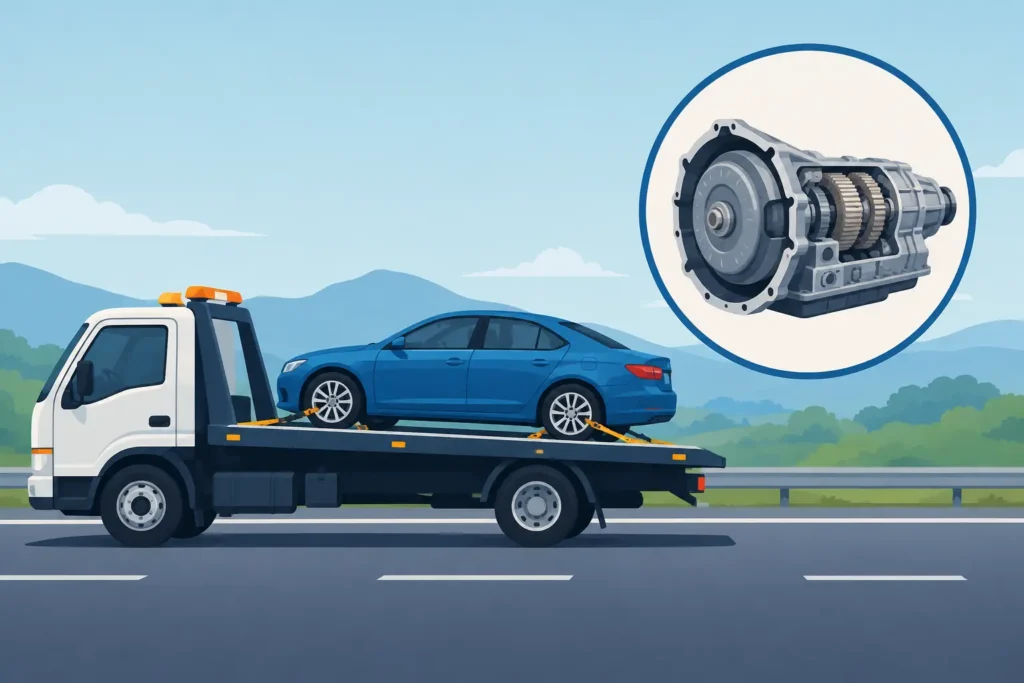
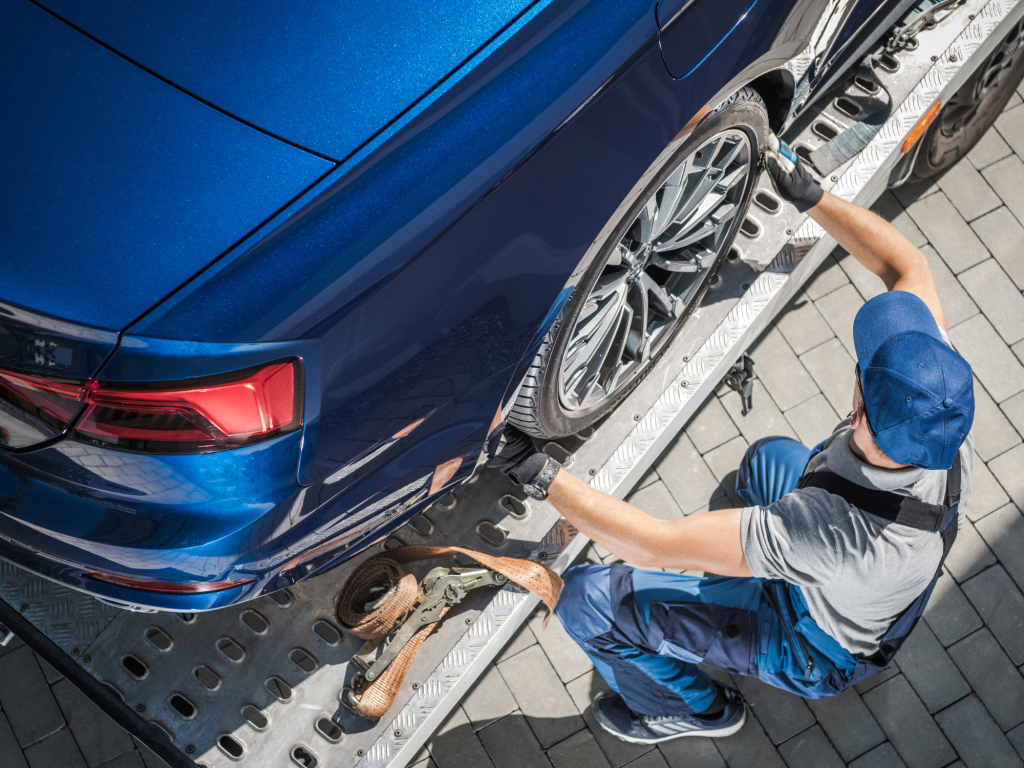
For a breakdown tow, careful handling is essential. A vehicle with a transmission fault, damaged tyre, flat battery or EV issue may not be safe to drive onto a truck in the usual way. Proper loading equipment, secure tie-downs and an operator who understands the vehicle are part of protecting it from further damage.
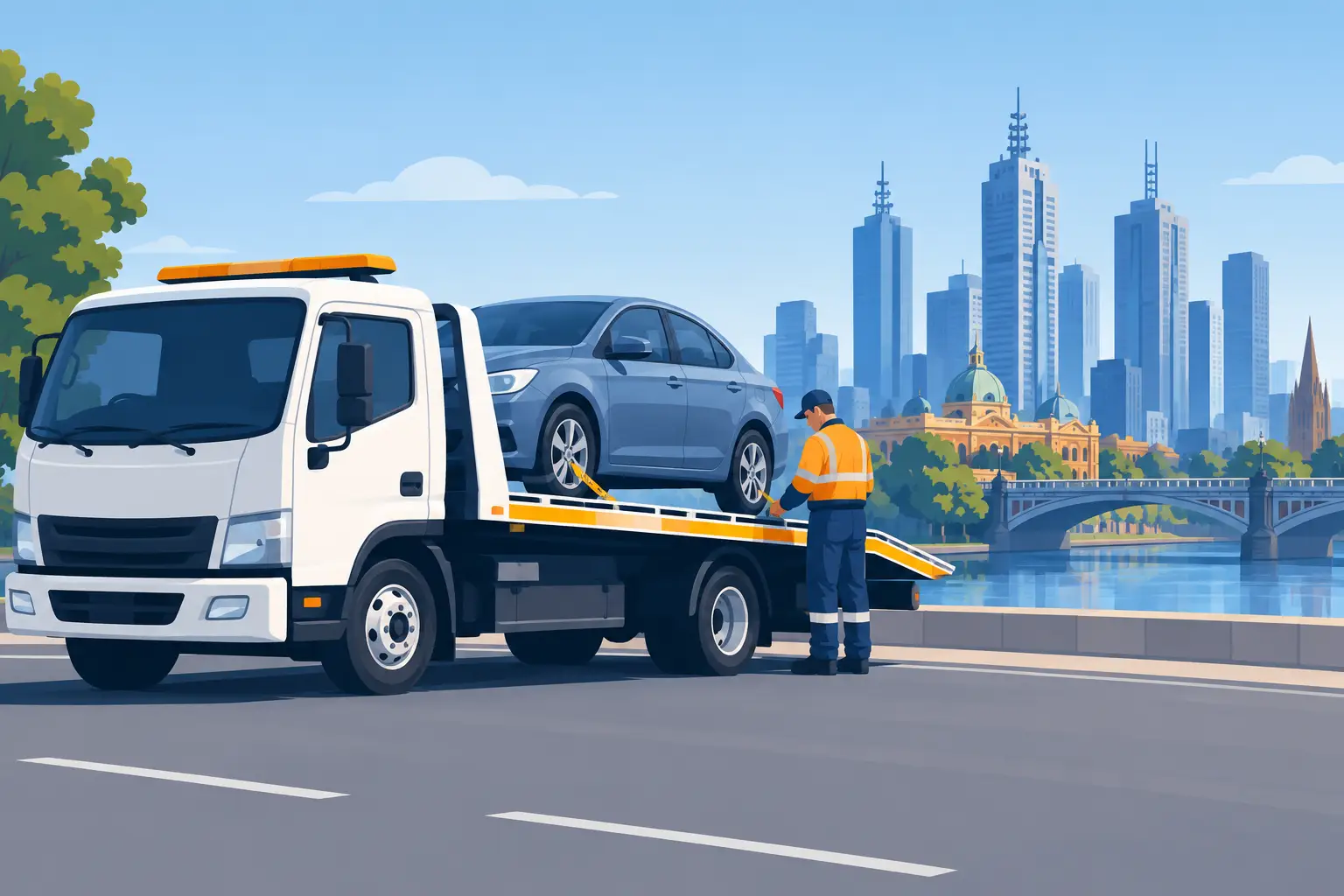
In Greater Melbourne, Onigo Towing focuses on breakdown transport, with modern flatbed equipment for cars, motorcycles, EVs, vans, light trucks and specialty vehicles. Whether you are using towing insurance or arranging a private tow, the goal is the same: get the vehicle safely to the right place without adding more stress to an already difficult stop.
Before your next trip, take two minutes to check the towing terms attached to your insurance. If the unexpected happens, you will know who to call, what your cover can do and when a clear upfront towing quote is the better option.