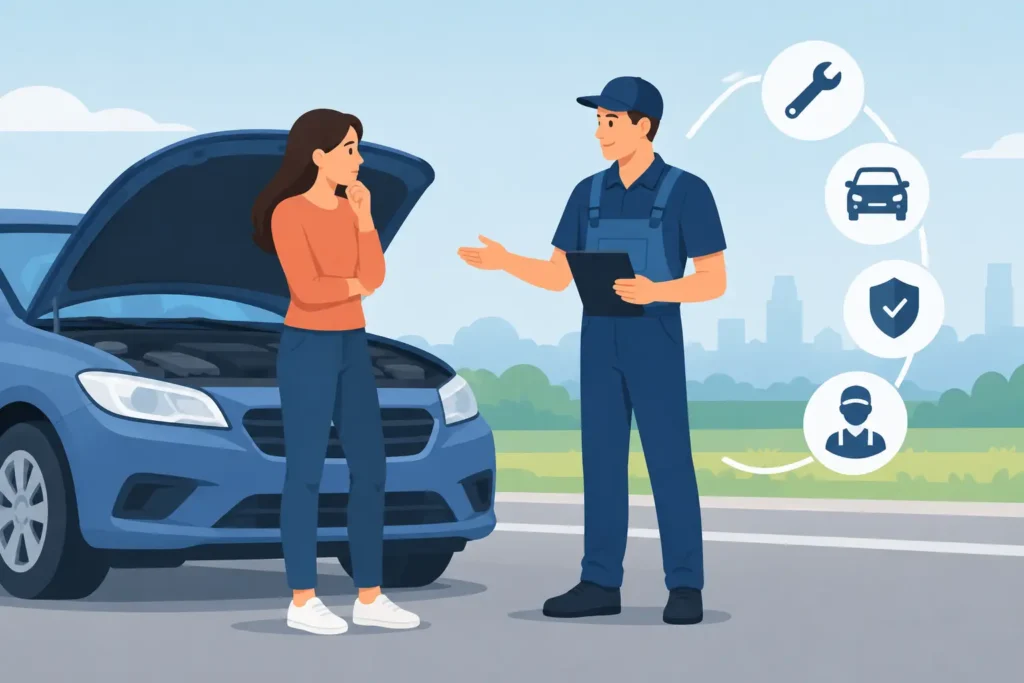
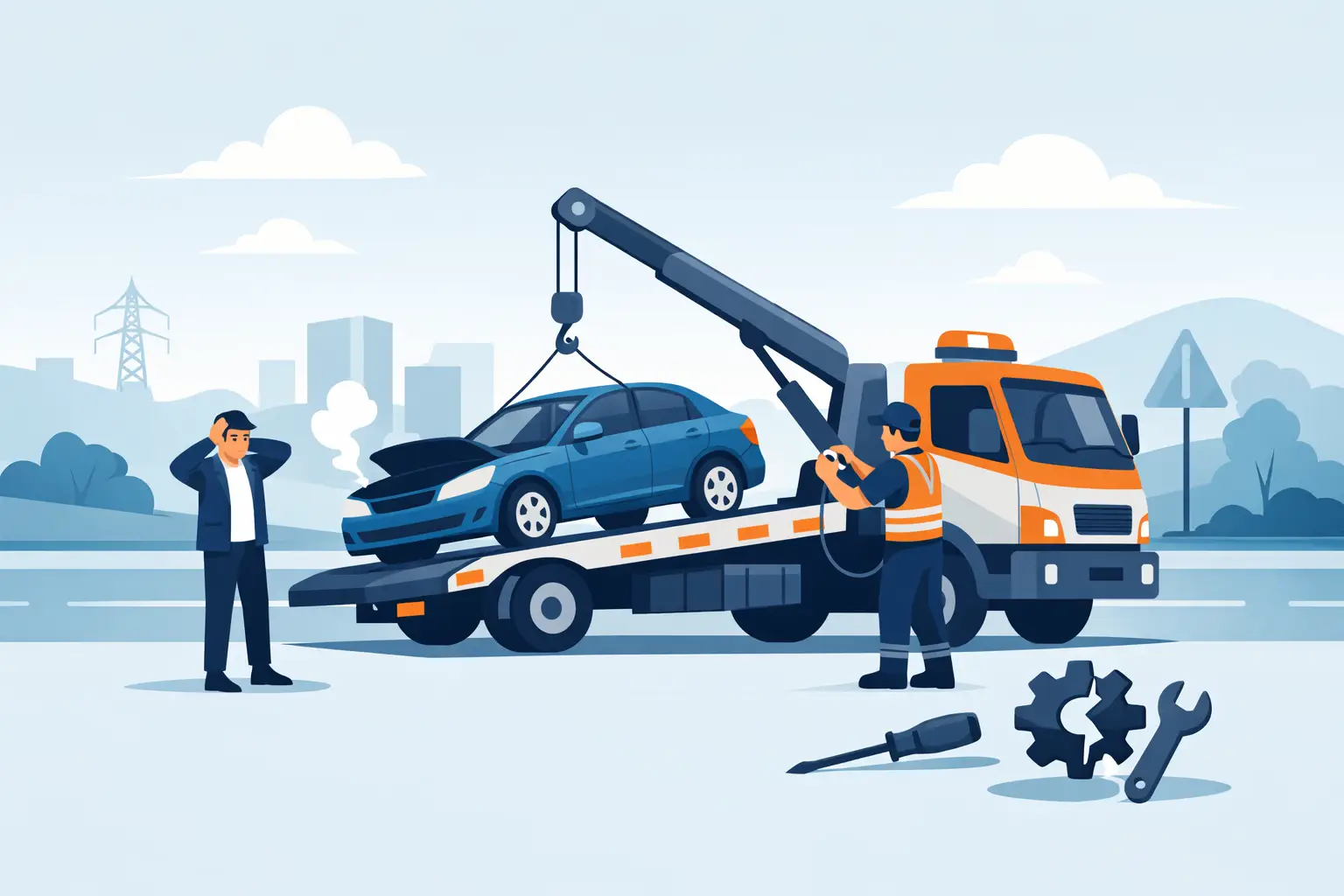
A car that suddenly loses power on CityLink, a van that will not restart outside a job, or a bike stuck on the shoulder with an engine warning light – this is when a mechanical failure towing service matters. In that moment, most drivers are not comparing features. They want a fast answer, a clear price, and confidence that their vehicle will be handled properly.
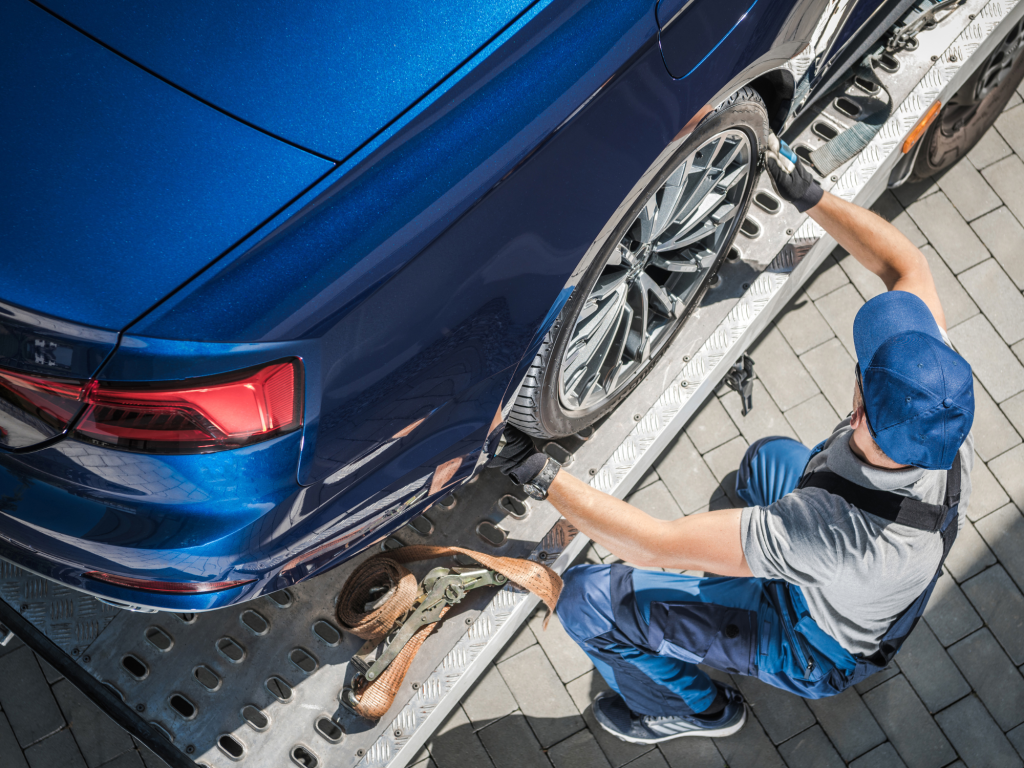
Breakdowns are different from accident scenes, and the towing response should reflect that. When the issue is mechanical, the priority is safe transport without making the fault worse. That means the right truck, careful loading, secure tie-downs, and clear communication from dispatch through to drop-off.
What a mechanical failure towing service actually covers
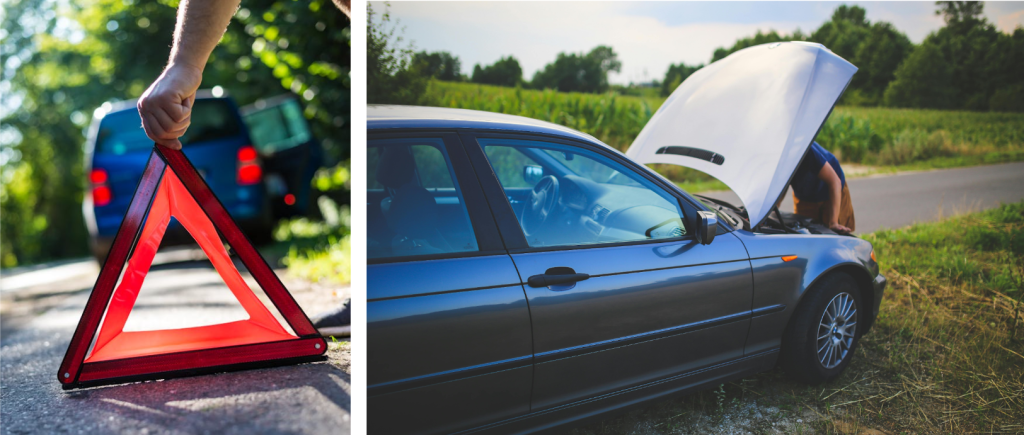
A mechanical failure towing service is designed for vehicles that cannot be driven safely or should not be driven any further. Sometimes the car will not start at all. Sometimes it starts, but makes a harsh noise, overheats, drops into limp mode, or shows a battery or drivetrain warning that tells you to stop.
This kind of towing usually covers non-starts, flat batteries where a tow is the safer option, overheating, transmission failure, clutch problems, engine faults, steering issues, suspension damage from a breakdown-related defect, and electrical faults in EVs and hybrids. It can also include motorcycles, vans, utes, light trucks, and specialty vehicles that need transport to a workshop, home, depot, or another nominated location.
The key point is simple – if driving the vehicle risks more damage or leaves you unsafe on the road, towing is usually the right call.
When to stop driving and call for breakdown towing
Some faults give you a bit of warning. Others do not. A small vibration can become a major driveline issue within minutes. An overheating engine can turn into a far more expensive repair if you try to push through traffic to reach a mechanic yourself.
If you notice smoke, burning smells, sudden loss of power, gearbox slipping, severe shaking, steering that feels loose or heavy, repeated stalling, or warning lights combined with unusual noise, stop as soon as it is safe. The same applies if your EV shows a critical battery or system fault and will not drive normally.
There is always a judgement call here. A dead battery in a driveway may be straightforward. A vehicle that cuts out in traffic, leaks fluid, or refuses to select gears is a different situation. In those cases, trying to limp it along can turn a roadside problem into a workshop bill that is much worse than it needed to be.
Why specialist breakdown towing makes a difference
Not every tow job is the same, and not every operator is set up with the same focus. A breakdown tow is less about scene recovery and more about controlled, careful transport for a disabled vehicle that may have a sensitive fault.
That matters for a few reasons. First, mechanical failures are often unpredictable. A locked transmission, low-clearance car, EV with limited rolling ability, or motorcycle with a fault all need a slightly different approach. Second, owners are often trying to protect the vehicle from further damage, not just get it moved. Third, time matters. If you are stranded before work, blocking a driveway, or sitting roadside at night, long delays make an already stressful situation worse.
A dedicated breakdown operator is more likely to ask the practical questions that matter upfront – what the vehicle is, what fault has occurred, whether it rolls, whether it is in a safe location, and where it needs to go. That leads to a more accurate ETA, the right truck being dispatched, and fewer surprises when the driver arrives.
Mechanical failure towing service for different vehicle types
Cars make up a big part of breakdown towing, but they are far from the only vehicles that need help. Motorcycles need careful loading and proper restraint points. Vans and commercial vehicles often carry tools or stock, which means owners need a service that understands urgency and handles transport efficiently. Utes and light trucks may need different loading angles or equipment depending on height, wheelbase, and the nature of the fault.
EVs and hybrids deserve special mention. These vehicles can have manufacturer-specific transport requirements, and some faults make traditional towing methods unsuitable. Flatbed towing is often the safer option because it keeps the vehicle fully off the road and reduces the risk of drivetrain or underbody damage.
Performance and prestige vehicles also need extra care. Low clearance, specialised bodywork, and expensive wheels mean loading technique matters just as much as speed. For these owners, reassurance comes from seeing a modern truck, careful setup, and an operator who treats the vehicle like it matters.
What to expect when you book a breakdown tow
The best towing experiences are usually the simplest. You call, explain the problem, get a clear quote and ETA, and know what is happening next. That level of clarity is not a bonus during a breakdown. It is part of the service.
A good dispatcher will ask for your location, vehicle type, symptoms, destination, and whether the vehicle can roll or steer. They may also ask if you are in a car park, basement, narrow street, or on a major road, because access affects what equipment is needed.
From there, the process should stay straightforward. You should know the expected arrival time, what the service will cost before dispatch, and where the vehicle is being taken. Once on scene, the driver should assess the vehicle, load it carefully, secure it correctly, and confirm the drop-off details before leaving.
If anything changes, communication should stay clear. That is especially important for after-hours breakdowns, interstate transport, or jobs where the destination workshop may be closed when the vehicle arrives.
Why flatbed towing is often the safest option
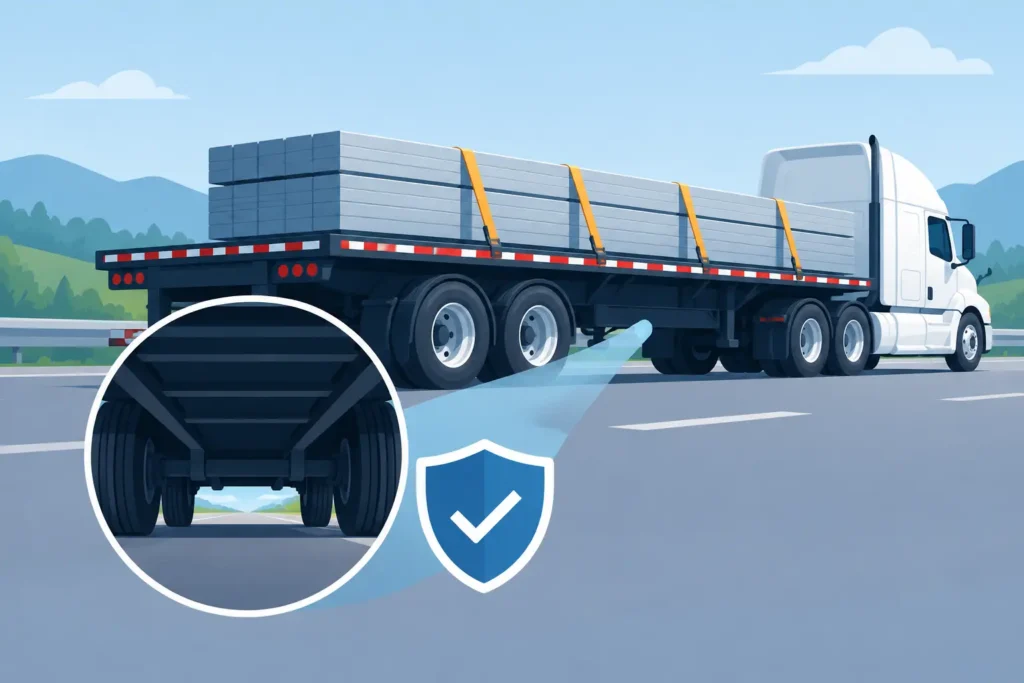
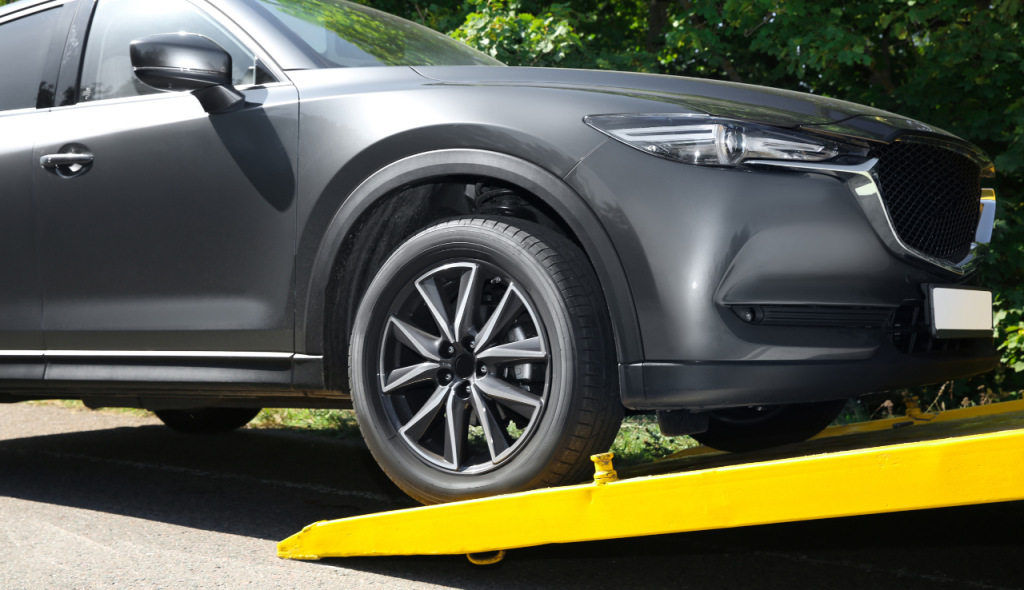
For mechanical failures, flatbed towing is usually the safer method because the entire vehicle is carried rather than partly rolling on the road. This reduces wear, avoids added stress on damaged driveline components, and gives better protection for low-clearance, AWD, EV, and specialty vehicles.
There are cases where another towing method may be possible, but safe transport depends on the fault. If the transmission is damaged, the steering is compromised, or the vehicle should not rotate its driven wheels, a flatbed is often the better choice. It is not about making the job look more premium. It is about reducing risk.
For many drivers, this is the part they do not think about until they need help. They assume towing is towing. In reality, the method matters, especially when the original problem is mechanical and the goal is to avoid adding a second one.
Choosing the right mechanical failure towing service in Melbourne
If you need help quickly, you probably are not reading a long checklist on the side of the road. Still, a few things are worth looking for. The first is whether the operator clearly handles breakdown towing as a core service, not just as an occasional add-on. The second is whether they give upfront pricing and realistic ETAs instead of vague promises.
The third is how they talk about vehicle handling. If you drive an EV, motorcycle, van, lowered car, or something with higher value, you want to hear practical detail, not generic sales talk. Careful loading, proper restraint, and suitable equipment are what protect your vehicle.
Local knowledge matters too. Melbourne traffic, toll roads, inner-suburban access, and after-hours workshop logistics all affect response times. A local operator with a breakdown focus can usually make the process smoother because they deal with these situations every day. That is part of why many stranded drivers choose a specialist such as Onigo Towing when they need a calm, fast response.
The value of clear pricing during a stressful breakdown
No one wants to be negotiating while stranded roadside. Upfront pricing matters because it removes one layer of stress at the exact moment people have the least patience for uncertainty.
There can still be variables. Distance, vehicle type, access difficulty, and whether the job is metro, regional, or interstate all affect cost. But those variables should be explained clearly before the truck is sent. Honest pricing does not always mean the cheapest number. It means you know what you are agreeing to.
That transparency is part of trust. When your vehicle is disabled, you are handing over both the car and the problem. You should feel confident about how both will be handled.
A breakdown has a way of shrinking your world to one question – who can get here quickly and do the job properly? The right mechanical failure towing service gives you a clear next step, protects the vehicle from further harm, and takes some of the pressure off when the day has already gone sideways.