A specialist vehicle is not the time to accept the first tow truck that arrives. Low ground clearance, locked wheels, a performance body kit, a valuable motorcycle or an EV with a fault can all change how the vehicle needs to be moved. The best transport options for specialist vehicles depend on the vehicle’s condition, clearance, driveline, destination and the level of protection required.
When your vehicle has broken down on a Melbourne road, the priority is getting it out of danger without creating another problem during loading or transport. A good towing provider will ask the right questions before dispatch, explain the suitable method and give you a clear price and ETA.
Why specialist vehicles need the right transport method
“Specialist vehicle” can mean many things. It may be a lowered sports car, prestige vehicle, classic car, motorcycle, EV, hybrid, 4WD with modifications, race car, campervan, light truck or a vehicle with a mechanical fault that prevents normal rolling. What these vehicles share is a lower tolerance for shortcuts.
A vehicle can be damaged before it even leaves the kerb if the loading angle is wrong, the tie-down points are unsuitable or the driver assumes it can be driven onto a truck. Splitters, bumpers, exhaust systems, wheels, underbody trays and battery systems all need consideration. For a non-start or dead-battery situation, the safest approach is often to load the vehicle fully rather than attempt a temporary fix at the roadside.
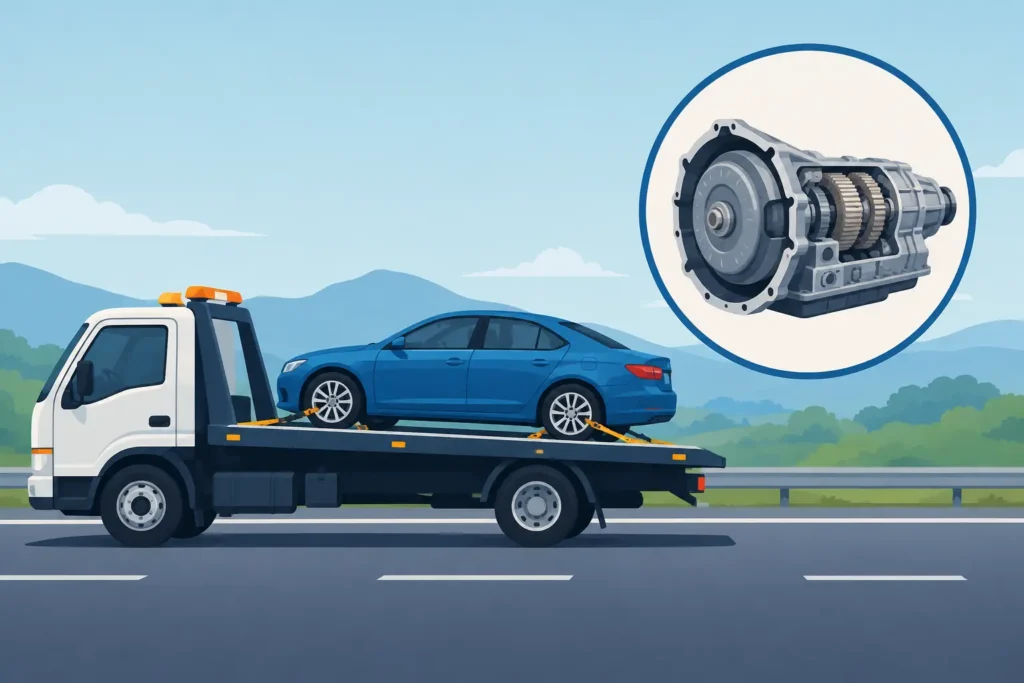
The transport option also depends on the fault. A car with a flat tyre may roll easily. One with a seized wheel, transmission issue or electronic parking brake fault may need dollies, a winch and more time to position safely. Be upfront about what has happened when you call. It helps the operator send the right equipment first time.
Best transport options for specialist vehicles
Flatbed towing for most breakdowns
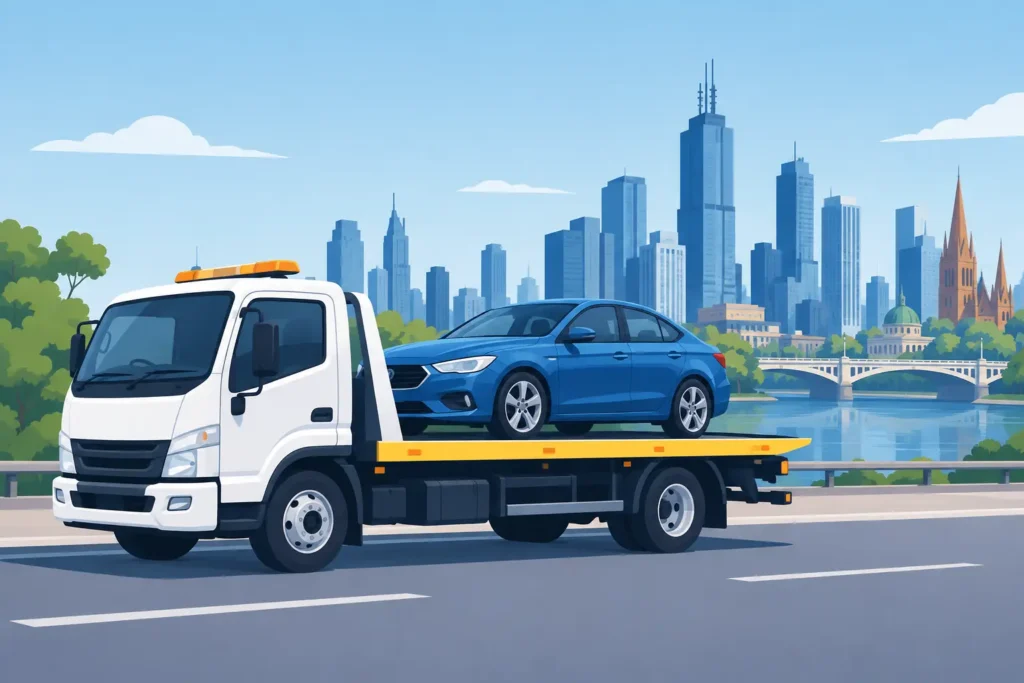
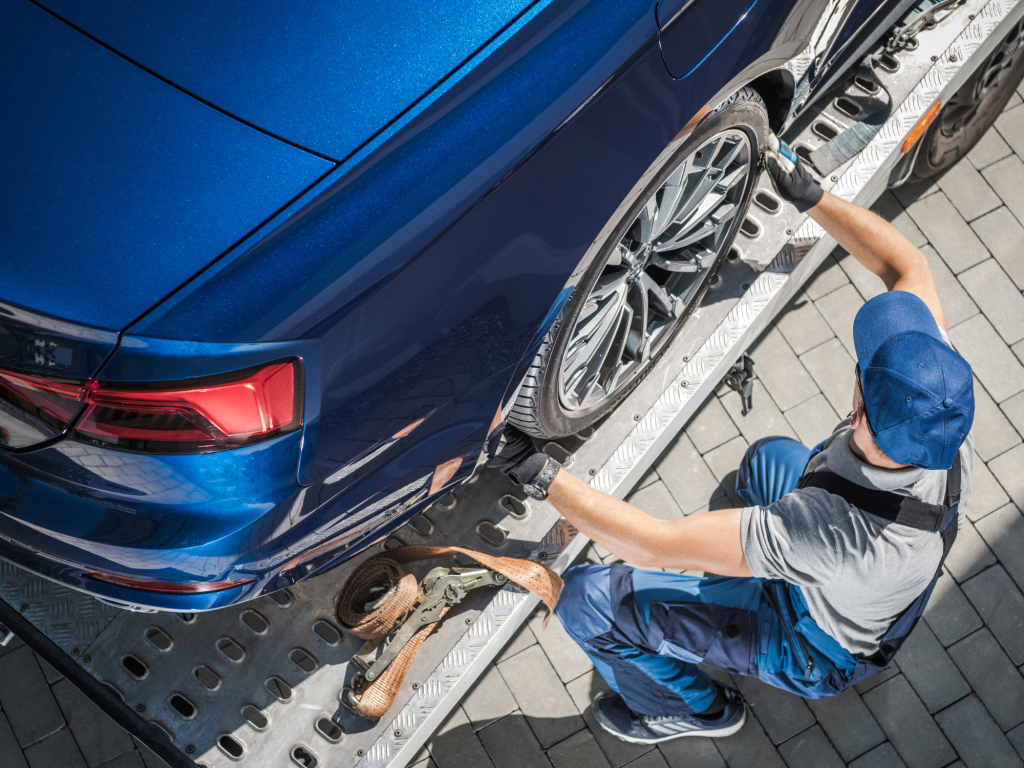
For many specialist vehicles, a flatbed tow truck is the preferred option. The vehicle is loaded onto a level tray and carried with all four wheels off the road. This avoids adding kilometres to tyres and driveline components, and it gives the driver more control during transport.
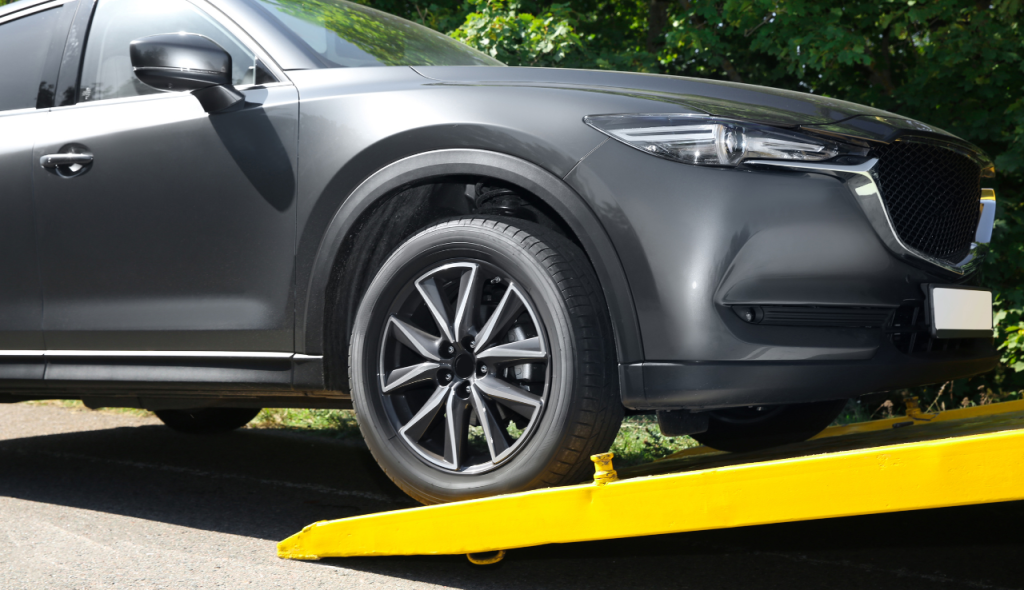
Flatbeds are particularly suitable for lowered cars, performance vehicles, EVs, hybrids, prestige cars and vehicles with mechanical issues. With the right loading ramps, careful winching and secure tie-down procedures, a flatbed reduces the risk associated with lifting one end of the vehicle or leaving driven wheels on the road.
That said, not every flatbed setup is identical. A very low car may require extended ramps or a reduced loading angle to prevent scraping. If your car sits low, tell the dispatcher before the truck is sent. A few details about clearance, modifications and whether the car can roll can prevent delays at the scene.
Enclosed transport for high-value and long-distance moves
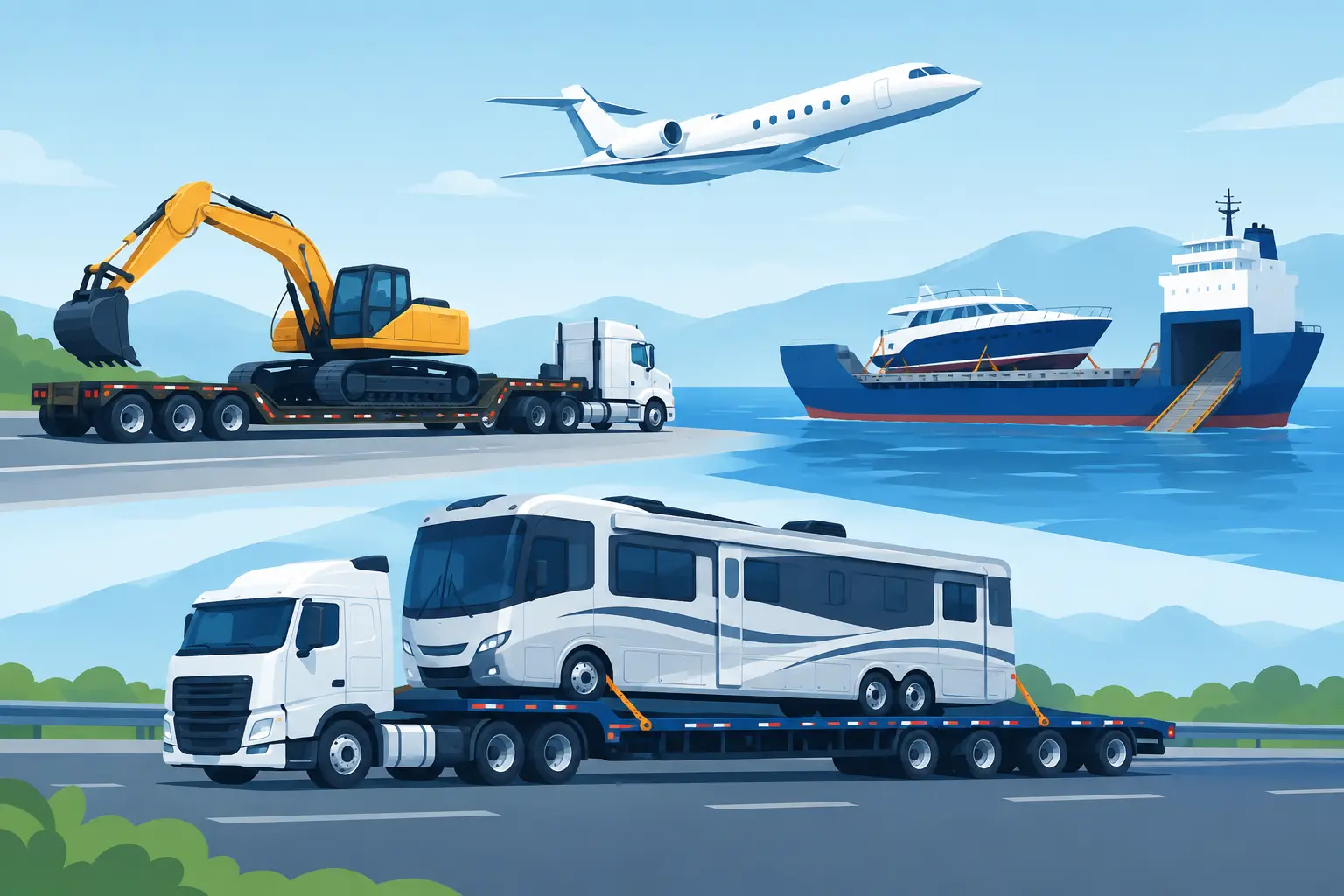
Enclosed vehicle transport provides an extra layer of protection from weather, road grime and public exposure. It is usually considered for collectable vehicles, show cars, race cars and prestige vehicles travelling longer distances or interstate.
For an urgent roadside breakdown, an enclosed carrier may not be the fastest or most practical choice. Availability is more limited, and the cost is generally higher than standard flatbed towing. However, for a planned relocation or transport of a vehicle that must remain protected from the elements, it can be worth arranging.
The key distinction is urgency. If you are stranded, getting the vehicle safely to a trusted repairer on a suitable flatbed is normally the immediate concern. If the journey is planned and the vehicle is not roadworthy or is especially valuable, enclosed transport may be the better fit.
Motorcycle-specific transport
Motorcycles should not be treated like small cars. A proper motorcycle transport setup uses suitable wheel restraints, soft straps where required and secure anchor points that hold the bike upright without putting unnecessary pressure on handlebars, fairings or suspension components.
A bike that has broken down may have a flat tyre, chain problem, electrical issue or engine fault. It may also be in a difficult position on a freeway shoulder, car park or narrow suburban street. The towing provider needs room to load safely and equipment designed to keep the motorcycle stable throughout the trip.
Avoid anyone who suggests simply laying the bike down in a tray or relying on loose straps. Ask how the motorcycle will be secured and whether the operator regularly transports bikes. Careful loading matters just as much as the drive to the workshop.
Dollies and recovery equipment for non-rolling vehicles
Sometimes a flatbed is still the right answer, but the vehicle needs additional equipment to get onto it. Wheel dollies can help move a car with locked wheels, a damaged tyre, a transmission fault or an electronic parking brake that will not release. A controlled winch load may be necessary when the engine will not start or the vehicle cannot be driven.
This is where clear communication makes a real difference. Tell the dispatcher if the steering is locked, the wheels are jammed, the key is unavailable, the vehicle is in park, or it has been sitting in a garage or tight driveway. Those details affect access, equipment and the likely loading time.
Questions to ask before booking specialist vehicle transport
You do not need to become a towing expert while you are stuck at the side of the road. You do need enough information to make a safe choice. Ask whether the vehicle will be carried on a flatbed, how it will be loaded, and whether the operator has suitable equipment for low-clearance, EV, motorcycle or non-rolling vehicles.
It is also reasonable to ask for an upfront price, an estimated arrival time and confirmation of the destination. A professional provider should explain any variables that could affect the quote, such as difficult access, a vehicle that cannot roll or an after-hours long-distance tow. Surprises are stressful when your car is already off the road.
If your vehicle is electric or hybrid, mention this immediately. These vehicles have manufacturer-specific towing guidance, and some should not be towed with driven wheels on the ground. Battery damage, warning lights or a shutdown condition can also affect how the vehicle is handled. The safest method is often full lift transport on a flatbed.
What to do while you wait for the tow truck
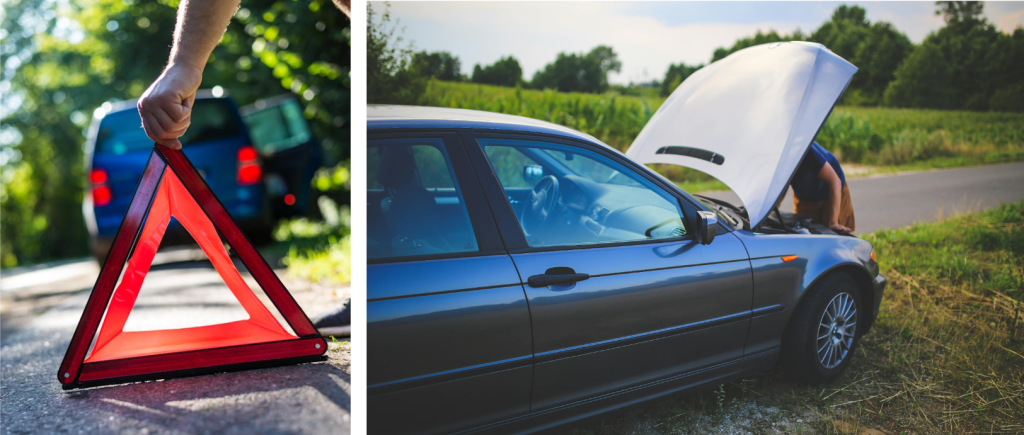
If it is safe to do so, move the vehicle out of traffic and turn on your hazard lights. On a busy road, stand behind a barrier or well away from moving vehicles rather than waiting beside the car. Keep your mobile charged if possible and have your location ready, including the nearest cross street, landmark or freeway exit.
Remove valuables and personal items you need from the vehicle before loading. If you have a preferred mechanic, confirm the workshop address and whether it can accept the vehicle after hours. For a vehicle with an alarm, keyless entry or a special start procedure, let the towing operator know before they begin loading.
Take a few photos of the vehicle if that gives you peace of mind, especially for a prestige, classic or modified car. This is not about expecting a problem. It simply gives everyone a clear record of the vehicle’s condition before transport.
Choosing a local breakdown towing specialist
When a specialist vehicle stops unexpectedly, general advice is less useful than a prompt, capable response. You want an operator focused on breakdown towing, equipped for careful loading and prepared to communicate clearly from the first call through to delivery.
Onigo Towing provides 24/7 breakdown towing across Greater Melbourne for cars, motorcycles, vans, light trucks, EVs, hybrids and specialist vehicles. The right truck, loading method and handling plan will always depend on your vehicle and fault, which is why explaining the situation at the start matters.
A careful tow is not only about getting the vehicle from A to B. It is about protecting the car, bike or work vehicle you rely on, while giving you a straightforward answer about what happens next.