A car that will not start at home is frustrating. A van that cuts out on a busy Melbourne road is a different problem altogether. In both cases, the right breakdown tow truck matters because the goal is not just moving the vehicle – it is getting it moved safely, quickly and without adding damage or stress.
When your vehicle stops due to a mechanical fault, the next step needs to be clear. You want to know who to call, how soon help can arrive, what it will cost, and whether your car, bike, ute or van will be handled properly. That is where a breakdown-focused towing service makes a real difference.
What a breakdown tow truck actually does
A breakdown tow truck is used when a vehicle cannot keep driving because of a mechanical, electrical or battery-related issue. That might mean an engine failure, overheating, transmission trouble, steering problems, a flat battery, or a non-start in your driveway, work car park or roadside shoulder.
This is different from accident towing. After a crash, there may be debris, police direction, insurance issues and damaged panels or suspension to manage. Breakdown towing is more focused on safe transport for vehicles that have failed mechanically. The job still needs skill, but the process is usually more straightforward when the operator is set up for that kind of work every day.
That distinction matters more than many drivers realise. A towing company that specialises in breakdowns tends to be better prepared for common callouts like dead batteries, no-start issues, roadside faults, underground car park access concerns, long-distance transport and workshop drop-offs. The service is built around getting stranded drivers moving again, not splitting attention across every type of tow.
When to call a breakdown tow truck
Some faults leave no room for debate. If the engine has stopped and will not restart, if the gearbox will not engage, if the car is overheating badly, or if warning lights are flashing and the vehicle feels unsafe, towing is the safer option. Driving further can turn a manageable repair into a major one.
There are also cases where the vehicle still moves, but should not be driven. A harsh vibration, burnt smell, sudden loss of power, steering that feels wrong, smoke from under the bonnet, or a hybrid or EV fault message can all point to a problem that needs transport rather than guesswork.
The same applies to motorcycles. A bike with an electrical issue, puncture, chain problem or non-start fault should be loaded correctly and secured properly. Improvising with a mate’s trailer is often where unnecessary damage starts.
For business owners, the decision can be even simpler. If a work van or light truck is off the road, every hour counts. Waiting too long, hoping it might restart, usually costs more in missed jobs than a prompt tow to the right mechanic.
Why specialist breakdown towing is safer
Not every tow is equal. The risk is not only the breakdown itself, but how the vehicle is loaded, tied down and transported. Modern vehicles sit lower, carry more electronics and can be more sensitive to poor towing methods than older models.
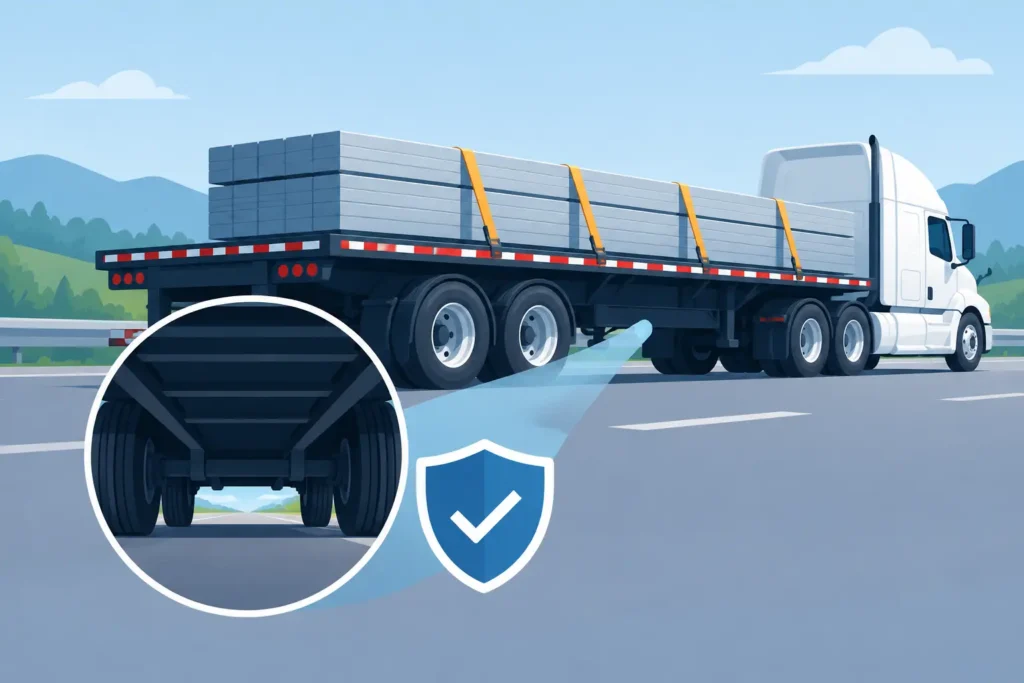
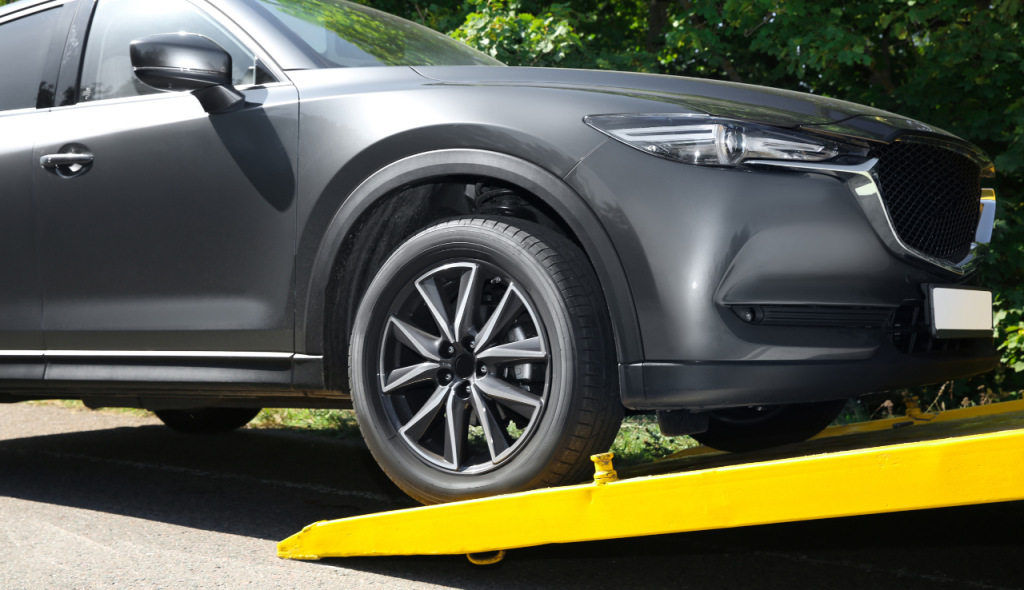
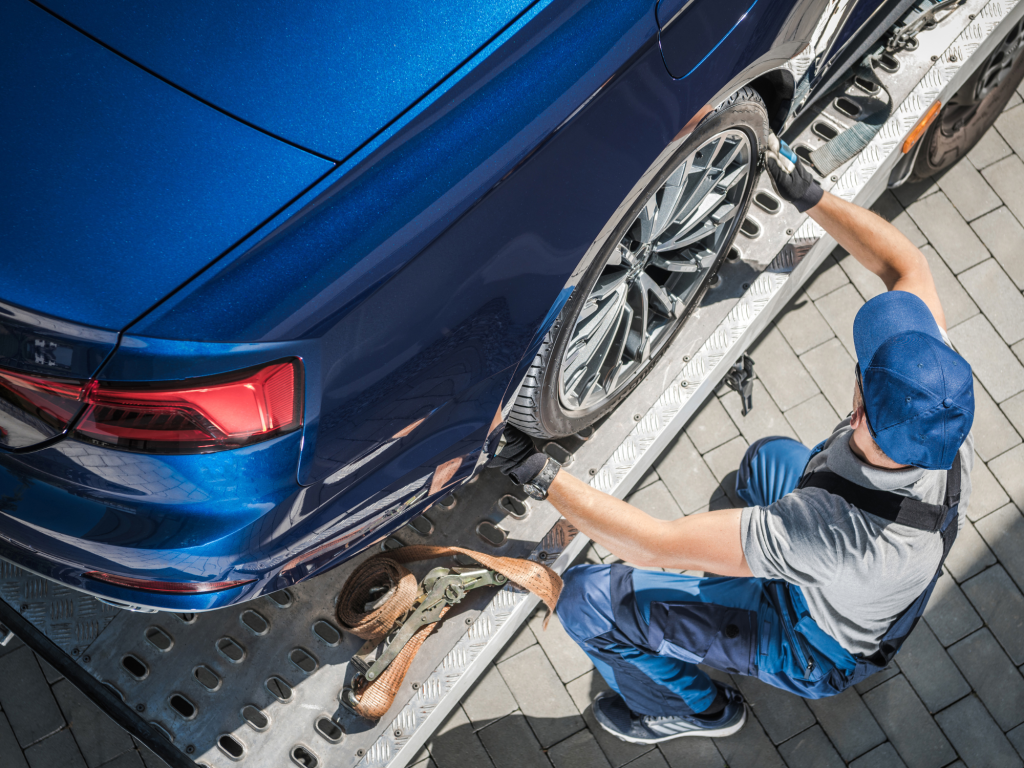
Flatbed towing is usually the safest option for breakdowns because the whole vehicle is lifted clear of the road. That reduces wear, avoids driveline issues during transport and gives better protection for EVs, performance cars, motorcycles and vehicles with existing mechanical faults. Careful loading angles, soft straps where appropriate and secure tie-down points all matter.
This is where experience shows. An operator who deals with mechanical failures every day will usually ask better questions before dispatch. Is the vehicle stuck in park? Is it in a basement? Are the wheels locked? Is it an all-wheel drive, EV or lowered vehicle? Those details affect the equipment needed and help avoid delays once the truck arrives.
What to expect when you book one
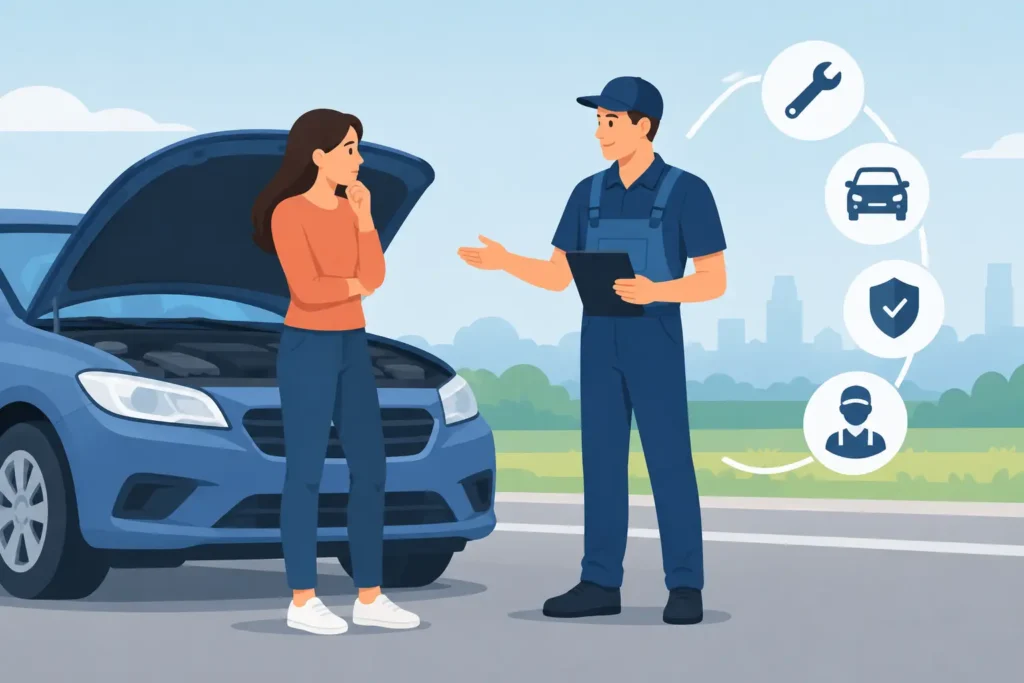
In a stressful moment, clear communication is half the service. A good towing process should feel simple from the first call. You explain the vehicle type, location, fault and destination. In return, you should get a clear price, an estimated arrival time and practical advice on what to do while waiting.
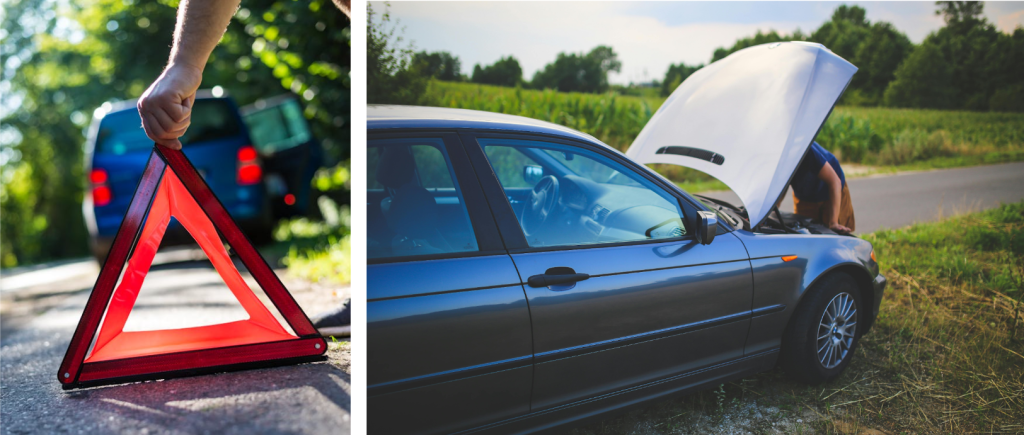
That advice may include moving the vehicle to a safer spot if possible, turning on hazard lights, staying behind a barrier where available, and keeping your mobile handy in case the driver needs help locating you. If the vehicle is in a tight access area, that should be discussed upfront rather than discovered on arrival.
Once on site, the operator should assess the vehicle, explain the loading plan and transport it to your chosen destination – often a mechanic, your home or a dealership. For many Melbourne drivers, the biggest relief is not just that the truck has arrived, but that the process finally feels under control.
Breakdown tow truck jobs are not all the same
The phrase breakdown tow truck sounds simple, but the work varies a lot. A hatchback with a dead battery in a suburban driveway is one kind of callout. An EV that has gone into limp mode in peak traffic is another. A commercial van loaded with tools creates different urgency again.
That is why local coverage and proper dispatch matter. Melbourne roads can change quickly depending on the suburb, traffic and time of day. A towing provider that understands the area can often give a more realistic ETA and choose the right truck from the start.
There is also the question of destination. Some drivers need the nearest workshop. Others want the vehicle taken to their trusted mechanic across town. In some cases, long-distance or interstate towing is the better choice, especially when the vehicle has broken down away from home. The right answer depends on repair timing, cost and convenience.
Price matters, but so does what is included
Most stranded drivers want the same thing when they ask about price – no surprises. That is reasonable. Breakdown towing should come with upfront pricing before dispatch, based on the vehicle, location, access conditions and destination.
The cheapest quote is not always the best one. If important details are skipped at booking, the final job can turn messy fast. A low initial figure may not include after-hours service, specialist loading, difficult access, or the actual distance required. A clear quote is often more valuable than a vague bargain.
It also helps to ask what kind of truck is coming. For many breakdowns, a modern flatbed is the safer option. If you drive a prestige car, lowered vehicle, motorcycle, EV or hybrid, that question becomes even more important. Care costs money, but damage costs more.
How to make the wait safer and easier
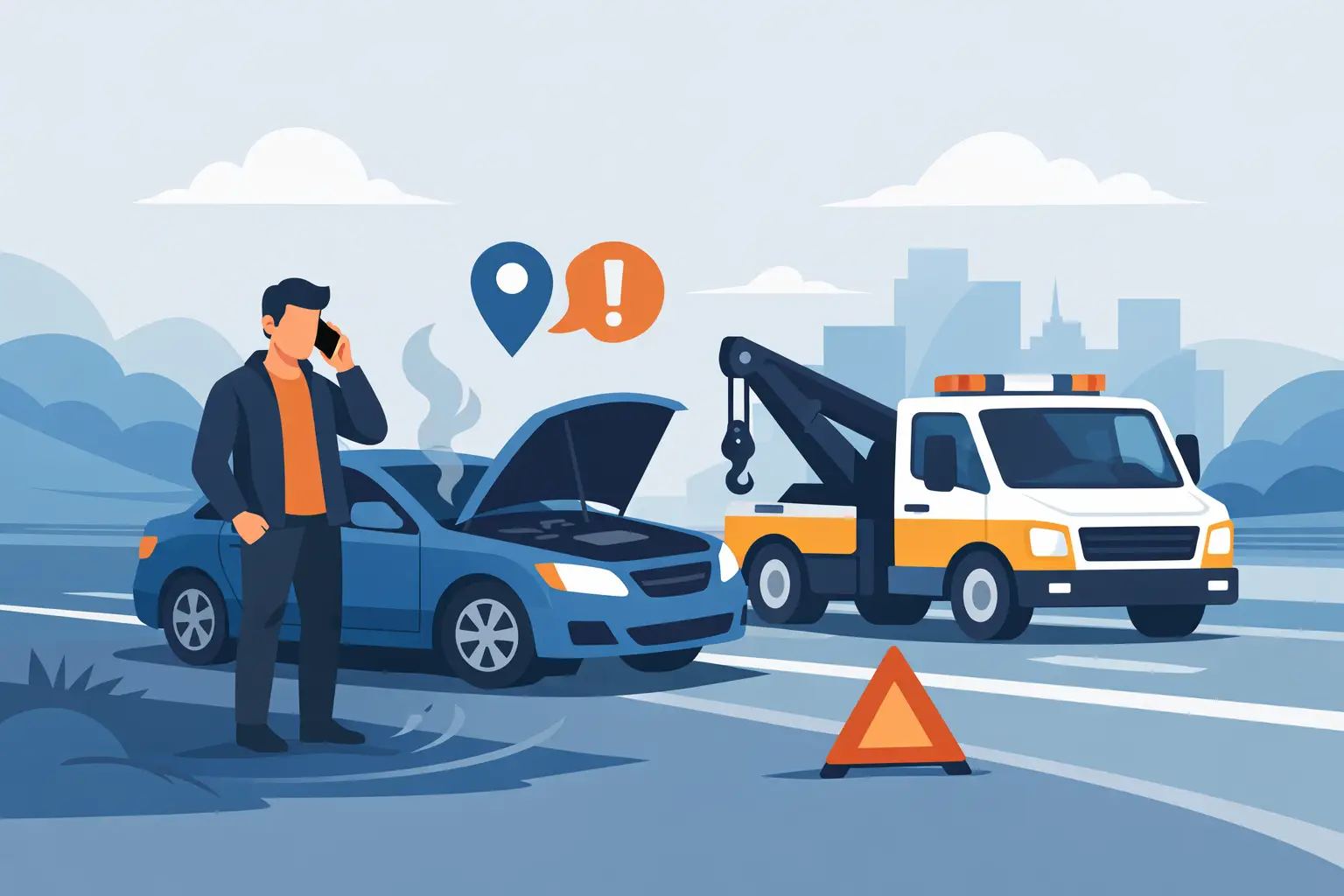
If you are waiting roadside, your first priority is safety. If the vehicle can be moved without risk, get it as far off the road as possible. Turn on your hazard lights. If it is dark, keep your lights on if safe to do so. Stand away from traffic rather than next to the car, especially on fast roads.
If you are in a safe location such as home or a car park, use the waiting time to gather the details the driver may need. Have your exact location ready, the vehicle make and model, the registration, and the destination address if known. If the car has special issues like being stuck in neutral, having a flat tyre, or being unable to roll, mention that early.
Small details make the whole job quicker. They also help the right truck arrive first time.
Choosing the right towing service in Melbourne
When you need help urgently, it is easy to pick the first number you find. Still, a few basics are worth checking. Do they handle breakdowns specifically? Are they available 24/7? Can they tow your type of vehicle? Will they give a clear price and ETA before dispatch?
Those questions tell you a lot. So does the way they speak to you on the phone. A dependable service should sound calm, direct and organised. You should not have to chase basic information while stranded on the side of the road.
For Melbourne drivers, a breakdown specialist like Onigo Towing is built around this exact situation. The focus is simple: quick dispatch, careful loading, clear communication and safe transport for vehicles that have stopped due to mechanical failure.
A breakdown is never convenient, but the towing part should not add more uncertainty. The right help turns a bad day into a manageable delay, and sometimes that is exactly what you need.