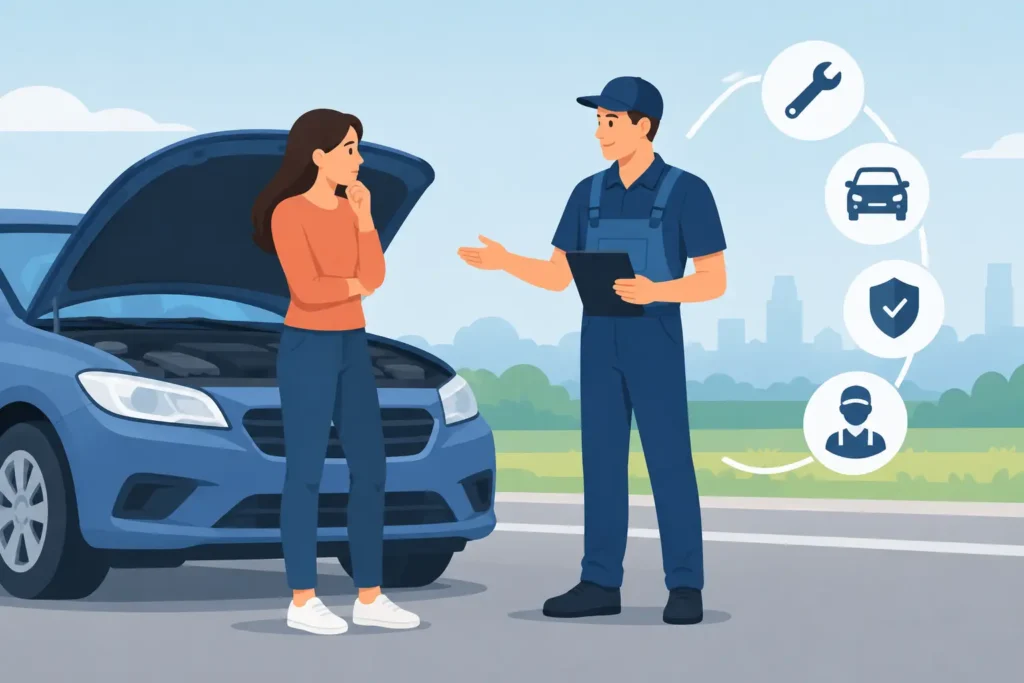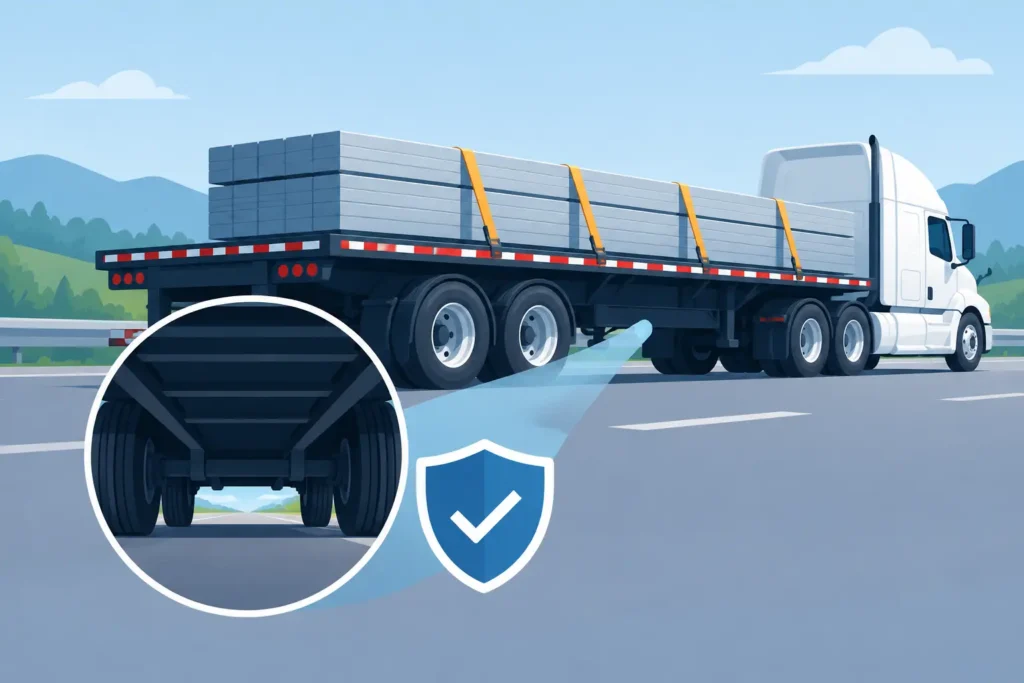

A breakdown is stressful enough without wondering whether the towing price will change once help arrives. Understanding what affects towing quote estimates makes it easier to compare services properly and get a clear price before a truck is dispatched. For most Melbourne breakdown jobs, the quote comes down to the vehicle, the pickup location, the destination and the work required to load it safely.
A reliable towing provider should ask practical questions, explain anything that may affect the cost and give you an upfront figure wherever the details are clear. The cheapest number is not always the most useful one if it leaves out equipment, access issues or after-hours charges that may apply later.
What Affects Towing Quote Estimates Most?
Pickup and delivery distance
Distance is one of the main parts of any towing quote. A short tow from a Melbourne CBD car park to a nearby mechanic is a different job from transporting a vehicle across the city, out to the outer suburbs or interstate.
The total distance includes more than the kilometres your vehicle travels on the tray. A tow operator also has to travel to your location, complete the loading process and return to their service area or continue to the next job. Long-distance towing may also involve fuel, toll roads, driver time and scheduling requirements.
If you are unsure where the vehicle needs to go, tell the dispatcher. A tow to your preferred mechanic, home or dealership can be priced accurately once the destination is confirmed. Changing the destination after loading may change the quote, particularly if it adds significant distance.
Vehicle type, size and condition
Not every vehicle can be moved in the same way. A small hatchback, a work van, a motorcycle, a lowered performance car and an EV each have different loading and securing requirements.
Standard passenger vehicles are usually straightforward when they can roll, steer and be safely winched onto a flatbed. The job can take longer when a vehicle has a flat tyre, locked steering, damaged suspension, a seized wheel or is parked where it cannot be positioned easily for loading.
Electric and hybrid vehicles also need careful handling. Their weight, clearance, drivetrain and manufacturer transport guidance can affect the equipment and loading method required. For higher-value, lowered or specialty vehicles, a flatbed with the right ramps, tie-down points and approach angle is often the safer option. That care may affect the quote, but it helps reduce the risk of further damage.
Your location and site access
Where the vehicle is stopped matters just as much as the suburb name. A car on a quiet residential street is usually simpler to collect than one in a tight underground car park, a busy clearway, a multi-storey building or a narrow laneway.
Access restrictions can affect the size of truck that can attend and the time needed to complete the job. Height limits, low-hanging branches, locked gates, steep driveways, heavy traffic and limited room around the vehicle may require a different approach. In some cases, the vehicle may need to be moved a short distance before it can be loaded safely.
Be as specific as possible when requesting a quote. Let the dispatcher know if you are in a shopping centre car park, at the airport, on a freeway shoulder or beneath an apartment building. It helps the right truck arrive prepared rather than creating delays at the roadside.
Whether the vehicle can roll, steer and brake
A non-starting car is not necessarily difficult to tow. If it rolls freely, steers and has accessible recovery points, loading may be routine. However, a vehicle that cannot be placed in neutral, has locked wheels, has no keys or is blocked in may need extra time and specialised equipment.
This is why a few simple questions are useful when you call. Can the steering wheel turn? Are the tyres inflated? Is the handbrake released? Is the vehicle in a safe, accessible position? Honest answers lead to a more accurate quote and ensure the operator brings what is needed.
Do not attempt to force a vehicle into neutral, release an electronic park brake or tow it with another car unless you are certain it is safe and permitted by the manufacturer. An incorrect recovery attempt can turn a mechanical breakdown into a more expensive repair.
Timing Can Change a Towing Quote
Breakdowns do not wait for business hours. A tow requested late at night, early in the morning, on a public holiday or during peak traffic can involve different operating conditions from a daytime booking.
After-hours availability requires a crew and suitable equipment to be ready when many businesses are closed. Heavy traffic and road incidents can also affect travel time and the safest route to reach you. This does not mean every urgent tow carries the same extra charge, but timing is a legitimate detail in an accurate quote.
For urgent jobs, the best question is not simply, “How cheap is the tow?” Ask for the price and estimated arrival time together. A clear ETA helps you make a practical decision when you are stranded, especially if you are stopped in an unsafe location or need to arrange a mechanic after hours.
Equipment and Care Requirements
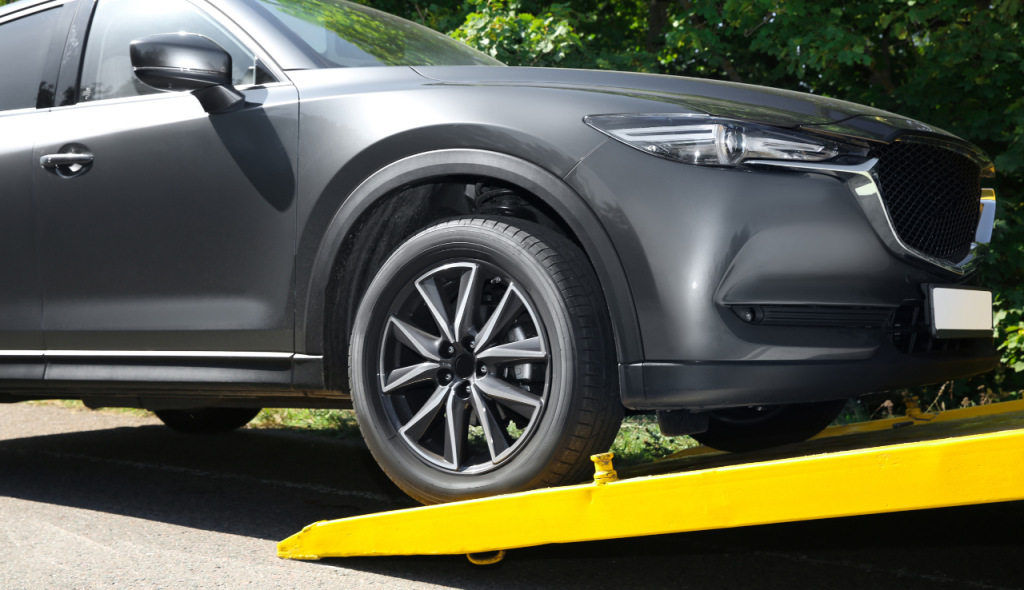
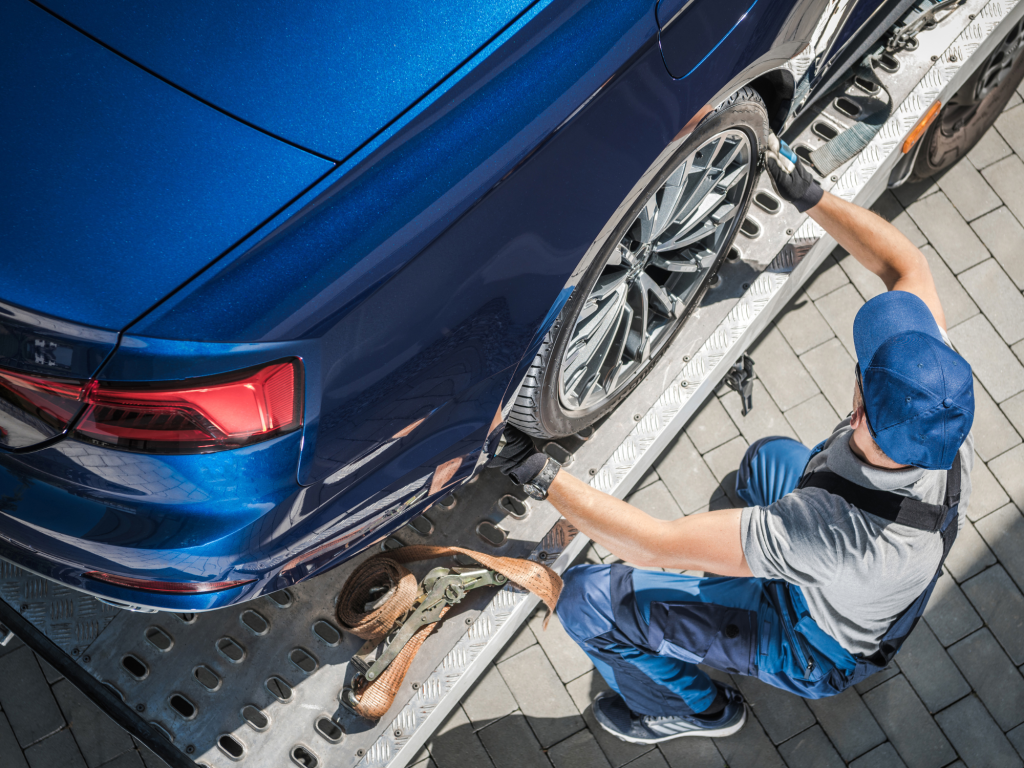
The right towing method protects your vehicle. Flatbed towing is commonly preferred for breakdown transport because the vehicle is carried rather than pulled with its wheels on the road. It is particularly useful for vehicles with drivetrain issues, low clearance, EVs, motorcycles and vehicles that should not be driven.
Specialised loading equipment, wheel dollies, motorcycle restraints, extended ramps or additional winching can affect the work involved. So can the need to protect a vehicle with body damage, low bumpers or modified suspension. A clear quote should reflect the actual service required, not a basic rate that assumes every vehicle is identical.
Careful handling is especially important if your car has stopped because of an unknown fault. A tow operator should not take shortcuts that could damage the transmission, underbody or wheels just to save a few minutes.
Details That Help You Get an Accurate Quote
When you call for towing in Greater Melbourne, have the registration, pickup address and destination ready. It also helps to describe the vehicle and the problem in plain terms. You do not need to diagnose the fault – “won’t start”, “flat battery”, “overheating” or “wheel is locked” is enough to begin.
For the clearest estimate, provide these details:
- the make, model and approximate year of the vehicle
- the exact pickup point, including car park level or nearby cross street
- where you want the vehicle delivered
- whether it rolls, steers and can be put into neutral
- any access issues, such as low clearance, a narrow driveway or basement height limit
- whether it is a motorcycle, EV, hybrid, van, ute or modified vehicle.
Photos can also help when access is difficult or the vehicle is visibly damaged. They give the dispatcher a better view of the space and allow the right equipment to be allocated from the start.
Why a Clear Upfront Quote Matters
A useful towing quote is more than a dollar figure. It should match the job you have described and make clear whether there are known factors that could alter the work. If a provider cannot explain what is included, ask before confirming the booking.
At Onigo Towing, breakdown jobs are assessed around the practical details that protect your vehicle and get it moved without unnecessary delay. That means matching the truck and loading method to the situation, rather than treating every callout as the same.
If your vehicle is in a dangerous position, put safety first. Move away from traffic if safe to do so, turn on hazard lights and follow any instructions from emergency services or road authorities. Then provide clear details to the towing dispatcher – the more accurately the job is described, the more confidently you can book a tow with the right price, equipment and arrival plan.