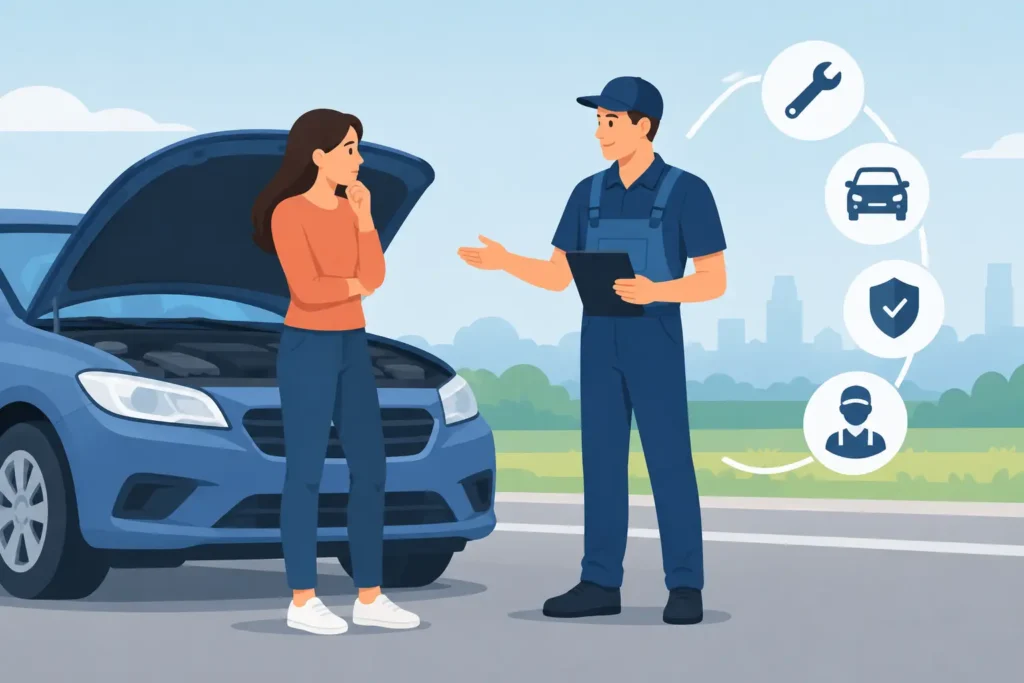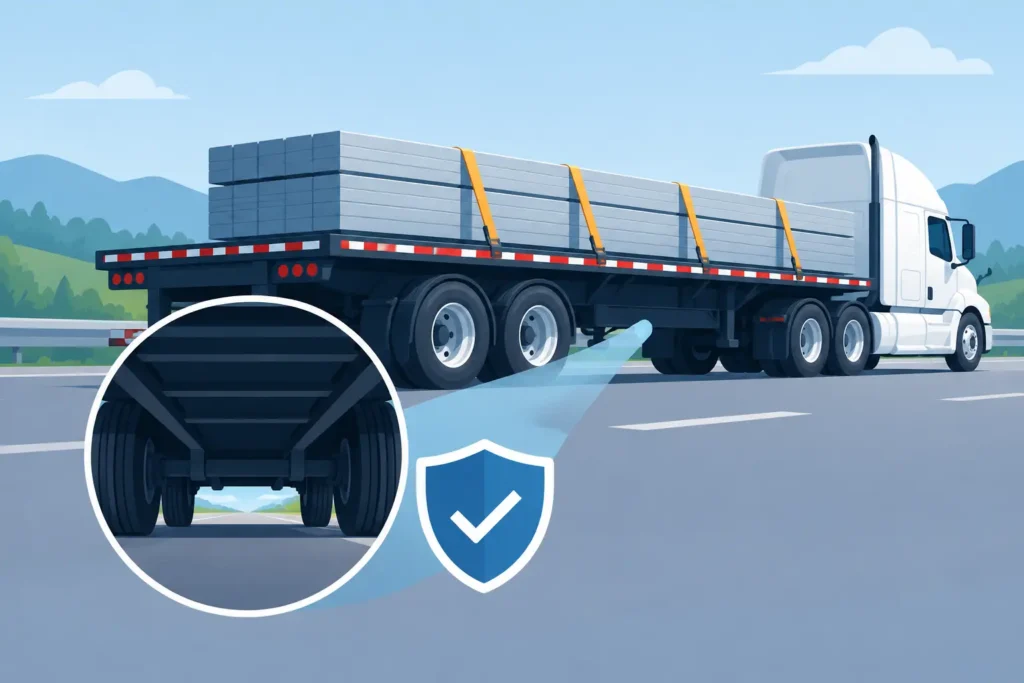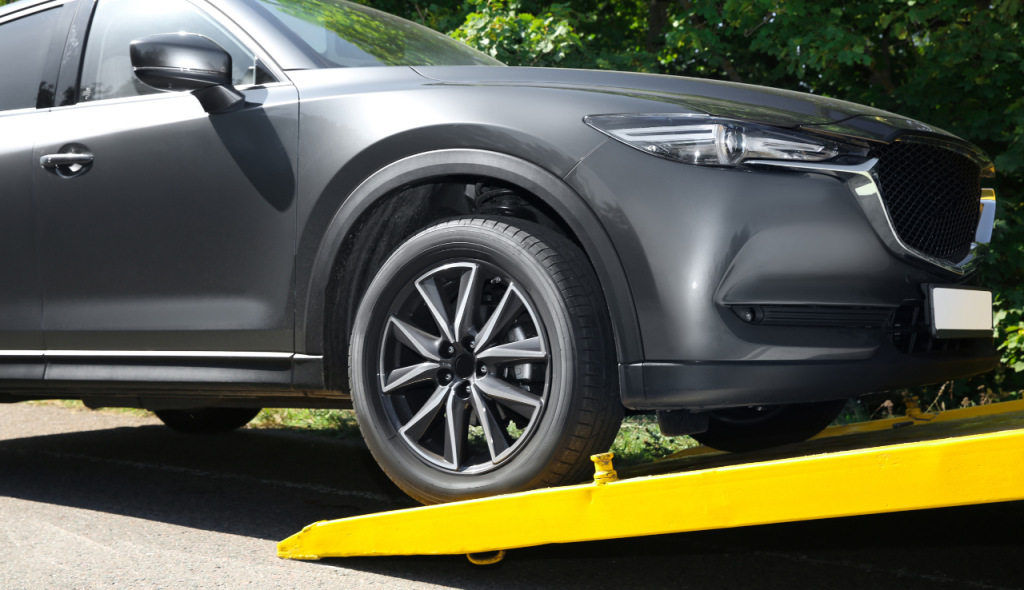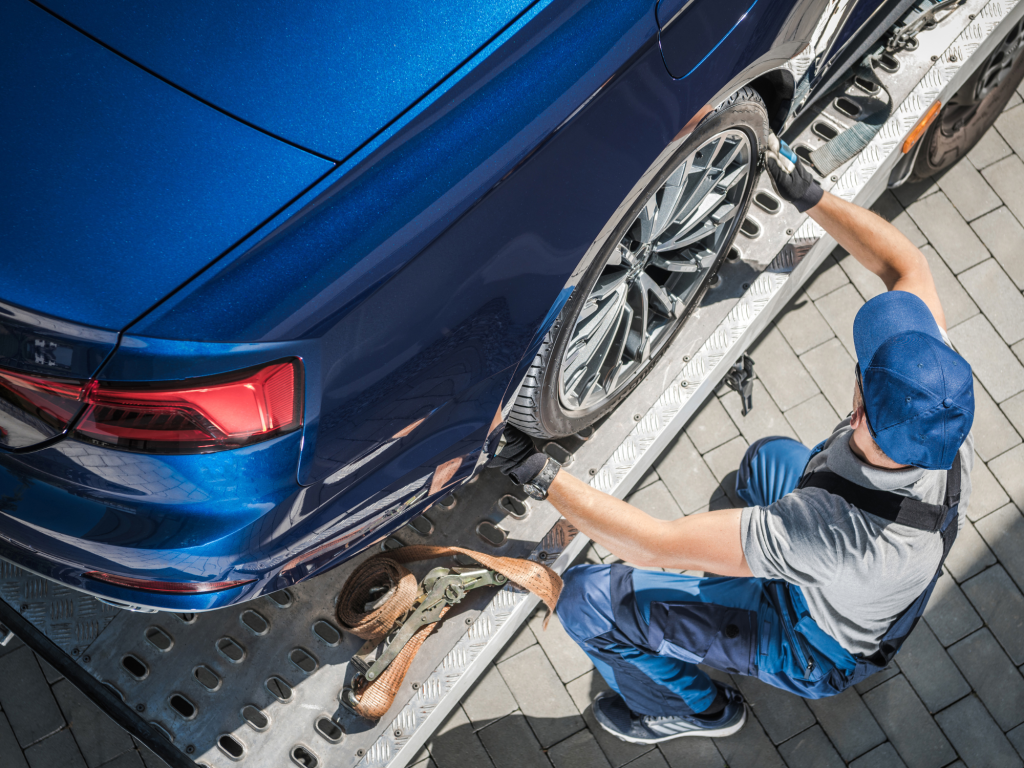
When your car stops in peak-hour traffic or won’t restart in a shopping centre car park, you do not care about industry jargon. You want to know how towing dispatch works, how long help will take, what it will cost, and whether your vehicle will be handled properly. That is exactly what dispatch is there to manage.
For breakdown towing, dispatch is the control point between your call and the truck that arrives. A good dispatch process keeps things moving quickly, matches the right truck to the right vehicle, and gives you clear updates without making a stressful situation harder. If dispatch is poor, delays and miscommunication usually follow.
What towing dispatch actually does
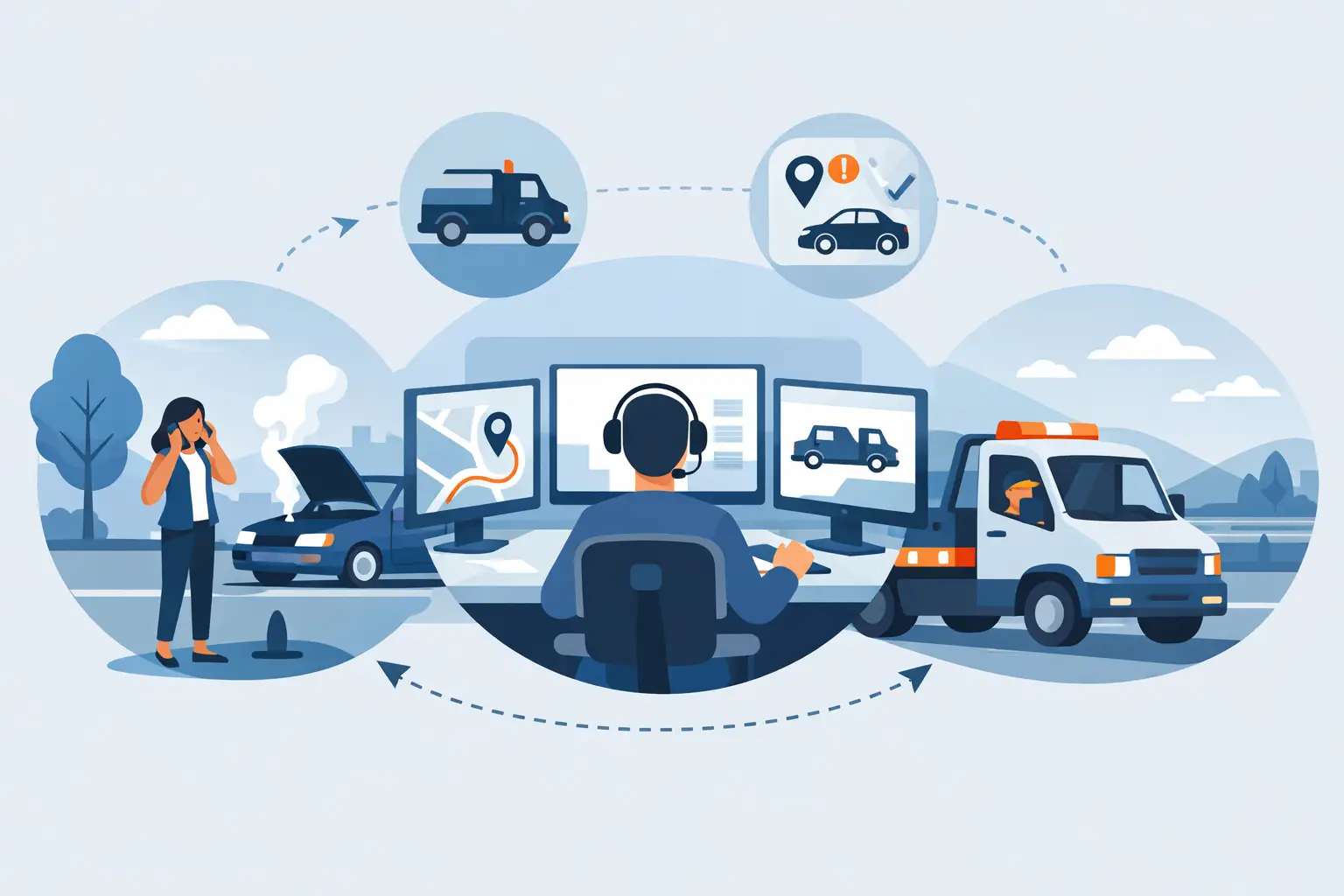
At a basic level, towing dispatch receives the job, confirms the details, assigns the right operator, and monitors the job until the vehicle reaches its destination. That sounds simple, but in practice there are a lot of moving parts.
A dispatcher needs to work out where you are, what has happened, what kind of vehicle needs transport, whether it can roll and steer, and where it needs to go. They also need to check truck availability, traffic conditions, access restrictions, and whether any special loading equipment may be required.
For breakdown work, speed matters, but so does accuracy. Sending the nearest truck is not always the best choice if that truck is not set up for an EV, a low-clearance vehicle, a motorcycle, or a van with limited access around it. Good dispatch is not just about fast allocation. It is about getting the right response first go.
How towing dispatch works from the first call
Most breakdown jobs start with a phone call or quote request. In urgent situations, the first few minutes matter because dispatch is building the job from the information you provide.
The dispatcher will usually ask for your exact location, the vehicle make and model, the issue you are dealing with, and the destination. They may also ask whether the car is in a safe spot, whether it is blocking traffic, and whether the wheels are locked or the steering is damaged. Even for a non-start, those details affect how the truck is dispatched.
This is also the point where pricing and ETA should be discussed clearly. A trustworthy breakdown towing service will tell you what the call-out includes, what may change the price, and roughly how long the truck should take to arrive. If a company is vague at this stage, that is often a sign the rest of the job may not run smoothly either.
Step 1: Job intake and location check
The first task in dispatch is verifying where you are. That sounds obvious, but it is one of the most common causes of delay. A vague location like “near the servo” is rarely enough, especially at night, on major roads, or in large industrial areas.
Dispatchers often confirm landmarks, cross streets, suburb names, and the safest side of the road for loading. In Melbourne, a difference of one exit, one service road, or one direction of travel can cost valuable time.
Step 2: Vehicle and fault assessment
Next comes the vehicle check. Dispatch needs to know whether you drive a standard passenger car, motorcycle, ute, van, light truck, hybrid, EV, or something more specialised. They also need to understand the fault.
A dead battery in a driveway is different from a non-start in an underground car park. A car with transmission trouble may still roll, while one with electronic park brake issues may need extra care. A lowered performance vehicle may require gentler loading angles and flatbed transport rather than a basic tow setup.
Step 3: Matching the right truck and operator
Once the job is clear, dispatch assigns it to the most suitable truck and driver. This is where specialist breakdown operators often have an advantage over general tow companies. If a business handles mainly breakdown towing, the dispatch team is usually making quicker, more consistent decisions around common mechanical failure scenarios.
That matters because not every tow is the same. A motorcycle needs proper restraint points. An EV may require specific handling depending on whether it can be placed in neutral. A commercial van may need a truck with the right capacity and enough clearance for the pick-up location.
Step 4: ETA updates and customer communication
After the job is assigned, dispatch should keep the customer informed. That includes confirming the driver is on the way, providing an ETA, and updating you if traffic or a previous job changes timing.
This part is often overlooked, but it makes a real difference. When you are stranded, silence feels longer than the actual wait. Clear communication helps you plan, stay safe, and feel confident that help is genuinely coming.
Why dispatch quality affects the whole towing job
People often judge a towing service by the truck that arrives, but the quality of the dispatch process usually determines how smooth the experience will be. A well-run dispatch team reduces mistakes before the operator even reaches you.
If the details are wrong, the job can go off track quickly. The driver might arrive at the wrong entrance, bring the wrong equipment, or be given the wrong destination. That can mean longer waits, added stress, and in some cases a second truck or revised price.
By contrast, strong dispatch creates a cleaner handover. The operator arrives knowing what vehicle to expect, what the fault is, where the safest loading point is, and where the vehicle is going. That saves time and lowers the chance of confusion at the roadside.
How towing dispatch works for different breakdown situations
Not every breakdown is handled the same way, and dispatch decisions change depending on the situation.
For a straightforward non-start at home, the dispatch priority is usually speed and access. If the vehicle is parked in a narrow driveway or underground bay, that access detail matters as much as the mechanical fault.
For a motorway breakdown, safety becomes the first concern. Dispatch may instruct you to move behind a barrier if possible, switch on hazard lights, and stay clear of traffic while the truck is en route. The dispatcher may also choose the operator based on who can reach the site fastest without unnecessary detours.
For specialty or higher-value vehicles, the emphasis shifts toward handling. Low-clearance sports cars, prestige vehicles, and some EVs need more than just a quick pick-up. Dispatch needs to assign an operator and truck setup that can load the vehicle without scraping bumpers, stressing suspension, or using unsuitable tie-down methods.
Where pricing fits into the dispatch process
Pricing should not be an afterthought. In breakdown towing, the best time to explain the cost is before the truck is dispatched, not once the vehicle is already on the tray.
A proper dispatch process usually includes an upfront quote based on distance, vehicle type, access conditions, and whether the job is local, long-distance, or interstate. There can still be situations where things change. For example, if a vehicle is more difficult to access than first described, or if extra equipment is needed. But those exceptions should be explained plainly.
For customers, transparent pricing is part of good dispatch, not separate from it. It sets expectations and removes one of the biggest points of stress during a breakdown.
What good towing dispatch sounds like
Good dispatch is calm, direct, and specific. You should come away from the call knowing three things: the service understands your situation, the price has been explained, and you have a realistic ETA.
You should not have to chase basic updates or repeat the same information multiple times. If the dispatcher asks clear questions and gives clear answers, that is usually a sign the operation behind the scenes is organised properly.
That practical, no-fuss approach is especially valuable for breakdown towing. Unlike accident scenes, where police, insurers, and multiple parties may be involved, most breakdown customers simply need fast transport from point A to point B with minimal drama. Dispatch should make that process easier, not more complicated.
How towing dispatch works best for Melbourne drivers
In a city as spread out as Melbourne, dispatch has to balance coverage, traffic, and vehicle type all at once. A truck that looks nearby on paper may still be the wrong choice if it is tied up in congestion, finishing a difficult load, or not suited to your vehicle.
That is why experienced local dispatch matters. It helps the towing company make realistic decisions rather than optimistic promises. For breakdown drivers, that often means more accurate ETAs, fewer surprises, and a smoother pick-up when the truck arrives.
At Onigo Towing, that focus on breakdown-specific dispatch is part of what keeps the service straightforward. The goal is not to overcomplicate the job. It is to get the right truck to the right vehicle quickly, communicate clearly, and move your vehicle safely to where it needs to go.
If you ever find yourself stranded, the best towing experience usually starts long before the truck reaches you. It starts with a dispatcher who asks the right questions, gives straight answers, and treats your breakdown like it needs solving now.