A breakdown can turn a normal Melbourne drive into a stressful roadside problem within minutes. The top towing mistakes to avoid usually happen before the truck arrives: choosing on price alone, giving unclear location details, or trying to move a vehicle that should stay put. A few calm decisions can protect you, other road users and your vehicle from further damage.
1. Continuing to drive after a serious warning sign
Many drivers try to make it just a few more kilometres to home or the mechanic. Sometimes that is reasonable, but not when the vehicle has lost oil pressure, is overheating, has a major coolant leak, has a flashing engine warning light, or is making harsh mechanical noises. Continuing to drive can turn a repairable fault into engine, transmission or battery damage.
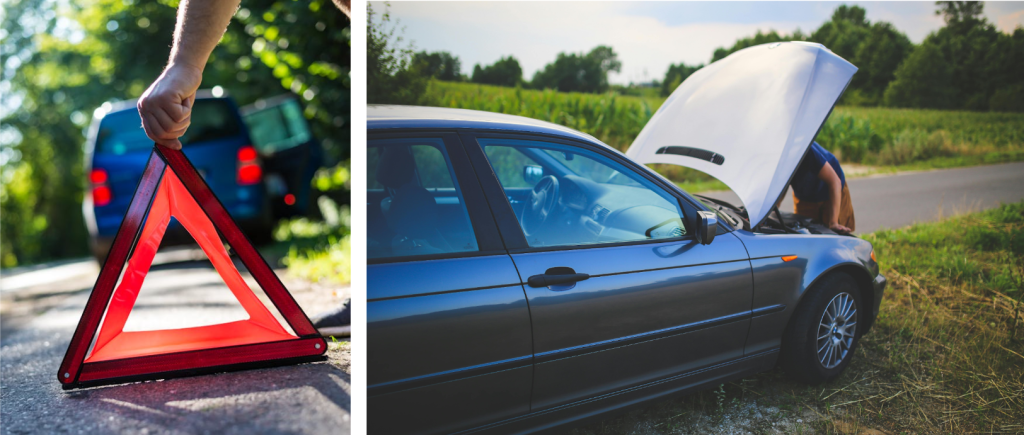
Pull over only when it is safe to do so. Choose a level, visible spot away from moving traffic where possible, switch on the hazard lights and assess the situation without opening the bonnet near live traffic. If the vehicle cannot be driven safely, arranging a breakdown tow is usually the lower-cost option.
The same applies to EVs and hybrids. Warning messages, reduced-power mode or a charging-system fault may need specialist handling. Do not assume an electric vehicle can be towed in the same way as a petrol car.
2. Stopping in an unsafe place when a safer option is nearby
A vehicle stopped partly in a live lane, around a blind bend or near the crest of a hill puts everyone at risk. If the car is still mobile and moving it a short distance will not worsen the fault, aim for a safe shoulder, service road, car park or side street. Do not take risks to reach the perfect location.
Once stopped, get yourself and passengers away from traffic where it is safe to do so. Stand behind a barrier if one is available, not beside the vehicle on the traffic side. Keep children close and avoid waiting in a position where another vehicle could strike yours.
On busy roads, motorways and areas with limited shoulders, the safest course may be to contact emergency services or the relevant road authority first. A towing service can advise on access, but roadside safety always comes before convenience.
3. Calling a tow truck without confirming the operator and price
When you are stranded, the first person who offers help can feel like the easiest answer. It is still worth taking a minute to confirm who is attending, what type of truck they are sending, the estimated arrival time and the full price before dispatch.
Ask whether the quote covers loading, travel, tolls, after-hours work and delivery to your chosen destination. If the vehicle is in a difficult position, tell the dispatcher early so they can explain any likely additional work. Clear pricing upfront avoids arguments when you are already under pressure.
Also be cautious about unsolicited offers from drivers who arrive before you have called anyone. You should know the company name, the vehicle’s destination and the agreed price before your car is loaded.
4. Giving an incomplete location or vehicle description
A vague location such as “near the freeway” can add a long delay, particularly at night or during peak traffic. Give the suburb, street name, nearest cross street, direction of travel and a recognisable landmark where possible. On a motorway, identify the nearest exit, kilometre marker or sign, and say whether the vehicle is on the city-bound or outbound side.
Your vehicle details matter just as much. Tell the dispatcher the make, model, registration, whether it is a car, ute, van, motorcycle or light truck, and whether it is lowered, modified, all-wheel drive, electric or not rolling. Mention a flat tyre, locked steering, missing keys, a car stuck in park, or a vehicle in a basement car park. These details determine the right equipment and prevent an unsuitable truck arriving.
5. Assuming every towing method suits every vehicle
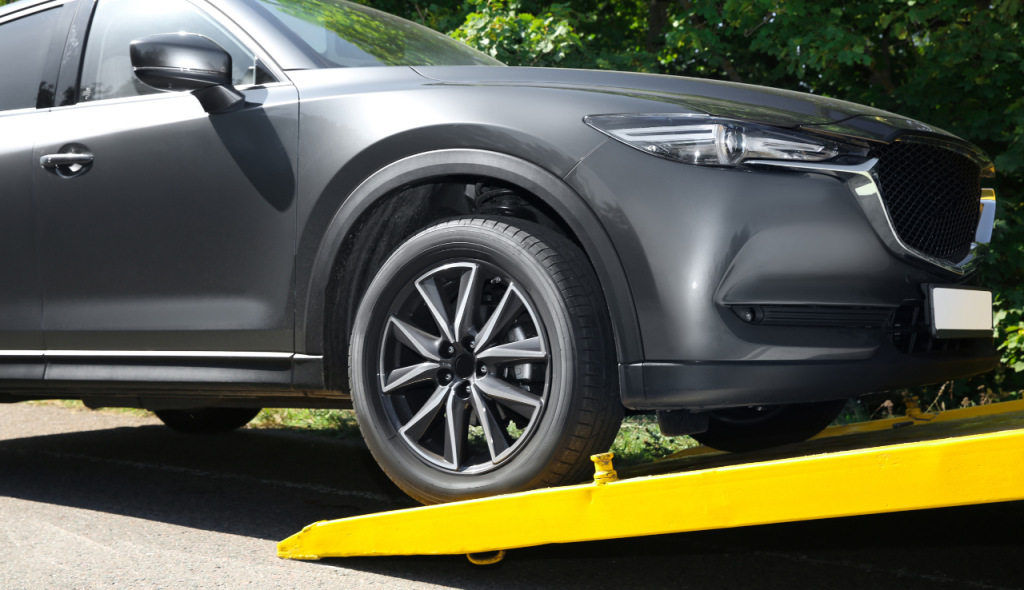
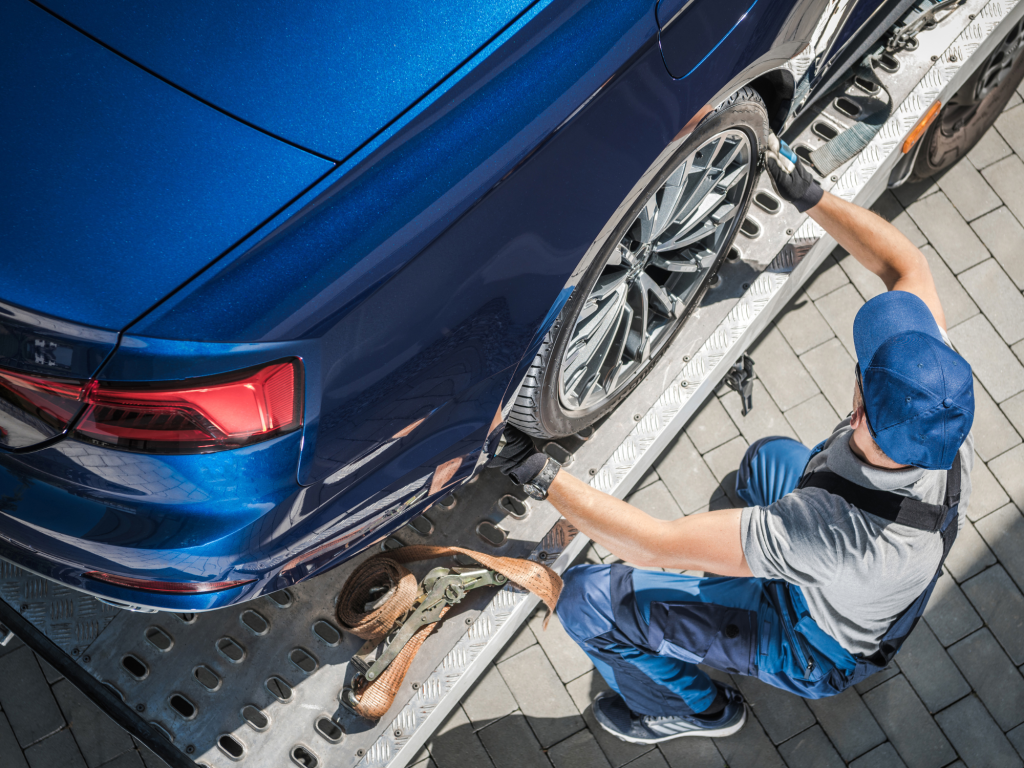
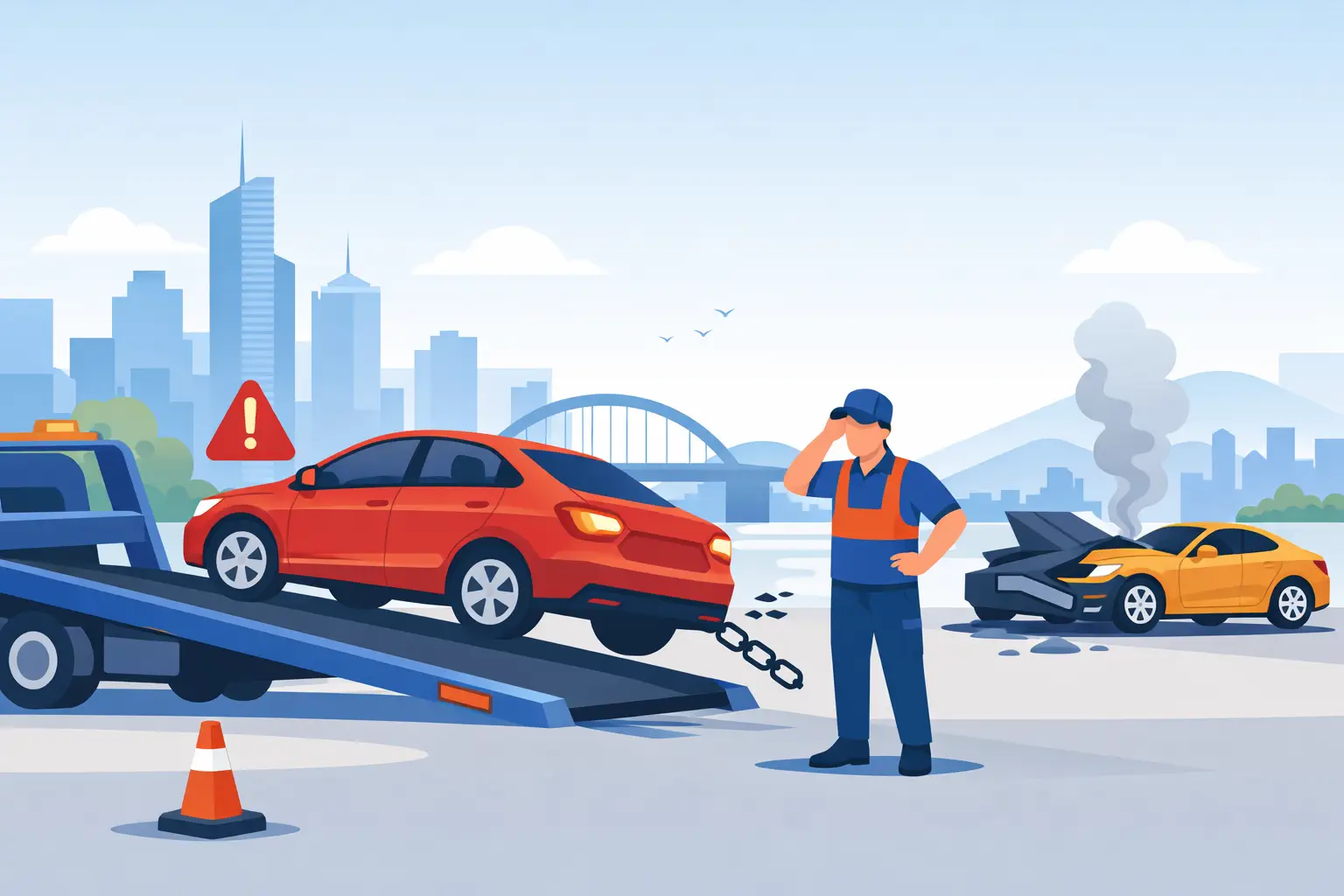
One of the most expensive towing mistakes is allowing the wrong recovery method for the vehicle. Flatbed towing is often the preferred option for low-clearance cars, performance vehicles, motorcycles, EVs, hybrids and vehicles with drivetrain faults. It keeps the vehicle off the road and reduces the chance of damage during transport.
That does not mean every job requires the same setup. Access, the vehicle’s condition, ground clearance and destination all affect the best method. A locked wheel, damaged suspension or a car that will not shift out of park needs extra care during loading. Tell the operator about these issues before they arrive rather than hoping they will be easy to manage on site.
If you own a specialty vehicle, ask how it will be loaded and secured. Proper tie-down points, wheel straps and careful ramp angles are far more reassuring than a rushed approach.
6. Leaving valuables, documents or loose items in the car
Before the tow truck arrives, take a quick look through the cabin, glovebox and boot. Remove wallets, laptops, tools, work equipment, house keys, medications, parking permits and anything else you cannot afford to lose. If the car is being delivered to a workshop after hours, you may not be able to access it again until the next day.
Loose objects should be secured as well. A toolbox sliding around in a van or a heavy item rolling in the boot can cause damage while the vehicle is being loaded or transported. If the vehicle is carrying commercial stock or equipment, advise the tow operator so the load can be considered as part of the job.
Take a few clear photos of the vehicle before collection, especially if it has existing damage. This is sensible record-keeping, not an accusation. It gives everyone a clear reference point.
7. Forgetting to agree on the delivery destination
“Take it to a mechanic” is not enough information. Confirm the workshop name, full address, contact number and whether it will be open when the vehicle arrives. Some workshops have specific after-hours drop-off bays, key-drop instructions or restricted access points. Others may not accept a vehicle without a booking.
If you are unsure where to send the car, home can be the more practical option, particularly if you want time to choose a repairer. It depends on the fault, the space available at home and whether the vehicle can be safely parked there. A commercial van may need to go directly to a fleet workshop to minimise downtime.
Be clear about who will accept the vehicle at the destination. If you cannot attend, arrange access and provide written instructions where required.
8. Not checking that the vehicle is ready to be loaded
You do not need to prepare the vehicle like a mechanic, but a few checks help. Put the key where the driver can access it, release the handbrake only when instructed, and keep the steering wheel unlocked if the vehicle allows it. Do not attempt to force a car out of park or bypass safety systems yourself.
Let the operator know if the keys are missing, the battery is flat, the electronic handbrake will not release, or the car cannot roll. These are manageable situations with the right equipment, but they can affect loading time and method. For motorcycles, remove or secure luggage and advise of any non-standard stands, fairings or accessories that need careful handling.
9. Failing to ask what happens next
A good towing experience does not end once the vehicle is on the tray. Before the truck leaves, confirm the destination, likely arrival time, payment arrangements and how you will receive confirmation of delivery. If a workshop is closed, ask where the vehicle will be left and how the keys will be handled.
It is also worth asking whether you need to travel with the vehicle or arrange your own lift. Passenger arrangements vary depending on the truck, road conditions and safety requirements. Never assume there will be room for several people, pets or large luggage.
10. Choosing speed over care
Fast assistance matters when you are stuck on the roadside, but rushing the loading process is not the answer. The right operator should work efficiently while checking clearance, securing the vehicle correctly and communicating what they are doing. This is especially important for lowered cars, EVs, motorcycles, prestige vehicles and light commercial vehicles carrying equipment.
Onigo Towing focuses on breakdown transport, with clear updates and careful flatbed handling for vehicles that need to get safely to a mechanic, home or another agreed destination. The goal is not simply to move a vehicle quickly. It is to prevent a bad day from becoming a more costly repair.
When your vehicle stops unexpectedly, focus on the next safe step: get out of danger, share accurate details, confirm the price and destination, and choose a tow operator equipped for your particular vehicle. That small amount of preparation can make the whole process calmer from the roadside to the repairer.