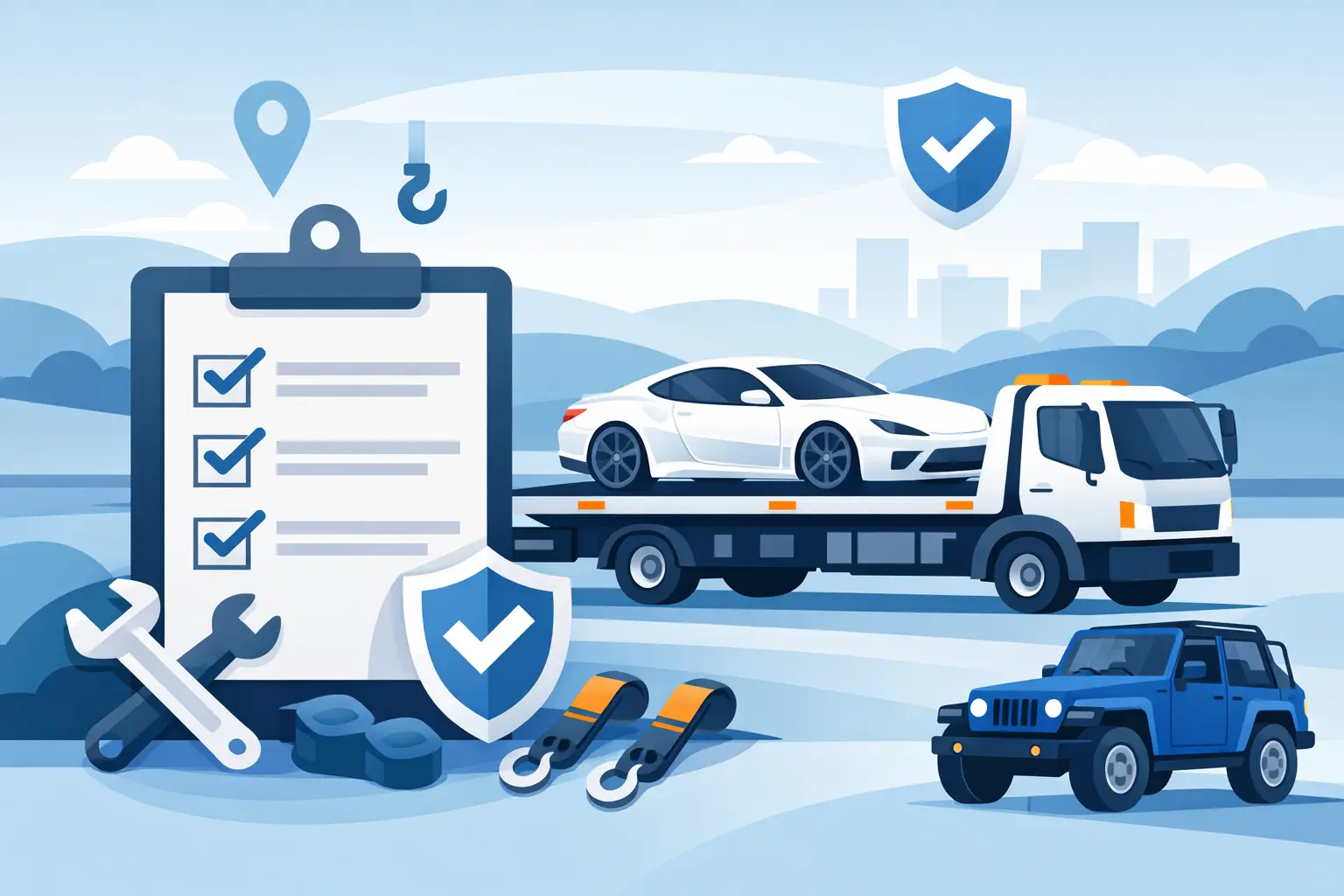
A low-clearance coupe, an electric vehicle with a flat battery or a motorcycle with fairings can be damaged before the tow truck has even left the kerb. This specialist vehicle towing checklist helps Melbourne drivers give the towing operator the right information, confirm the correct equipment and protect the vehicle from collection through to delivery.
Breakdowns are stressful, particularly when the vehicle is valuable, modified or difficult to move. The priority is not simply getting it onto a truck quickly. It is getting the right truck, the right loading method and clear instructions in place before dispatch.
Before You Call for a Tow
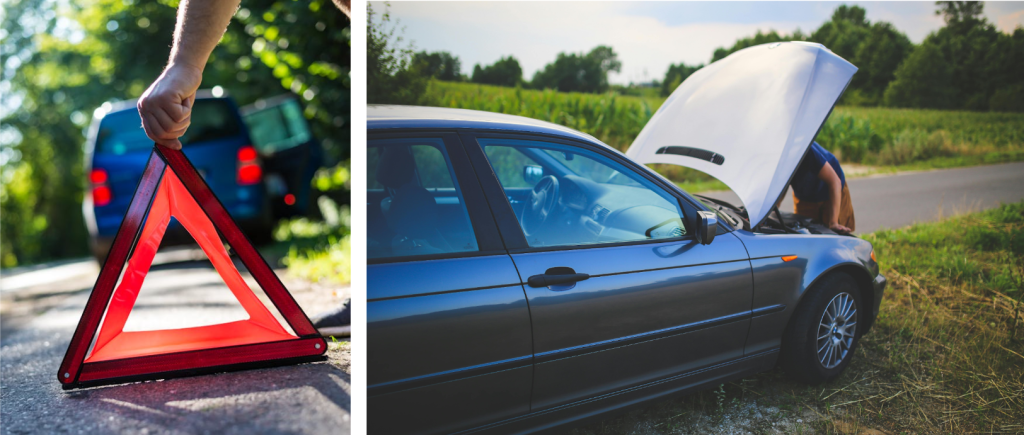
Start with safety. If the vehicle is in a live lane, on a blind corner or close to fast-moving traffic, move yourself and passengers to a safe position where possible. Do not remain in the vehicle while waiting for assistance unless there is no safer option. Turn on hazard lights and use a warning triangle only when it is safe to do so.
When you request a quote and ETA, describe the vehicle accurately. “It is a BMW” or “it will not start” is useful, but it is not enough for a specialist tow. A towing operator needs to know what makes the job different so they can allocate suitable equipment rather than making assumptions at the roadside.
Have these details ready:
- The make, model, year and registration, plus whether the vehicle is lowered, modified or unusually wide.
- Its precise location, direction of travel and any access issue such as a low car park, narrow street or steep driveway.
- What has failed: no-start, flat battery, overheating, tyre damage, immobiliser issue or mechanical fault.
- Whether it rolls, steers, selects neutral and has the keys available.
Also advise whether it is an EV, hybrid, all-wheel drive vehicle, prestige car, classic car, performance vehicle, motorcycle, light truck or loaded commercial van. Each can change how the vehicle must be handled.
The Specialist Vehicle Towing Checklist at Collection
Confirm the right loading method
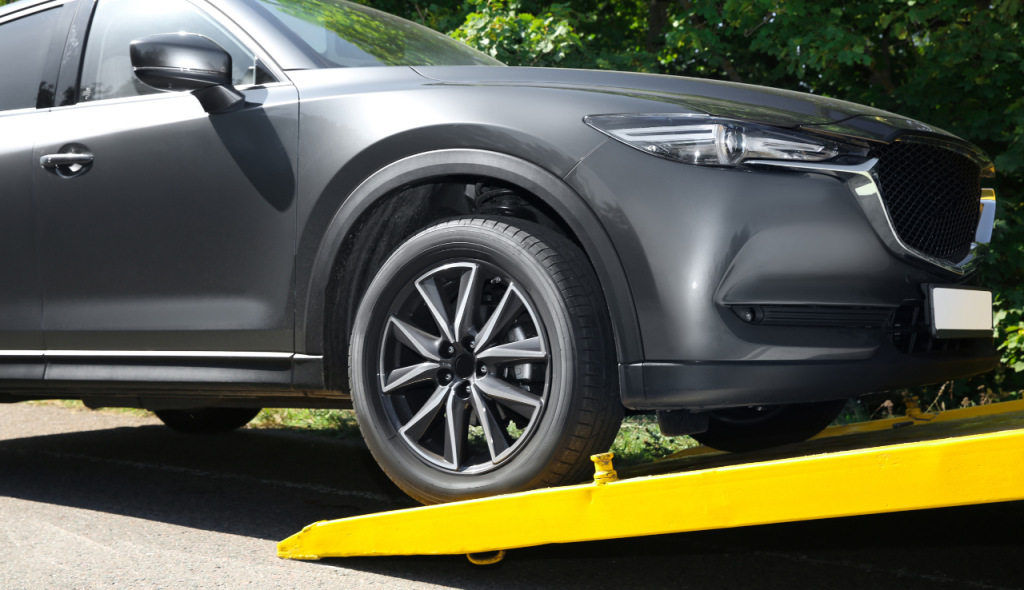
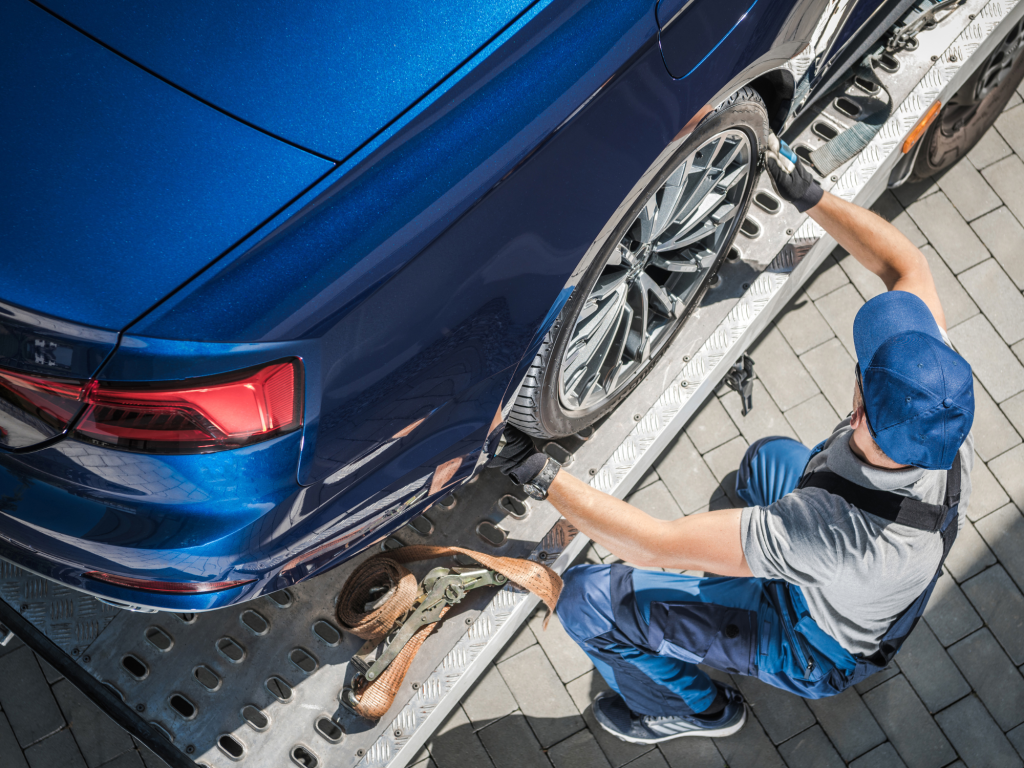
For most specialist vehicles, a flatbed or tilt tray is the safer option. It keeps all wheels off the road and avoids unnecessary drivetrain movement. This matters for all-wheel drive cars, EVs, lowered vehicles and vehicles with an unknown mechanical fault.
Wheel-lift towing can suit certain vehicles and short, straightforward moves, but it depends on the manufacturer’s requirements, the drivetrain and the fault. A vehicle that cannot be placed in neutral, has locked wheels or sits very low may need dollies, skates, winching equipment or a different loading approach. It should never be dragged onto a tray because that is the fastest option.
Ask the driver how they plan to load the vehicle if you have concerns. A professional operator should be able to explain the process plainly, including how they will manage clearance, non-rolling wheels or a locked steering system.
Check clearance before the vehicle moves
Low front splitters, side skirts, long wheelbases and modified suspension need extra care on ramps. The angle of approach is often the issue, not the weight of the vehicle. Suitable ramps, ramp extensions or timber blocks can reduce the risk of scraping the bumper, undertray or exhaust.
Before loading, take quick photos of the vehicle from several angles. Focus on existing marks, wheels, bumpers and any vulnerable modifications. This is not about creating conflict. It gives everyone a clear record of the vehicle’s condition and helps avoid confusion at handover.
Remove or secure loose items such as detachable body panels, low-hanging accessories and personal belongings. If the vehicle has an alarm, tell the driver how to disarm it. Where practical, keep the key with you until the vehicle is positioned for loading, then hand it over as agreed.
Protect the drivetrain and battery system
EVs and hybrids require particular attention. Their high-voltage systems, recovery points and transport mode instructions can differ significantly between models. A flat battery does not automatically mean the vehicle can be boosted, shifted or towed in the same way as a petrol car.
Tell the towing provider if the vehicle has displayed a battery, powertrain or high-voltage warning. If there has been smoke, heat, unusual smells or visible battery damage, stand well clear and advise emergency services where required. Do not attempt to access the battery pack or place the vehicle in transport mode if it is unsafe to do so.
All-wheel drive and some automatic vehicles may also have specific towing restrictions. If you have the owner’s manual or manufacturer roadside instructions on your mobile, keep them available. The towing operator can use that information alongside their own procedures.
Use the correct tie-down points
Tie-downs should secure the vehicle without damaging paint, suspension components, brake lines or bodywork. For cars, wheel straps are often preferred because they restrain the tyres rather than placing load through an unknown suspension point. For motorcycles, the correct straps and attachment points are essential to keep the bike upright without crushing fairings or over-compressing components.
Do not assume a visible hook or plastic-covered opening is a recovery point. Some tow eyes are intended only for limited use, and some vehicles have specific threaded points behind removable bumper covers. The driver should identify the appropriate method before winching or securing the vehicle.
Special Considerations by Vehicle Type
A motorcycle needs a stable wheel chock, purpose-built restraints and an operator who understands balance, steering lock and fairing clearance. It should not be treated like a small car or strapped down in a way that rubs against painted panels. Tell the operator about saddlebags, custom exhausts, loose chains or damage that may affect how it is secured.
Prestige and performance cars often need extra ramp clearance and careful wheel restraint. If the vehicle has carbon-fibre parts, air suspension or a front splitter, say so before dispatch. Air suspension may need to be placed in a specific mode, but only follow that procedure if the vehicle is safe to power on and the manufacturer permits it.
For classic cars, the condition of the tyres, brakes and steering can be as relevant as the make and model. A car that has been sitting for years may look mobile but have seized brakes or fragile components. Avoid forcing doors, steering or gear selectors. Explain how long it has been off the road and whether it has been moved recently.
Commercial vans, utes and light trucks need an accurate weight and load description. Tools, stock, shelving and equipment can add significant weight or shift during transport. Remove loose cargo where possible, lock the load area and tell the driver if the vehicle carries batteries, gas bottles or other materials that need special handling.
Agree on the Destination and Handover
The destination matters as much as collection. Confirm the mechanic, dealership, home address or storage location before the truck leaves. Check opening hours, after-hours access, height limits and whether the workshop accepts keys outside business hours. A tow to a closed site with no secure drop-off arrangement can create an avoidable second problem.
Ask for the price before dispatch and clarify what it covers. Distance, tolls, difficult access, special loading requirements and after-hours work can affect the quote. Clear upfront pricing gives you the chance to make a decision without surprises once your vehicle is already loaded.
At delivery, inspect the vehicle in good light if possible. Confirm where the keys have been left, whether the vehicle is locked and what information the mechanic needs about the breakdown. Keep the tow receipt and any photos until repairs are complete.
When the Vehicle Cannot Be Moved Normally
A vehicle that will not roll, steer or release its electronic park brake needs a more planned approach. It may require wheel dollies, skates or controlled winching onto a flatbed. This can take longer than a standard tow, but forcing it risks damage to tyres, wheels, transmission components or the tray itself.
Be honest about the fault. If the car is stuck in park, has a damaged wheel, is leaking fluids or is parked in a difficult position, mention it during the first call. Accurate information helps the operator arrive prepared and reduces delays at the roadside.
The best time to protect a specialist vehicle is before the truck is dispatched. Give clear details, choose a provider equipped for careful breakdown towing and do not be pressured into a loading method that does not suit the vehicle. If you are stranded in Greater Melbourne, Onigo Towing can provide a clear price and ETA while arranging the appropriate transport for your situation.