A vehicle can look secure on a tray and still be at risk if the wrong attachment points, straps or tension are used. Secure tie down towing methods are not just about stopping a car from moving – they protect tyres, suspension, bodywork and driveline components throughout the trip.
For a breakdown tow in Melbourne, the right method depends on the vehicle, why it cannot be driven, its ground clearance and where it needs to go. A late-model EV, lowered performance car, motorcycle and loaded work van should not be handled as though they are the same job. Careful loading and restraint planning are what turn a tow from a risky transfer into safe transport.
What secure tie down towing methods involve
A professional tow operator starts by assessing the vehicle before a strap is fitted. They look for visible damage, flat tyres, locked wheels, low clearance, loose panels and any mechanical issue that may affect loading. They also confirm whether the vehicle is front-wheel drive, rear-wheel drive, all-wheel drive or electric, as this can change how it is moved onto the truck.
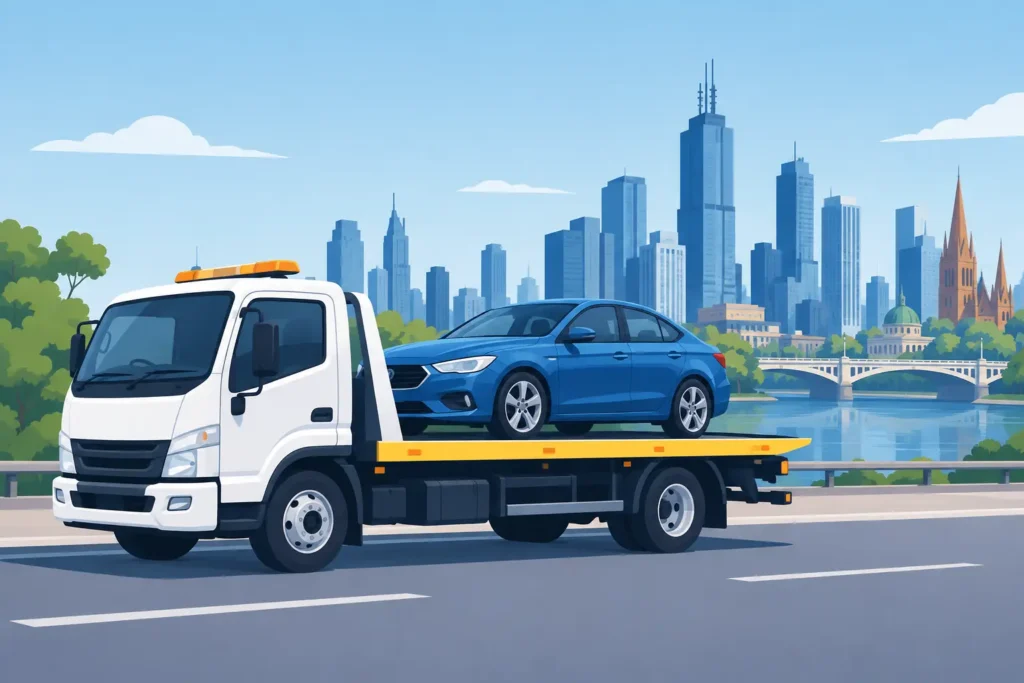
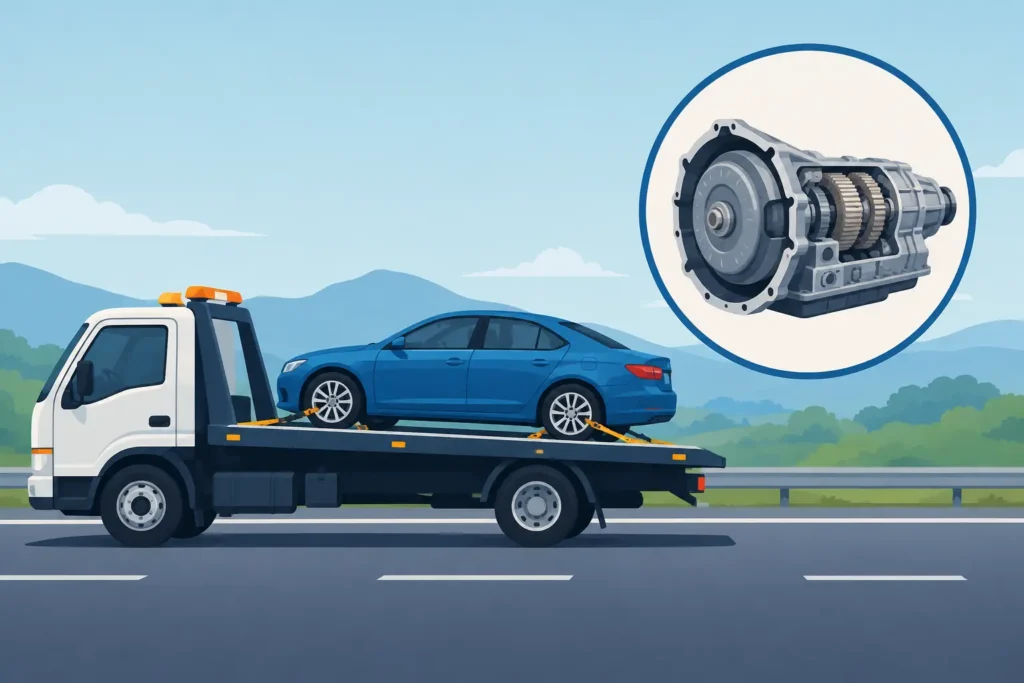
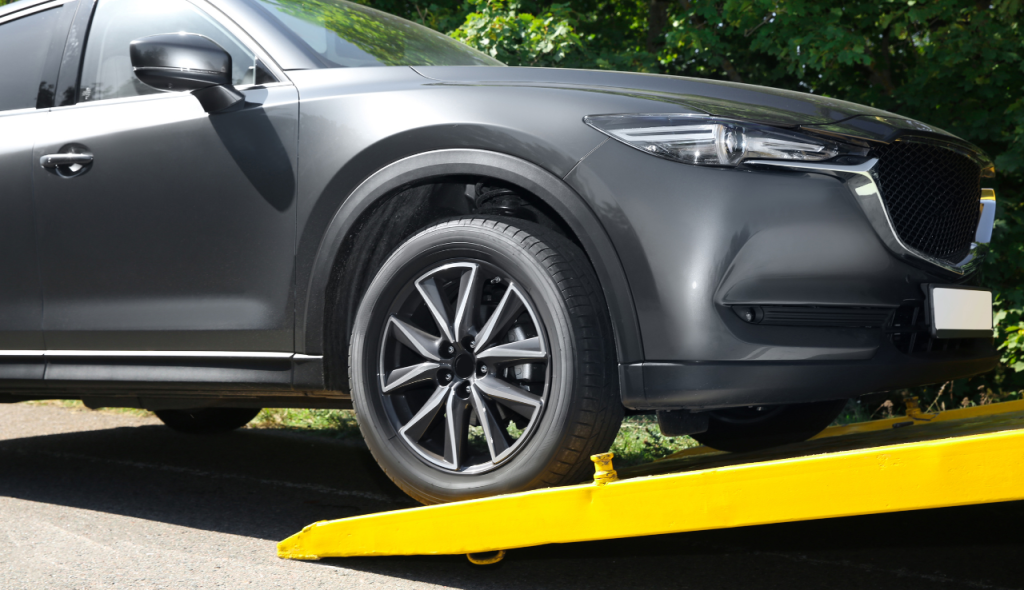
For most breakdowns, a flatbed tilt tray is the safest option. The vehicle is loaded fully onto the tray rather than towed with two wheels on the road. This avoids unnecessary wear on tyres and driveline parts, and it gives the operator more control over the vehicle during transport.
Once on the tray, restraints need to hold the vehicle in place without creating damage. The aim is to keep it stable under braking, cornering and road vibration while avoiding pressure on components not designed to carry a towing load.
Wheel straps are usually the preferred method
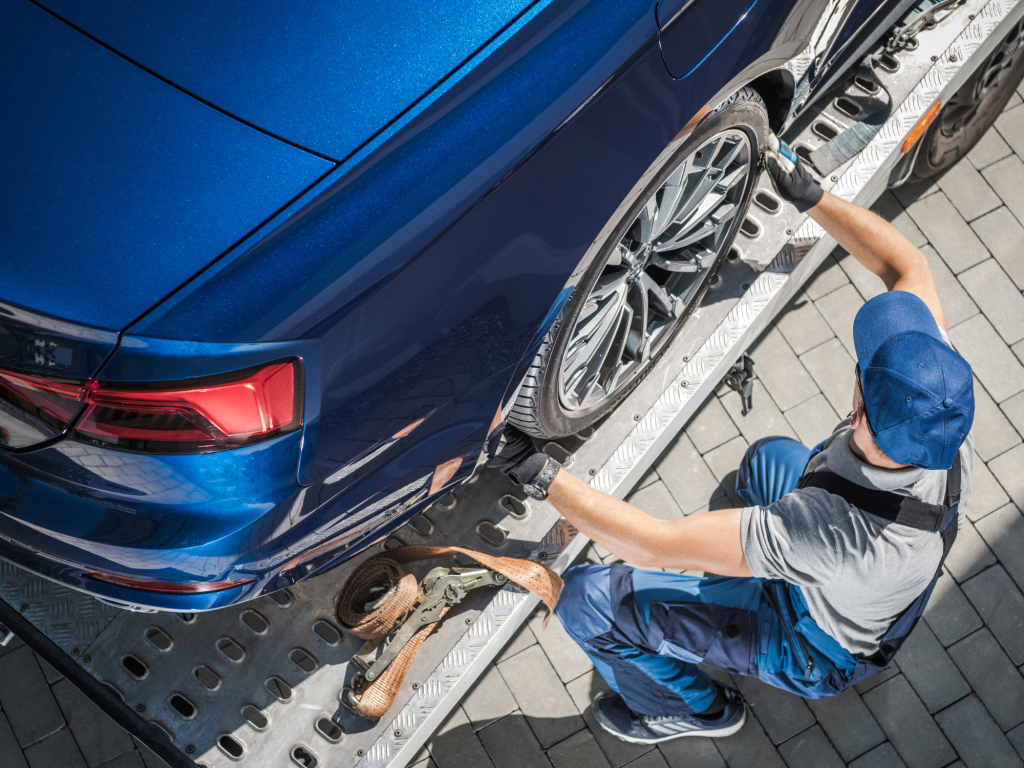
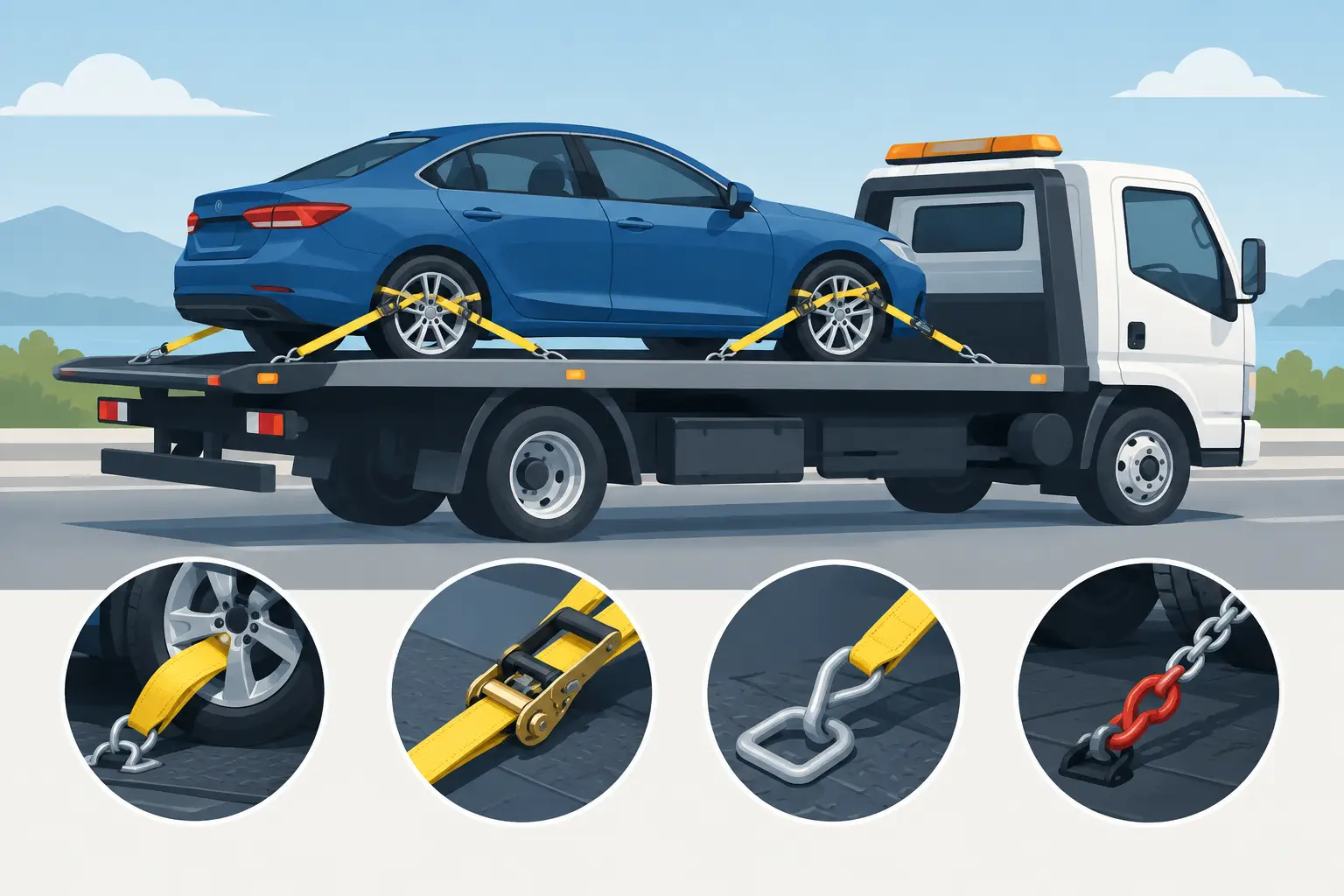
For many cars, vans and utes, wheel straps are the preferred restraint system on a flatbed. These straps wrap around the tyre and secure the wheel to the tray, rather than pulling directly on suspension arms, steering components or body-mounted points.
This approach allows the vehicle’s suspension to work naturally over bumps. It also reduces the chance of damaging alloy wheels, underbody covers or sensitive mechanical parts. Properly positioned tyre straps should sit securely over the tyre, clear of brake lines and guards, with the ratchet tensioned correctly.
The operator should use enough restraint points to suit the vehicle and the trip. One strap is not a towing plan. A properly secured vehicle needs balanced restraint across the tray, with the setup checked again after loading and before departure.
Wheel straps are not suitable in every case. A severely flat tyre, damaged wheel, unusually narrow tyre or vehicle with a compromised suspension corner may require a different approach. This is where experience matters. Forcing a standard strap arrangement onto a damaged vehicle can create a second problem before the tow has even begun.
Why over-tightening is not safer
It is easy to assume that tighter always means safer. In reality, excessive tension can put unnecessary load through tyres, wheels and suspension. Straps should be firm enough to control movement, but applied in line with the equipment’s rating and the vehicle’s condition.
A good operator checks the restraint system as part of the loading process, not as an afterthought. Straps can settle slightly once the vehicle is positioned and the tray angle changes. A final inspection makes sure ratchets are locked, webbing is not twisted or frayed, and no strap is rubbing against a sharp edge.
When axle straps or approved recovery points are needed
Some vehicles cannot be safely restrained with standard wheel straps alone. This can include a vehicle with a missing wheel, serious tyre damage, collision-related damage, seized brakes or a mechanical failure that prevents normal positioning.
In these situations, an operator may use axle straps, soft loops or manufacturer-approved towing and recovery points. These methods must be selected carefully. Many modern vehicles have plastic undertrays, aluminium suspension components and aerodynamic panels that are not suitable anchor points.
Factory tow eyes can be useful for controlled loading and positioning, but they are not automatically intended as a primary tie-down point for every trip. The vehicle handbook and the operator’s assessment should guide the decision. A proper restraint setup works with the vehicle’s approved structural points, not whatever is easiest to reach.
This is particularly relevant for prestige and performance vehicles. Low front spoilers, side skirts and reduced ground clearance can make ordinary loading angles unsafe. A tilt tray may need ramps, blocks or a modified loading approach to prevent scraping. Taking a few extra minutes at the kerb can prevent costly cosmetic damage.
Secure tie down towing methods for EVs and hybrids
EVs and hybrids need additional care because of their battery systems, weight and drive configuration. Many electric vehicles are heavier than comparable petrol models, so the tray position, load distribution and restraint equipment need to suit the vehicle’s mass.
If an EV cannot be placed in transport mode or neutral, it may not roll normally. Dragging it onto a tray can damage tyres, motors or drivetrain components. The towing operator needs to understand the vehicle’s requirements before moving it, including whether wheel dollies or other specialist equipment are required.
The large battery pack is usually mounted beneath the floor. That makes incorrect lifting or attachment points particularly risky. No strap, chain or lifting device should be placed where it could contact or load the battery enclosure. For hybrids, the same caution applies around high-voltage components and manufacturer instructions.
A flatbed tow remains the sensible choice for most EV and hybrid breakdowns, but the details matter. Clear communication about the model, whether it is locked, its battery level and the reason it stopped helps the tow team arrive prepared.
Motorcycles need a different restraint approach
Motorcycles should never be treated like a small car. Their stability depends on correct wheel chocking, handlebar position and purpose-made soft restraints. Straps should secure the bike without crushing fairings, damaging brake lines or over-compressing forks.
The front wheel is generally held in a chock, with restraints applied at suitable points to keep the motorcycle upright and stable. The rear is also secured to prevent sideways movement. Loose straps, improvised knots and attachment to fragile bodywork are not acceptable on a professional tow.
For high-value, custom or vintage motorcycles, the operator should ask about modified parts, low exhausts and delicate accessories before loading. A brief conversation can prevent a strap from contacting a component that is expensive or difficult to replace.
Checks that should happen before the truck moves
Secure transport is a process, not one action. Before departure, a professional operator should confirm the vehicle is centred on the tray, the parking brake and transmission position are managed appropriately, and all restraint hardware is locked and clear of moving parts.
They should also look for loose items that could shift in transit. If it is safe to do so, remove or secure items in the cabin, boot or tray of a ute. A vehicle may be tied down correctly, but unsecured gear can still cause damage inside it.
Photos or a condition check can be useful, especially for a specialist vehicle or a car with existing damage. This creates clarity for everyone and supports the straightforward service customers should expect during an already stressful breakdown.
At Onigo Towing, the focus is on careful flatbed handling for breakdown vehicles, with the loading method chosen for the car in front of us rather than a one-size-fits-all routine. Customers should receive a clear explanation if a vehicle needs extra equipment, a slower loading approach or a specialist arrangement.
What drivers can do while waiting for a tow
You do not need to know how to secure a vehicle, but a few details can help the job go smoothly. Tell the dispatcher the make, model and approximate location, then mention anything unusual: a flat tyre, locked steering, low suspension, an EV that will not select neutral, or a vehicle parked in a tight garage or underground car park.
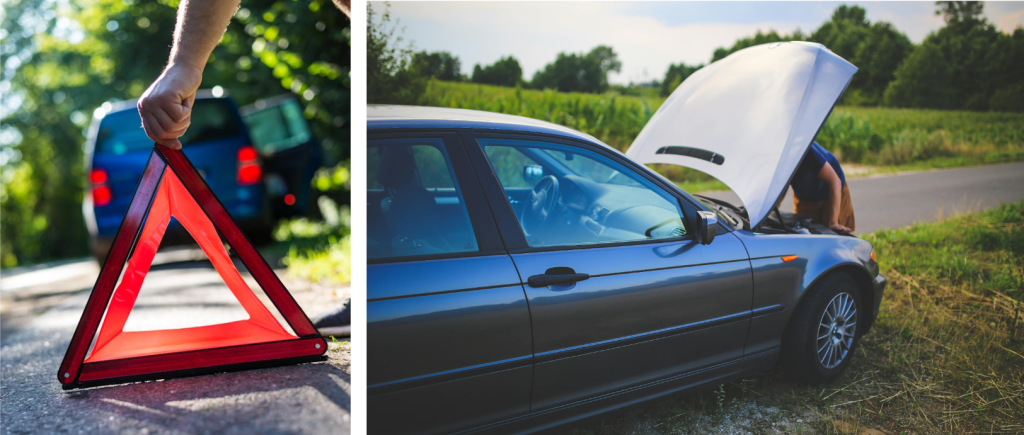
If you are on a busy Melbourne road, prioritise your safety. Move away from traffic where possible, turn on hazard lights and wait in a safe location. Avoid trying to attach straps yourself or directing a vehicle onto ramps unless the tow operator asks you to assist.
The right towing method should leave you feeling informed, not rushed or unsure. Ask how the vehicle will be loaded and restrained, particularly if it is low, electric, all-wheel drive or valuable to you. A careful operator will be happy to explain the plan before the truck pulls away.