A breakdown rarely happens at a convenient time. You might be stuck on a busy Melbourne road, in a shopping centre car park, or outside home with a car that simply will not start. In that moment, knowing how to prepare car for towing can save time, reduce stress, and help protect the vehicle from avoidable damage.
The good news is that most of the prep is simple. You do not need to be mechanically minded. You just need to make the car accessible, gather a few details, and avoid the common mistakes that slow the job down or create extra risk.
How to prepare car for towing before help arrives
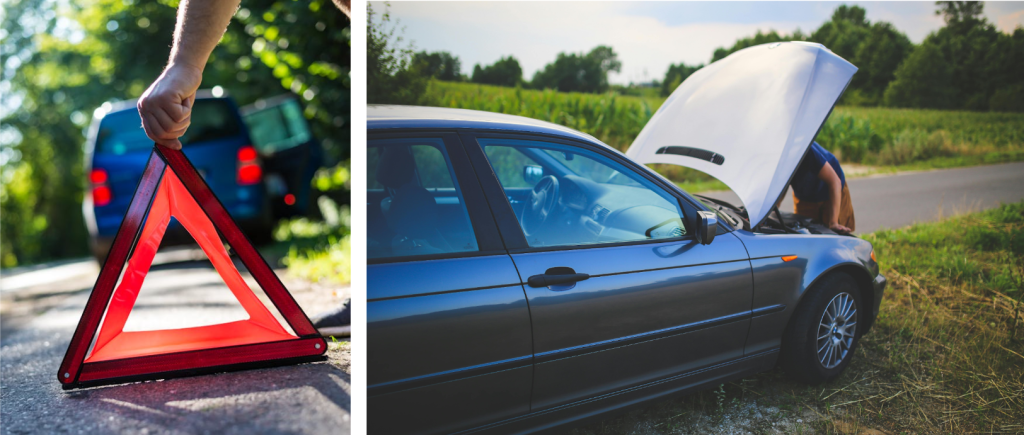
The first priority is always safety. If the car has broken down in traffic or on the side of the road, turn on your hazard lights straight away. If it is safe to do so, move the vehicle out of the flow of traffic. If it cannot be moved, stay clear of passing vehicles and wait somewhere safe.
If you are on a high-speed road, safety comes before convenience. Do not stand near the traffic side of the vehicle. If conditions are dangerous, step behind a barrier or move well away from the roadway. A tow operator can handle the vehicle once they arrive, but your own safety needs attention first.
Once you are in a safe position, think about access. A tow truck driver needs enough room to approach, load and secure the vehicle properly. If the car is in a tight spot, such as a basement, narrow driveway, stacked car park or low-clearance area, mention that when booking. That matters because the right truck and loading method depend on location as much as the vehicle itself.
It also helps to tell the towing company exactly what the car is and what it is doing. A car that has a dead battery is different from one with a locked transmission, wheel damage or electronic faults. If it is an EV or hybrid, say so clearly. These vehicles often have specific handling and transport requirements, and the tow provider needs that information before dispatch.
What to do inside the car
Before the truck arrives, remove or secure loose items in the cabin. Water bottles, tools, shopping bags and boot contents can shift during loading or transport. That does not always cause damage, but it can create a mess or become a distraction when the vehicle is being moved.
Take your valuables with you. Phones, wallets, laptops, keys, cash and important documents should stay with the driver, not in the vehicle. Even when the towing process is straightforward, it is simply better practice not to leave anything essential behind.
If the car is going to a workshop, check whether there is anything the mechanic will need, such as wheel lock nuts, service records or the key for an aftermarket immobiliser. A lot of delays happen after drop-off because the car arrives but cannot be inspected or moved properly.
If your steering wheel is locked, mention that when you call. The same goes for an engaged handbrake, a flat tyre, broken suspension, or a gearbox that will not shift into neutral. None of these issues mean the car cannot be towed, but they do affect how it should be loaded.
Documents and details to have ready
When people search how to prepare car for towing, they often think only about the vehicle. The paperwork side matters too, especially when you are stressed and trying to organise transport quickly.
Have your exact location ready, including nearby landmarks if the address is hard to spot. In suburban streets, unit complexes and large car parks, a clear description can save time. If your mobile battery is low, charge it if possible or keep usage to a minimum so the driver can still contact you on arrival.
You should also be ready to confirm the destination. That might be your mechanic, home address, workplace, dealership or another repairer. If you are not sure yet, say so early. It is easier to sort out destination details before dispatch than to change the job halfway through.
Keep your registration details handy and be prepared to describe the vehicle accurately, including make, model, colour and any modifications that affect clearance or loading. Lowered cars, performance vehicles, vans with equipment, and utes carrying tools may all require a bit more care in how they are transported.
Preparing different types of vehicles for towing
Not every breakdown is the same, and not every vehicle should be handled the same way. That is where a bit of clear communication helps.
A standard passenger car with a dead battery is usually straightforward if the steering unlocks and the wheels roll freely. In that case, the main job is making sure the vehicle can be accessed and the keys are available.
For lowered or performance cars, ground clearance matters. Front bars, splitters and side skirts can be vulnerable during loading, especially on steep driveways or uneven surfaces. If your car sits low, say that upfront so the operator can plan for a careful approach.
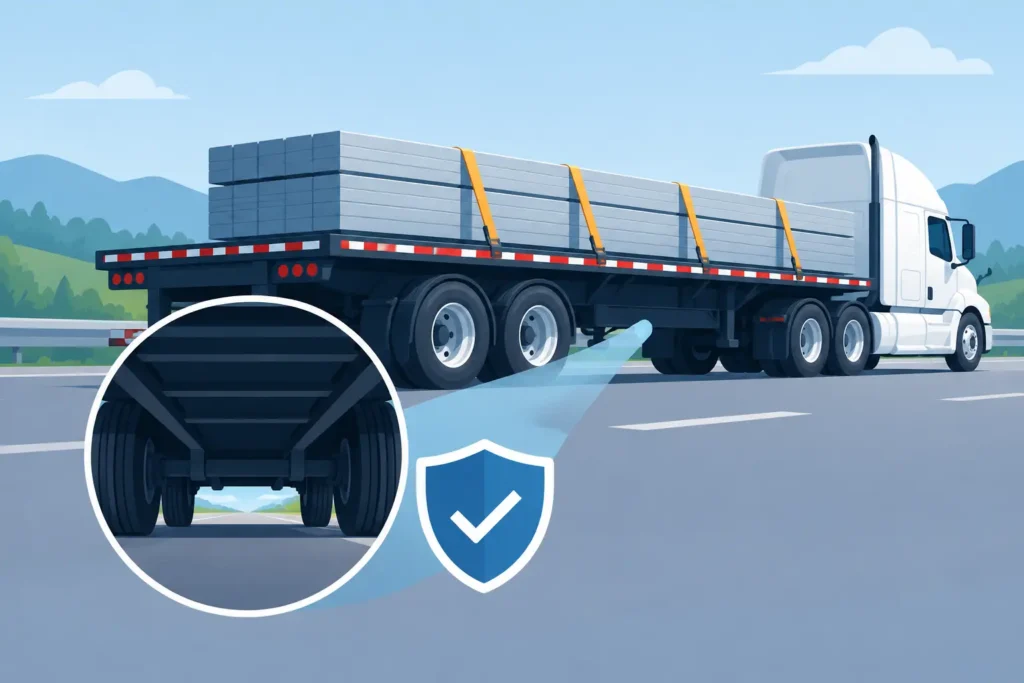
With vans, light trucks and loaded commercial vehicles, weight distribution becomes more important. Tools, stock or equipment in the back can affect how the vehicle sits on the tray. If you are carrying a heavy load, mention it rather than assuming it will not matter.
EVs and hybrids need extra attention. Some cannot be safely towed with driven wheels on the ground, and many have manufacturer-specific transport instructions. If the vehicle has shut down electronically or will not select neutral, that is worth saying straight away. A breakdown towing specialist will want those details before arriving on site.
Mistakes that can make towing harder
The most common mistake is giving too little information. Saying the car has “broken down” is a start, but it does not tell the tow operator whether it rolls, steers, starts, or is stuck somewhere difficult. The more accurate your description, the smoother the pickup usually is.
Another issue is assuming every tow is the same. It depends on the vehicle, the location, and the fault. A car in an open driveway is one thing. A non-start vehicle in a multi-storey car park with low clearance is something else entirely.
People also sometimes leave the destination undecided until the truck arrives. That can slow things down, especially if the driver is waiting while you ring around for a workshop. If possible, choose the destination before booking so the job can run cleanly from pickup to drop-off.
It is also worth avoiding DIY towing unless it is absolutely necessary and legally compliant. Towing a broken-down vehicle with another car sounds simple until steering, braking, visibility and road safety become a problem. For most roadside breakdowns, professional towing is the safer option.
If the car will not start, roll or unlock
This is where people often worry they have done something wrong. In most cases, you have not. Modern vehicles can fail in ways that leave the steering locked, the battery flat, the electronic handbrake engaged, or the transmission stuck in park.
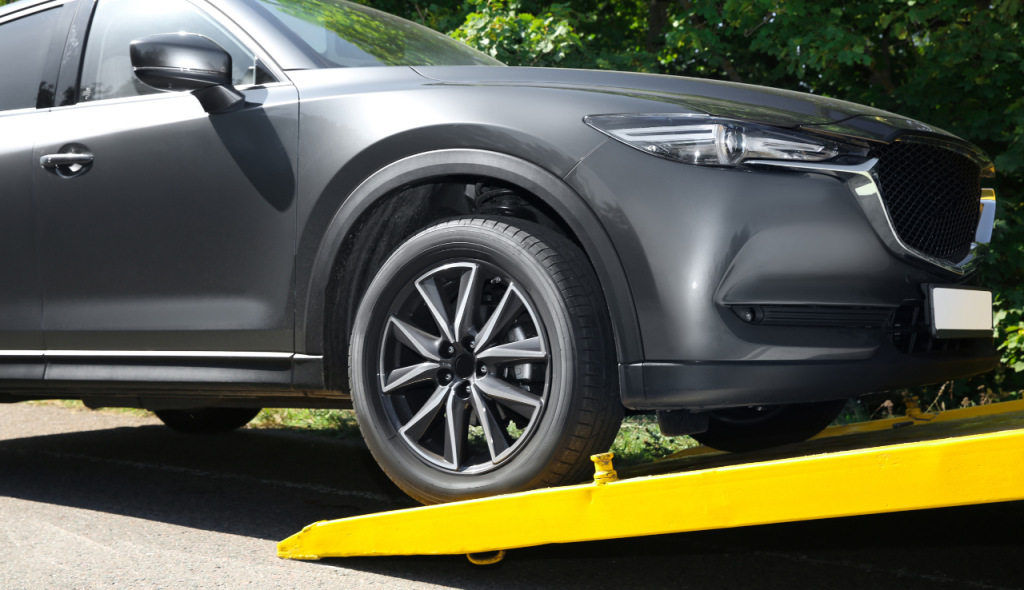
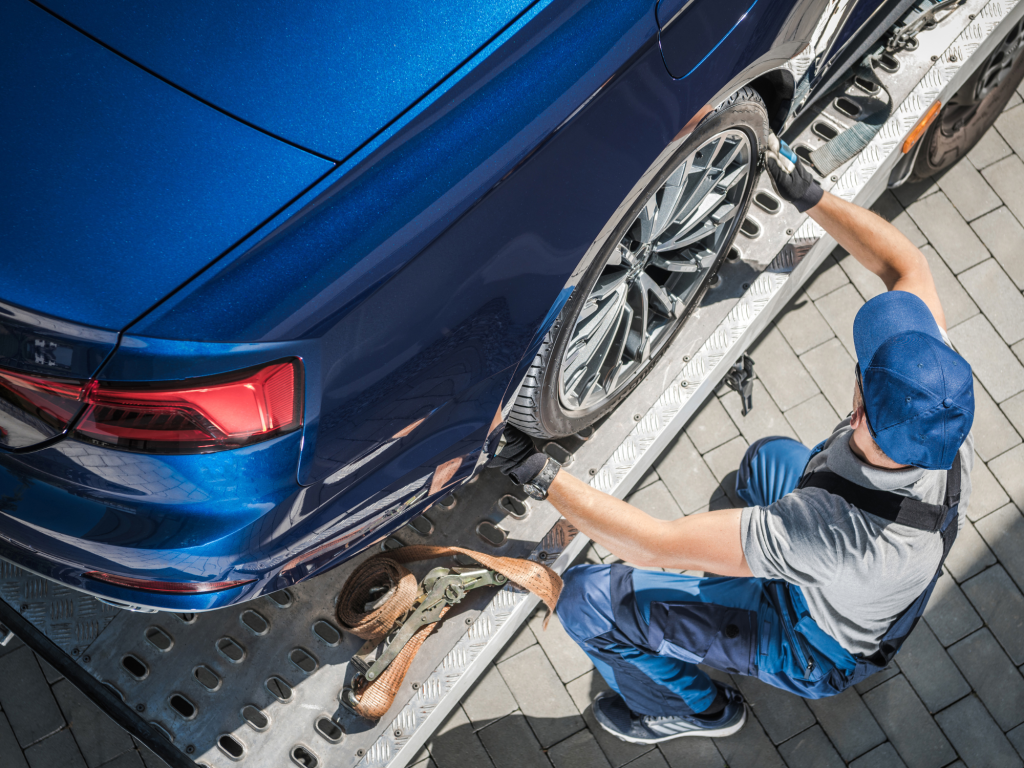
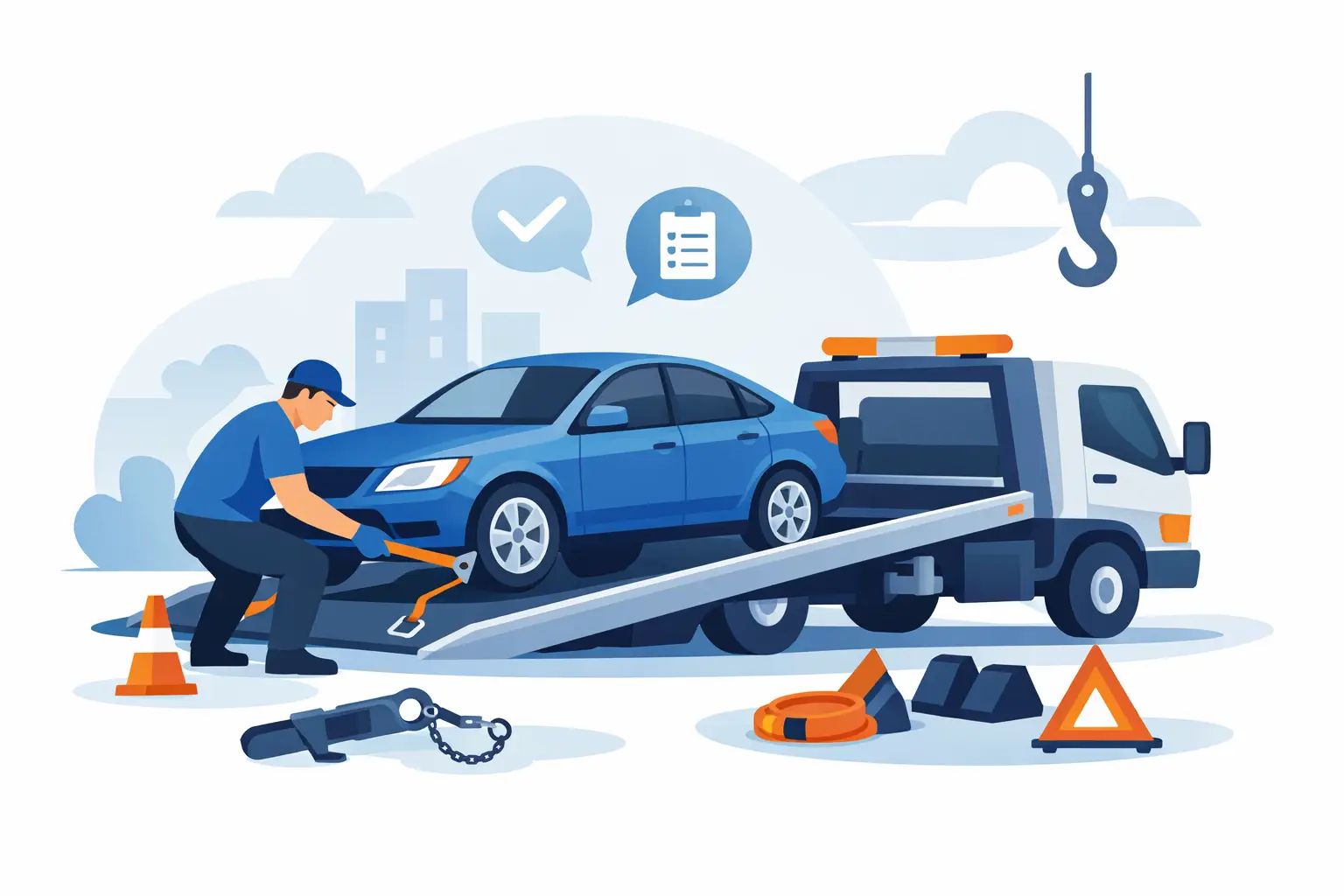
That does not mean the tow cannot happen. It just means the operator needs the right equipment and enough warning. A flatbed tow truck is often the safest choice for breakdown transport because it reduces rolling contact and gives better control during loading. For non-start vehicles, that extra care matters.
If you can, leave the key accessible and keep your phone on you. If the vehicle has a start button, proximity key, alarm issue or immobiliser fault, mention that. Small details can save a surprising amount of time on site.
A calm handover makes the job faster
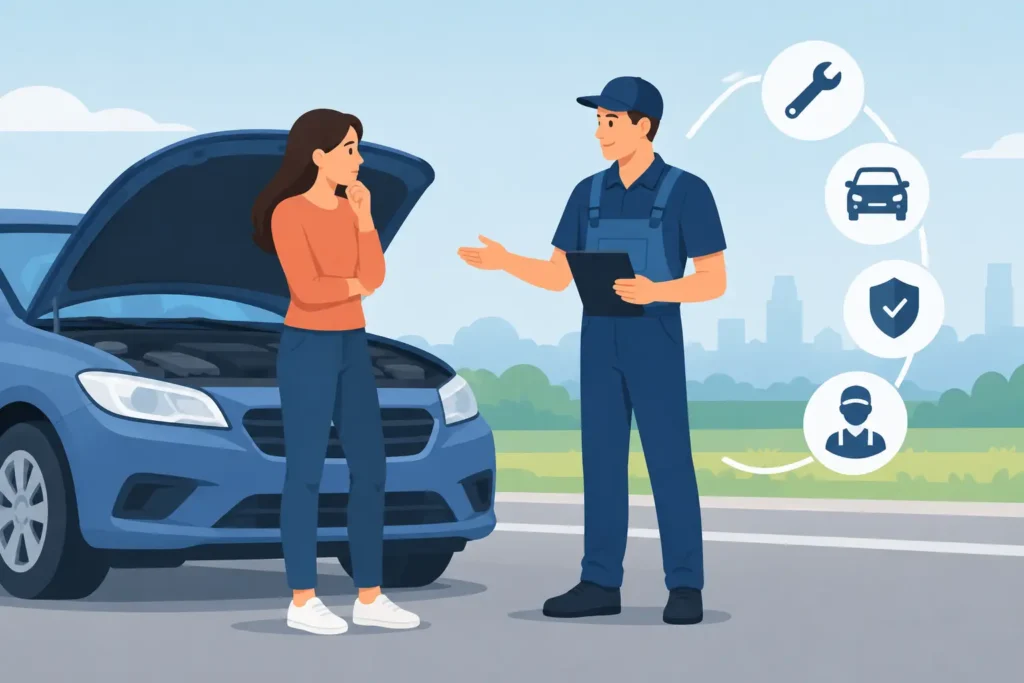
When the tow truck arrives, walk the operator through the problem briefly and point out anything unusual about the vehicle. That might be a very low front end, a wheel that is rubbing, a battery issue, or a destination with restricted access.
You do not need a long explanation. Just be clear and direct. A good towing operator will confirm the plan, load the vehicle carefully, and explain what happens next. That kind of communication is part of what makes a stressful breakdown feel manageable.
If you are in Melbourne and dealing with a non-start, battery issue, mechanical fault or transport to a repairer, a breakdown-focused service like Onigo Towing is built for exactly that kind of job. The main thing is choosing an operator who asks the right questions before dispatch and treats the vehicle with care from pickup to drop-off.
When your car stops without warning, a bit of preparation goes a long way. Keep yourself safe, give clear information, and let the towing team do the heavy lifting. It is the fastest way to turn a frustrating breakdown into a problem that is already being handled.