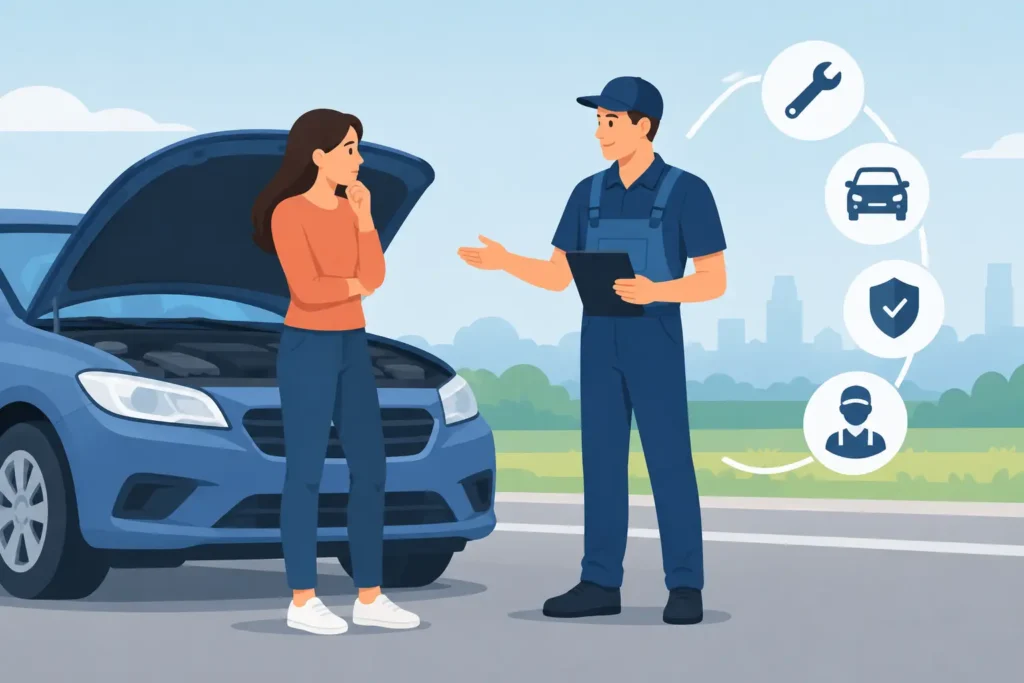
A breakdown on a Melbourne freeway, a dead battery outside home or a car that will not restart at the servo creates one immediate question: how do you move it without making the problem worse? In the car trailer vs tow truck decision, the right answer depends on the vehicle, the fault, the distance and whether you already have the equipment and experience to tow safely.
For most unplanned breakdowns, a professional flatbed tow truck is the safer and simpler option. A trailer can be useful in the right hands, but it brings its own towing requirements, loading risks and legal responsibilities. The goal is not simply to get the vehicle moving. It is to get it to the mechanic, home or chosen destination without damage, delays or unnecessary stress.
Car trailer vs tow truck: the practical difference
A car trailer is a trailer designed to carry a vehicle. It must be pulled by another vehicle with enough legal towing capacity, the correct towbar and electrical connection. The broken-down car is driven or winched onto the trailer, secured at multiple points, then transported behind the towing vehicle.
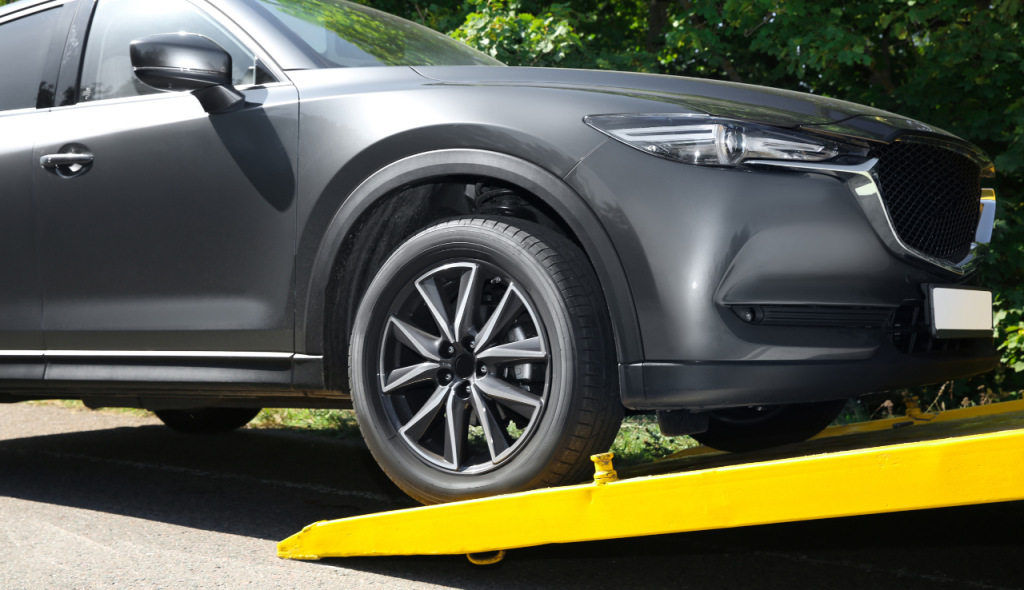
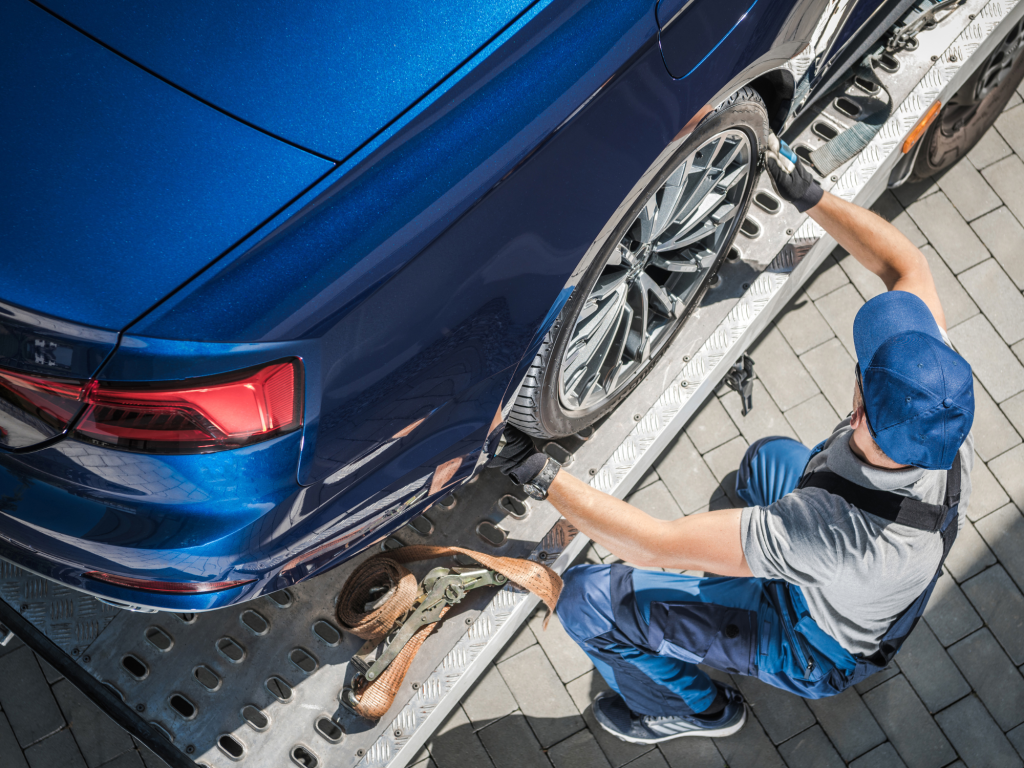
A tow truck is a purpose-built vehicle operated by a trained driver. For breakdown transport, this is commonly a flatbed or tilt tray. The tray tilts to ground level, allowing the vehicle to be winched on carefully and carried with all four wheels off the road. The tow operator manages the loading angle, tie-downs, weight distribution and route.
These options can look similar from a distance because both carry your car rather than drag it. The difference is who supplies and operates the equipment. With a trailer, that responsibility sits largely with you. With a specialist tow truck, it sits with the operator who does this work every day.
When a car trailer can make sense
A car trailer can be a practical option for planned transport. For example, a car enthusiast may have a suitable towing vehicle and trailer to take a project car to a workshop, move a race car, or collect a vehicle that cannot be registered for road use. A business moving vehicles regularly may also have the right equipment and trained staff.
It works best when there is time to prepare. You need room to park and load safely, a firm and level surface, working trailer brakes where required, rated tie-down gear, and a tow vehicle that can legally handle the combined weight. The trailer itself, the loaded car, passengers, tools and fuel all count towards towing limits.
A trailer is less suitable when the car has failed unexpectedly at the roadside. Finding it, bringing it to the location and setting it up may take longer than arranging a tow. Loading beside traffic, on a narrow suburban street, in a tight car park or on an uneven shoulder can turn a straightforward breakdown into a safety issue.
There is also the question of confidence. Reversing, cornering and braking with a loaded car trailer requires practice. If you have not towed a loaded trailer before, a stressful roadside situation is not the place to learn.
Trailer loading has real damage risks
Low cars, performance vehicles and vehicles with long front overhangs can scrape on trailer ramps. Some trailers need ramps, blocks or a careful loading angle to prevent contact with the front bar, undertray or exhaust.
A vehicle with locked wheels, steering damage, a flat tyre, a seized brake or drivetrain trouble may not roll onto a trailer normally. Trying to force it up ramps can damage tyres, suspension components or the trailer itself. Proper winching takes the right equipment and a controlled approach.
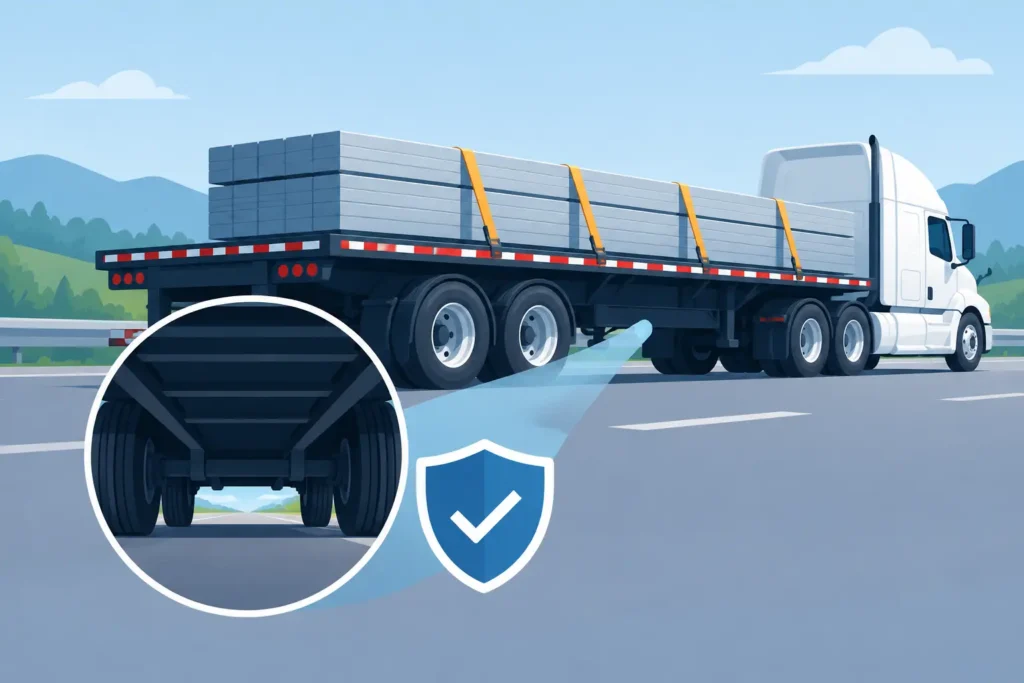
Tie-downs matter just as much. Straps should secure the vehicle correctly without crushing brake lines, damaging wheels or allowing movement over bumps. A loose load can shift under braking or while turning, creating a serious road hazard.
Why a flatbed tow truck suits most breakdowns
For a non-start, mechanical fault, overheating issue, electrical problem or dead battery that cannot be resolved roadside, a flatbed tow truck removes the need for the owner to organise towing gear. The vehicle is loaded, restrained and carried by an operator who can assess the safest method before work begins.
Flatbed transport keeps all four wheels off the road. That is particularly useful where the fault is unknown. If a gearbox, transmission, diff, wheel bearing or suspension component has failed, rolling the car over a long distance may cause further damage. It also avoids issues with many all-wheel-drive vehicles, which generally should not be towed with one axle on the road unless the manufacturer specifically permits it.
Modern vehicles can be more complicated than they appear. Electronic parking brakes, low clearance, active suspension, hybrid systems and EV battery placement all affect how a vehicle should be moved. A professional operator can use the appropriate loading points, recovery gear and restraint method rather than treating every vehicle like an older two-wheel-drive sedan.
For owners of prestige, modified or speciality vehicles, careful loading is usually worth more than the small saving a self-managed trailer might offer. A proper tilt tray and experienced operator reduce the chance of bumper scrapes, wheel damage and poor tie-down placement.
EVs and hybrids need extra care
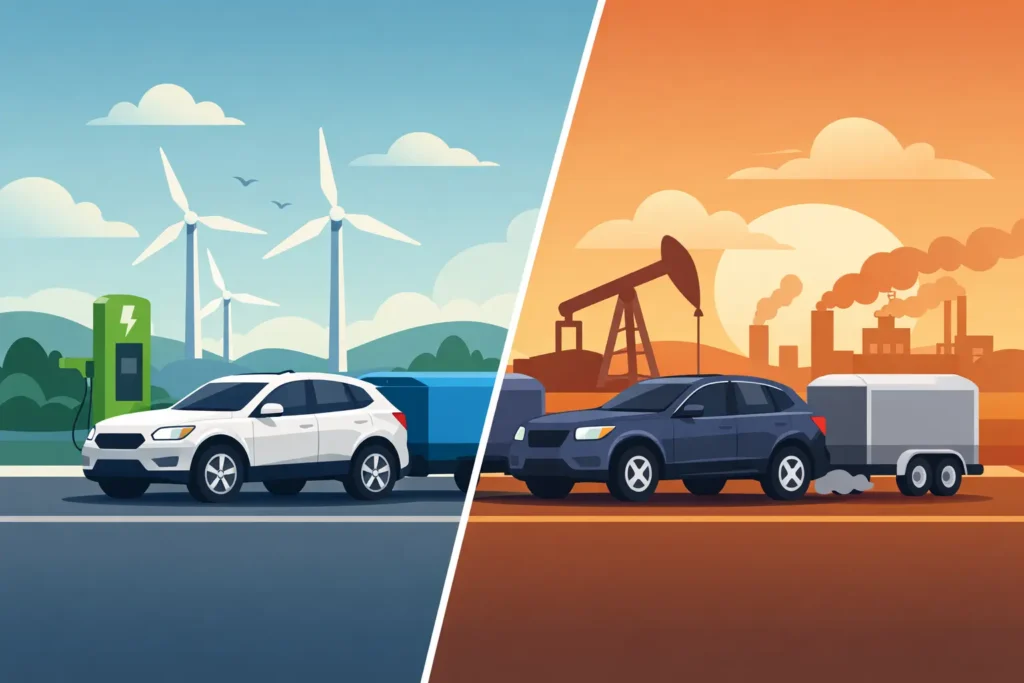
Electric and hybrid vehicles can be towed safely, but the method matters. A flatbed is often the preferred choice because it prevents the driven wheels from turning during transport. This helps avoid potential drivetrain issues and makes the process more straightforward when the vehicle cannot be placed in neutral or has an electronic fault.
If an EV has warning lights, battery damage, smoke, heat or has been involved in water exposure, do not attempt to move it yourself. Keep clear of the vehicle, avoid touching orange high-voltage cables, and tell the dispatcher exactly what has happened. The towing provider can then send suitable equipment and plan the job safely.
Cost is more than the initial price
Using your own trailer may seem cheaper because you are not paying a towing provider. That calculation changes quickly if you need to hire a trailer, buy straps, organise a suitable tow vehicle or take time away from work. Fuel use also rises significantly when towing a loaded trailer, especially over longer distances.
Then there is the cost of getting it wrong. Damage from an incorrect loading angle, an unsecured vehicle, an overheated tow vehicle or an accident while towing can exceed the cost of a professional tow by a wide margin. Insurance cover may also have conditions around towing capacity, trailer condition and the person operating the vehicle.
A tow truck quote should be clear before dispatch. Ask whether the price covers the call-out, loading, travel distance, tolls where applicable and delivery location. If the car is in a difficult position, such as a basement, a busy road, a car park with height restrictions or a narrow driveway, mention that during the booking so the right truck can be sent.
Speed and convenience during a Melbourne breakdown
When your car has stopped in traffic or you are stranded after dark, the fastest option is rarely the one that involves collecting a trailer. A breakdown tow operator can take your location, vehicle details and destination, provide an ETA, and dispatch suitable equipment.
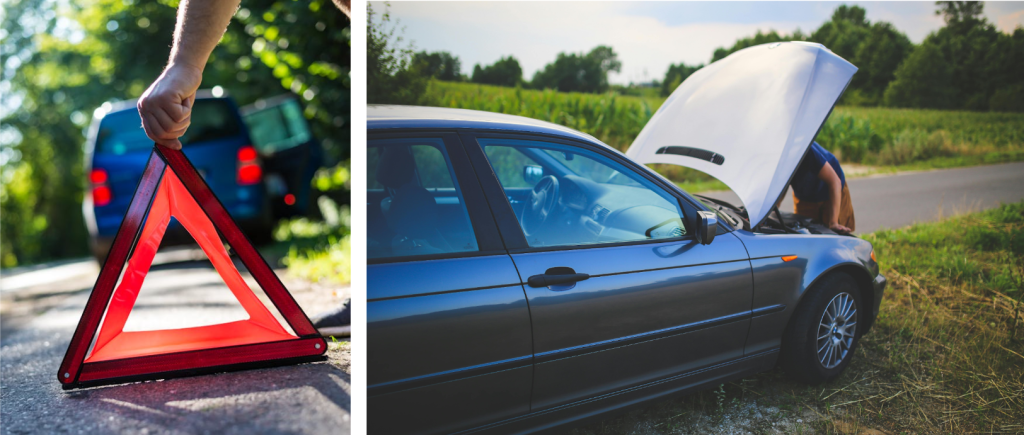
Before the truck arrives, move yourself and passengers away from traffic if it is safe to do so. Put on hazard lights, keep clear of moving vehicles, and do not stand between your car and traffic. On a freeway or high-speed road, roadside safety comes first. Follow any instructions from emergency services or road authorities.
Have the make, model, registration, fault symptoms and destination ready. Tell the operator if the vehicle is lowered, all-wheel drive, electric, hybrid, locked, unable to roll, or carrying unusual items. Clear information prevents avoidable delays and helps protect the vehicle from the moment loading begins.
Choosing the right option for your situation
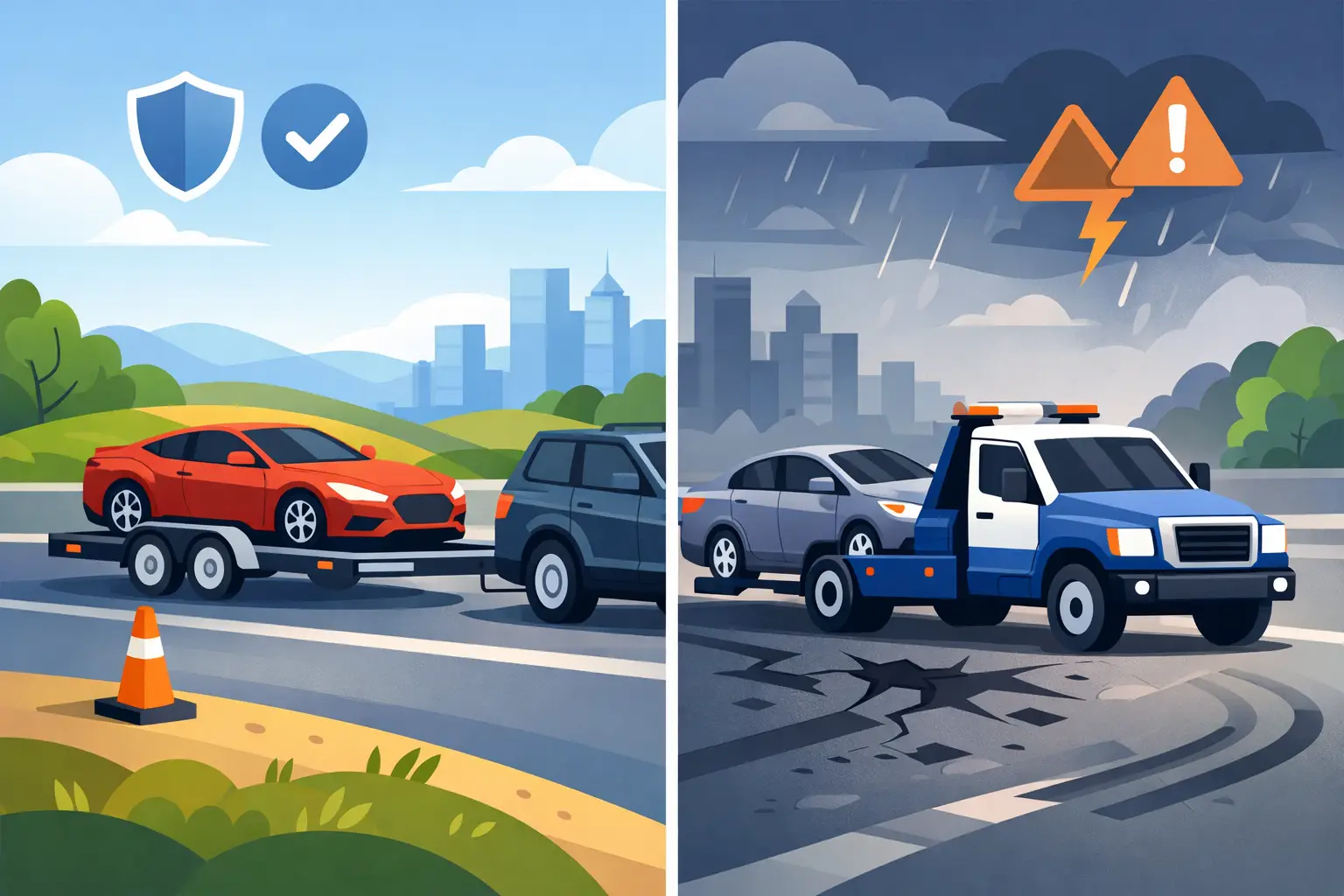
A car trailer is best viewed as planned transport equipment. It can work well when you own the right setup, understand towing limits, have room to load and are moving a vehicle in controlled conditions.
A tow truck is usually the better choice for an urgent breakdown, an unknown mechanical fault, a vehicle that will not roll, a low or valuable car, an EV or hybrid, or any situation near traffic. It is also the sensible option when you need a dependable ETA and want the vehicle delivered directly to a repairer without taking on the towing job yourself.
Onigo Towing focuses on breakdown transport across Greater Melbourne, using flatbed equipment for careful vehicle handling and clear upfront communication before dispatch. That matters when a simple mechanical fault has already disrupted your day enough.
If you are unsure, do not gamble on an improvised tow. Keep yourself safe, share the vehicle details clearly, and choose the transport method that gives your car the calmest path to proper repair.