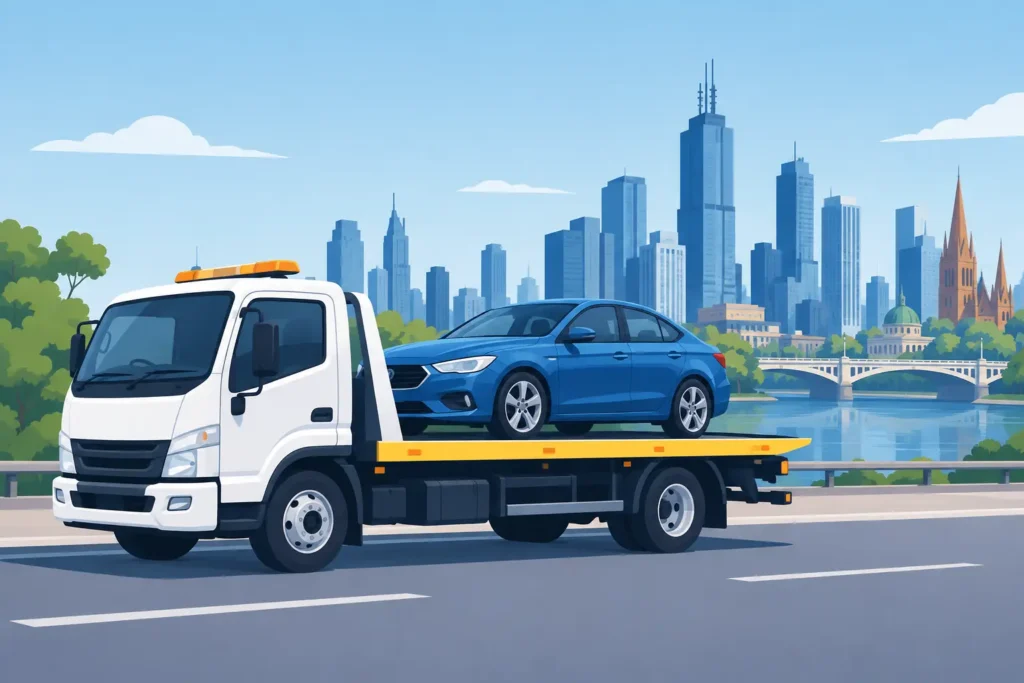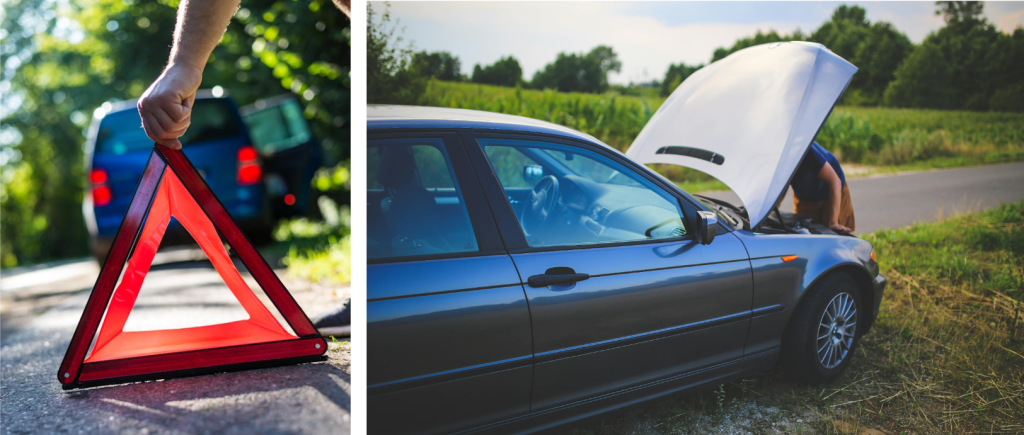
A car that will not start in a driveway, underground car park or street bay can feel harder to tow than a roadside breakdown. So, can flatbeds move parked cars? Yes, in many cases they can, but the job depends on access, the vehicle’s position, its drivetrain and whether the tow operator can lawfully move it.
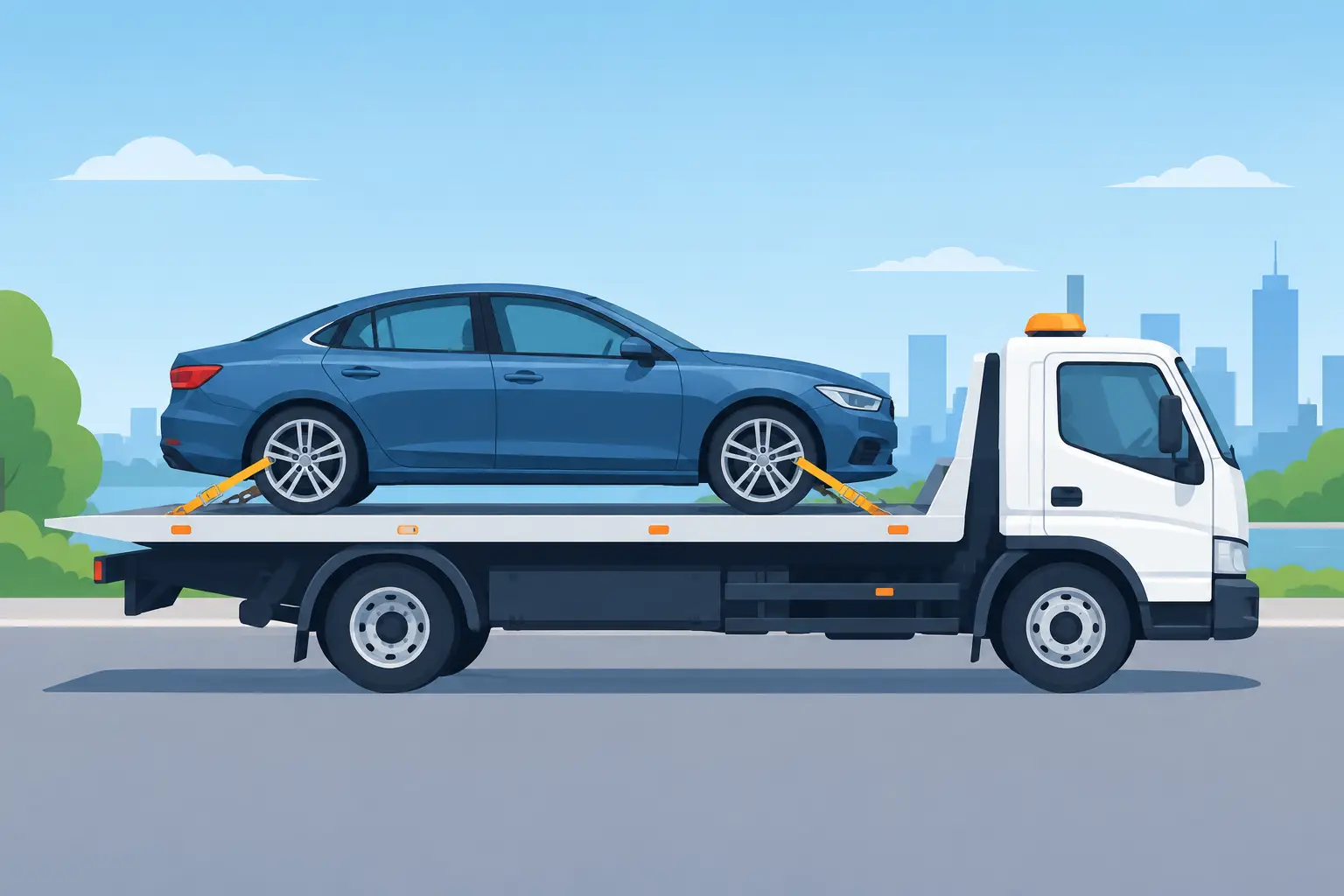
A professional flatbed is often the safest option for a parked vehicle because all four wheels can travel on the truck deck. That reduces rolling and drivetrain risks compared with dragging a disabled car behind another vehicle. The loading process still needs planning, particularly when the steering is locked, the handbrake is on, the tyres are flat or another car is parked close by.
Can flatbeds move parked cars safely?
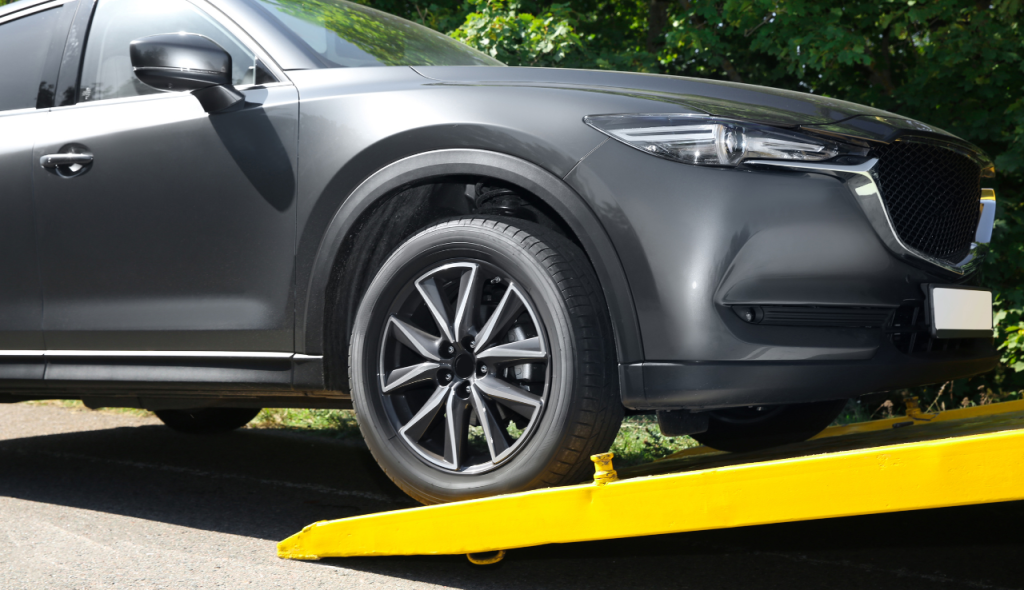
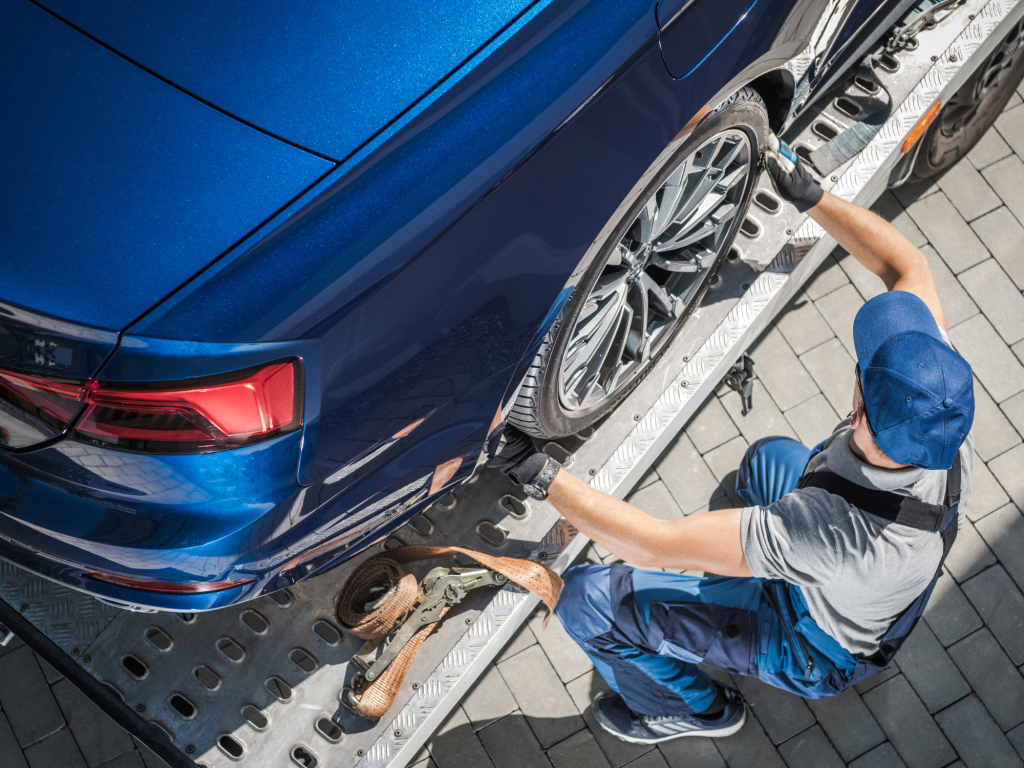
Flatbeds are designed to load vehicles that cannot be driven. The operator lowers or tilts the tray, attaches approved recovery equipment to suitable towing points, then uses the winch to bring the vehicle onto the deck in a slow, controlled movement. Once loaded, the vehicle is secured for transport rather than left rolling on its own wheels.
That makes a flatbed suitable for many non-starts, dead batteries, mechanical faults and vehicles that have been sitting parked for some time. It is also usually the preferred method for EVs, hybrids, performance cars and all-wheel-drive vehicles, where incorrect towing can cause expensive damage.
However, safe loading is not automatic. A vehicle may be blocked by a low garage entrance, kerb, bollard, steep driveway, tight laneway or nearby parked cars. In those situations, the operator needs enough room to position the truck, run the winch line safely and load at an angle that does not scrape the front bumper, underbody or exhaust.
What affects whether a parked car can be loaded?
The first consideration is space. A flatbed needs more than a clear space beside the vehicle. It needs a practical line from the truck to the car. A vehicle parked nose-in against a wall, boxed into a narrow car space or sitting behind a low clearance barrier may require a different approach or a safer collection point.
The second is the condition of the vehicle. If it is in neutral and the steering can be unlocked, loading is generally more straightforward. If the battery is flat, the electronic park brake will not release, the key is unavailable or the steering wheel is locked, the job can still be possible, but it may require wheel dollies, skates or other specialist equipment.
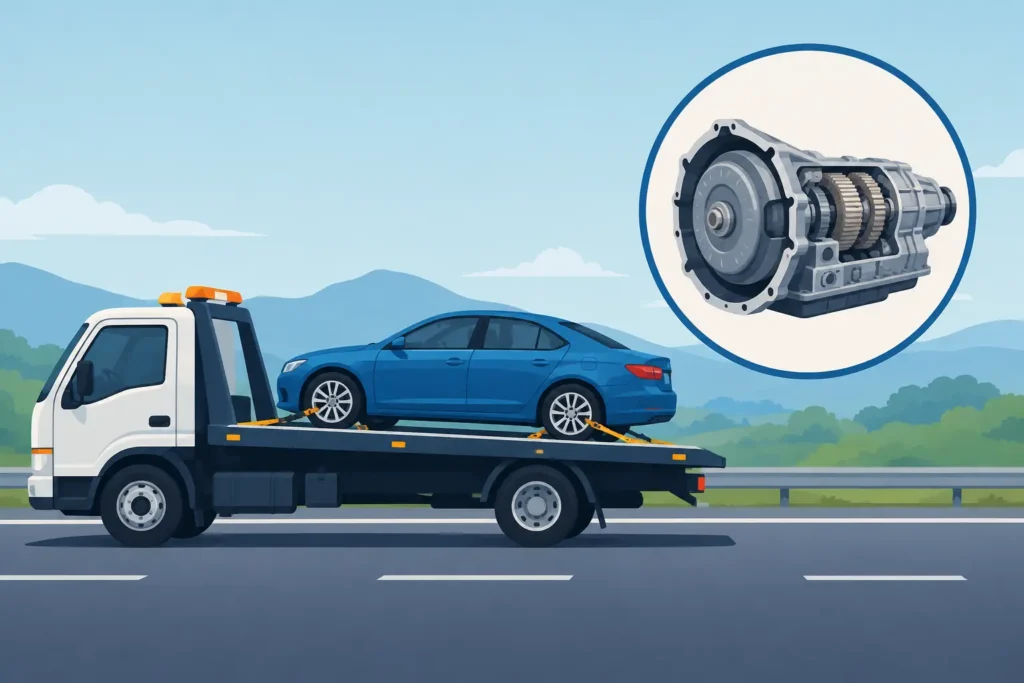
Drivetrain matters too. Front-wheel-drive, rear-wheel-drive and all-wheel-drive vehicles should not all be handled the same way. An all-wheel-drive car should generally be kept with all wheels off the road. EVs and hybrids require additional care around jacking points, underbody battery protection and manufacturer towing guidance. The right method protects the vehicle, not just gets it moving.
Ground clearance is another factor. Lowered cars, sports cars and vehicles with damaged suspension need a shallow loading angle and careful ramp positioning. A good operator assesses this before starting rather than forcing the vehicle up the tray and hoping for the best.
A parked car still needs legal authority to be moved
Being physically able to load a parked car does not mean a tow operator should move it. The person requesting the tow must have authority to arrange it. Usually, that means the registered owner, the driver with the owner’s permission, a fleet manager, insurer or authorised property representative.
This is especially relevant for vehicles on private property, in apartment car parks or in shared commercial spaces. If a car belongs to someone else, has been left in a visitor bay or is obstructing access, do not assume a towing company can simply remove it. Property management rules, body corporate requirements and Victorian laws may apply.
For a genuine breakdown, the process is simpler when the owner is present and can provide the keys, destination and relevant vehicle details. If the car is locked or inaccessible, explain that when requesting a quote and ETA. Clear information helps the dispatcher send the right truck and avoids delays once the operator arrives.
How professionals load a car that will not roll
A parked car may be unable to roll for several reasons: it is in park, the handbrake is engaged, a wheel is damaged or the vehicle has lost electrical power. These issues do not necessarily prevent a flatbed tow, but they change the equipment and time required.
The operator will first inspect the surroundings, confirm the vehicle type and locate safe attachment points. They may use a soft strap, wheel strap or manufacturer-approved recovery point rather than attaching equipment to suspension parts, steering components or plastic trim. The winch is then operated gradually while the vehicle is guided onto the tray.
Where wheels are locked, dollies or skates can help support and move the vehicle without dragging tyres across concrete or bitumen. This is particularly useful in underground parking areas and tight residential driveways. It takes more setup than a simple drive-on tow, but it is the safer option when a car cannot be placed in neutral.
Once on the flatbed, the vehicle is secured at the wheels using appropriate restraints. The aim is to keep it stable throughout transport while avoiding unnecessary contact with paintwork, body panels and sensitive underbody areas.
When a flatbed may not be the best immediate option
A flatbed is often the preferred choice, but access can make another solution more practical. A very low car park, for example, may not allow a flatbed truck to enter. The operator may need to use low-clearance equipment, move the vehicle to an accessible point first or arrange collection from the street if it can be done safely and lawfully.
Likewise, a car parked on a steep, narrow driveway can be difficult to load without sufficient tray position and clearance. Wet surfaces, loose gravel and traffic conditions can also affect whether the job should proceed immediately. Safety for the vehicle, operator and surrounding motorists comes first.
Be cautious of anyone who suggests dragging a locked or all-wheel-drive car along the road to save time. What looks like a quick fix can damage tyres, transmission components, differentials or the underbody. A transparent operator will explain the loading plan and tell you if the access conditions create an added cost or require different equipment.
What to tell the towing company before they arrive
Accurate details allow a breakdown towing specialist to prepare properly. When you call, provide the make, model and approximate location of the vehicle, along with the intended destination. Mention whether it is in a driveway, underground car park, shopping centre, street space or apartment complex.
Also explain whether the vehicle starts, rolls, has keys available and can be placed in neutral. Let the dispatcher know about flat tyres, suspension damage, an electronic handbrake, a locked steering wheel, low clearance or tight access. Photos can be useful where access is unusually restricted, but a clear description is often enough to identify the likely equipment needed.
Ask for the expected arrival time and upfront price before dispatch. If access looks difficult, it is better to discuss it early than be surprised after the truck reaches the site. A professional operator should communicate clearly about what is possible, what may take extra time and how your vehicle will be handled.
The practical choice for a non-starting parked vehicle
For most parked cars that have broken down, a flatbed tow provides the most controlled path from where the vehicle is sitting to a mechanic, home or other safe destination. It keeps the vehicle off the road during transport and suits cars that should not be towed with driven wheels rolling on the ground.
The key is not simply finding a truck with a tray. It is choosing an operator who checks access, understands the vehicle’s requirements and uses the right securing method. For Melbourne drivers dealing with a non-starting car, Onigo Towing can assess the situation, provide a clear price and arrange careful flatbed transport where access allows.
If your car is parked and will not move, keep the area clear where possible, have the keys ready and share the access details before dispatch. That small amount of preparation gives the tow operator the best chance of loading your vehicle safely and getting it where it needs to go without added stress.