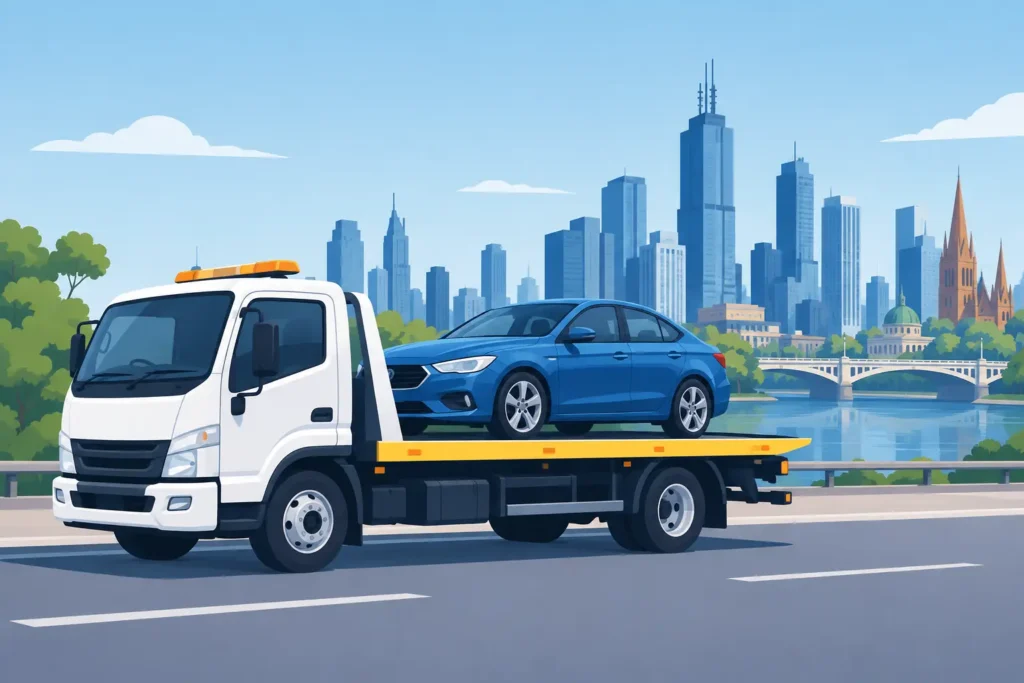
A breakdown rarely gives you a convenient warning. One minute your car is running normally, and the next you are on the shoulder with warning lights on, a flat battery, an overheating engine or a vehicle that simply will not start. When you need a tow truck in Greater Melbourne, the priority is getting yourself safe first, then arranging clear, careful transport for your vehicle.
A reliable breakdown tow is not just about moving a car from point A to point B. It is about choosing the right equipment, avoiding further damage, knowing where the vehicle is going and receiving an honest price before the truck is dispatched.
Make safety your first job
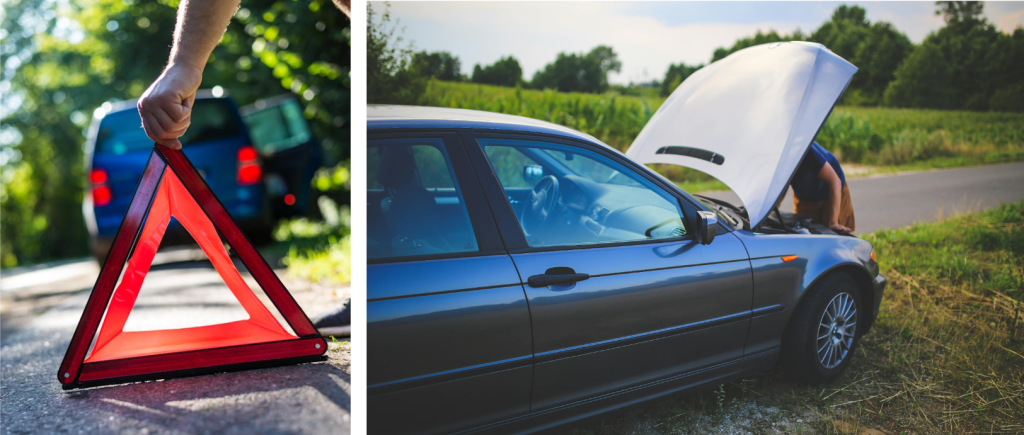
If your vehicle loses power or develops a serious fault, get as far off the traffic lane as conditions safely allow. Switch on your hazard lights, apply the handbrake and keep passengers away from moving traffic. On a busy Melbourne road, freeway or narrow suburban street, it may be safer to remain in the vehicle with the doors locked than to stand near the road.
Do not attempt roadside repairs where traffic is close, visibility is poor or the vehicle feels unsafe. A leaking fluid, smoke from the bonnet, a damaged tyre or an electrical fault can turn a minor problem into a dangerous situation quickly. If there is an immediate risk to people, traffic or property, call emergency services first.
Once you are safe, take a quick look around and note your location. Street names, nearby intersections, landmarks, freeway exits and the direction you are travelling all help a towing dispatcher find you sooner. If you are in an underground car park, let them know the height clearance before a truck is sent.
When a tow truck is the sensible choice
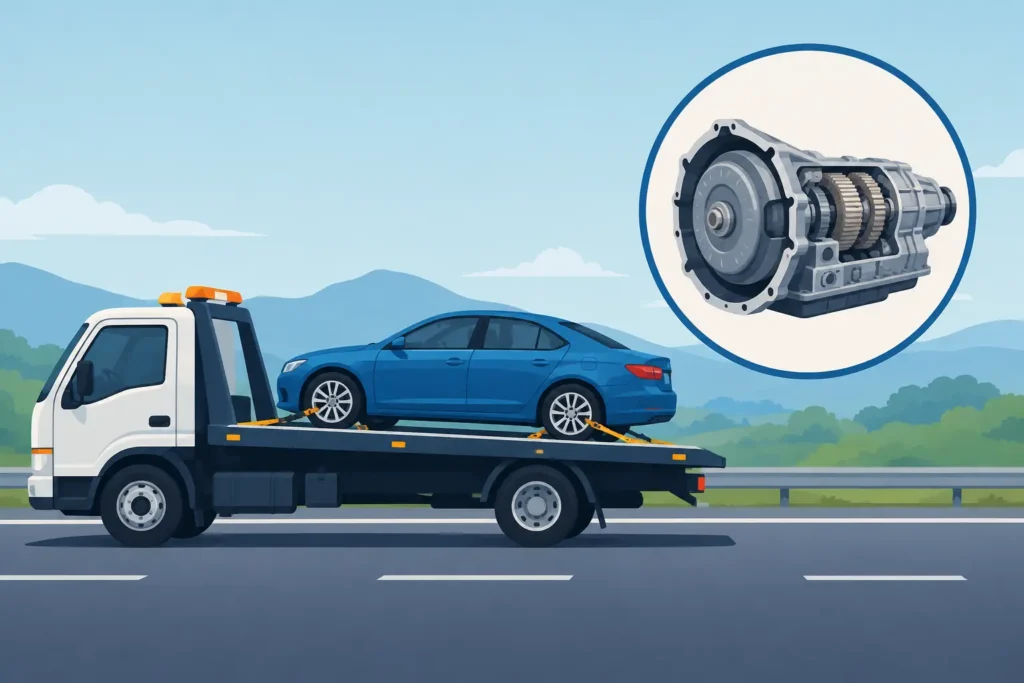
Not every vehicle issue requires towing, but many do. A jump-start may help with a simple flat battery, and a tyre change can solve a straightforward puncture. But if the car does not restart, has overheated, has a gearbox issue, is displaying a serious warning light or has lost power while driving, towing is usually the safer call.
Driving a vehicle with an unresolved mechanical issue can make the original fault more expensive. Continuing after an overheating warning, for example, risks serious engine damage. Trying to nurse a car with steering, brake, transmission or electrical trouble through Melbourne traffic also puts you and other road users at risk.
The same applies to motorcycles, vans, utes, EVs and hybrids. Their recovery needs can differ, so the operator should know the vehicle type and condition before dispatching. A dedicated breakdown service focuses on getting non-drivable vehicles safely to a mechanic, home, dealership or another agreed destination without adding stress to an already difficult day.
Why the right tow truck matters
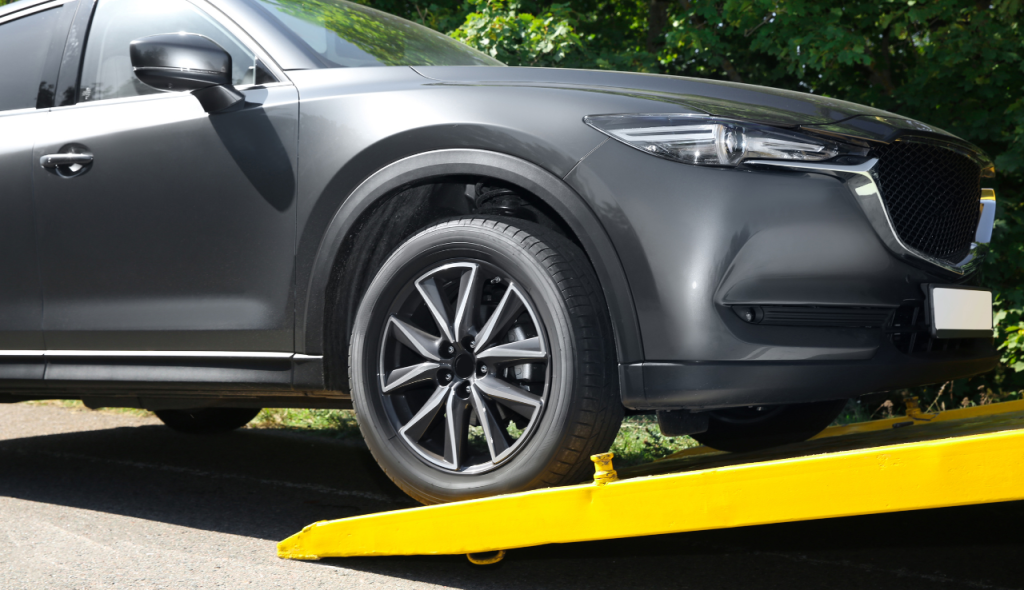
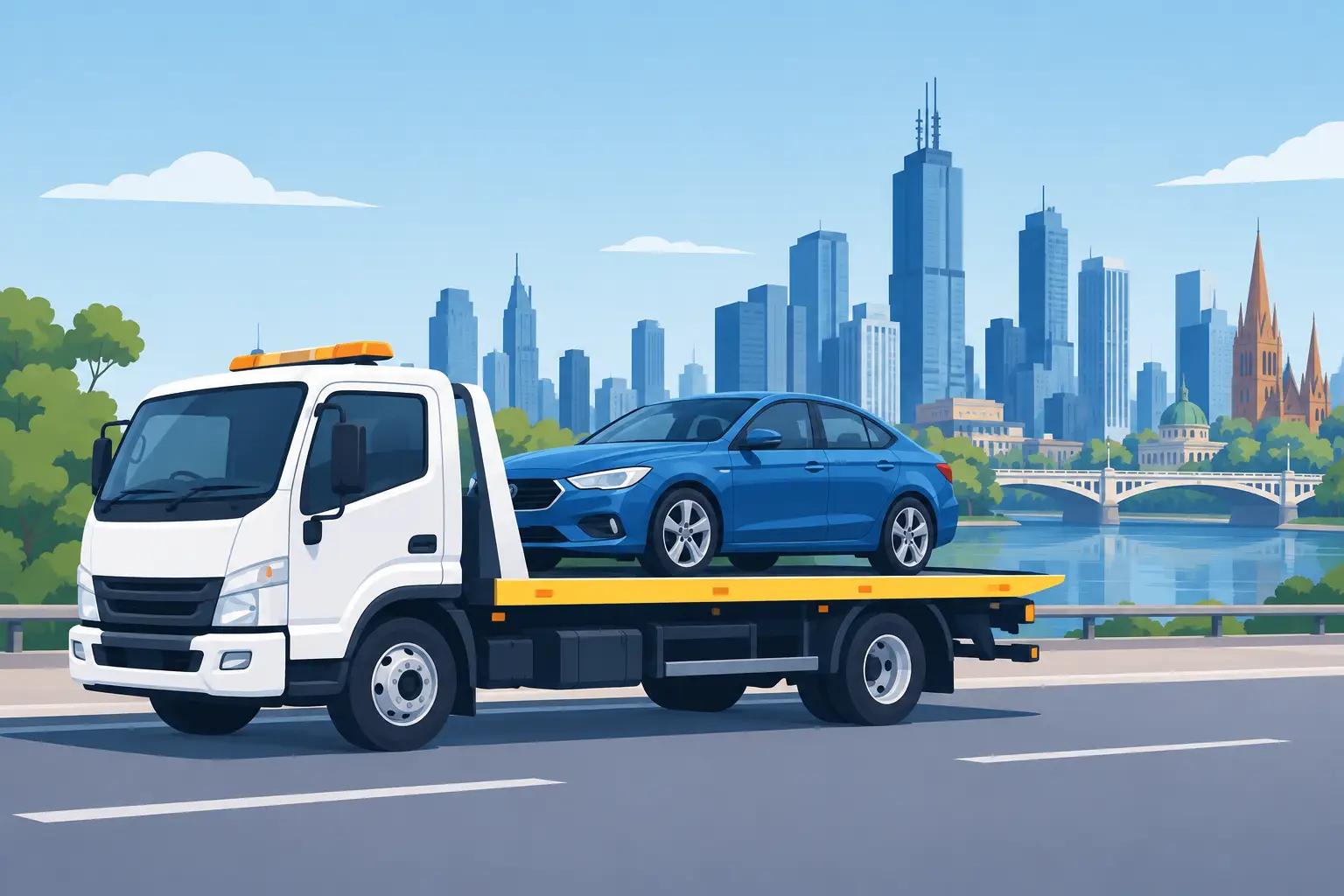
A tow truck is not a one-size-fits-all solution. The loading method should suit the vehicle, the fault and the access at the pickup point. For many modern cars, low-clearance vehicles, EVs, performance models and motorcycles, a flatbed is often the preferred option because the vehicle can be loaded with all wheels off the road.
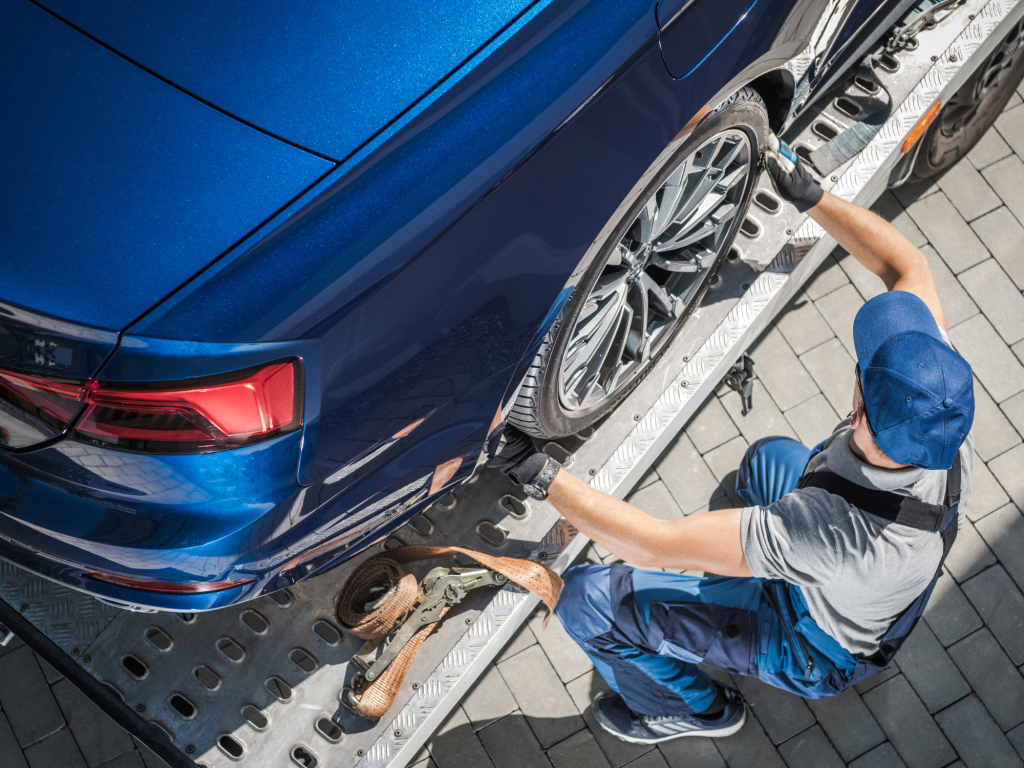
Careful loading matters. The driver should assess the vehicle before moving it, use the appropriate tie-down points and take extra care where ground clearance is limited. Incorrect straps, rushed loading or towing a vehicle in a way that does not suit its drivetrain can lead to avoidable damage.
This is particularly relevant for EVs and hybrids. Some cannot be conventionally towed with their driven wheels on the ground, while a flat or damaged high-voltage battery may require specific handling precautions. Tell dispatch if the vehicle is electric or hybrid, whether it is in park, whether the wheels roll and whether there are any dashboard alerts. That information helps send suitable equipment from the start.
For a van carrying tools, a ute with equipment in the tray or a specialty vehicle with low bodywork, the details matter just as much. The best towing arrangement is the one that protects the vehicle and gets it to the right place without unnecessary handling.
What to tell the towing dispatcher
A fast response begins with accurate information. You do not need to diagnose the mechanical fault, but a few practical details allow the operator to organise the right truck and give you a realistic ETA.
Have the vehicle make, model, colour and registration ready, along with your exact location and destination. Explain whether the vehicle starts, rolls, steers and can be put into neutral. Mention a flat tyre, locked wheels, low clearance, parking-garage access, a trailer, a motorcycle, an EV or any other factor that could affect loading.
It also helps to describe what happened immediately before the breakdown. Did the engine overheat? Did the battery warning light come on? Is there a noise, smoke or a fluid leak? Was there a loss of power on the freeway? These details are useful for safe handling, even if the final diagnosis will come from your mechanic.
Clear communication works both ways. You should know the expected arrival window, the destination recorded for the job and the quoted price before dispatch. If the situation changes while you wait, such as the vehicle becoming unsafe to access or your location changing, call the provider promptly.
Ask for upfront pricing, not surprises
Towing costs depend on practical factors: the pickup suburb, destination, vehicle type, access conditions, loading difficulty and whether the job is after hours. Long-distance or interstate transport will naturally be priced differently from a short local tow.
That does not mean pricing should be vague. Before confirming a tow, ask for the full quoted amount and whether any known conditions could change it. Be direct about the vehicle and its location so the quote is based on the actual job, not assumptions.
A professional operator will explain what is included and let you make an informed decision. The cheapest estimate is not always the best value if it does not account for the correct truck, careful loading or clear communication. When your vehicle is stranded, certainty is worth a great deal.
What happens during a breakdown tow
Once a towing vehicle arrives, the driver should confirm the vehicle and destination, assess access and explain how the loading will be completed. If you have specific concerns about a low front bumper, wheel condition, keyless entry, alarm or vehicle mode, raise them before loading begins.
You may be asked to remove valuables and personal items, especially anything loose in the cabin or boot. Take your wallet, mobile, keys, work equipment and any documents you need. For a van or ute, secure tools and loads where possible. The towing driver can transport the vehicle, but you remain responsible for items left inside it.
After the vehicle is secured, confirm the drop-off arrangements with the mechanic or destination. Some workshops have after-hours key-drop procedures, while others need the vehicle delivered during business hours. If nobody will be there, make sure the driver has clear instructions on where the vehicle can be safely left and where the keys should go.
You do not always need to travel in the tow truck. Passenger arrangements depend on the operator, the truck configuration and safety requirements. Ask before the truck arrives if you need transport, particularly if you are travelling with children, pets or more than one passenger.
Choosing the right destination
The nearest mechanic is not automatically the best destination. If you already have a trusted workshop, towing directly there can save another move later. If the vehicle needs dealership diagnosis, specialised EV work or a particular repairer, it can be more practical to transport it there first.
Home may be suitable if the vehicle can be safely stored off the street and you need time to decide on repairs. For commercial vehicles, getting a van or light truck to a workshop that can assess it quickly may reduce downtime. The right choice depends on the fault, timing and where the vehicle can legally and safely be left.
A calm response protects your day
A breakdown can disrupt work, family plans and travel, but it does not have to become a bigger problem. Get safe, share accurate information and choose a tow truck service that treats your vehicle with care and gives you a clear plan before it arrives. A few calm decisions at the roadside can protect both your vehicle and the rest of your day.