A breakdown is stressful enough without wondering whether your car, ute, van or motorcycle is ready to move. Taking a few calm steps to prepare vehicle for flatbed tow can protect your belongings, prevent loading delays and help the driver transport it safely to your mechanic, home or preferred destination.
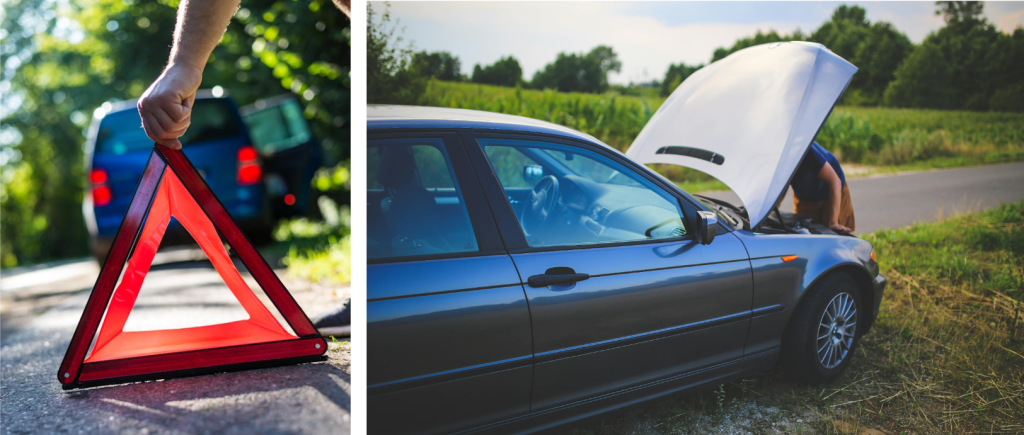
Your first priority is always people, not the vehicle. If you are stopped in traffic, on a narrow road or somewhere with poor visibility, move yourself and passengers to a safer position where possible. Put hazard lights on, keep clear of moving traffic and follow any instructions from emergency services or your towing operator.
Prepare your vehicle for a flatbed tow safely
Once you are in a safe place and the tow has been arranged, tell the dispatcher exactly what has happened. A vehicle that will not start needs different preparation from one with a locked wheel, flat tyre, damaged suspension or an electronic parking brake that will not release. Be upfront about the vehicle type too, particularly if it is an EV, hybrid, lowered car, performance vehicle, four-wheel drive, motorcycle or loaded commercial van.
Accurate information allows the right flatbed and loading equipment to be sent from the start. It also means the driver can plan for access issues, such as a tight underground car park, a steep driveway or a vehicle parked nose-in against a kerb.
Do not try to push the vehicle into a more convenient spot if doing so puts you at risk. Likewise, avoid repeatedly trying to start a car that has overheated, lost oil pressure, is making severe mechanical noises or has warning lights indicating a serious fault. A tow is there to prevent a roadside problem becoming a more expensive repair.
Put the vehicle in a stable position
If it is safe and the vehicle can still move under its own power, park it as far from traffic as practical, preferably on level ground. Select Park for an automatic or first gear for a manual, apply the handbrake and turn the wheels away from traffic where appropriate.
Once the tow truck arrives, the operator will tell you when to release the handbrake, select neutral or make other adjustments for loading. Do not release the parking brake early or leave the vehicle in neutral while waiting. A vehicle that rolls unexpectedly can cause injury or damage.
For EVs and hybrids, do not assume that selecting neutral works the same way as it does in a conventional petrol vehicle. Some models have specific tow or transport modes, while others should not be moved with the drive wheels on the road at all. Let the tow operator know the make, model and whether the vehicle is powered on or fully immobilised.
What to remove before the flatbed arrives
Flatbed towing keeps all four wheels off the road, making it a careful option for many breakdowns and valuable vehicles. However, the cabin and load area are still your responsibility. Before the vehicle is loaded, take a minute to remove what you need and secure what stays behind.
Bring your mobile, wallet, house keys, work equipment, medication and anything needed for children or pets. If you are being taken elsewhere after the tow, do not leave essentials in the car because access may be limited once it has been dropped at a workshop.
Remove loose items from the dashboard, seats and footwells. Secure tools, stock, equipment or other heavy items in the boot or cargo area. This matters particularly for vans and utes, where unsecured gear can shift during loading or transport. If there is a roof pod, bike rack, trailer or unusual accessory fitted, mention it when booking so clearance and loading can be assessed.
Take photos of the vehicle before it is loaded if that gives you peace of mind, especially for a prestige, modified or specialty vehicle. Photograph its overall condition and any existing damage. This is not about expecting a problem. It is a sensible record when your vehicle is already stopped somewhere stressful.
Have the keys and vehicle details ready
The tow driver will usually need the vehicle key or key fob, even when the car will not start. It may be needed to unlock the steering, release the gear selector, switch off alarms or access the cabin. Keep the key with you until the driver asks for it, then confirm how it will be handled at the destination.
Where possible, have the registration, vehicle make and model, destination address and mechanic’s details ready. If the workshop is closed, check whether there is an agreed after-hours drop-off area and whether keys need to go into a secure key box. A driver should not have to guess where a disabled vehicle can be safely left.
Tell the operator about any fault that affects loading. Common examples include a flat tyre, seized brakes, locked steering, missing wheel, broken gear selector, low front bumper, wheel chocks, suspension damage or a dead 12-volt battery. These issues are manageable with suitable equipment, but surprises can increase loading time.
Do not hide access or mechanical problems
There is no benefit in downplaying a difficult recovery. Say if the vehicle is in a basement, behind a locked gate, on soft ground, in a shopping centre car park or unable to roll. Let the dispatcher know if the wheels are turned, the handbrake is stuck on or the vehicle cannot be put into neutral.
The same applies to modified vehicles. Lowered suspension, wide tyres, splitters, body kits and low exhausts may require a different loading angle or extra care. A professional flatbed operator would rather know before arriving than discover it when the tray is in place.
During loading, give the driver room to work
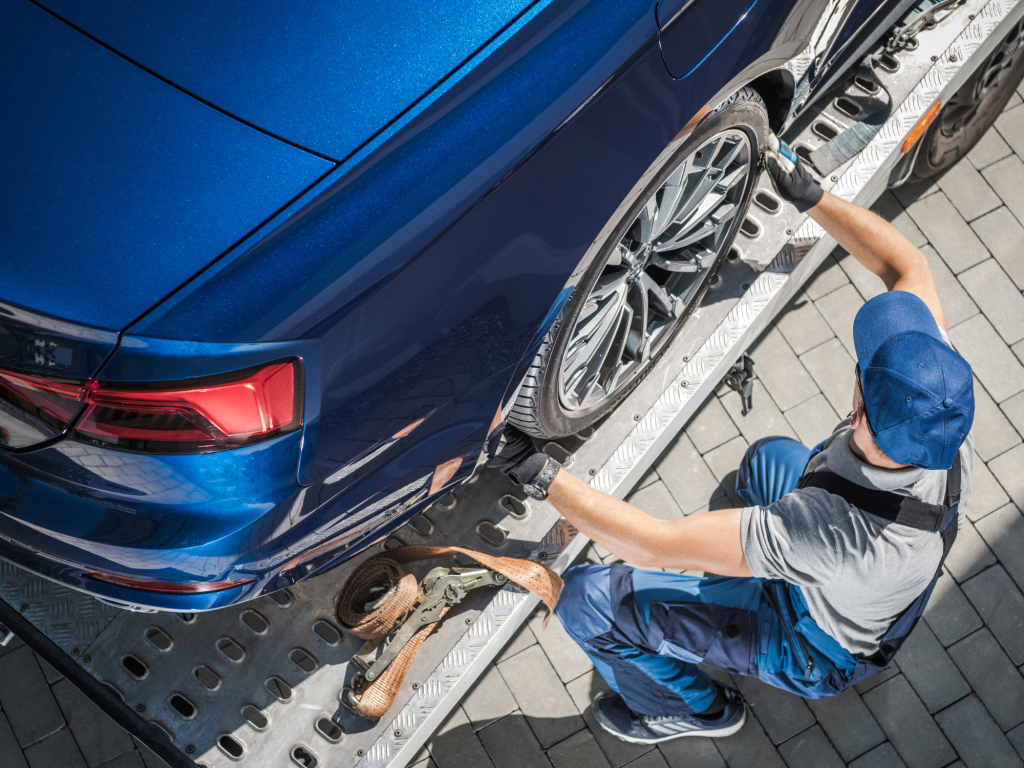
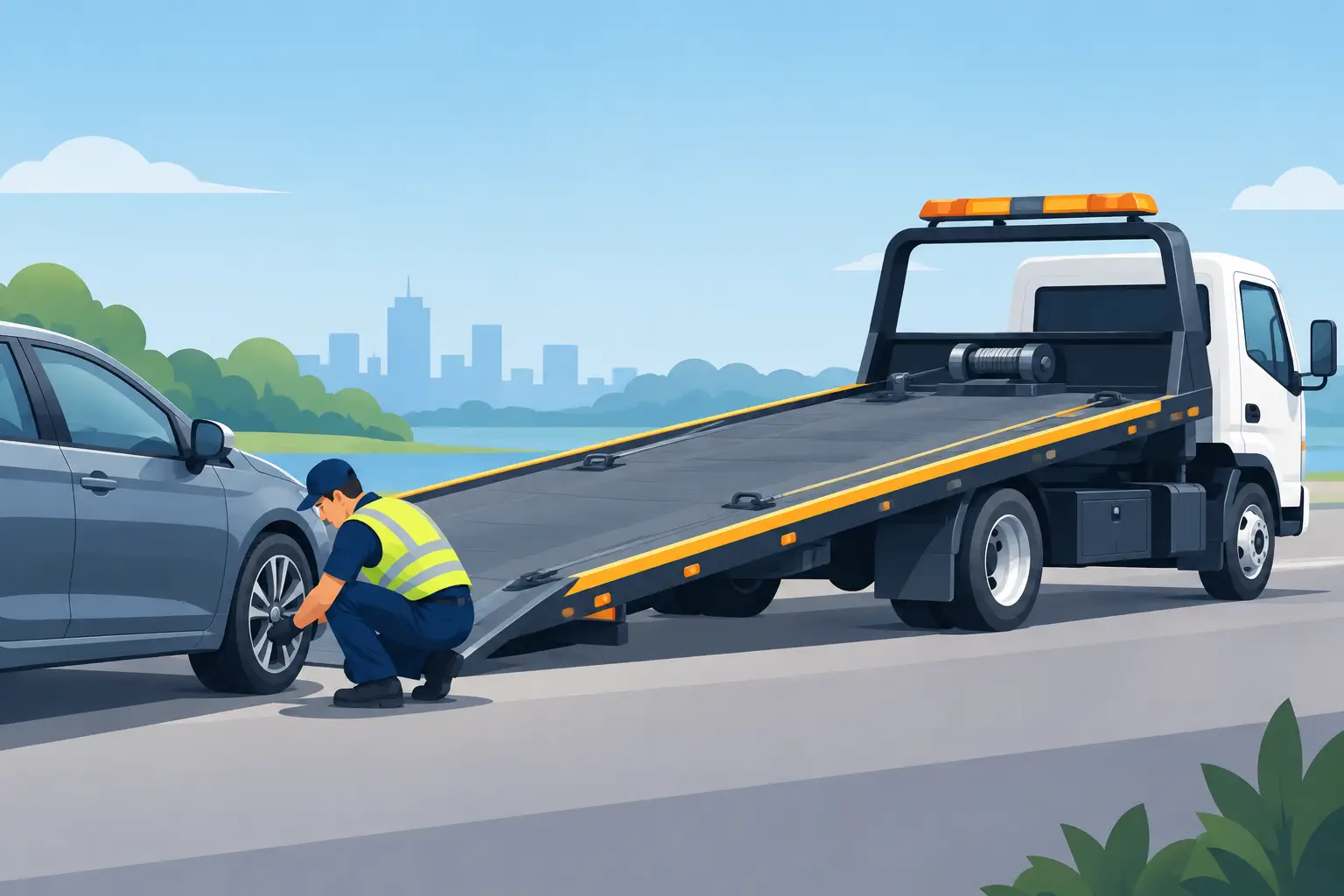
Flatbed loading involves winching, ramps, wheel restraints and moving equipment. Stand well clear of the vehicle and tray unless the driver specifically asks for your help. Keep children, passengers and pets away from the loading area, and avoid standing between the tow truck and your vehicle.
You may be asked to steer, hold a key fob or confirm that the car is in neutral. Follow the driver’s direction and do not climb into the vehicle without being asked. If the vehicle has an alarm, aftermarket immobiliser or unusual starting procedure, explain it before loading begins.
A careful operator will secure the vehicle using appropriate wheel restraints and check it before leaving. This is especially relevant for motorcycles, EVs, AWD vehicles and vehicles with low clearance. Flatbed towing is not simply a matter of pulling a vehicle onto a tray. The loading method must suit the vehicle’s condition and design.
Confirm the destination and price before departure
Before the truck leaves, confirm where the vehicle is going and how the key handover will work. Read the address aloud if necessary, particularly for industrial estates, apartment buildings or workshops with several entrances. If your preferred mechanic cannot accept the vehicle, decide whether home, a secure holding location or another repairer is the better option.
You should also know the quoted price before dispatch, including any relevant considerations such as distance, difficult access, after-hours service or special loading requirements. Clear communication avoids an unpleasant surprise when you are already dealing with a breakdown.
If you are in Greater Melbourne and need breakdown transport, Onigo Towing can provide a clear ETA and upfront price before dispatch. The more accurate information you provide, the faster the right assistance can be arranged.
A flatbed tow should feel orderly, even when the breakdown itself was not. Stay safe, keep the key and essentials with you, tell the operator about anything unusual and let the loading professional do the technical work. Those few steps give your vehicle the best chance of arriving exactly where it needs to be, without added stress.