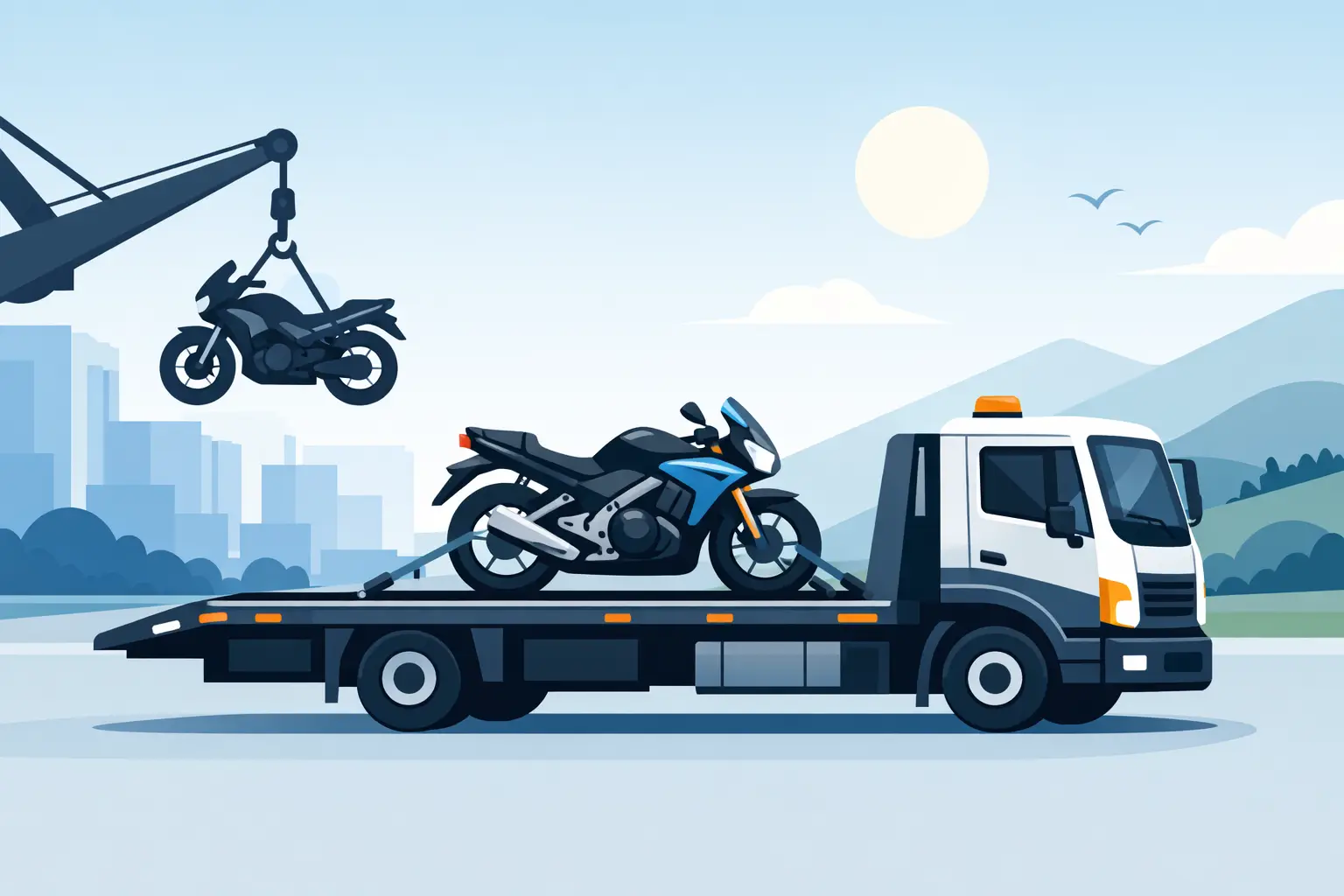
A motorcycle breakdown can become expensive long after the engine problem is fixed if the bike is moved the wrong way. So, is flatbed towing safer for motorcycles? In most cases, yes. A flatbed gives the operator a stable platform to load, secure and transport the bike without rolling it along the road or putting pressure on vulnerable parts.
That said, the tray alone does not guarantee a safe tow. The outcome comes down to the equipment, the tie-down method and the person loading your motorcycle. For Melbourne riders stuck with a non-start, flat battery, puncture or mechanical fault, those details matter just as much as a quick arrival time.
Why flatbed towing is safer for motorcycles
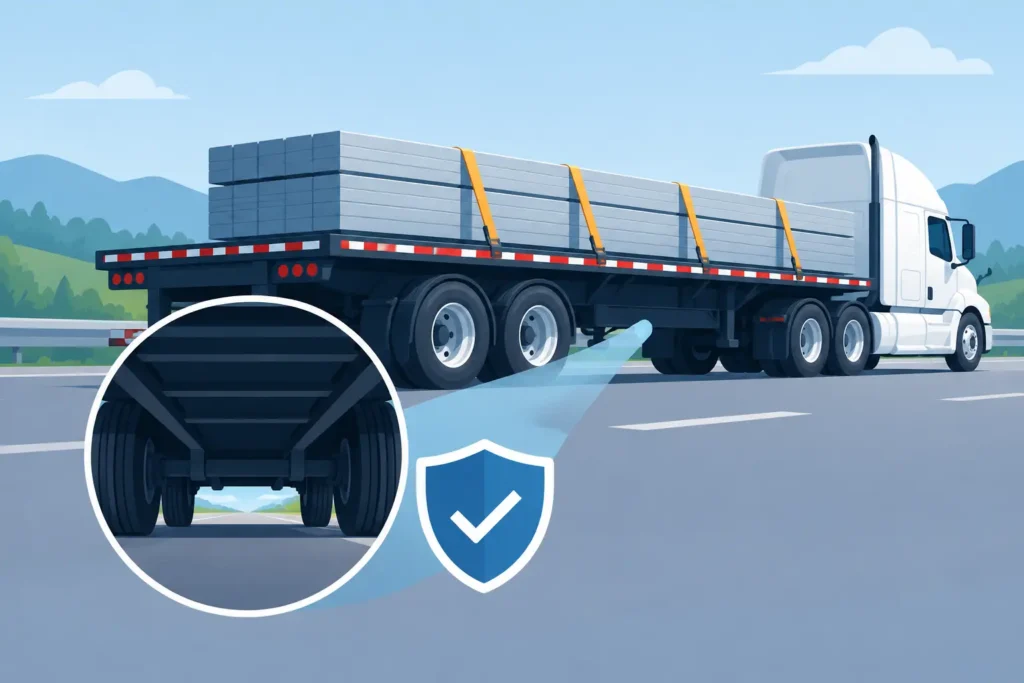
A flatbed tow truck carries the entire motorcycle above the road surface. Its wheels are not turning, the drivetrain is not being dragged, and the bike can remain upright throughout transport. This reduces exposure to road debris, uneven surfaces and unwanted movement that can occur with unsuitable towing methods.
For a breakdown tow, a flatbed also gives the operator room to work safely. The bike can be guided up a suitable ramp, positioned correctly on the tray and secured from more than one point before the truck leaves. That controlled process is particularly valuable for heavier cruisers, low-clearance sports bikes, electric motorcycles and bikes fitted with panniers or aftermarket accessories.
A motorcycle should never simply be attached and pulled by a rope, chain or strap. Aside from being unsafe, this can damage the steering, suspension, wheels, brakes or frame. It also creates a serious risk for other road users.
The biggest advantage: proper restraint
The most common concern riders have is not the trip itself. It is whether the bike will arrive with a scratched fairing, compressed fork seals, bent handlebar or damaged stand. A careful flatbed loading process is designed to prevent this.
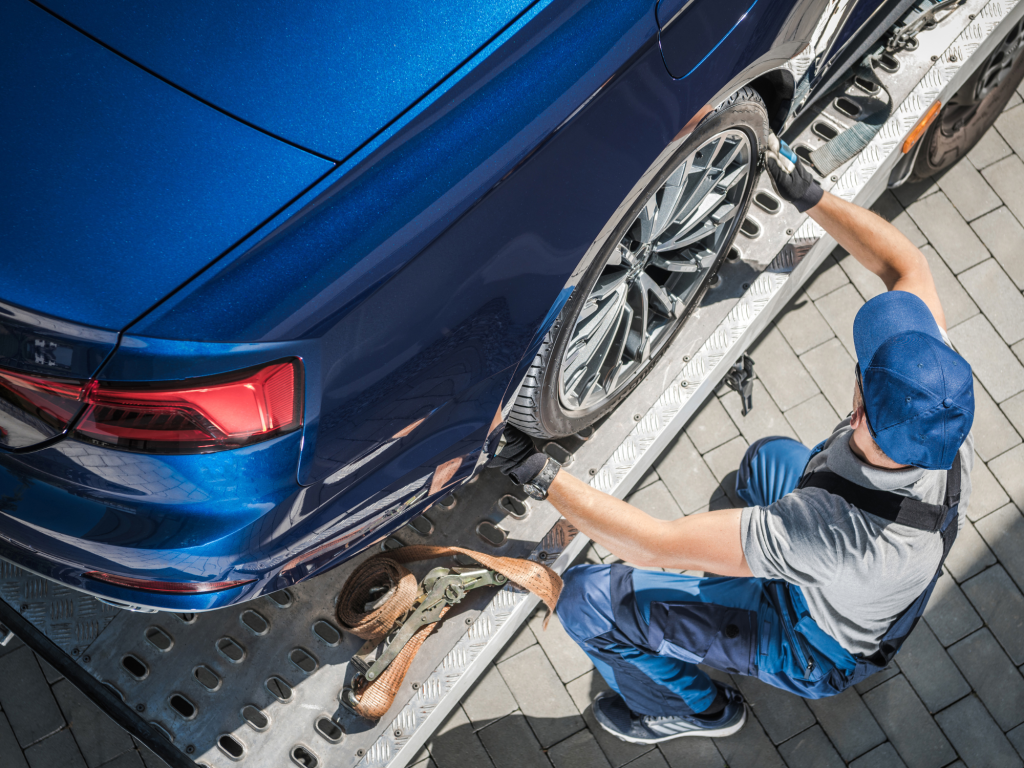
The front wheel should be held securely, usually in a wheel chock or similar restraint, so the motorcycle cannot roll forwards, backwards or sideways. Rated soft straps are then placed around appropriate structural points, with protection used where needed to avoid rubbing painted, chromed or carbon-fibre surfaces.
The operator should apply enough tension to stabilise the bike without over-compressing the suspension. Excessive compression for a long trip can place unnecessary load on seals and components. Too little tension allows the bike to shift as the truck brakes, corners or travels over rough roads.
The side stand is not a transport restraint. It may be used during parts of loading, but the motorcycle needs to be independently secured upright before transport. The steering should also be managed carefully. Straps should not be relied on to pull hard against the handlebars, mirrors, indicators or delicate bodywork.
Where should straps be attached?
There is no single strap position that suits every motorcycle. Suitable mounting points vary between a naked bike, adventure bike, scooter, classic motorcycle and fully faired sports bike. A trained operator will assess the motorcycle rather than using a one-size-fits-all approach.
Generally, the aim is to secure strong, appropriate areas of the bike while keeping straps clear of brake lines, cables, exhaust components and painted panels. Soft loops can help prevent direct strap contact with sensitive surfaces. The rear of the bike may need additional restraint to stop it moving side to side, especially on longer journeys.
If a rider has specific instructions for their model, it is sensible to mention them before loading. This is especially useful for motorcycles with non-standard suspension, low handlebars, custom luggage, an unusual wheel size or known tie-down restrictions.
Flatbed versus a motorcycle trailer
A purpose-built motorcycle trailer can also be a safe option when it has a proper wheel chock, suitable ramps and correctly rated restraints. It is not accurate to say every trailer is unsafe and every flatbed is automatically safer.
The practical difference is that a professional flatbed tow truck generally provides a more controlled solution for an urgent roadside breakdown. It offers a solid working platform, more room around the motorcycle and a truck operator who can manage loading in difficult locations. This can be helpful on a busy Melbourne arterial road, a narrow suburban street, a steep driveway or a car park where space is limited.
For interstate transport or a planned move, either option may be suitable if the provider has the right motorcycle equipment and follows a careful securing procedure. For an immediate breakdown, the best choice is usually the vehicle that can attend safely, load without rushing and keep the motorcycle fully supported from pickup to drop-off.
When flatbed loading needs extra care
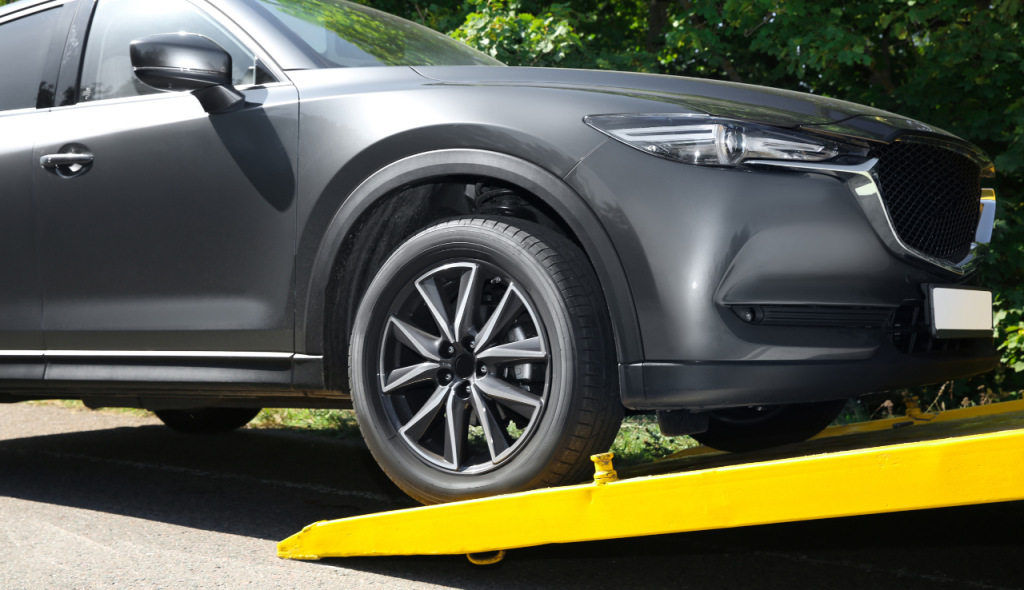
Flatbed towing remains the preferred method for many motorcycles, but some situations need additional planning. Very low bikes can scrape on a steep ramp. A professional operator may use a lower loading angle, extended ramps or timber blocks to reduce the risk of contact underneath.
A bike with a locked steering head, seized wheel, flat tyre or crash damage may not roll normally. Even though Onigo Towing focuses on breakdown towing rather than accident recovery, mechanical failures can still leave a motorcycle difficult to move. In these cases, the operator needs to assess how the bike can be loaded without forcing damaged or immobile components.
Electric motorcycles deserve similar care. Their weight distribution can differ from petrol bikes, and their high-voltage systems require sensible handling around damaged wiring or battery areas. A flatbed avoids the need to roll the bike for long distances, which is useful when the fault is unknown.
What a safe motorcycle pickup should look like
When you call for a tow, clear information helps the operator send suitable equipment. Let dispatch know the make and model of the motorcycle, where it is located, whether the wheels roll and whether it has any access issues such as a basement car park, tight laneway or steep driveway.
At pickup, a careful operator should take a moment to inspect the bike and discuss any existing damage. They should choose a safe loading position away from moving traffic where possible, use an appropriate ramp and avoid rushing because of pressure from surrounding vehicles.
Once loaded, the motorcycle should be upright, stable and checked before departure. The straps should be secure without bearing against fragile components, and loose luggage or accessories should be removed or secured separately. For a longer journey, it is good practice to recheck restraints during transit when safe to do so.
You can also help protect your bike by taking a few quick photos before it is loaded, removing valuables from panniers or a tank bag, and carrying the key if the operator does not need it. If the motorcycle has an alarm, immobiliser or special starting procedure, explain it clearly.
Questions worth asking before you book
In a stressful breakdown, it is reasonable to ask direct questions. Does the truck have motorcycle-capable loading equipment? Will the bike be transported on a flatbed or a purpose-built motorcycle trailer? How will it be secured? Can the provider give you a clear price and expected arrival time before dispatch?
The answers should be straightforward. A towing provider should not promise a method they cannot deliver or avoid explaining how your motorcycle will be handled. Clear communication is part of safe transport, particularly when you are arranging a tow from the roadside and cannot afford surprises.
Flatbed towing is safer when the process is right
For most breakdown situations, a flatbed is one of the safest ways to move a motorcycle. It keeps the bike off the road, supports its full weight and allows controlled restraint during transport. But the quality of the operator and the loading process still determine whether that advantage is realised.
If your motorcycle cannot be ridden, choose a towing service that treats it as a vehicle requiring specialist handling, not as an awkward item to get onto a truck. A few careful minutes at pickup can protect your bike all the way to the mechanic, your home or your next safe destination.