A lowered car with a cracked splitter, a lifted ute with oversized tyres, or a modified motorcycle cannot always be loaded like a standard vehicle. This modified vehicle transport guide explains what to tell your towing provider, how careful loading works, and what you can do roadside to reduce the risk of further damage.
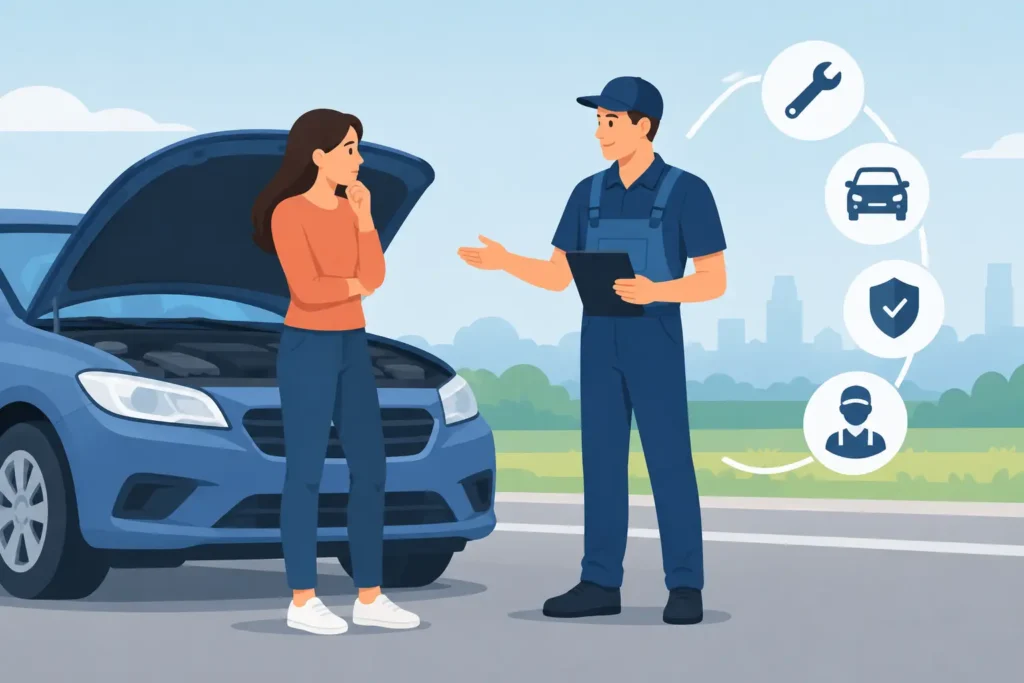
When a modified vehicle breaks down, the priority is still getting it off the road safely. The difference is that ride height, bodywork, drivetrain changes and non-standard wheels can all affect the loading plan. Clear information before dispatch helps ensure the right truck, equipment and approach arrive from the start.
Start with the vehicle’s critical modifications
You do not need to provide a full build sheet during a stressful breakdown. You do need to mention anything that changes ground clearance, width, weight, how the vehicle rolls, or where it can be safely secured.
For a lowered vehicle, tell the operator the approximate ride height and whether it has a front lip, splitter, side skirts or an aftermarket exhaust that sits low. A car that looks manageable from the front can still scrape beneath the middle as it transitions from the road onto a tilt tray.
For a lifted 4WD or ute, mention the lift, tyre size, wheel offset and whether there is a heavy bull bar, canopy, rooftop tent, tray setup or other added weight. These vehicles may need extra attention to ramp angle, tray position and tie-down placement. Wide tyres and altered track width can also affect clearance on the truck.
Performance cars, classic vehicles and show cars may have delicate paint, low spoilers, wide guards or limited towing points. Modified motorcycles can have extended forks, custom fairings, high-value paintwork or unusual handlebars that require a more considered restraint setup. If your vehicle has air suspension, hydraulic suspension or a fault that has left it sitting unusually low, say so immediately.
The more accurate the description, the less guesswork is needed at the kerbside.
Why flatbed transport is usually the safer option
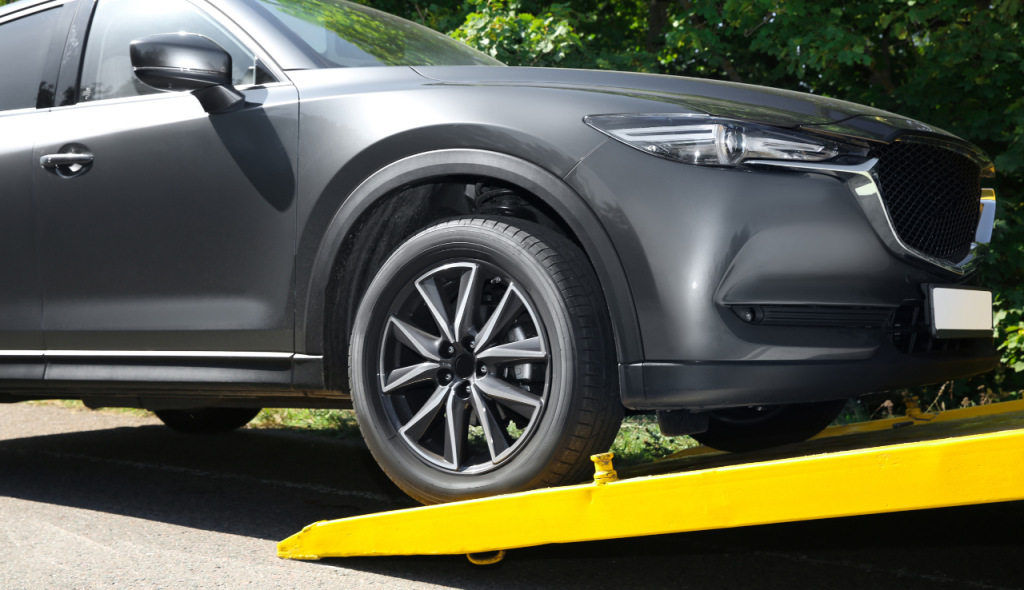
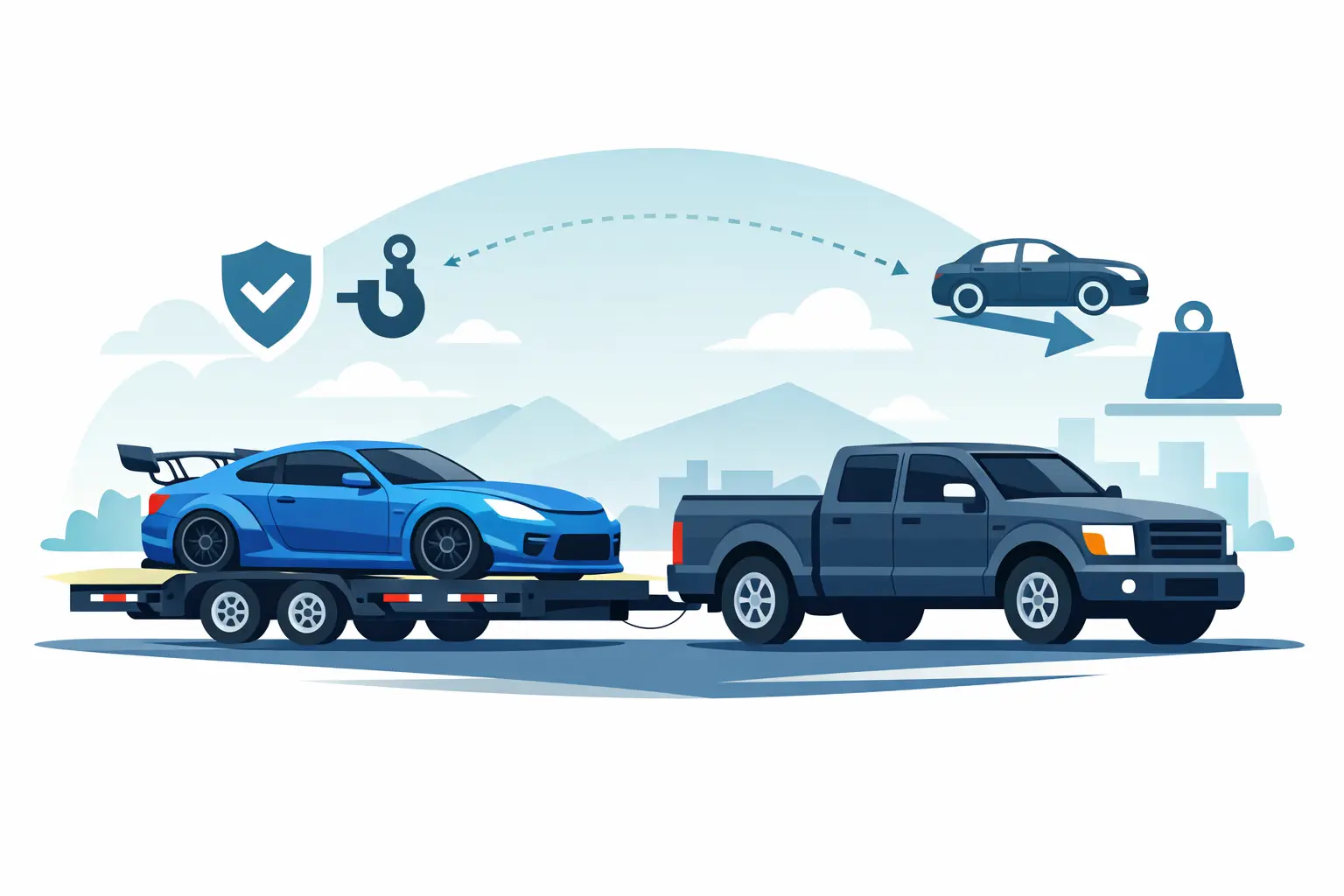
For many modified vehicles, flatbed or tilt-tray towing is the preferred transport method. The vehicle is carried fully off the road rather than having its driven wheels rolling behind the truck. That is particularly useful when a breakdown may involve the transmission, differential, wheel bearing, steering, suspension or electric drivetrain.
A flatbed also gives the operator more control over the loading angle and winch speed. Rather than driving a damaged vehicle onto a truck, it can be winched carefully into position. This is safer when the engine will not start, the clutch has failed, a tyre is flat, or the vehicle has an unknown mechanical issue.
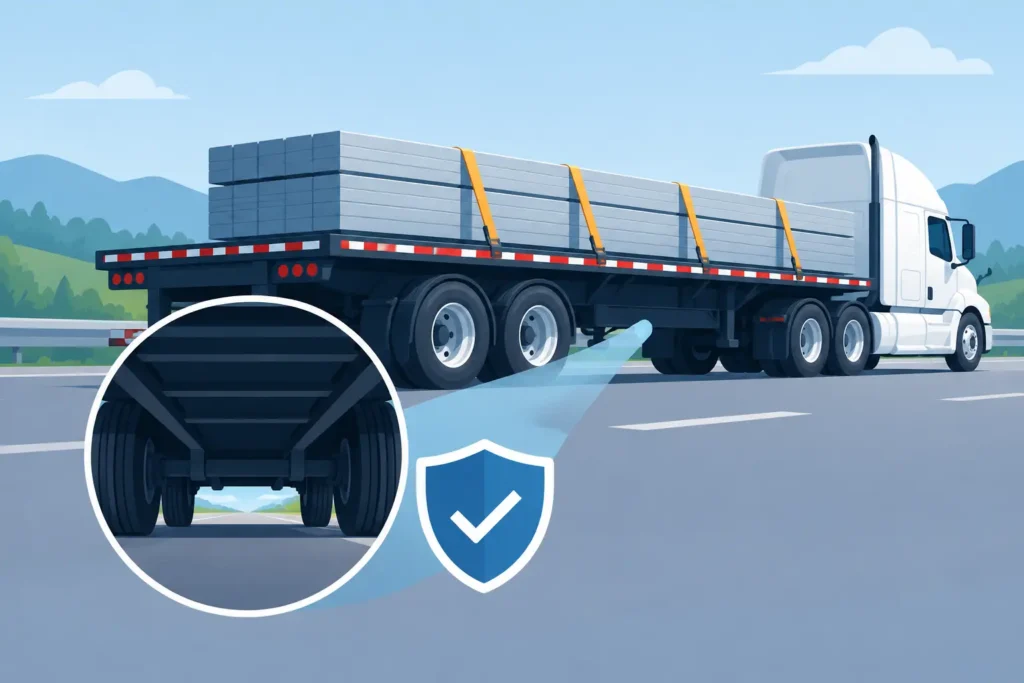
That said, flatbed transport is not a guarantee that every vehicle can be loaded without preparation. Extremely low cars may require ramps, blocks or a different loading angle to prevent contact with the tray. Very wide, very heavy or heavily modified vehicles may need a specific truck configuration. This is why discussing modifications before the tow truck is dispatched matters.
What to tell the towing provider before dispatch
A quick, honest description helps the tow operator send suitable equipment and give you a clearer plan. Along with your Melbourne location and destination, explain whether the vehicle starts, rolls, steers and releases the handbrake.
Also mention the modification or condition that affects loading. For example, you might say: “It is lowered with a front splitter and the engine will not start,” or “It is a lifted ute with 35-inch tyres and a locked rear wheel.” That is more useful than simply saying it is modified.
Make sure to advise of any of the following where relevant:
- Very low ride height, splitters, lips, skirts or low exhaust components
- Air, hydraulic or adjustable suspension, especially if it has dropped
- Oversized tyres, wheel spacers, wide guards or unusual wheel offset
- Locked wheels, seized brakes, steering faults or a vehicle that will not roll
- Four-wheel drive, all-wheel drive, EV or hybrid drivetrain requirements
- Added weight from toolboxes, canopies, camping gear, battery systems or trays
If you have a preferred loading point, recovery hook, tow eye or chassis location, let the driver know. Do not assume it is visible or suitable from a distance. Some aftermarket parts look strong but are not designed to take a winch load.
Prepare the vehicle safely while you wait
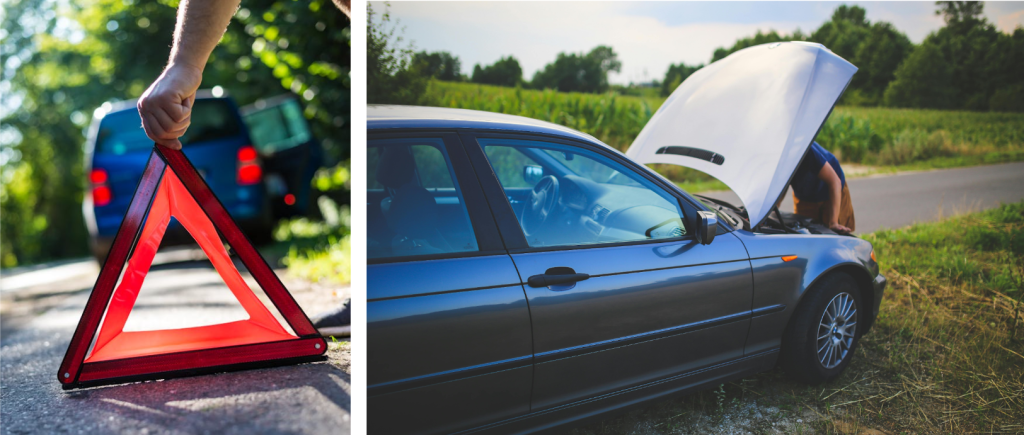
Only prepare the vehicle if it is safe to do so. If you are stopped in live traffic, on a freeway shoulder or in a dangerous position, move yourself and any passengers to a safer location where possible and follow road safety directions. Your safety comes before the vehicle.
If the vehicle is secure, remove or stow loose items that could move during transport. Check that the boot, bonnet and doors are fully shut. Take valuables, tools, laptops and loose personal belongings with you. For a modified car, it is also sensible to take a few clear photos of the exterior, wheels and any low bodywork before loading. This provides a simple record of its condition.
If the vehicle has adjustable air suspension and it can be raised without running the engine or creating another fault, ask the towing provider whether doing so would help. Do not make changes blindly. A suspension setting that helps ground clearance may also affect whether the vehicle can be safely secured.
Avoid trying to push a disabled car onto ramps, removing parts roadside, or using improvised tie-down points. A small mistake can turn a mechanical breakdown into body or suspension damage.
How careful loading protects modified vehicles
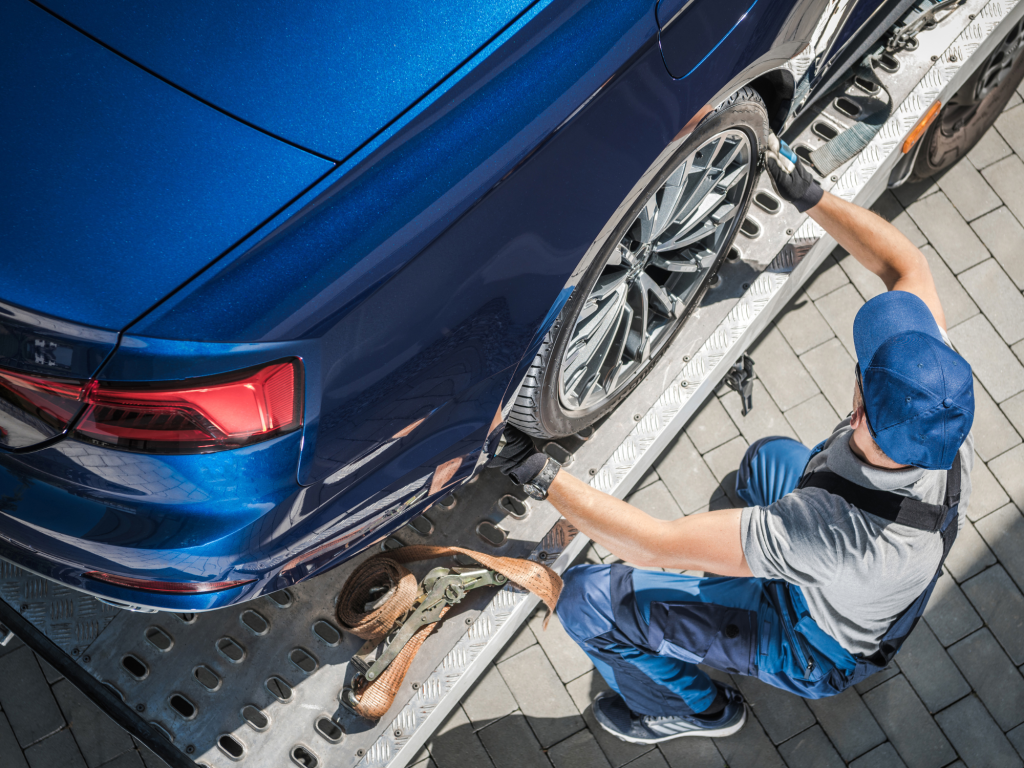
The safest loading process is measured rather than rushed. The operator should assess the vehicle’s position, clearance, condition and any visible obstacles before winching begins. For low vehicles, that may mean adjusting the tray angle and using additional ramps or blocks to soften the transition.
Winching should be slow and controlled, particularly if the car has low front bodywork or cannot steer properly. The driver may stop partway through loading to check clearance underneath and around the wheels. This is normal. Taking an extra minute is far preferable to scraping a splitter or loading against a locked wheel.
Once on the tray, the vehicle needs secure restraint at appropriate points. Wheel restraints are often preferable because they hold the vehicle by its tyres rather than placing load directly on suspension arms, bodywork or unknown aftermarket components. The exact method depends on the vehicle, its wheel design, tyre condition and available anchor points.
A good operator will also consider the vehicle’s centre of gravity. A lifted 4WD with accessories and cargo sits differently to a standard hatchback. A modified track car may be low but have a long front overhang. Each requires a sensible position on the tray and properly tensioned restraints for the journey.
Special considerations for EVs, hybrids and AWD vehicles
Modified EVs, hybrids and all-wheel drive vehicles need particular care because incorrect towing can cause expensive drivetrain damage. If a vehicle cannot be driven or placed in the required transport mode, full flatbed transport is generally the safer approach.
Tell the operator if the vehicle has aftermarket suspension, wheels or underbody protection, but also disclose any warning messages, battery damage, unusual smells, smoke or signs of overheating. A high-voltage warning or damaged battery pack changes the safety assessment. Keep clear of the vehicle if there is smoke, heat or a possible electrical hazard, and advise emergency services where necessary.
Do not assume a vehicle can be towed in neutral because the gear selector displays it. Some EVs and hybrids have specific instructions for transport and wheel movement. A specialist breakdown towing provider will assess the situation before moving it.
Choosing the right destination
The nearest workshop is not always the best destination for a modified vehicle. If your car has a specialist tuner, performance workshop, suspension shop or EV-qualified repairer, consider whether it is worth transporting directly there. A second tow can mean additional handling, cost and inconvenience.
Before dispatch, confirm the full destination address, workshop opening hours and whether the site can accept an after-hours drop-off. Ask where the keys should be left if nobody will be present. If the vehicle needs to go home first, ensure the driveway has enough access for a tilt tray and that there is a safe place to unload.
For long-distance or interstate transport, ask about timing, handover arrangements and whether the vehicle will travel directly or be scheduled alongside other jobs. There is no single right option. Urgency, budget, vehicle value and destination access all affect the best plan.
Clear communication makes a stressful tow easier
Modified vehicles do not need special treatment because they are flashy. They need the correct treatment because their dimensions, clearance and mechanical setup can differ significantly from factory specifications. A careful tow starts with the right questions, suitable equipment and no surprises at the roadside.
Onigo Towing can assess modified cars, motorcycles, utes and speciality vehicles as part of a breakdown tow across Melbourne, with clear pricing and an ETA before dispatch. When you call, describe the breakdown and the modifications that affect loading. That simple conversation gives your vehicle the best chance of arriving safely at the mechanic, home or workshop where it belongs.