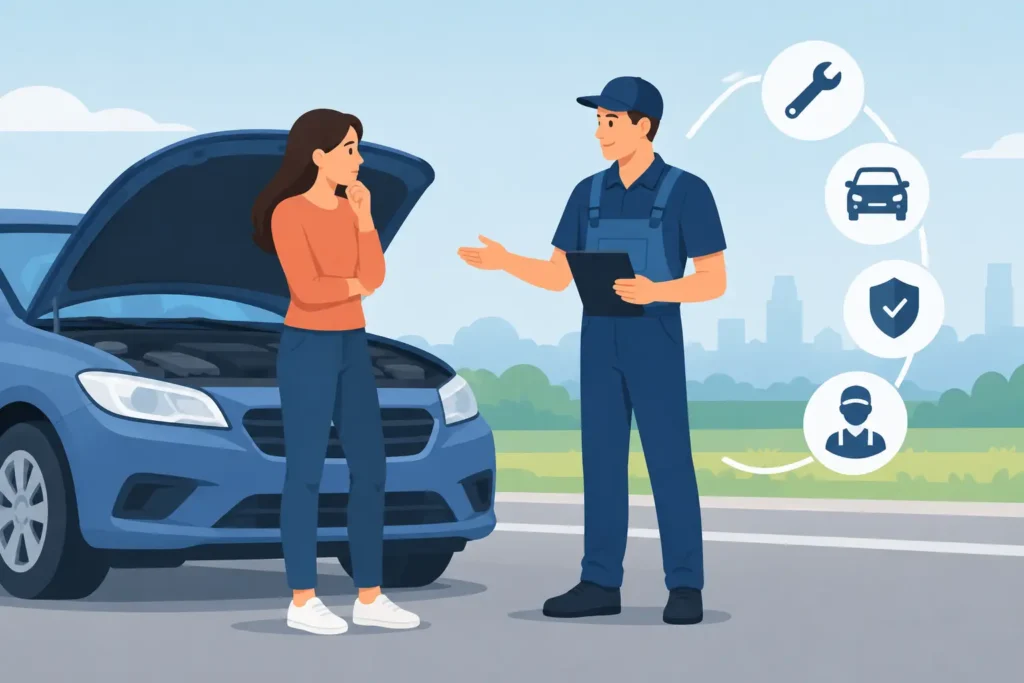
A car that will not start outside work, a motorbike stranded on the Monash, or a van stopped mid-run can turn a normal day into a stressful one fast. Asking the right questions before booking towing gives you a clear price, a realistic arrival time and confidence that your vehicle will be handled properly.
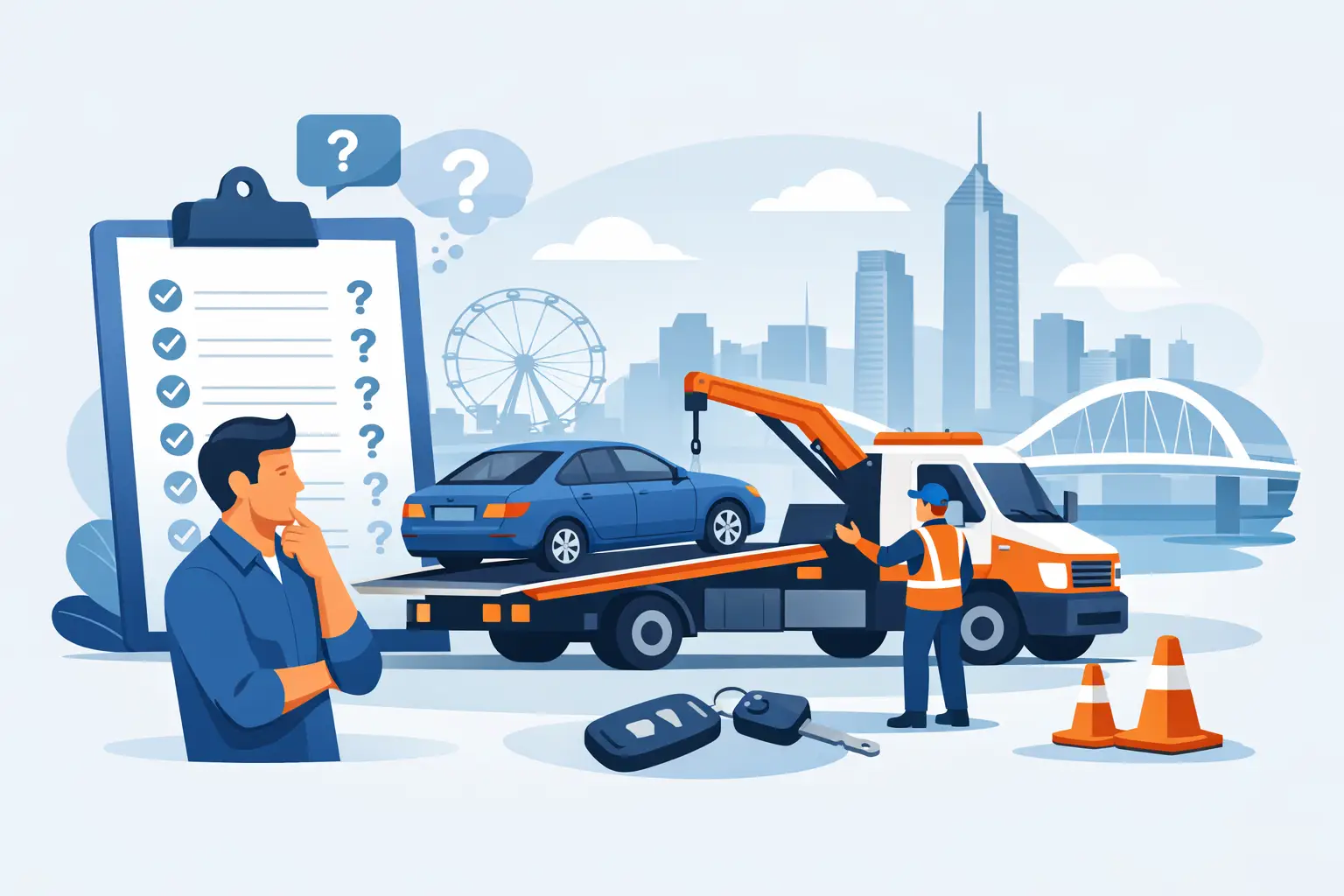
You do not need to become a towing expert at the roadside. You only need enough information to make a safe, informed decision before a truck is dispatched. Have your location, vehicle details and intended destination ready, then work through the questions below.
The questions before booking towing that matter most
1. What is the total price, and what does it include?
Start here. Ask for an upfront price that covers the call-out, loading, transport and drop-off at your chosen destination. A clear quote should also explain whether distance, tolls, after-hours attendance, difficult access or vehicle type could change the final cost.
Do not assume the cheapest figure over the phone is the cheapest job overall. A quote that leaves out kilometres, waiting time or extra handling can become more expensive once the truck arrives. If your vehicle needs to go farther than a local workshop, confirm the rate for the full trip before authorising dispatch.
2. How soon can the tow truck reach me?
An ETA matters when you are stuck in a live lane, on a narrow street or trying to get home after dark. Ask for a realistic arrival window rather than an overly optimistic promise. Traffic, weather, roadworks and the location of the nearest available truck all affect response time across Melbourne.
Also ask how you will receive updates if conditions change. A provider that communicates clearly can make a long wait less frustrating and helps you decide whether to stay with the vehicle or move to a safer place nearby.
3. Can you tow my type of vehicle safely?
Tell the operator exactly what you drive. Include the make, model, approximate year, whether it is lowered, all-wheel drive, electric, hybrid, modified, a motorcycle, ute, van or light truck. If it has a locked steering wheel, flat tyres, a damaged wheel, low clearance or cannot be shifted into neutral, say so as well.
Those details determine the right equipment and loading plan. A standard hatchback with a dead battery may be straightforward, while a performance car, EV or motorcycle needs more specific handling. It is better to spend an extra minute on the phone than have the wrong truck turn up.
4. Will my vehicle be carried on a flatbed?
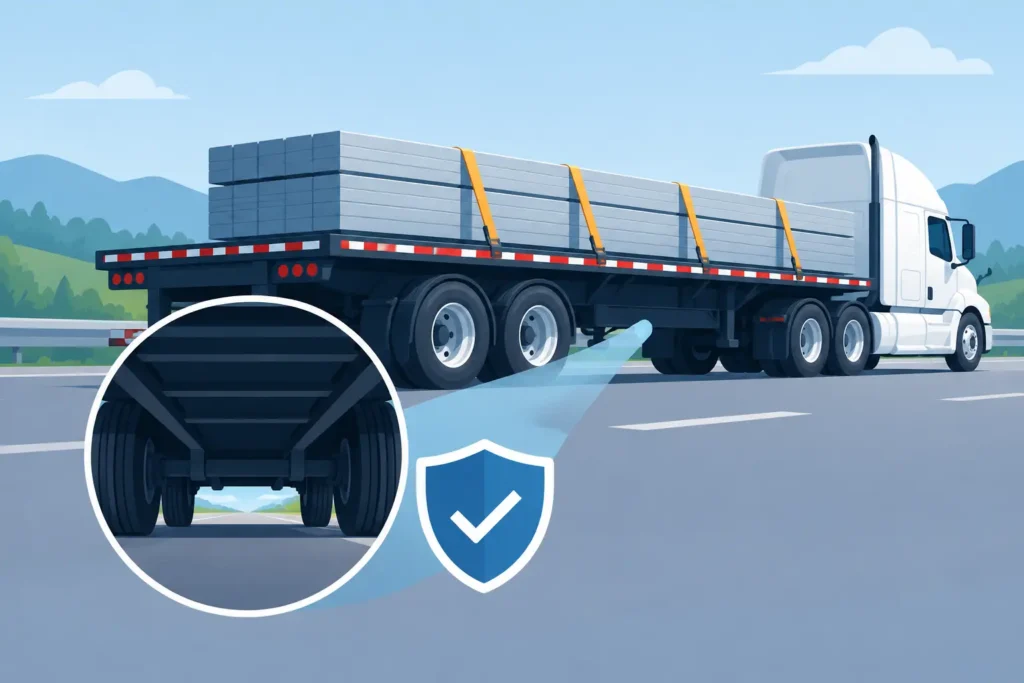
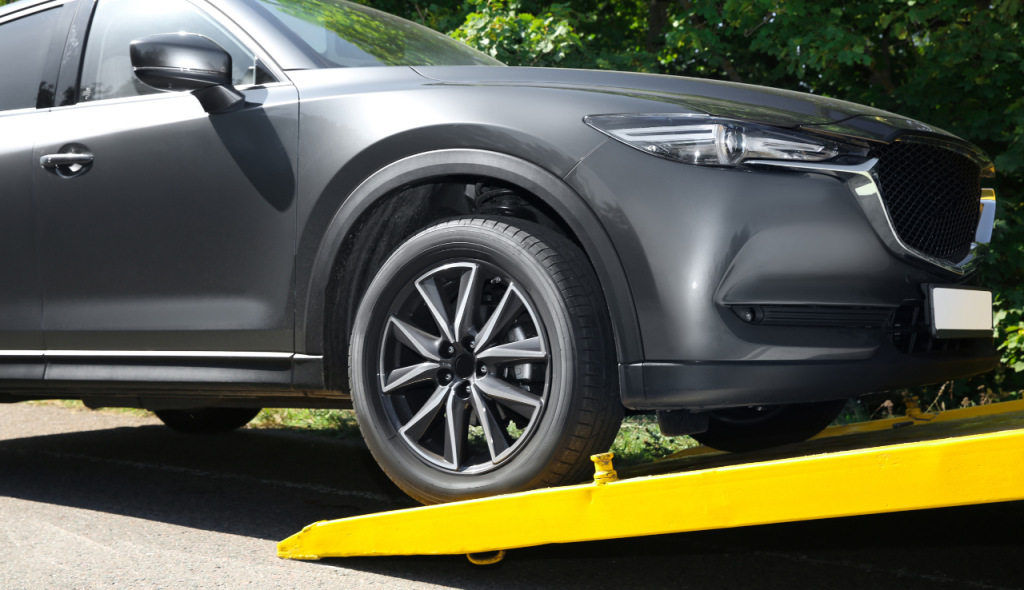
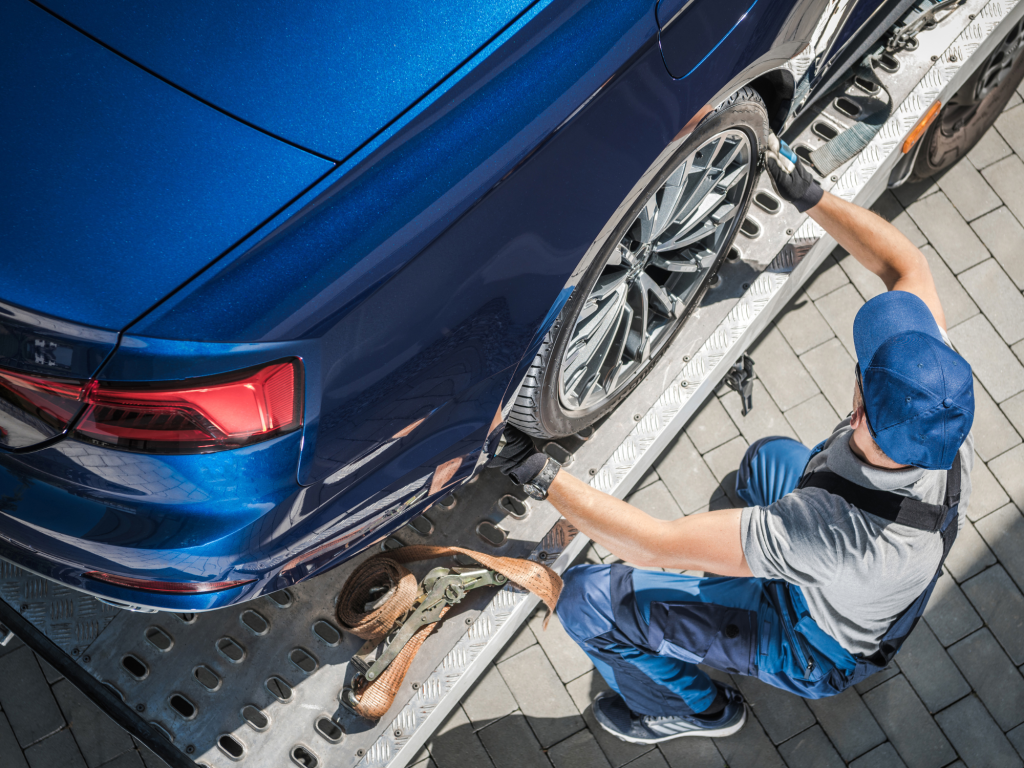
For many breakdowns, a flatbed is the preferred option because the whole vehicle is carried off the ground. This can be particularly suitable for EVs, hybrids, all-wheel-drive vehicles, cars with transmission issues, low vehicles and vehicles that should not be rolled or driven.
Ask what loading method is planned and why it suits your vehicle. If you own a speciality or high-value vehicle, ask how it will be secured and whether soft straps, wheel restraints and suitable ramps will be used. Careful loading is not an optional extra when a vehicle has low clearance or sensitive mechanical components.
5. What information do you need before dispatch?
A capable towing operator will ask practical questions, not just your postcode. Expect to provide your exact location, a nearby landmark or cross street, vehicle registration, vehicle type, fault symptoms, the destination address and a contact number.
Be honest about the situation. If the vehicle is in an underground car park, on a steep driveway, behind a locked gate, in a shopping centre, or parked nose-first against a kerb, mention it. Height restrictions and limited access can affect which truck is sent and how the job is completed.
6. Where can you take the vehicle?
Most breakdown tows go to a mechanic, dealership, home or secure storage location. Before you book, make sure your chosen destination can accept the vehicle. A workshop may be closed, have no room in its yard or require keys to be left through a secure process.
If you are unsure where the vehicle should go, consider the fault. A no-start issue may be something a local mechanic can assess quickly, while an EV fault or warranty concern may need a specialist workshop or dealership. Confirm the full address, including any unit number, and ask whether the tow driver can access the drop-off point.
7. Can I ride with the tow truck driver?
Never assume there will be room for passengers. Towing vehicles have seating limits, insurance requirements and safety rules that may prevent the driver from carrying you. This is especially relevant if you are travelling with children, pets or several people.
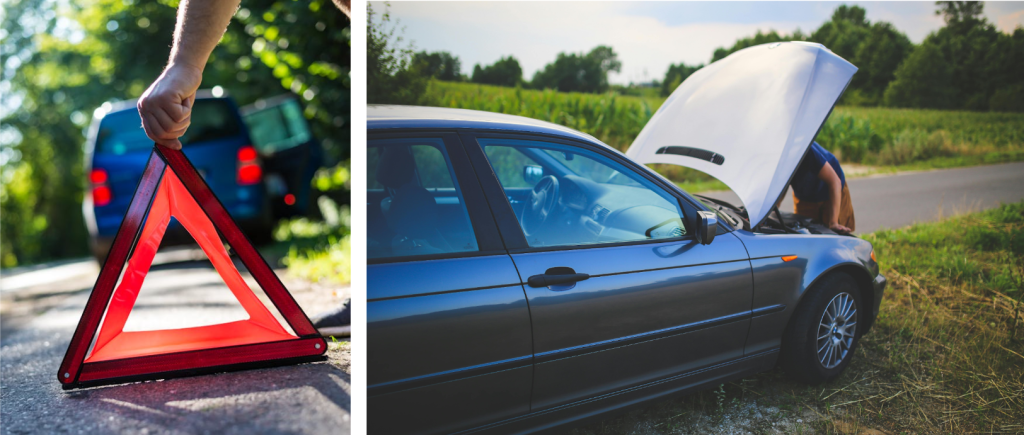
Ask before the truck is dispatched so you can organise a lift, rideshare, public transport or someone to collect you if needed. Your safety comes first. If you are stranded on a freeway or in another hazardous location, move away from traffic where safe to do so and follow any directions from emergency services or road authorities.
8. What should I do with the keys and personal belongings?
Take valuables, documents, medication, tools and loose personal items from the cabin and boot if it is safe to do so. Photographing the vehicle before loading can also give you peace of mind, particularly if it is a work van, motorcycle or specialty vehicle.
Ask how keys will be managed at the destination. Some workshops request that keys are placed in a key drop, while others need the driver to hand them over during business hours. If the vehicle is immobilised or the key is missing, tell the operator early because that may change the loading process.
9. Are you insured, and will I receive a receipt?
Professional towing should come with appropriate insurance and clear job records. Ask whether the operator is insured for the work being carried out and whether you will receive a receipt showing the collection point, destination and charges.
This is useful for your own records and may be needed if you are claiming through roadside assistance, business insurance or a vehicle warranty provider. If someone else owns the vehicle, such as your employer, leasing company or a family member, check whether they need to approve the tow or provide authority first.
10. What happens if the vehicle cannot be accessed or moved?
Not every breakdown is simple. A vehicle might be locked, blocked in, stuck in park, have a broken wheel or be parked where a tow truck cannot safely position itself. Ask what happens if the situation is different from the description given on the phone.
A good operator will explain any likely extra equipment, access requirements or price changes before work begins where possible. There are times when a recovery-style job needs a different approach, but clear information upfront prevents surprises and avoids sending unsuitable equipment.
A quick check before you confirm the tow
Before you say yes, repeat the key details back: your location, vehicle, destination, quoted price and ETA. Confirm the mobile number the driver should call and keep your mobile charged if you can. If you are in a safe place, stay with the vehicle until instructed otherwise. If staying there puts you at risk, get yourself to safety first.
You should also tell the operator if your vehicle has an EV charging cable, roof racks, a bike rack, a trailer, commercial stock or unusual modifications. These details are easy to overlook when you are stressed, but they help the driver arrive prepared and protect your vehicle during transport.
A breakdown is inconvenient enough without uncertainty about the next step. When you need help in Greater Melbourne, choose a towing provider that answers these questions directly, gives the price before dispatch and treats careful vehicle handling as part of the job. Onigo Towing focuses on breakdown transport, clear communication and the right equipment so you can get your vehicle moving towards a solution.