A vehicle that will not start in Melbourne can quickly become more than a local towing job if the repairer, buyer or new home is across the border. This guide to interstate vehicle relocation explains what to arrange before collection, how to compare quotes properly, and how to protect your vehicle from collection through to delivery.
Interstate transport is not simply a longer version of a standard tow. The distance, collection access, vehicle condition and delivery timing all affect the plan. A clear process matters, particularly when your car, motorcycle, ute, van, EV or speciality vehicle cannot be driven safely.
When interstate vehicle relocation is the right option
Interstate relocation is often needed after a major mechanical failure, when a vehicle has been sold to an interstate buyer, or when you are moving home and do not want to add hundreds or thousands of kilometres to the odometer. It can also make sense when a specialist workshop is in another state, or when a non-running vehicle needs to be returned to its owner.
Driving the vehicle yourself may look cheaper at first, but it is rarely the right choice for a car with an overheating issue, gearbox fault, electrical problem or unreliable battery. A breakdown on a highway far from home can create a much larger cost and delay. Transport is generally the safer call when the vehicle is not roadworthy, is unregistered, has no reliable spare tyre, or is a high-value vehicle you do not want exposed to a long trip.
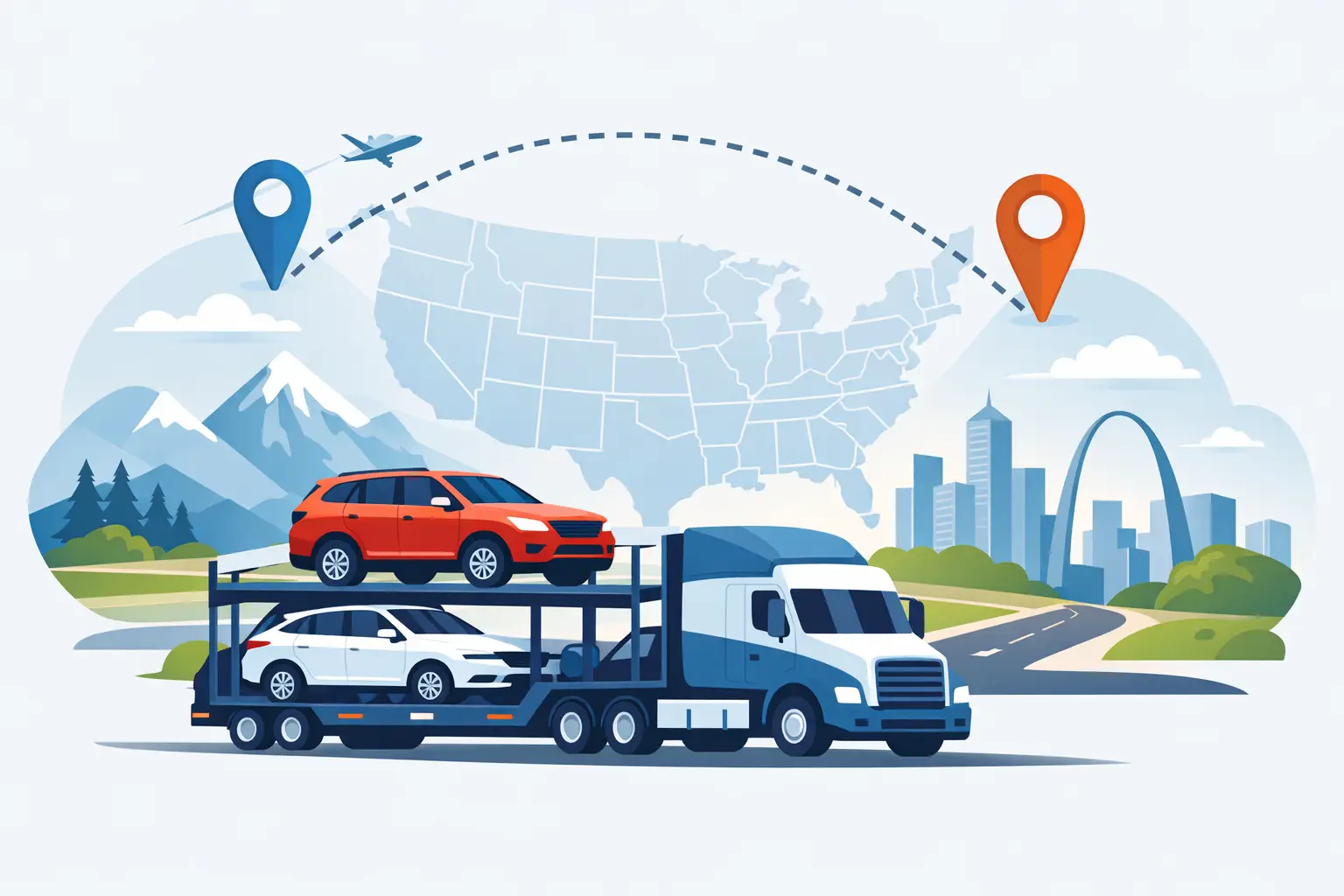
The transport method depends on the vehicle and the route. A dedicated flatbed service can offer direct handling and tighter timing, while a multi-vehicle carrier can be more economical for flexible dates. Neither is automatically better. The practical question is whether you need speed and a direct service, or can allow extra time for a scheduled carrier run.
Get an accurate quote before dispatch
A useful quote starts with accurate information. Giving only the make and model may produce a price that changes later, especially if the operator arrives to find a vehicle that cannot roll, steer or release the handbrake.
When requesting a quote, provide the pickup and delivery suburbs, vehicle make, model and registration, and the preferred collection date. Explain its condition plainly: does it start, roll, steer and brake? Mention flat tyres, missing wheels, low clearance, accident damage, locked keys, modifications or a discharged EV battery. These details determine the equipment, loading time and number of people required.
Also describe the access at both ends. A carrier may need more room than a normal car space allows. Narrow streets, low branches, steep driveways, underground car parks and gated apartment buildings can change the collection plan. If access is limited, the vehicle may need to be collected from a nearby safe street or service area.
Ask what the quoted price includes. A clear provider should explain collection, loading, interstate transport, delivery, tolls where applicable and any known access requirements before dispatch. Confirm whether the quote allows for a non-running vehicle and whether there are charges for storage, a failed delivery attempt, winching or after-hours access. Upfront answers prevent an already stressful job becoming a dispute at delivery.
Prepare the vehicle for collection
Preparation does not need to be complicated, but it should be thorough. Remove personal items from the cabin, glovebox and boot, including toll tags, garage remotes, paperwork with personal details and loose accessories. Carriers are there to move the vehicle safely, not to store valuables.
Leave enough fuel for loading and unloading where the vehicle runs, but avoid a completely full tank. Around a quarter tank is usually practical for a running petrol or diesel vehicle. For EVs and hybrids, confirm the preferred state of charge with the transport provider. A vehicle with a flat traction battery can require different handling, while an excessively charged battery may not be necessary for transport.
Take clear, time-stamped photos of all sides of the vehicle, the wheels, roof, windscreen and interior before it is collected. Photograph any existing scratches, dents, cracked glass or mechanical damage. This is sensible record-keeping, not an expectation that something will go wrong.
Make sure the keys are available and identify any security features that could affect loading. If the vehicle has an alarm, immobiliser, wheel lock, air suspension, electronic park brake or special starting procedure, tell the driver before collection. For classic, performance and lowered cars, advise ground clearance and any areas that must not be used for tie-downs.
How careful loading protects your vehicle
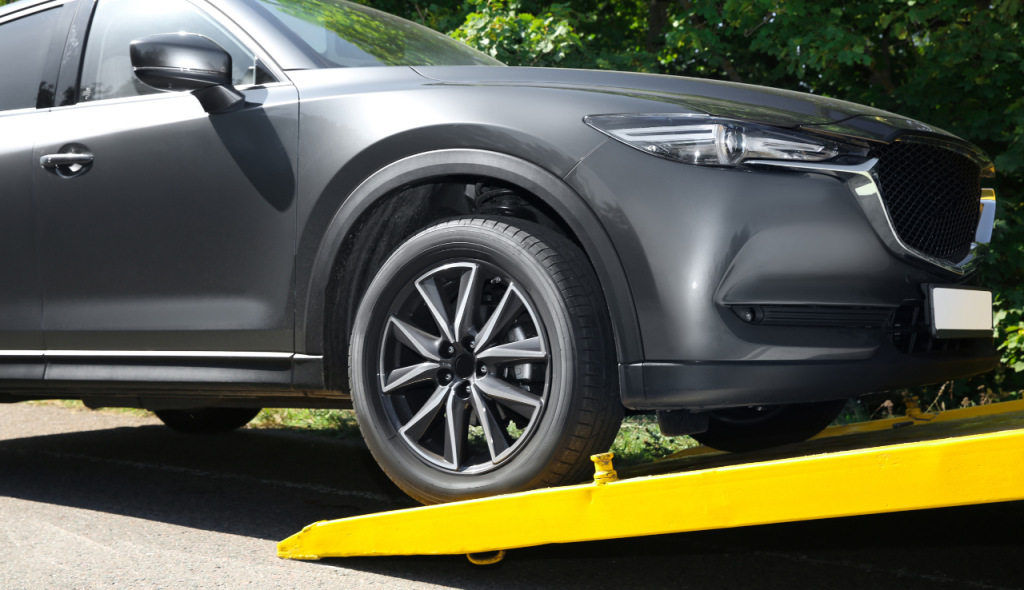
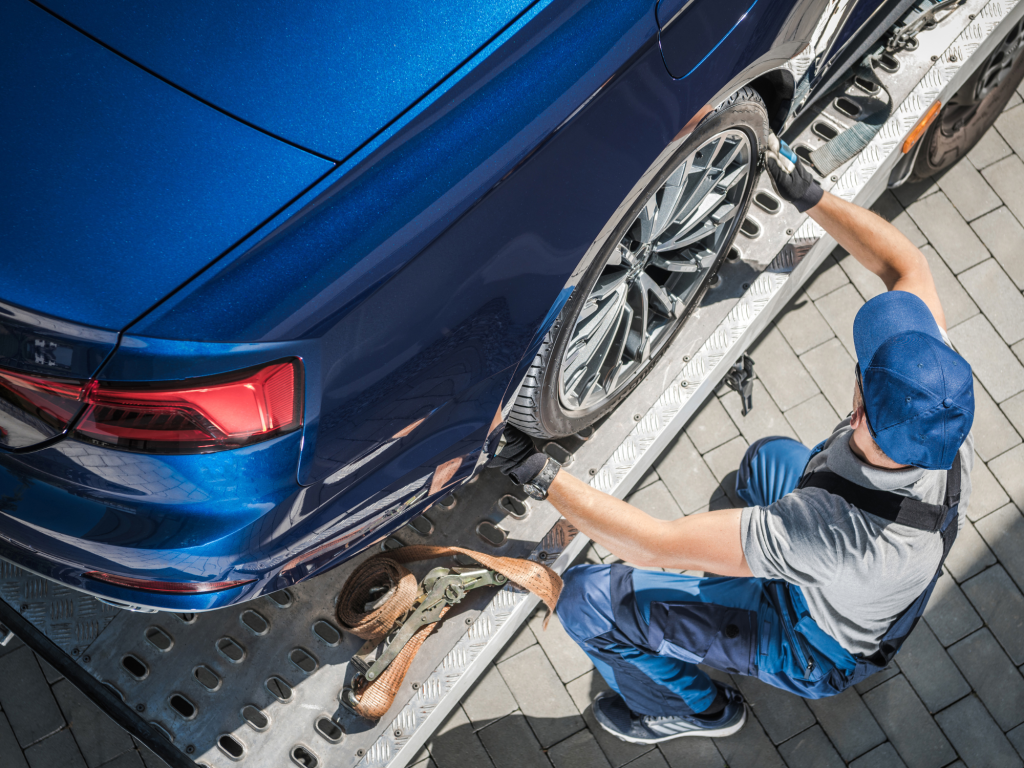
The loading method is one of the most important parts of interstate transport. Flatbed equipment is often preferred for non-running cars, low vehicles, EVs, motorcycles and vehicles with drivetrain concerns because it keeps the wheels off the road for the full journey.
A professional operator assesses the vehicle before moving it. They check whether it can be safely rolled, whether steering is available and where secure tie-down points can be used. If the car cannot be driven onto the tray, a controlled winch load may be required. That process should be slow and deliberate, with attention to clearance, tyre condition and the risk of contact with bodywork or underbody components.
Motorcycles need their own approach. They should be stabilised correctly and secured using suitable points, rather than being treated like a small car. The same applies to modified vehicles, prestige cars and EVs. These jobs are not about rushing a vehicle onto a truck. They are about using the right equipment and securing it for road conditions over a long distance.
Before the vehicle leaves, check that the collection condition has been recorded and that you know who to contact for updates. Keep your mobile on during the delivery window in case access arrangements need to be confirmed.
Plan delivery around real interstate timing
Distance is only one part of the delivery timeframe. Collection scheduling, the route, required rest breaks, traffic, weather, road closures and delivery access all matter. A direct trip may be suitable for urgent relocations, while scheduled transport may take longer because vehicles are collected and delivered along a planned route.
Be cautious of anyone promising an exact arrival time without knowing the route and access conditions. A better service gives you a realistic delivery window, keeps you informed if circumstances change, and does not leave you guessing where your vehicle is.
Arrange for someone authorised to receive the vehicle at the destination. They should be able to inspect it in daylight where possible, sign the handover documentation and take possession of the keys. If nobody can attend, discuss alternatives before the vehicle is collected. Leaving a vehicle on the street, at an unattended workshop or behind a locked gate can lead to avoidable delays or extra handling.
If delivery is to a mechanic, call the workshop first. Confirm its opening hours, whether it has room for a truck to enter, and whether staff will accept the keys. A workshop may be able to receive the car during business hours but not after-hours, even when the tow operator is available.
Choosing a provider you can trust
Price matters, but it should not be the only decision point. The lowest figure may leave out loading complexity, destination access or the type of equipment your vehicle needs. Compare like for like and look for direct answers rather than vague assurances.
A reliable provider will ask practical questions about the condition of the vehicle, explain how it will be loaded, provide a clear price before dispatch and communicate throughout the job. For a breakdown vehicle, specialist experience is especially valuable. A team used to handling non-starts, dead batteries, locked wheels and mechanical faults is more likely to plan for the issue before arriving.
For Melbourne drivers, Onigo Towing can coordinate careful long-distance vehicle transport with the same clear communication expected during a breakdown tow. The right arrangement will depend on your vehicle, destination and required timeframe, so provide the full details early.
A well-planned interstate relocation gives you one less thing to manage when a vehicle has failed or a move is already underway. Get the facts straight, prepare the car properly, and choose a transport service that treats careful handling and honest communication as part of the job, not an optional extra.