A light truck breaking down rarely happens at a convenient time. It might be a delivery run already behind schedule, a ute loaded for work, or a small commercial vehicle stranded on a busy Melbourne road. In that moment, a light truck towing service needs to do more than just turn up. It needs to respond quickly, handle the vehicle properly, and give you clear information from the first call.
That matters because light trucks sit in an awkward space. They are not standard passenger cars, but they are not heavy recovery jobs either. They often carry more weight, have different dimensions, and may be used for work where every hour off the road costs money. If the towing operator treats them like a basic car job, that can create delays, loading issues, or avoidable damage.
When you need a light truck towing service
Most breakdowns are not dramatic. They are frustrating, inconvenient, and expensive enough without extra complications. A flat battery, starter motor issue, overheating problem, clutch failure, fuel system fault, electrical issue, or sudden non-start can leave a light truck immobile with little warning.
For many Melbourne drivers, the first concern is safety. If the vehicle has stopped in traffic, on the roadside, or in an unfamiliar area, you want a provider that can dispatch fast and tell you what happens next. The second concern is the vehicle itself. A light truck used for trade work, deliveries, service calls, or stock movement is not just transport. It is part of the day’s income.
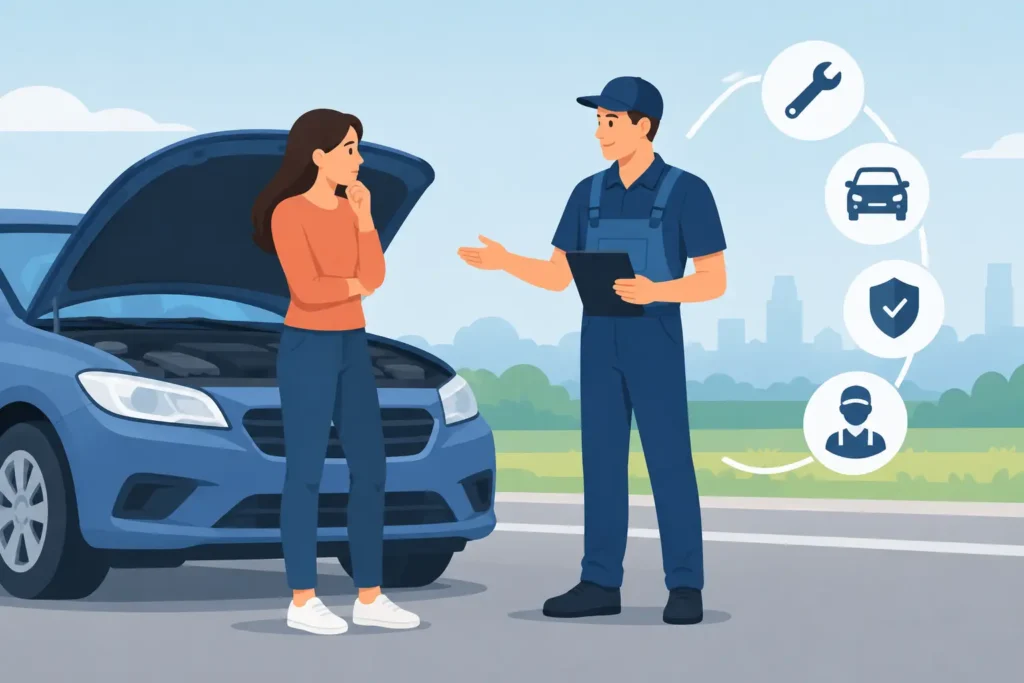
That is why breakdown towing needs a practical approach. The tow operator should ask the right questions early – the vehicle type, whether it starts, whether it rolls freely, where it is located, and where it needs to go. Good dispatch starts with accurate information, because the right truck and the right loading method save time once help arrives.
Not every towing job is the same
A proper light truck towing service is different from general towing that splits focus across accident scenes, impounds, and recovery work. With breakdown towing, the process is usually calmer but still urgent. The job is to move a disabled vehicle safely and efficiently, without adding stress to an already bad day.
That means clear communication matters as much as equipment. Drivers want a realistic ETA, not vague promises. They want to know the price before dispatch, not after the vehicle is loaded. They also want to know their truck will be secured properly, especially if it carries tools, stock, parts, or specialist equipment in the tray or cargo area.
There is also a practical difference in how light trucks are handled. Wheelbase, ride height, weight distribution, and condition all affect loading. A non-starting truck with steering lock issues is a different job from one that can roll but has gearbox trouble. A van with low front clearance may need extra care on the bed. An EV or hybrid light commercial vehicle may need towing methods that protect the drivetrain and battery systems.
Why flatbed towing is often the safer option
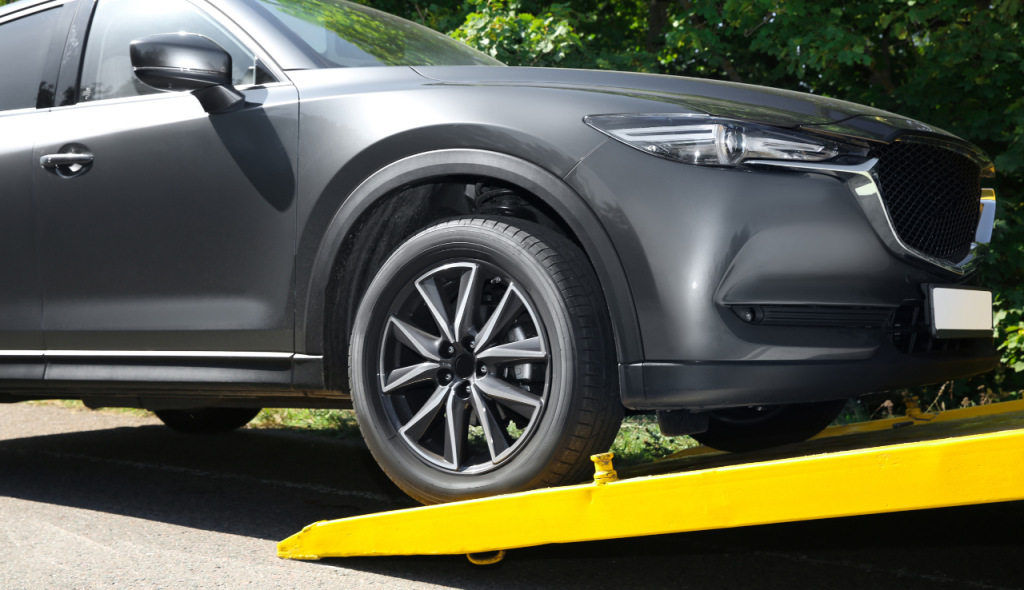
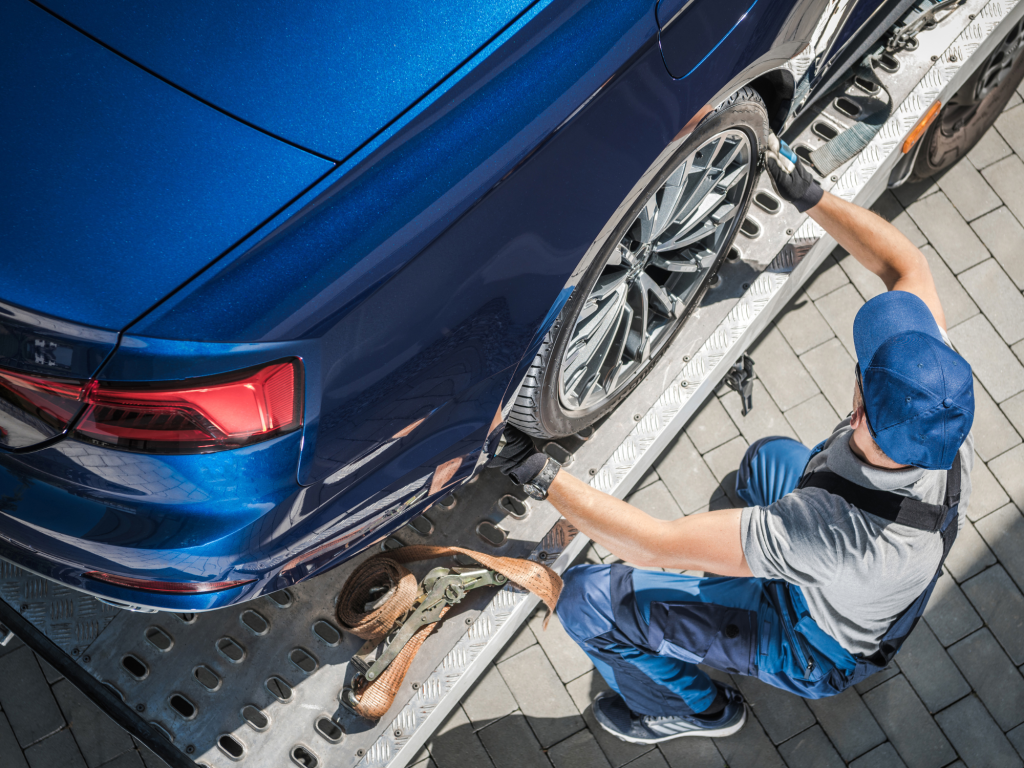
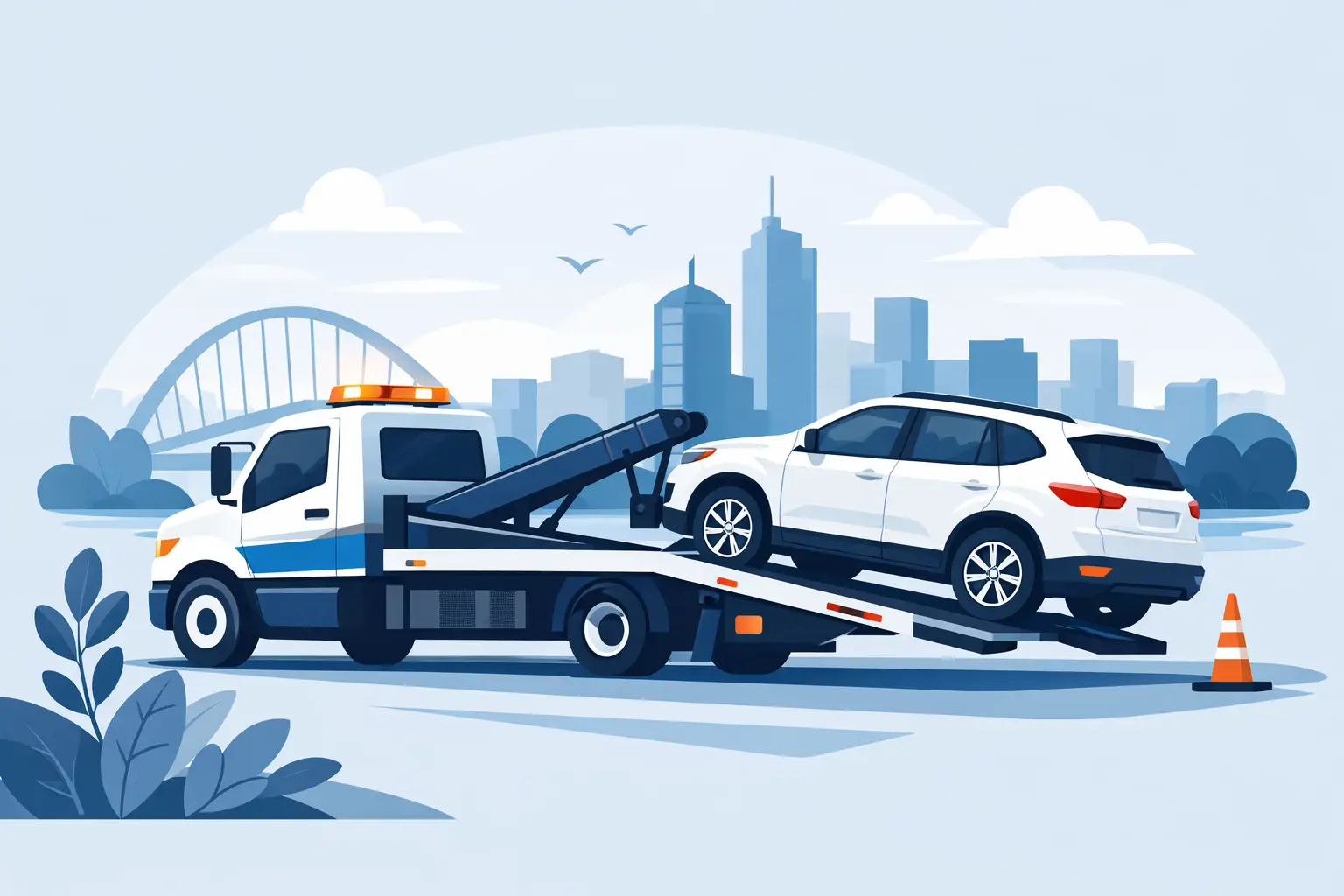
For many mechanical failures, flatbed transport is the safest and cleanest way to move a light truck. It gets the vehicle fully off the road surface, reduces wear during transport, and gives the operator more control during loading and tie-down.
This is especially important when the breakdown itself could be made worse by the wrong towing method. If there is drivetrain damage, steering trouble, suspension issues, or unknown mechanical faults, dragging or partially lifting the vehicle can introduce extra risk. A flatbed approach is usually the safer call when careful handling is the priority.
It also helps with specialty vehicles and higher-value commercial setups. A tradesperson’s ute with fitted storage, a branded delivery van, or a light truck carrying business equipment often needs more cautious transport than a quick tow chain solution can provide. The extra care is not about being fancy. It is about preventing a bad situation from becoming more expensive.
What to expect when you call
When you need roadside help, the process should be simple. A professional dispatcher will usually confirm your location, vehicle details, breakdown type, destination, and whether the vehicle is in a safe position. From there, you should get a clear quote and an ETA before the truck is sent.
That upfront clarity matters. In breakdown situations, people do not want to negotiate under pressure. They want to know what the service will cost, how soon help can arrive, and where the vehicle can be taken – whether that is your mechanic, home, a depot, or another address.
Once the tow operator arrives, the next part is vehicle assessment. This is where experience shows. The driver checks condition, access, loading angle, and any complications before moving the vehicle. If a truck has a flat tyre, locked wheel, damaged suspension, or heavy load in the rear, the loading process may need to be adjusted. Rushing this part is where mistakes happen.
Choosing the right Melbourne towing provider
If you are searching for a light truck towing service in Melbourne, speed matters, but speed alone is not enough. The better question is whether the operator is set up for breakdown towing and whether they handle light commercial vehicles regularly.
A provider focused on breakdowns is usually better at the things stranded drivers care about most – fast dispatch, practical problem assessment, careful loading, and direct communication. They are also more likely to understand that many light truck jobs are time-sensitive for business owners, subcontractors, and delivery operators.
Local coverage matters too. Melbourne traffic can change quickly, and ETAs depend on where the truck is dispatched from, road conditions, and the type of tow required. A provider with strong metro coverage can often respond more efficiently than one trying to stretch across too many competing job types.
It is also worth paying attention to how the business talks about pricing and process. If it is hard to get a straight answer before booking, that is not a great sign. In contrast, clear pricing before dispatch and simple explanations usually indicate a more reliable service standard.
Common situations where extra care is needed
Some light truck breakdowns are straightforward. Others need a more cautious plan. A vehicle stuck in an underground car park, a truck with a transmission fault, or a commercial van that will not shift into neutral may require different equipment or access planning.
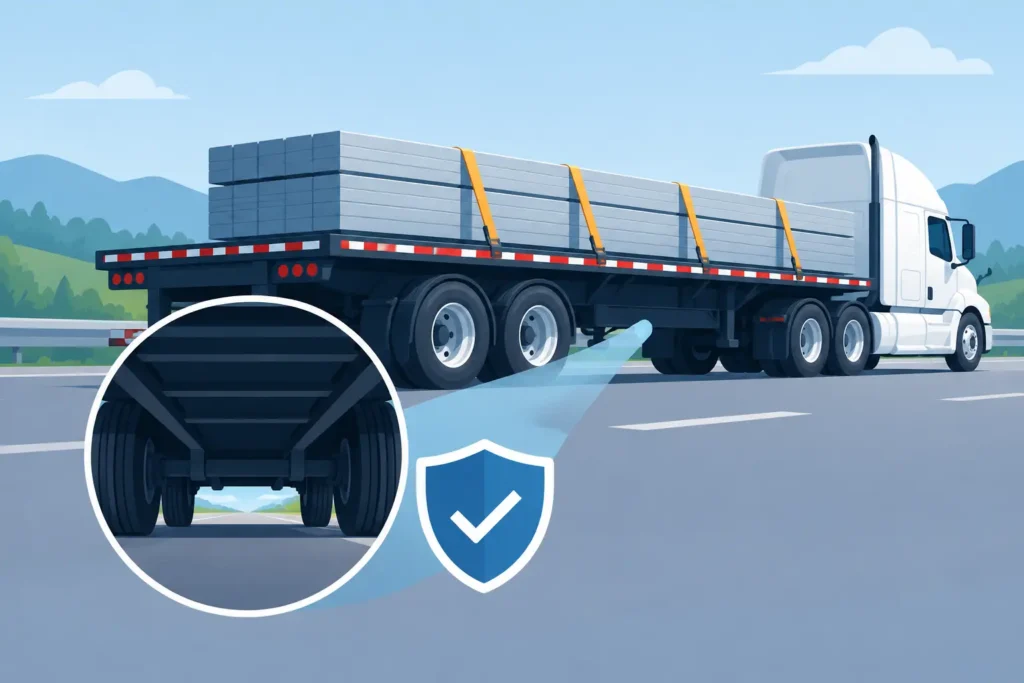
Loaded vehicles are another factor. If tools, materials, stock, or machinery are onboard, weight and balance can affect the tow. In some cases, the vehicle can be transported as is. In others, reducing load first may be safer. It depends on the truck’s condition, total weight, and how the cargo is secured.
Weather and location also play a part. A breakdown on a narrow inner-suburban street is different from one on a major arterial road or in an industrial area. The right towing response accounts for access, traffic exposure, and how quickly the vehicle can be moved without creating further risk.
Why specialist breakdown towing makes a difference
When a vehicle has been involved in an accident, the towing priorities are different. With breakdowns, the focus is usually on fast, safe transport with minimal fuss. That is why a specialist breakdown operator can often provide a smoother experience than a generalist provider juggling multiple service types.
For Melbourne drivers, that means less guesswork. You want someone who understands mechanical failure jobs, knows how to load disabled vehicles without causing damage, and communicates clearly all the way through. If the provider also handles vans, utes, EVs, hybrids, and specialty vehicles, that broader breakdown experience is useful when your light truck is not a standard setup.
At Onigo Towing, that practical breakdown-first approach is central to the service. The focus is on getting disabled vehicles moved safely, with clear ETAs, upfront pricing, and careful handling rather than making customers chase information while they are already stuck.
A broken-down light truck can throw off your whole day, but the towing process should not add more uncertainty. The right service gives you a clear next step, gets the vehicle moved safely, and helps you get on with the repair instead of worrying about the tow itself.