A lowered European car on a steep Melbourne driveway, an EV that will not select drive, or a vintage bike that cannot be strapped down like an ordinary commuter – this is where speciality vehicle towing Melbourne drivers often need goes wrong if the operator treats every job the same. When your vehicle is valuable, uncommon, or simply harder to move safely, the towing method matters just as much as the response time.
For breakdowns, the risk is not only the original fault. It is also what happens during loading, transport, and unloading. A rushed operator can scrape a front bar, stress a wheel, drag an EV incorrectly, or use tie-down points that were never meant to take that load. That is why speciality towing needs a more careful approach than standard breakdown work.
What counts as speciality vehicle towing in Melbourne?
Speciality vehicles are not limited to high-end sports cars. In practice, the category is wider than most drivers expect. It often includes lowered vehicles, prestige cars, classics, motorcycles, EVs, hybrids, modified utes, vans with low clearance, light commercial vehicles carrying sensitive equipment, and cars with mechanical failures that make ordinary loading unsafe.
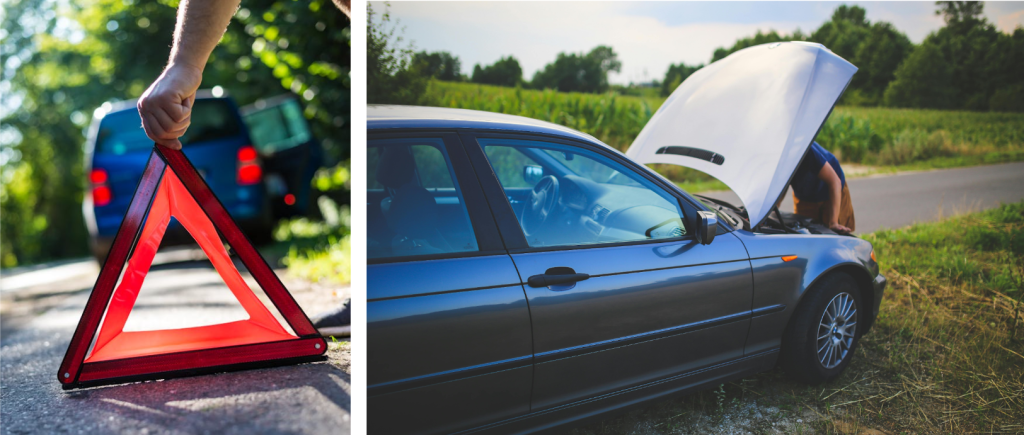
Sometimes the vehicle itself is the issue. Sometimes it is the location, the fault, or both. A non-start in an underground car park, a locked transmission, damaged suspension, or a flat battery in an EV can turn a simple tow into a job that needs the right equipment and the right loading plan.
That is the main difference. Speciality towing is not about making the job sound fancy. It is about recognising when standard methods increase the chance of damage.
Why speciality vehicle towing Melbourne drivers book is different
Most stranded drivers care about two things first – how fast someone can get there, and what it will cost. Both matter. But if the vehicle is specialised, there is a third question that should sit alongside them: how will it actually be moved?
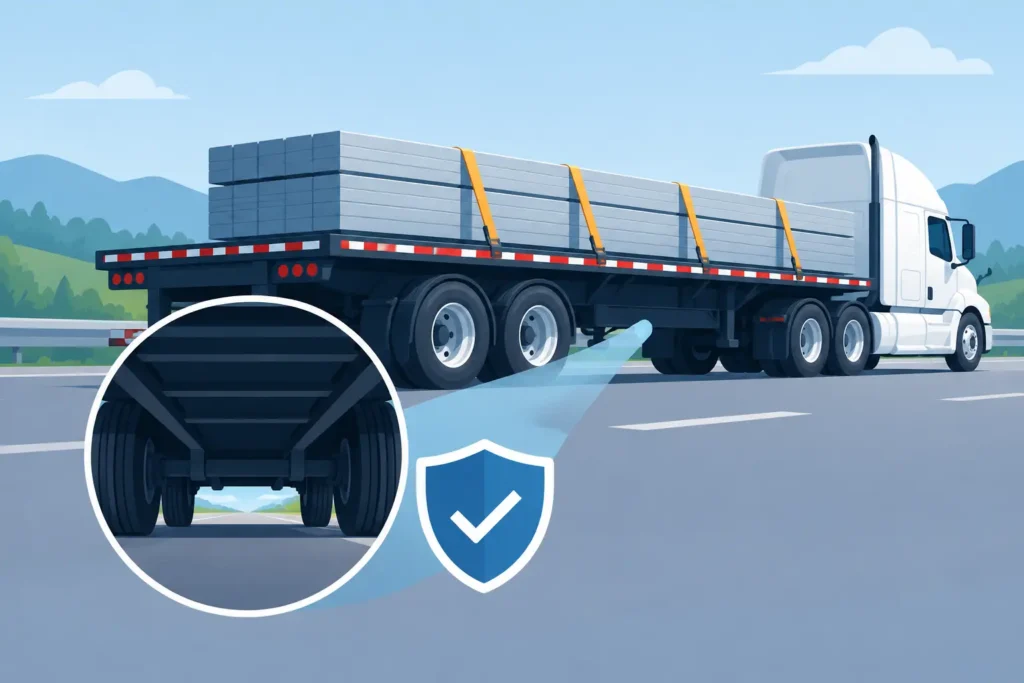
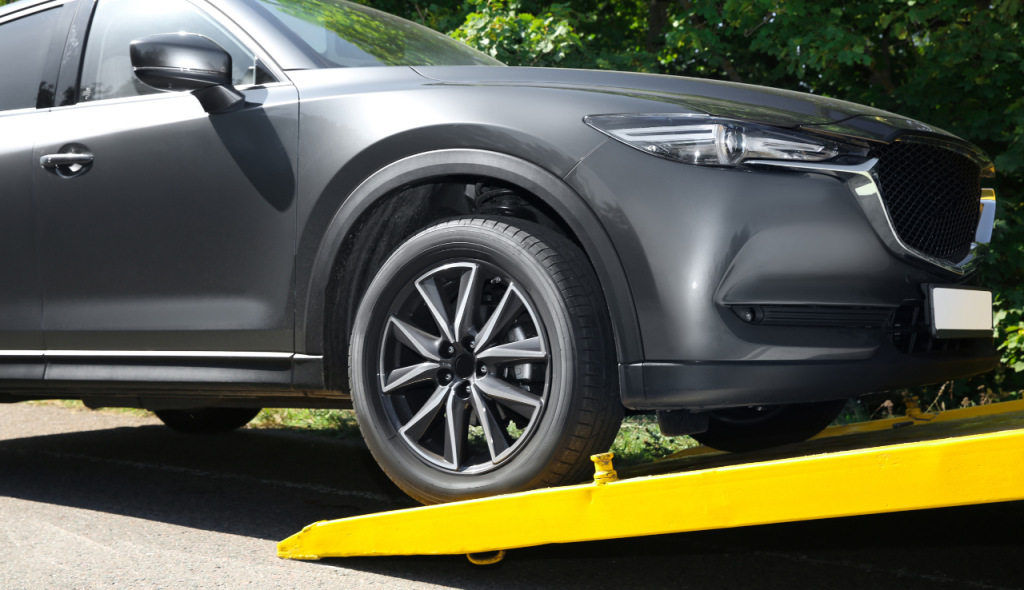
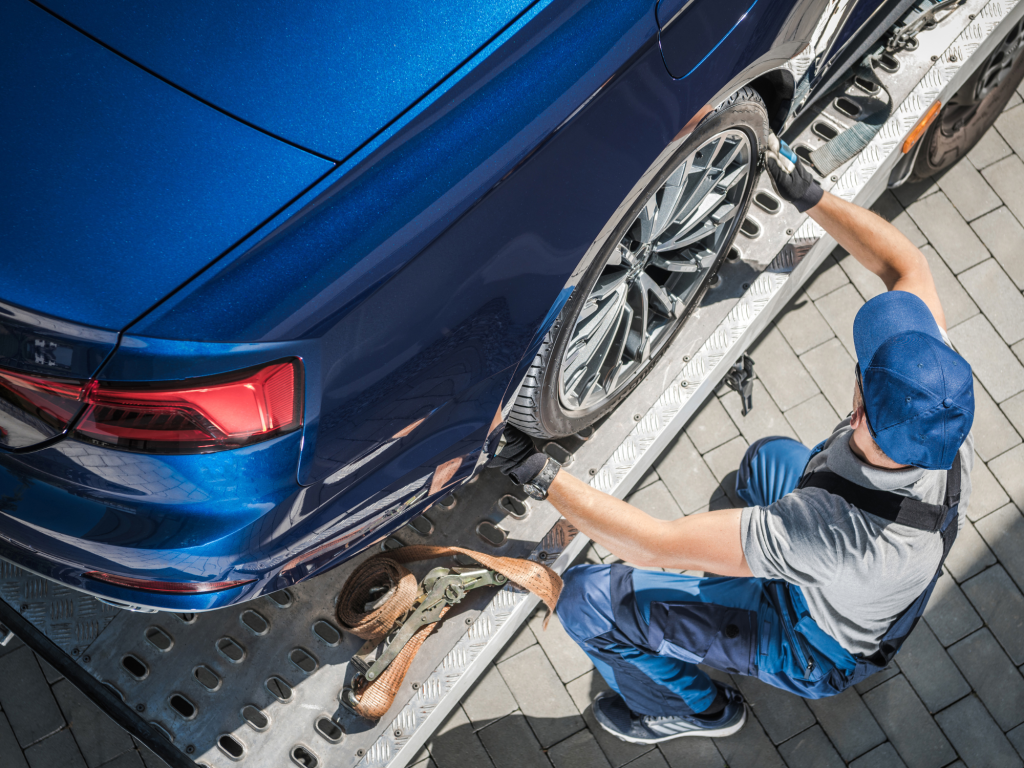
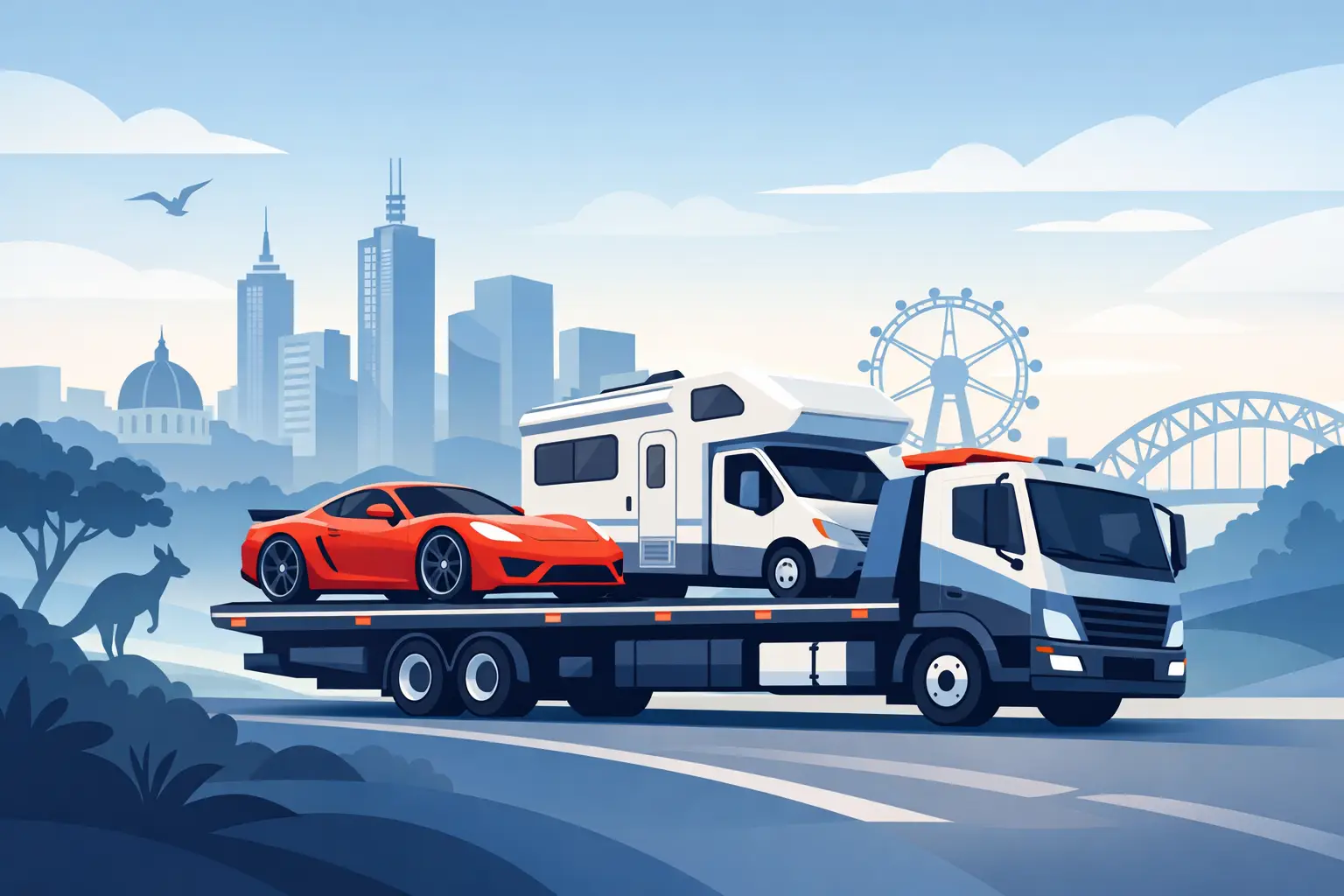
Flatbed towing is often the safer choice for speciality vehicles because it keeps all wheels off the road and gives the operator more control during loading. That said, even a flatbed is only as good as the person using it. Ramp angles, winching technique, clearance management, wheel securing, and load balance all matter.
A lowered performance car may need extra care to avoid scraping the front lip or underbody. A motorcycle needs proper stabilisation, not a rough strap job. An EV may require specific handling depending on whether it can roll freely, whether the battery is fully dead, and whether transport mode can be engaged. A classic vehicle may have fragile trim, non-standard tie-down points, or parts that are harder to replace if something is damaged.
This is where experience shows. A breakdown towing specialist is more likely to slow the job down where needed, explain the plan, and avoid shortcuts that create expensive problems later.
The risks of choosing the wrong tow
When drivers are under pressure, it is tempting to book the first available truck and hope for the best. Sometimes that works out. Sometimes it does not.
The most common issues are avoidable. Front bars get scraped on loading. Wheels are secured incorrectly. Vehicles are dragged when they should be winched. Motorcycles shift because they were not stabilised properly. EVs are treated like petrol cars even though the driveline condition says otherwise. In many cases, the original breakdown is minor, but the towing damage is what turns the day into a much bigger problem.
There is also the communication side. Speciality towing should come with clear questions before dispatch. What is the vehicle? What fault has occurred? Is it drivable at all? Is it lowered? Is it in a basement, on a narrow street, or in a tight driveway? Does it need to go to a workshop, home, or another suburb? If those details are not being covered early, the operator may be guessing rather than planning.
What good speciality breakdown towing looks like
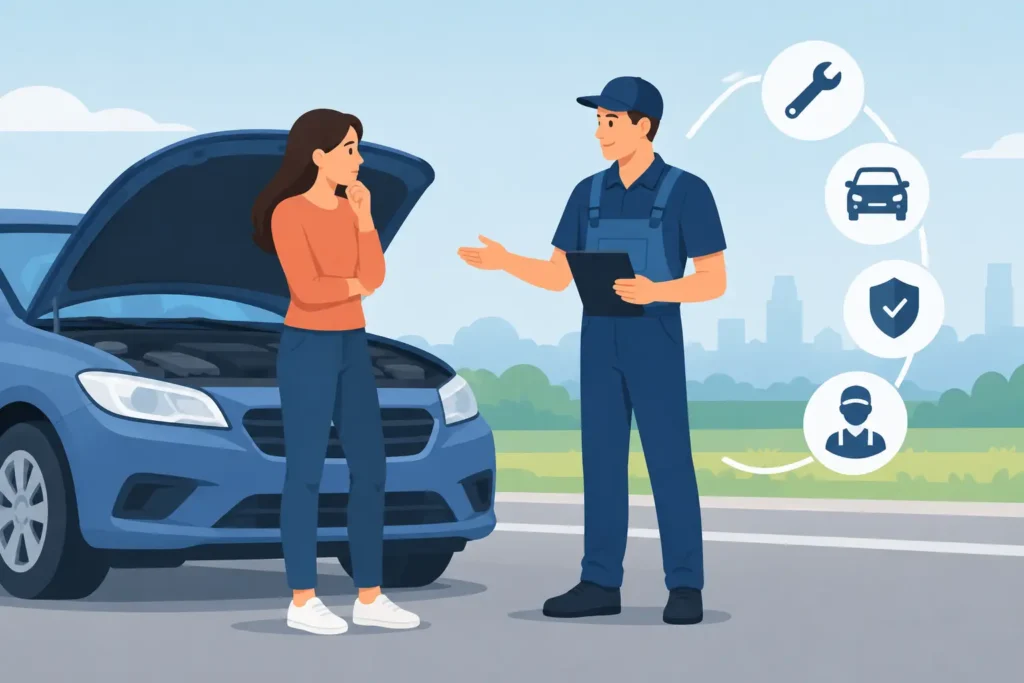
When the service is done properly, the process feels calm and straightforward even if the situation is stressful. The first part is getting the right information over the phone. That allows the tow operator to send suitable equipment and give a realistic ETA and price before dispatch.
The second part is careful loading. That means checking access, choosing the safest angle, managing clearance, and securing the vehicle properly for the trip. On speciality jobs, there is often no value in rushing the first five minutes if it creates risk for the next fifty.
The third part is transport and delivery. A professional operator should know where the vehicle is going, confirm any site access issues, and unload it with the same level of care used at pickup. Whether the destination is a mechanic, a dealership, a panel shop for assessment, or your home, the standard should stay the same.
For Melbourne drivers, that consistency matters because breakdowns rarely happen in ideal places. They happen on school runs, before work, after dark, in shopping centre car parks, and on suburban streets where traffic and access can complicate what should be a simple tow.
Speciality vehicles need the right equipment, not just availability
A truck being available does not automatically mean it is suitable. Modern flatbed equipment gives better control for many speciality vehicles, but the setup still has to match the job. Tie-down systems, winches, ramp approach, and loading accessories all play a part.
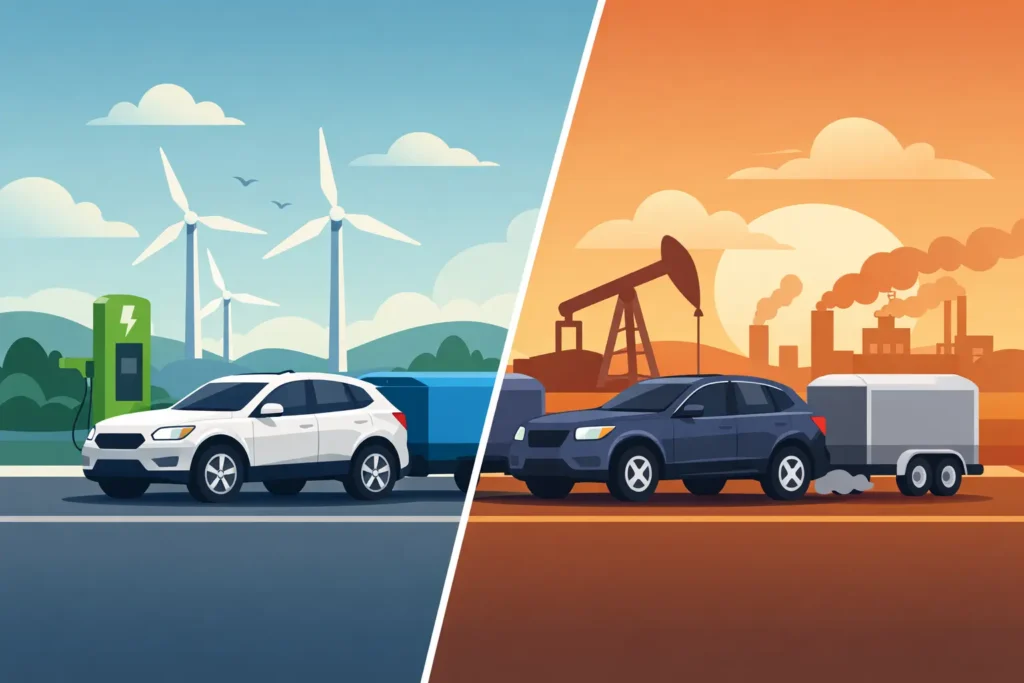
This is especially relevant for EVs and hybrids. These vehicles can have very different towing requirements depending on make, model, and fault condition. If the car will not power on, cannot be shifted into neutral, or has battery-related issues, the operator needs to know that before arrival. Safe handling starts with proper assessment, not assumptions.
The same goes for motorcycles and prestige vehicles. Cosmetic damage matters. Underbody damage matters. Wheel and suspension protection matters. For many owners, the tow is not just about getting from A to B. It is about avoiding a second problem while dealing with the first one.
When fast service still needs to be careful
There is a common trade-off in emergency towing: speed versus care. In reality, a good breakdown specialist should be able to deliver both, but that depends on the job.
If your vehicle is a standard passenger car with a simple non-start issue, the process may be straightforward. If it is a lowered car in a difficult driveway or an EV with a fully flat system, extra time on site may be necessary. That is not poor service. That is proper handling.
What drivers usually want is not reckless speed. They want a fast response, a realistic ETA, upfront pricing, and confidence that the operator knows what they are doing. Clear communication matters as much as the truck itself because uncertainty is often the most frustrating part of a breakdown.
That is why many Melbourne drivers prefer a provider focused on breakdown towing rather than one splitting attention across accidents, impounds, and recovery work. The operational focus is different. The questions are sharper, the process is cleaner, and the job is treated like a transport task that needs care rather than a generic tow.
How to choose speciality vehicle towing Melbourne can rely on
If you need help now, keep the decision simple. Ask whether the operator handles breakdown towing regularly, whether they use flatbeds for speciality vehicles, and whether they can give you a clear price and ETA before dispatch. Tell them exactly what the vehicle is, what fault has occurred, and whether there are access issues.
If the vehicle is an EV, hybrid, motorcycle, classic, or lowered performance car, say so straight away. If it is stuck in a basement, has a locked transmission, or cannot roll, mention that too. Those details are not minor – they often determine whether the tow is routine or specialised.
For Melbourne conditions, local knowledge also helps. Suburban access, inner-city parking constraints, after-hours workshop drop-offs, and longer transport across Greater Melbourne all affect the job. A local operator who does this every day is usually better placed to manage those details without turning them into surprises.
Onigo Towing is built around that kind of work – fast breakdown response, careful flatbed handling, and clear pricing before the truck is sent.
When your vehicle is not something you want loaded by guesswork, the best towing choice is usually the one that asks the right questions before it arrives. A careful tow may only take a few minutes longer, but it can save you from days of extra repairs, insurance headaches, and avoidable stress.