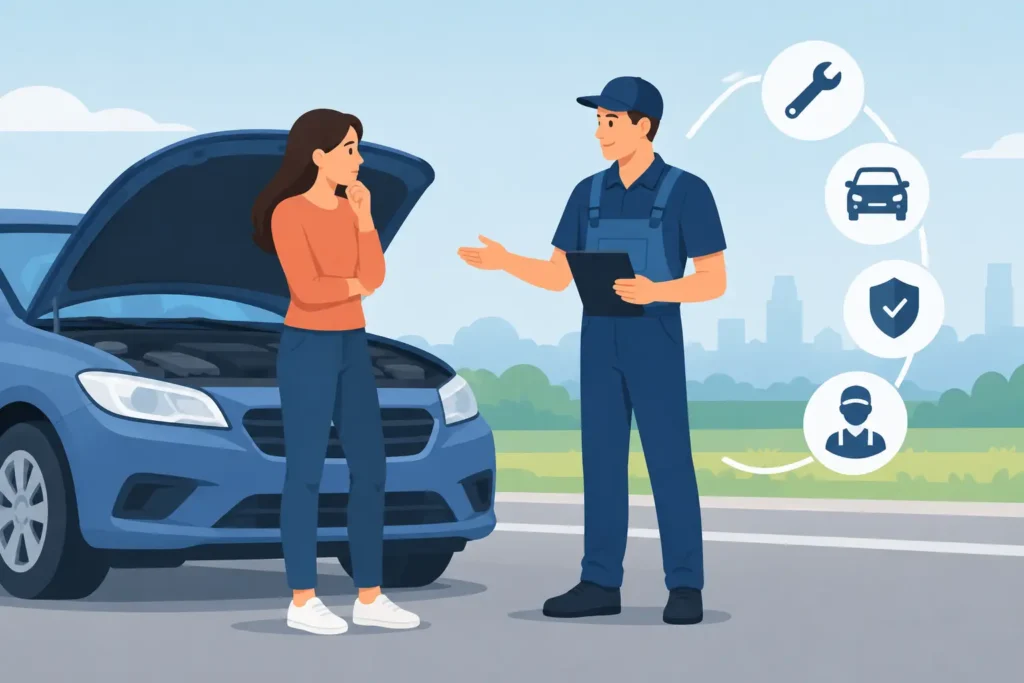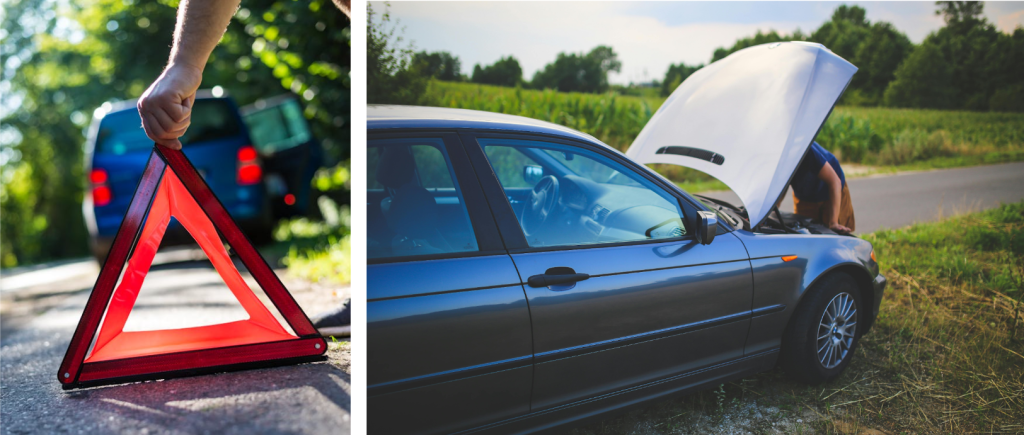
A car that will not start in your driveway is one problem. A breakdown that leaves you needing long distance car towing to another suburb, regional workshop or interstate destination is a different one altogether. The distance raises the stakes – not just on cost, but on timing, handling and who you trust to move the vehicle properly.
When drivers call for a longer tow, they are usually already dealing with enough. The car may have suffered a major mechanical failure. The local workshop may not be the right fit. You might need the vehicle taken back home, to a specialist mechanic, or to another city where parts and repairs are already arranged. In those moments, the towing side should feel clear, not confusing.
When long distance car towing makes sense
Not every breakdown needs a short trip to the nearest workshop. In many cases, a longer tow is the safer and cheaper call overall. If your preferred mechanic knows the vehicle history, sending it there can avoid duplicate inspection costs and wasted time. That matters with European cars, performance vehicles, EVs, hybrids and light commercial vehicles where the wrong workshop can slow everything down.
There are also practical reasons. Some breakdowns happen late at night, on weekends or well outside business hours, when local repair options are limited. If the vehicle is stuck somewhere unsafe or inconvenient, moving it directly to the right destination can save you from arranging a second tow later.
For business owners, the logic is even simpler. If a van or ute is off the road, downtime costs money. Getting it to your regular repairer, fleet yard or depot in one move often beats piecing together a temporary fix.
What matters most in a long-distance tow
Distance matters, but it is not the only thing that affects the job. The type of vehicle, the nature of the fault and the loading conditions all play a part.
A car with steering or brake issues needs more care than one with a simple non-start. A lowered vehicle, EV or prestige car may need specific loading angles, soft straps or flatbed transport to avoid damage. A van in an underground car park presents a different challenge from a sedan sitting on the shoulder of a freeway.
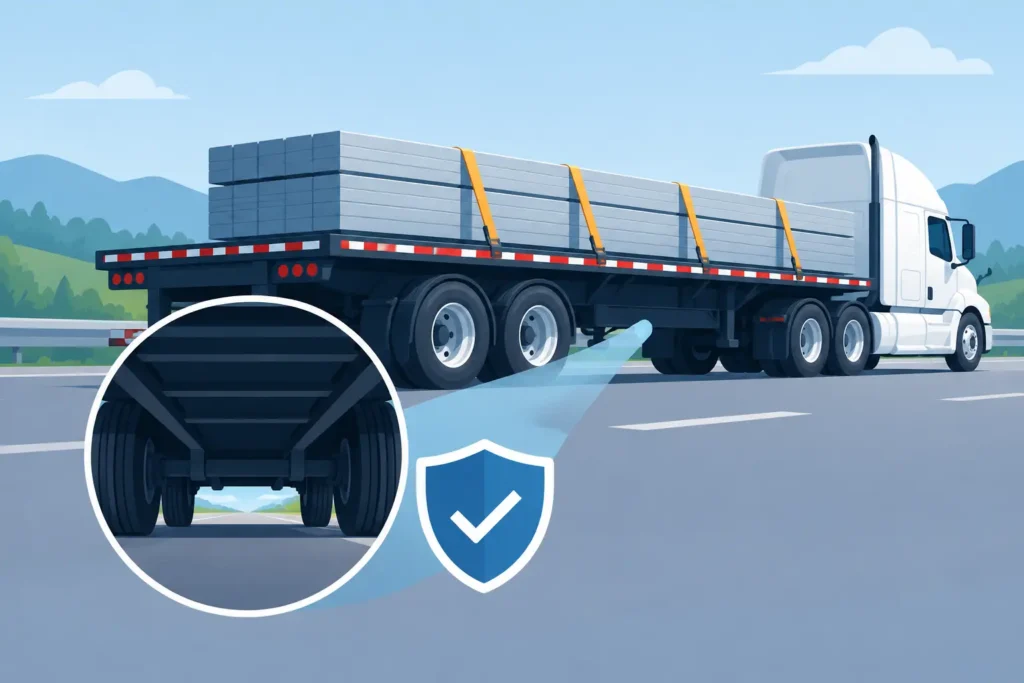
This is where experience matters. Long-distance towing is not just about getting from point A to point B. It is about securing the vehicle properly for a longer trip, planning the route, managing weight and access, and reducing the risk of movement or handling damage along the way.
Flatbed vs other towing methods
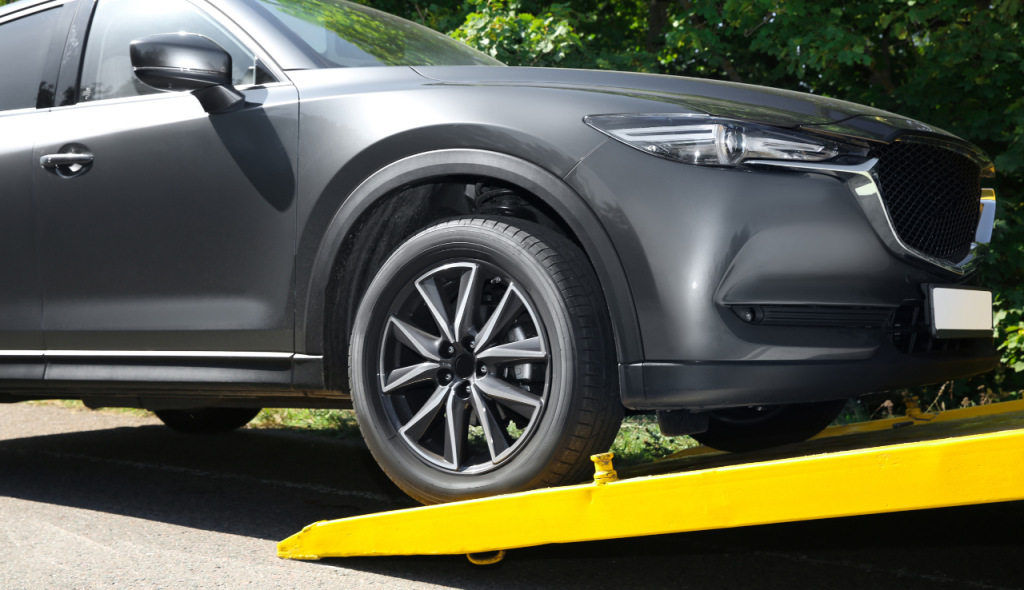
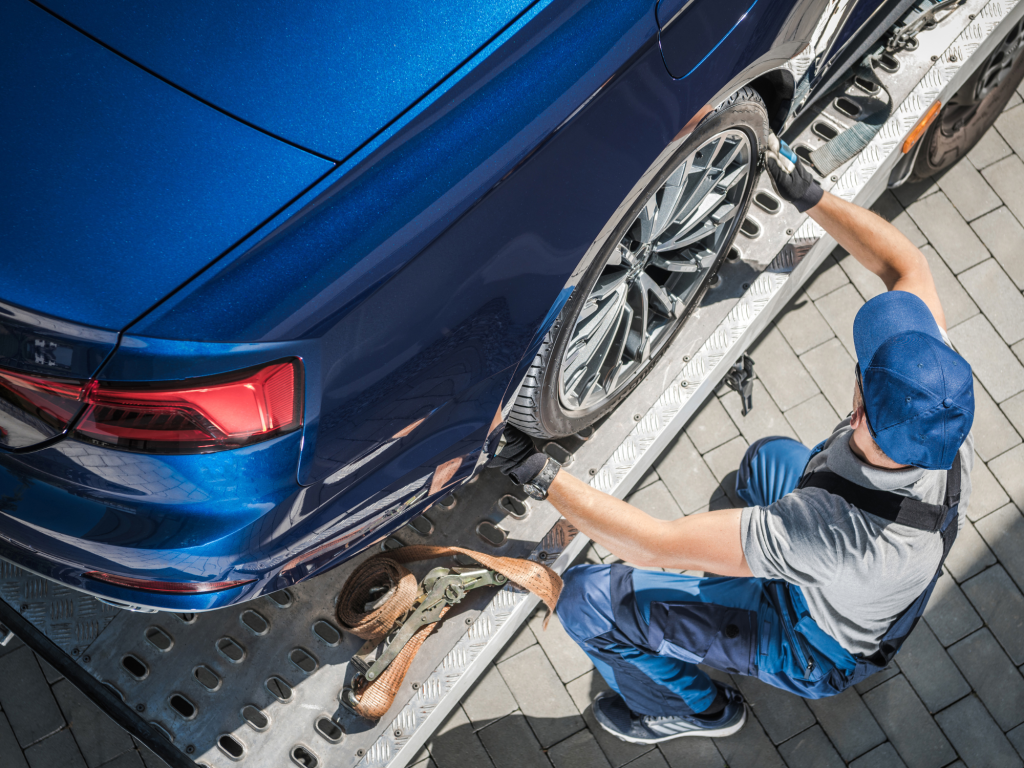
For longer trips, flatbed towing is usually the better option. It keeps all four wheels off the road, which reduces wear and protects vehicles with drivetrain issues. It is also the preferred method for EVs, all-wheel drive vehicles, motorcycles and cars with low clearance.
Other methods can suit certain short-distance situations, but the trade-off becomes more obvious as distance increases. The longer the tow, the less room there is for compromise on vehicle support and stability.
How pricing usually works
One of the biggest concerns with long distance car towing is cost. That is fair. When you are already dealing with a breakdown, the last thing you want is vague pricing or surprises after the job.
In most cases, pricing is based on a combination of call-out location, total distance, vehicle type and complexity. Time of day can also affect the quote, especially for after-hours dispatch. If the vehicle cannot roll, steer or brake normally, that may change the loading time and equipment needed.
The cheapest quote is not always the best value. A low number can hide shortcuts, unclear conditions or poor communication. For a longer tow, transparency matters more than ever. You want to know the price before dispatch, what is included, and whether the operator has the right equipment for your vehicle.
If you own a higher-value car, motorcycle or EV, ask direct questions. Will it be moved on a flatbed? How is it secured? Are there any extra fees for distance, tolls or difficult access? A professional operator should answer clearly, without dancing around it.
Timing and availability
Long-distance jobs need more coordination than a quick local tow, but that does not mean the process should feel slow. What usually helps most is clear communication from the start.
A good towing operator will ask where the vehicle is, what condition it is in, where it needs to go and whether there are any access issues. From there, you should get a realistic ETA and a straightforward outline of the job. Not a guess. Not a vague window that keeps shifting.
Traffic, weather and distance can affect timing, especially around Melbourne and on regional routes. That is normal. What matters is whether you are kept informed. When your car is going a long way, silence is what creates stress.
Interstate towing is not the same as a local breakdown tow
Some jobs start in Melbourne and end across state lines. Others involve bringing a vehicle back from regional Victoria or further out. These jobs need a bit more planning, particularly if the drop-off point has restricted access or if someone needs to receive the vehicle on arrival.
The same principles still apply. Safe loading, proper restraint, a realistic schedule and clear communication matter far more than flashy promises. If the operator mainly handles accident scenes, impounds and recoveries, long-distance breakdown transport may not be their sharpest service. A breakdown-focused towing provider is often better set up for the job.
Choosing the right towing company
When your vehicle needs to travel a long way, the towing company you choose has more impact than most people realise. This is not just transport. You are handing over a vehicle that may already be vulnerable, immobile or expensive to repair.
Start with the basics. Are they available when you need them? Do they explain the process clearly? Can they give you an upfront price before dispatch? Those three things weed out a lot of poor operators quickly.
Then look at fit. A company that regularly handles breakdown towing for cars, motorcycles, vans, utes, EVs and speciality vehicles is more likely to understand the practical differences between them. That matters when loading angles, tie-down points and battery-related risks are involved.
Local knowledge also helps. A Melbourne-based operator who knows the roads, traffic patterns, workshop locations and suburban access challenges can usually manage the job more smoothly than a service trying to do everything from everywhere.
What to do before the tow truck arrives
If the vehicle is in a safe place and you have time, a few simple steps can make the process easier. Remove valuables, gather your keys and let the towing operator know about any issues that could affect loading, such as a flat battery, locked steering, low body kit or damaged tyres.
If you are sending the vehicle to a mechanic, have the exact address ready. If it is going home, make sure there is space for unloading. Small details save time, and on a long-distance tow, time matters.
If you are unsure whether your car needs special handling, say so. It is better to mention it early than assume it will be fine. This is especially true for EVs, hybrids, prestige cars and motorcycles.
Why careful handling matters more over distance
A poor tow can create a second problem after the first one. Scraped bumpers, damaged wheels, unsecured loads and rushed unloading are all avoidable, but only if the operator treats the job properly from the beginning.
That is why careful breakdown towing is not just about speed. It is about loading the vehicle correctly, protecting it in transit and making sure the handover at the destination is just as controlled as the pickup. For a longer trip, that level of care matters even more because there is simply more road, more time and more opportunity for something to go wrong if corners are cut.
For Melbourne drivers, the best long-distance towing service is usually the one that keeps things simple – quick response, honest pricing, proper equipment and clear updates from pickup to drop-off. If a breakdown has already disrupted your day, the tow should be the part that restores some control. That is exactly how it should feel.