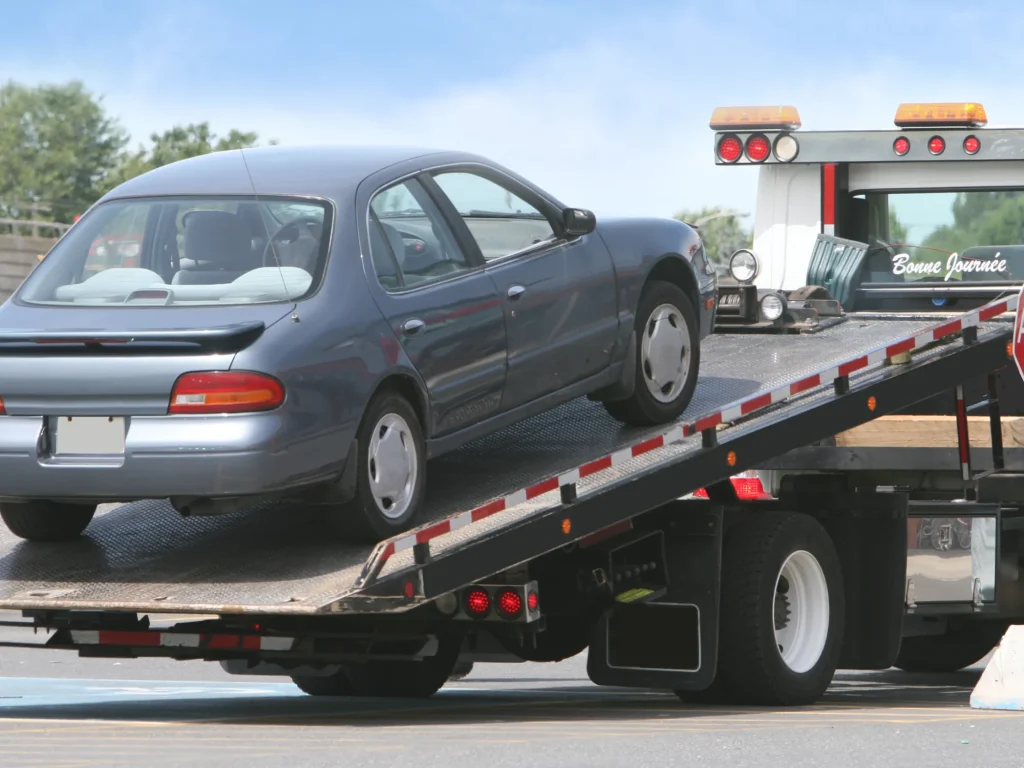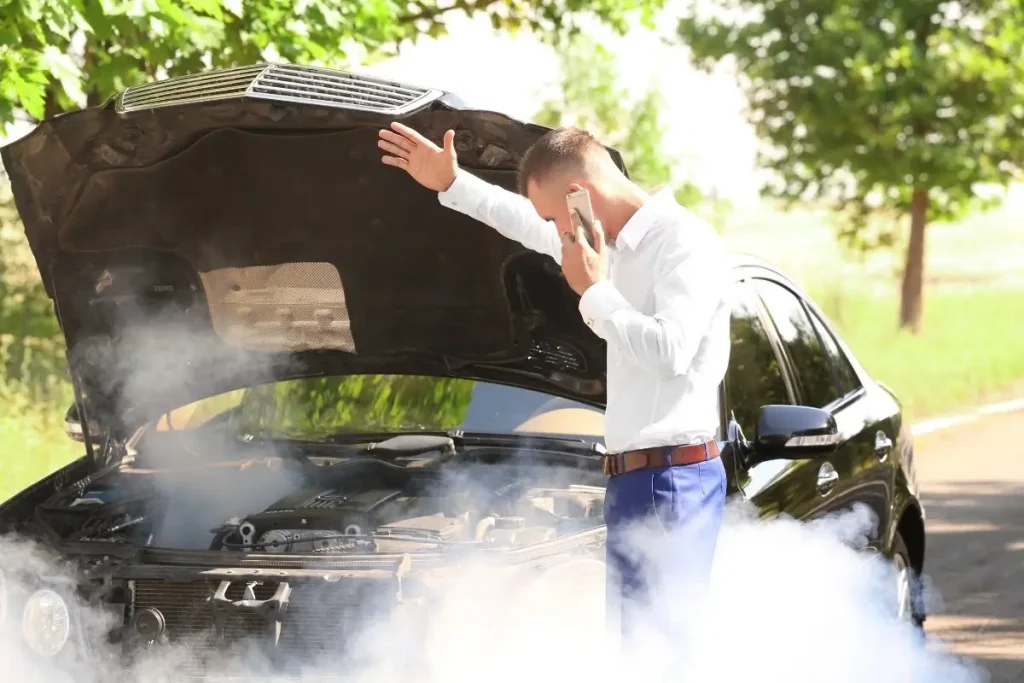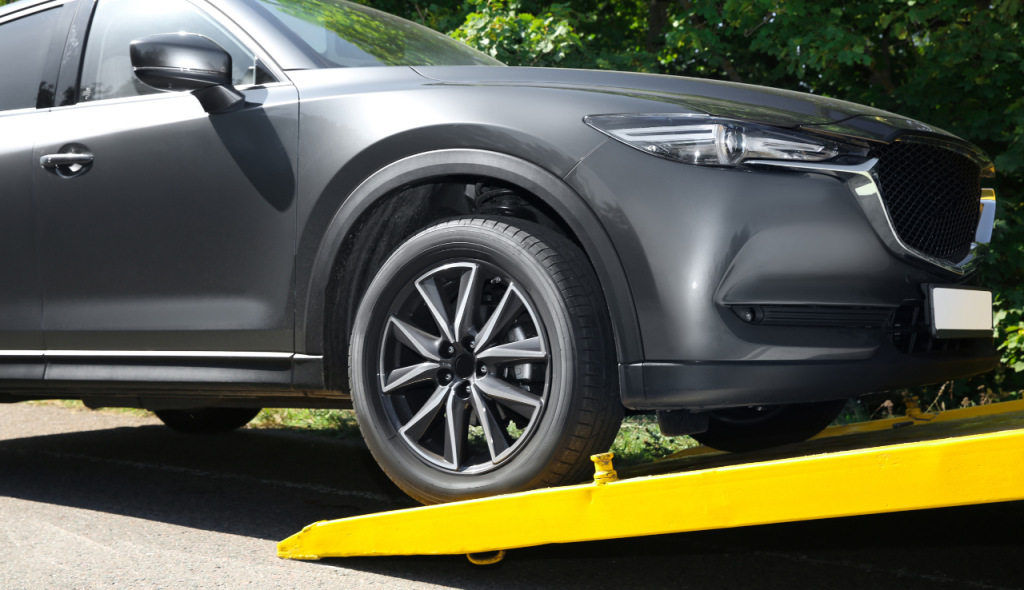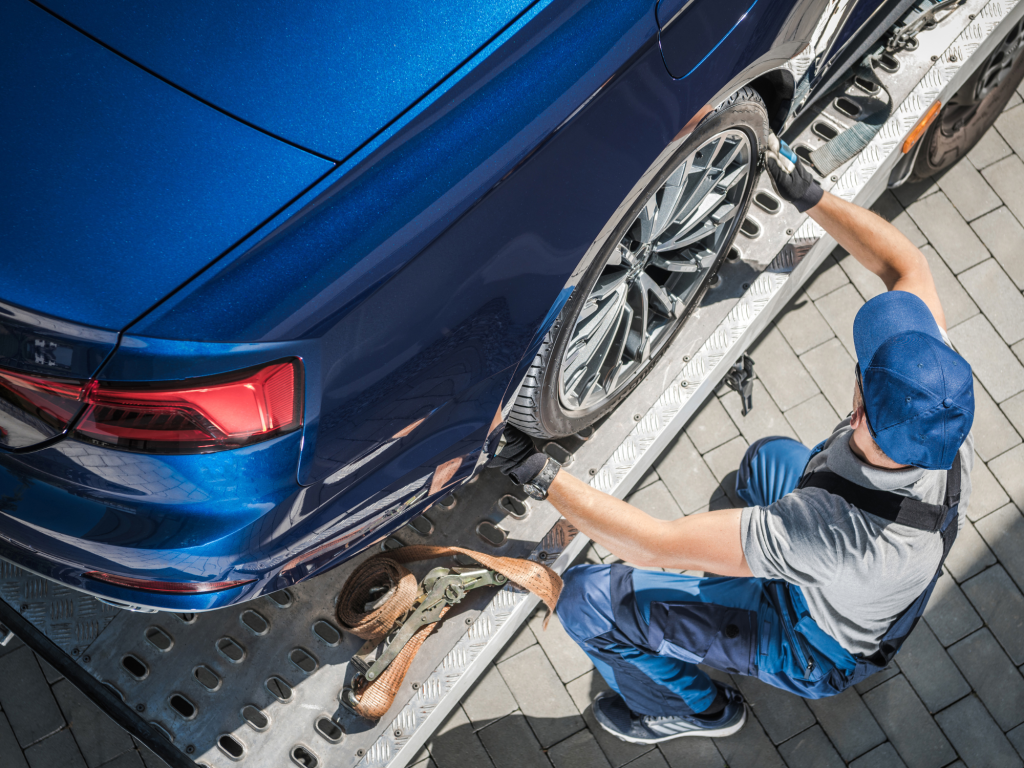
For tow truck costs in Melbourne, there is no single rate card and no government price list for breakdown towing.
Operators set their own prices, and they vary.
Generally, most breakdown tows in Melbourne fall somewhere between $150 and $400, depending on distance, time of day, and what you’re driving.
But that range is wide and can be fairly confusing.
So let’s walk through what shapes the price of a tow in Melbourne, the real factors that push it toward $150… or closer to $400.
How Much Does a Tow Truck Cost in Melbourne?
There’s no single rate that all operators charge, and quotes for the same job can differ by $100 or more.
Most operators charge a base fee that covers a short initial distance.
Beyond that, they add a per-kilometre rate.
The time of day, what you’re driving, and where the tow truck needs to go all factor in the final number.
As a general guide, here’s what most Melbourne drivers can expect to pay for a standard passenger vehicle:
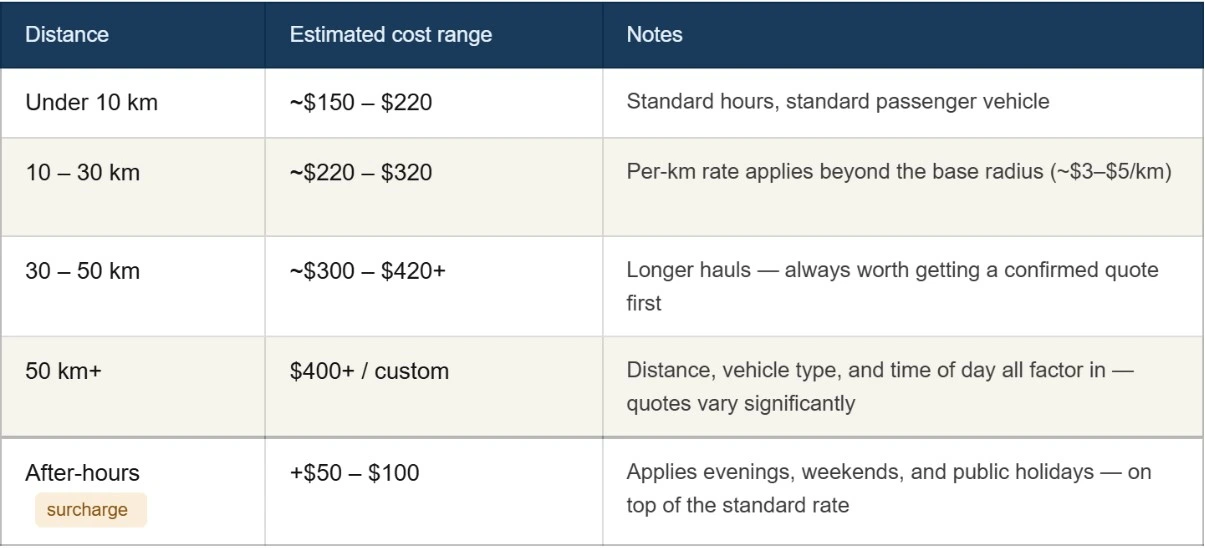
Note: These are market estimates for breakdown towing of a standard car during business hours. Your actual cost will depend on distance, vehicle type, time of day, and the operator you call. Always get a confirmed price before the truck is dispatched.
If you’re in Greater Melbourne and need a quote now, Onigo’s team is available 24/7. We provide upfront pricing, no surprises. Call +61 413 432 976.
Breakdown Towing vs Accident Towing in Melbourne
Towing services in Australia are often split into two: breakdown towing and accident towing.
These are regulated differently in Victoria.
Accident towing
As its name implies, this towing service involves removing a vehicle from a crash scene.
It is regulated under the Accident Towing Services Act 2007, which requires operators to be licensed.
The fees in the Melbourne Greater area are set by the Essential Services Commission.
The current regulated base fee covers the first 8 km of towing and sits at around $272.80, with a per-kilometre rate applying beyond that.
Breakdown towing
Breakdown towing handles removing vehicles that have had a mechanical failure, a non-start, or a flat tyre that needs to be transported to a mechanic.
It’s deregulated in Victoria, meaning prices are set by the operator and can vary significantly.
Because breakdown operators aren’t constrained by the accident towing roster system, they can often respond faster for non-accident callouts. It also means the quote you get will reflect the market rather than a fixed schedule, which is why getting a price upfront before anyone dispatches a truck matters.
What Factors Affect Tow Truck Costs in Melbourne?
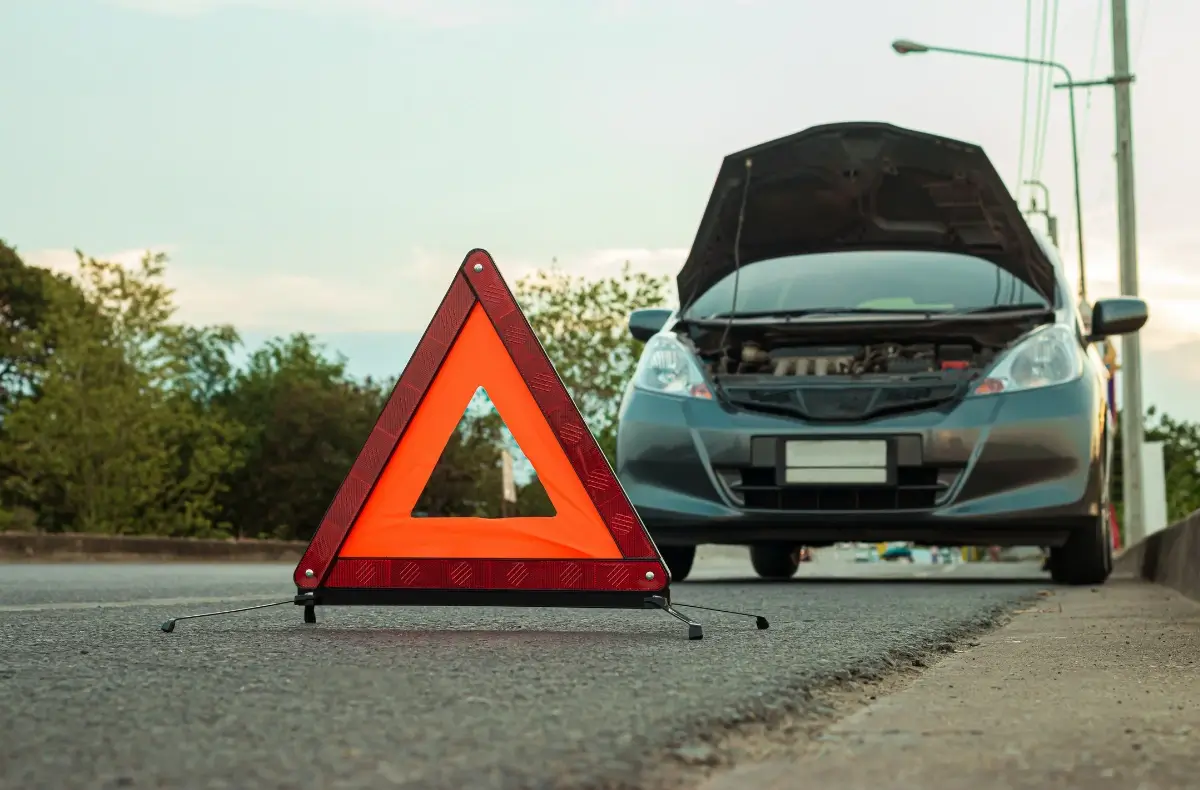
The circumstances of a car breakdown will vary per vehicle, and some of those circumstances will factor into your tow truck costs.
Here’s what operators consider when quoting a job.
Distance
Tow truck operators often calculate the distance across two legs:
- how far the truck needs to travel from their depot to reach you
- how far you need the car taken to its destination
As mentioned earlier, a standard base fee covers the first initial kilometres, with a per-kilometre rate applied beyond that.
It is usually somewhere in the $3 to $6 per km range, depending on the operator and vehicle type.
To give you a clearer picture, here’s an example. If you break down in Dandenong and need your car taken to a mechanic in Richmond, you’re looking at roughly 45 km of travel. That would be a very different cost if you were to break down in Carlton and have your car towed to Fitzroy, 5 km away.
Time of Day and Day of the Week
Most towing operators in Melbourne apply surcharges for after-hours jobs, which can typically be anything from 5 pm on weekdays, weekends, and public holidays.
You can expect these surcharges to add generally around $50 to $100 on top of the standard rate.
In practice, that means the same 15 km tow that costs around $200 on a Wednesday afternoon could be closer to $280 at 11 pm on a Saturday night.
It’s not a hidden cost, and a reliable operator will tell you upfront.
Vehicle Type and Size
A standard sedan is the baseline for most quotes.
If you have a larger vehicle, such as an SUV, 4WD, or commercial vans, you can expect a higher quote because of the additional equipment and load involved.
This cost is usually around 20 to 25% above a standard car rate.
Motorcycles typically sit at the lower end of the pricing range due to their size and weight, though they do require specific tie-down equipment and care during loading.
Electric vehicles and hybrids are a specific case.
Because EVs can’t be towed with the wheels down (it risks damaging the drivetrain or battery management system), they require flatbed towing with zero-contact loading.
So, if you’re driving a Tesla, BYD, or any other EV or hybrid, confirm the operator has a flatbed and is EV-certified before booking.
At Onigo, we have specialised flatbed trucks for jobs like these to ensure your vehicle is safely transported to its destination.
Accessibility and Location
A vehicle on a standard street or road shoulder is a straightforward pickup. But when your car is in an underground car park, a narrow laneway, on a steep driveway, or one that can’t roll or steer, that makes the job more challenging.
Specialist equipment may be needed, and most operators will apply an additional charge of $50 to $200, depending on the complexity.
So, if you’re in a tricky spot, don’t forget to mention it when you call.
A good operator will factor it into your quote upfront rather than let you find out when the truck arrives.
It will also help the operator prepare the tools they might need to do the job right.
Storage Fees
Unlike many tow services, many mechanic shops don’t stay open 24/7.
And if your mechanic is closed at the time of your tow, the tow operator may store your vehicle in their yard until it can be delivered.
Most operators charge a daily storage fee for this, which can range from around $30 to $80 per day, depending on whether it’s undercover or not. It’s worth asking about when you call, particularly if you’re arranging a tow outside business hours.
Is Towing Covered by Insurance or Roadside Assistance in Victoria?
The costs of a tow on top of a broken car can be frustrating to think about. But, depending on your policy or membership, there is a chance you may not have to pay for a tow at all, or at least not the full amount.
So it’s worth understanding what you have before you’re standing on the side of Punt Road trying to work it out.
Comprehensive Car Insurance
Most comprehensive car insurance policies in Victoria include some form of emergency towing cover. This means the insurer will pay for your car to be towed to the nearest repairer after a breakdown or accident.
The catch is that the details vary significantly between policies.
- Some policies cap the towing distance. For example, some only cover up to 20 km or to the nearest authorised repairer.
- Other policies are situational. They may only cover towing if the car is damaged in an accident rather than a mechanical breakdown.
- A few that include unlimited towing as part of roadside assistance bundled with the policy.
The only reliable way to know what you’re covered for is to check your Product Disclosure Statement before you need it.
Look specifically for the words ’emergency towing’ and note any distance limits or conditions around destination choice.
Roadside Assistance Memberships
For Victorian drivers, the Royal Automobile Club of Victoria (RACV) is one of the most trusted roadside assistance providers.
Their standard memberships include towing to the nearest affiliate repairer if a roadside fix isn’t possible, typically within a limited distance from the breakdown location.
If you are a premium tier member, your tow can be extended for longer-distance transport or even to your home.
However, these roadside memberships are limited by their towing distance.
What if your car breaks down in Frankston and your mechanic is all the way in the CBD?
In such cases where you need your vehicle taken further than your plan covers, you’ll have to pay the difference between what your plan covers and the actual cost of the job.
How to Make Sure You’re Getting a Fair Quote
Breakdown towing being deregulated means there’s no standard rate card. It also means no industry body is checking that every operator plays fair.
So, it’s on you to ask the right questions.
- Get a confirmed price before dispatch
Ask about the total cost, including any after-hours or vehicle surcharges. If they won’t quote upfront, move on. - Ask what’s in the base fee
Ask specifically whether the truck travelling to your location is included or billed separately. - Confirm the operator is insured
No licensing requirement exists for breakdown towing, so it’s worth asking directly. - Choose your own destination
You decide where the car goes. An operator pushing you toward a specific repairer is a red flag.
If you do end up in a dispute over charges, Consumer Affairs Victoria is the right place to start.
Conclusion: Know What You’re Paying For Before You Commit
Towing prices in Melbourne vary, and the difference between a fair quote and an expensive one often comes down to asking the right questions before the truck is dispatched.
Before you need any of this, a few things worth doing now:
- Check your car insurance policy for emergency towing cover, specifically the distance limit and whether mechanical breakdowns are included
- Confirm what your roadside assistance membership covers, if you have one
- Save a trusted towing number in your phone before you’re standing on the side of the road trying to find one
If you do find yourself stranded, our guide on what to do when your car breaks down walks you through the steps from the moment something goes wrong.
Need a tow across Greater Melbourne? Onigo Towing is available 24/7. Call +61 413 432 976 and we’ll confirm the price before anyone is dispatched.