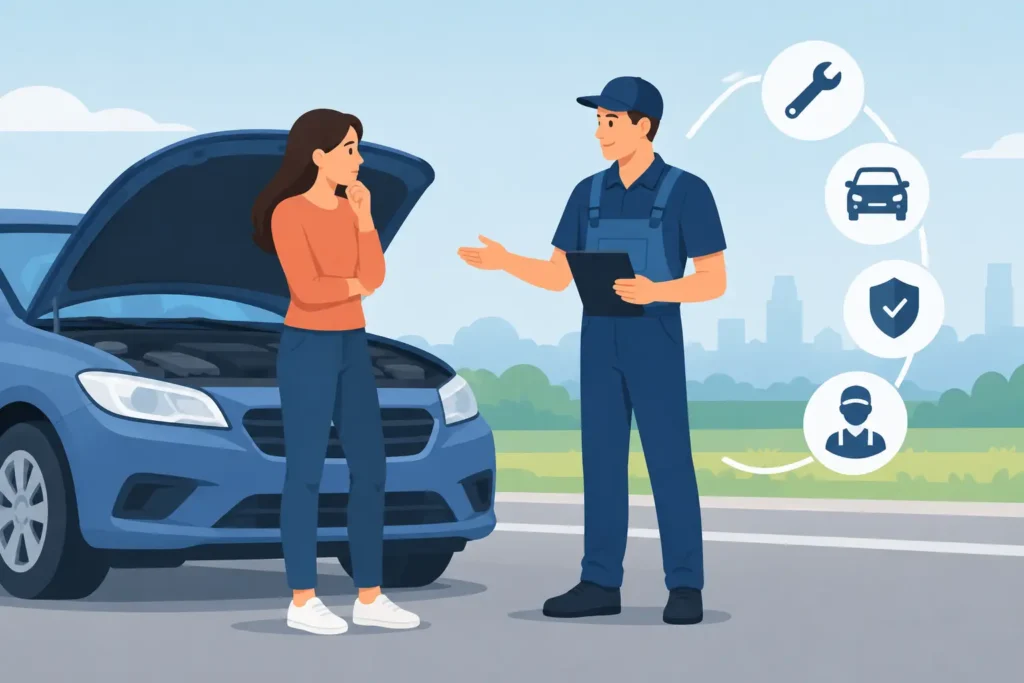
A car can feel perfectly normal on the morning drive, then leave you stranded in a car park, on the shoulder of the Monash or outside your home by the afternoon. The top reasons cars need towing are rarely convenient, but knowing what has gone wrong can help you make a safer decision before a small fault becomes expensive damage.
When a vehicle cannot be driven safely, the priority is not getting it moving again at any cost. It is getting yourself out of danger, protecting the vehicle and arranging transport to the right mechanic, home or other destination. For Melbourne drivers, that often means a flatbed tow rather than a risky roadside fix.
Top Reasons Cars Need Towing
A flat battery or electrical failure
A dead battery is one of the most common reasons for a non-start. You may turn the key or press the start button and hear clicking, see dim dash lights or get no response at all. Leaving interior lights on, an ageing battery and cold mornings can all contribute.
A jump-start may be reasonable if the battery has simply run flat and the car is otherwise operating normally. But it is not always the answer. If the vehicle starts and then stalls, warning lights remain on, or the battery dies again quickly, the issue may be an alternator, wiring fault or electrical drain. Driving in that condition can leave you stranded again, often in a less safe location.
Modern vehicles also have sensitive electronics. Hybrids, EVs and late-model cars should not be treated like older vehicles when it comes to jump-starting procedures. If there is uncertainty about the correct process, towing to a qualified workshop is the safer option.
Engine overheating
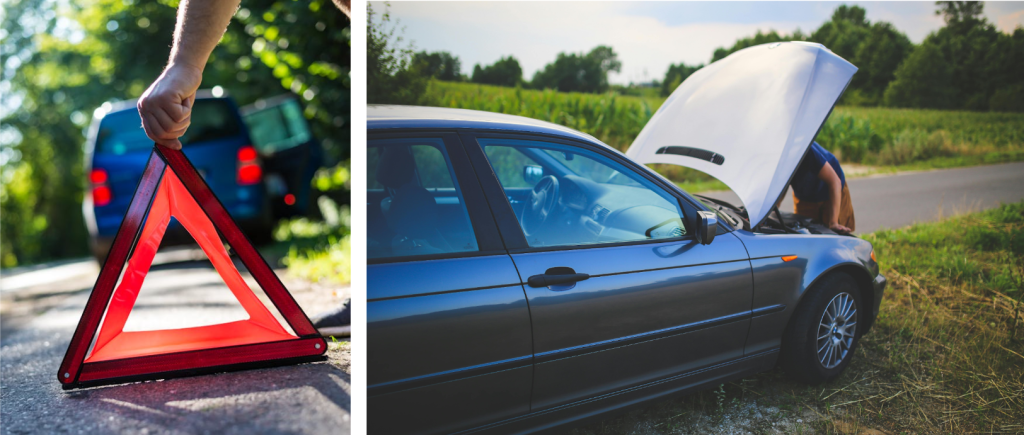
Steam from under the bonnet, a temperature warning light or a coolant smell are clear signs to stop as soon as it is safe. An overheating engine can be caused by low coolant, a leaking hose, a failed thermostat, water pump problems or a cooling fan fault.
Continuing to drive can warp engine components or damage the head gasket. What may have begun as a cooling-system repair can become major engine work. Do not remove the radiator cap while the engine is hot, and do not pour cold water into an overheated engine. Pull over safely, switch the engine off and allow it to cool. A tow lets a mechanic identify the cause without asking the engine to endure more heat.
Flat or damaged tyres without a safe spare
Not every flat tyre requires a tow. If you have a usable spare, the correct tools and a safe place away from traffic, changing the wheel may get you moving. The situation changes when the tyre has shredded, the wheel is bent, multiple tyres are damaged or your vehicle has no spare.
Many newer cars are supplied with a tyre repair kit rather than a full-size spare. These kits only suit limited punctures and cannot fix sidewall damage, a split tyre or a damaged rim. Run-flat tyres can sometimes be driven for a short distance, but only within the manufacturer’s limits. If the tyre has come apart or handling feels unstable, towing protects both the wheel and the suspension.
Mechanical breakdowns that make driving unsafe
A car may still start and move while having a fault serious enough to require towing. Burning smells, loud knocking, grinding brakes, severe vibration, loss of steering assistance or a slipping transmission are not warnings to ignore on the way to the workshop.
Transmission faults are particularly easy to underestimate. Delayed gear changes, revving without acceleration, fluid leaks or a transmission warning light can worsen quickly under load. The same applies to engine oil pressure warnings. If the oil light comes on while driving, stop safely and turn the engine off. Running an engine with low oil pressure can cause severe damage in minutes.
A tow is also the sensible choice when the car has lost power and cannot maintain a safe speed in traffic. Trying to nurse it through busy Melbourne roads can put you and other road users at risk.
Fuel problems and misfuelling
Running out of fuel can occasionally be resolved with a small amount of the correct fuel, provided the vehicle is safely parked and there is no other issue. Misfuelling is different. Putting petrol into a diesel vehicle, or diesel into a petrol vehicle, can cause significant damage if the engine is started or driven.
If you realise the wrong fuel has gone into the tank, do not turn the ignition on. Avoid trying to start the car and arrange for it to be moved to a suitable repairer. The fuel system may need to be drained and inspected before the vehicle is used again.
Contaminated fuel can cause similar symptoms, including rough running, loss of power and a non-start. Towing avoids placing more contaminated fuel through the engine and fuel system.
Keys, immobilisers and steering locks
Sometimes the vehicle itself is mechanically sound, but it cannot be driven. A lost key, faulty key fob, immobiliser issue or steering lock problem can leave a driver stuck without warning. A weak key-fob battery may be simple to replace, but modern keyless systems can have more complex faults.
Do not force the steering wheel, ignition or gear selector. Forcing components can create extra damage and may make loading more difficult. A professional tow operator can assess whether the vehicle rolls freely and use the appropriate equipment to load it carefully.
EV and hybrid faults
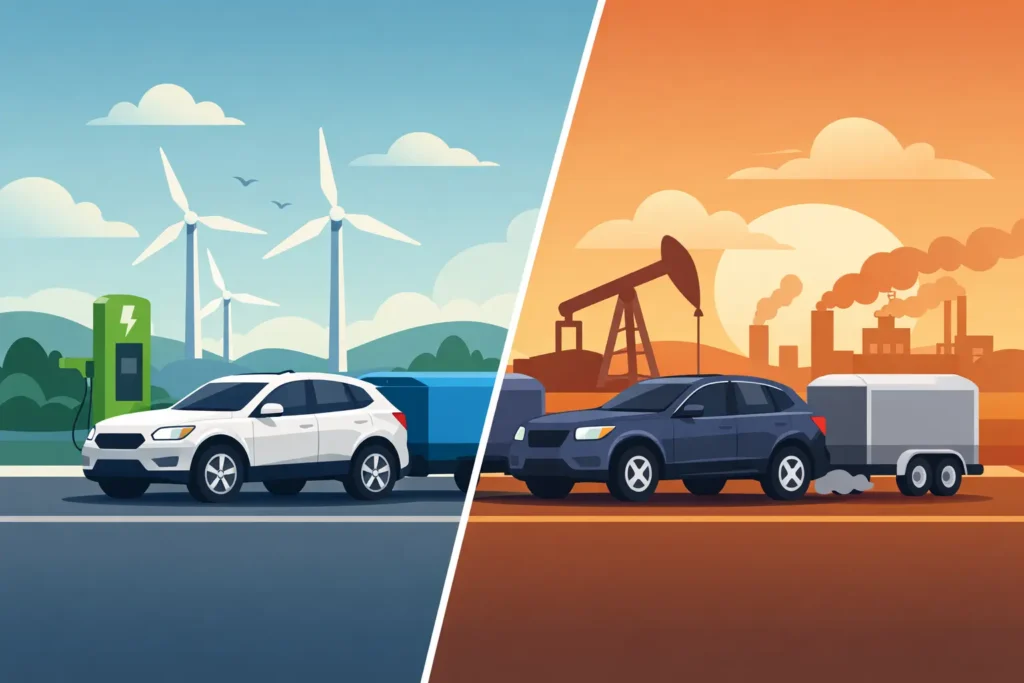
Electric and hybrid vehicles have their own towing considerations. A depleted drive battery, charging-system failure, high-voltage warning, damaged underbody or fault message may mean the car cannot be driven. Some EVs must not be towed with the drive wheels on the road because this can damage the electric motor or drivetrain.
Flatbed transport is often the correct method, but the exact approach depends on the vehicle, its condition and manufacturer guidance. This is one reason to tell the dispatcher that your vehicle is an EV or hybrid when requesting help. The right equipment and loading plan matter, especially for heavier battery vehicles.
When You Should Stop Driving and Call for a Tow
There is a difference between a minor issue and a fault that can cause a crash or major mechanical damage. Stop driving if you see smoke, smell fuel, lose braking or steering performance, have an oil-pressure or overheating warning, or hear a sudden harsh mechanical noise.
You should also arrange a tow if the car cannot hold a safe road speed, keeps stalling, has a wheel that is loose or badly damaged, or has fluid leaking heavily underneath. If you are unsure, it is usually better to treat the vehicle as unsafe until a mechanic can inspect it. The cost of a tow is often far less than the cost of replacing an engine, transmission or EV drivetrain.
If you are stopped on a busy road, move as far from traffic as possible only if the car remains safe to operate. Turn on hazard lights, keep clear of passing vehicles and stand behind a barrier or well away from traffic where practical. On freeways and high-speed roads, personal safety comes first. Do not attempt repairs near moving traffic.
What to Tell the Towing Dispatcher
Clear information helps the right truck arrive with the right equipment. Provide your location, including the nearest cross street, suburb or clear landmark. Explain whether the car starts, rolls and steers, and mention any warnings, leaks, flat tyres or locked wheels.
Tell the dispatcher the vehicle make, model and type, especially if it is an EV, hybrid, lowered performance car, motorcycle, van, ute or light truck. Also confirm where you want it delivered. A breakdown tow can take the vehicle to your preferred mechanic, dealership, home or another safe location, depending on what suits the fault and the time of day.
Ask for the price and estimated arrival time before dispatch. Upfront information makes a stressful situation easier to manage and helps avoid surprises when help arrives.
Why Careful Loading Matters
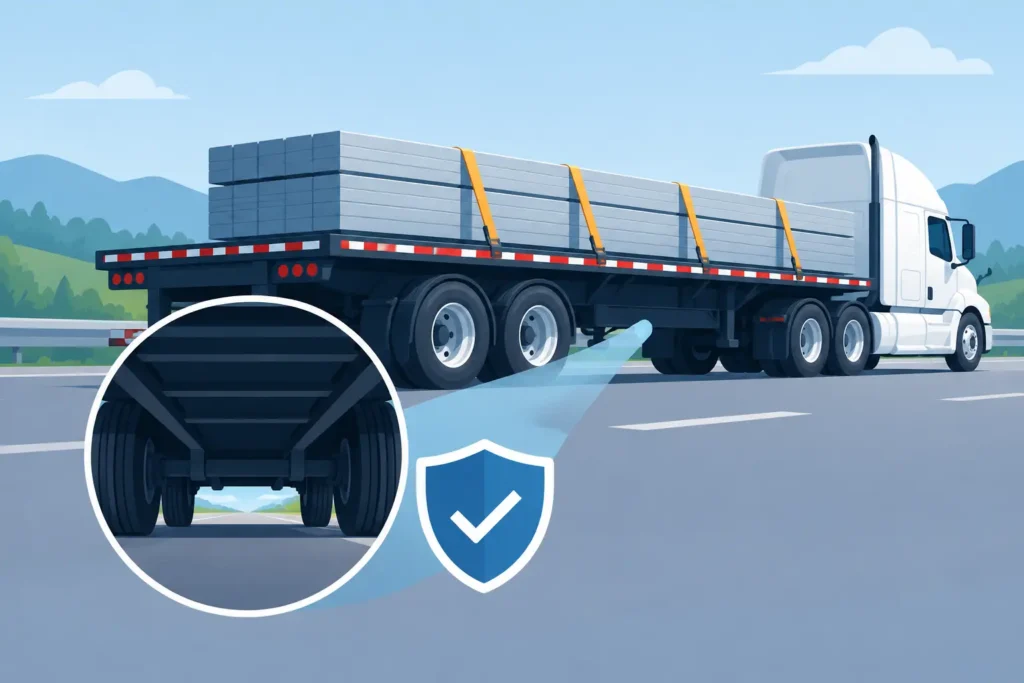
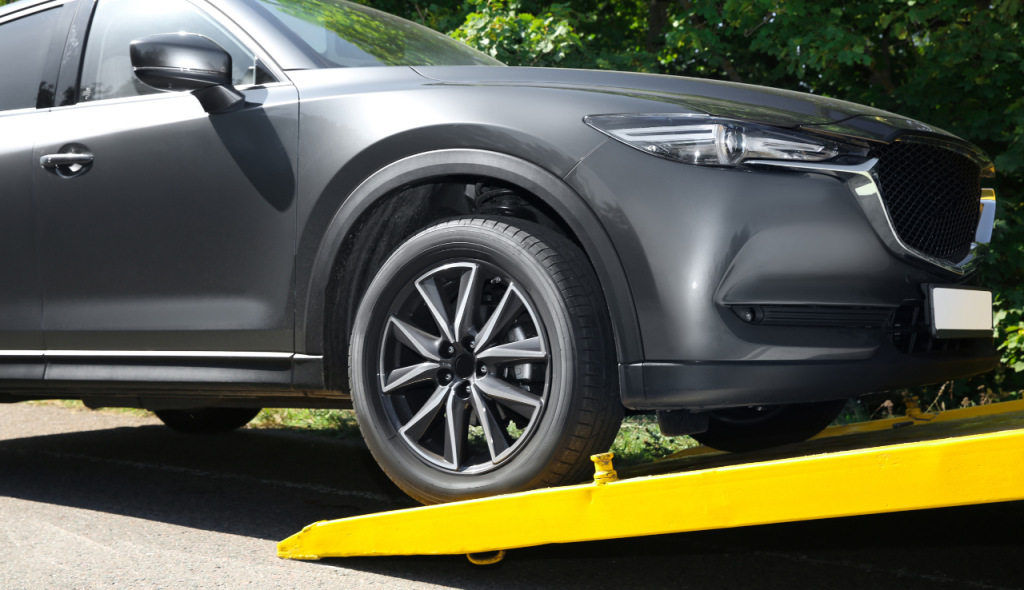
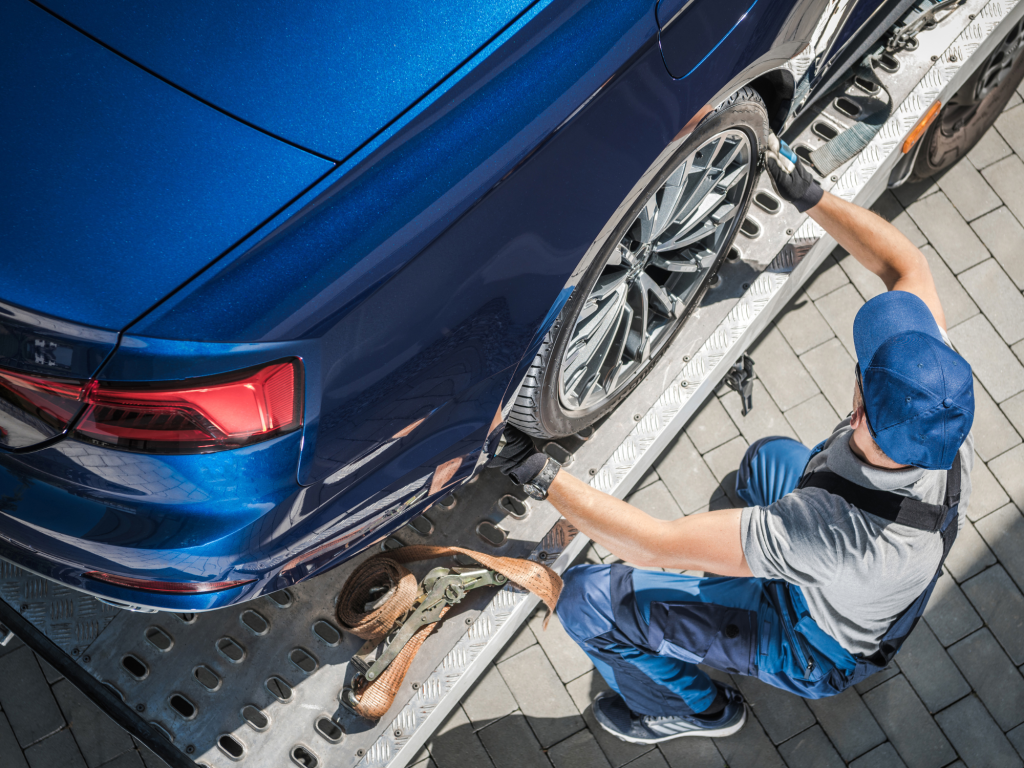
The tow method should suit the vehicle, not simply what is quickest. Flatbed towing keeps all wheels off the road and is often preferred for non-running vehicles, all-wheel-drive cars, EVs, low-clearance vehicles and cars with drivetrain or wheel damage. Correct tie-down points and careful loading reduce the chance of additional damage.
This matters even more when a car cannot be put into neutral, has a locked steering wheel or has suffered a suspension failure. An experienced breakdown towing operator will plan the load rather than forcing the vehicle onto the truck. That care protects your vehicle on the roadside and during transport.
Breakdowns are disruptive, but they do not need to become a bigger problem. Once you are safely stopped, take a breath, avoid guesswork and arrange a suitable tow. For drivers across Greater Melbourne, Onigo Towing can provide clear pricing, an ETA and careful breakdown transport when the vehicle is no longer safe to drive.