A breakdown rarely happens at a convenient time. You might be stopped in peak-hour traffic, stranded outside a customer’s home, or sitting on the shoulder with a car that will not restart. A reliable roadside towing service gives you a clear next step: get the vehicle out of harm’s way and transport it carefully to the right destination.
For Melbourne drivers, the priority is not just finding any tow truck. It is knowing who is coming, when they are expected, what the tow will cost, and whether your vehicle will be handled properly. That matters whether you drive a family car, motorcycle, ute, van, EV, hybrid or a vehicle with low clearance.
When to call a roadside towing service
Call for towing when the vehicle is unsafe or impractical to drive, even for a short distance. A car that will not start after a battery issue may need transport to a workshop if a jump-start will not resolve the fault. The same applies to overheating, major warning lights, steering problems, transmission faults, flat tyres without a usable spare, or a mechanical noise that makes continuing risky.
Some faults can appear minor but become expensive if you keep driving. For example, an overheating engine can suffer serious damage quickly, while driving with low oil pressure can turn a repairable issue into a major engine problem. If you are unsure, stop in a safe place and arrange professional advice rather than trying to push on.
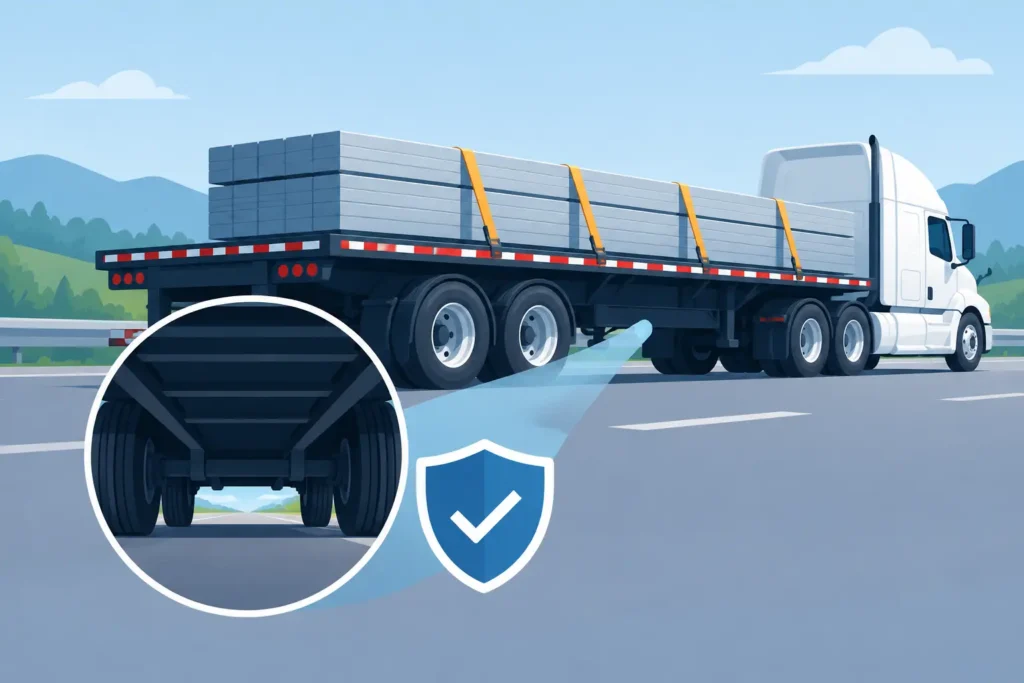
Motorcycles, performance vehicles and EVs need particular care. A motorcycle must be secured with the correct tie-down points and loading method. Low vehicles may require suitable ramps and a flatbed to avoid scraping. EVs and hybrids can have specific transport requirements depending on the fault, the state of charge and the manufacturer’s guidance. Tell dispatch what you drive so the right equipment can be sent.
Breakdown towing is different from accident recovery
Breakdown towing is focused on getting a disabled vehicle safely from where it has stopped to a mechanic, home, dealership or another nominated location. That specialist focus matters when you need a prompt response, clear communication and careful loading after a mechanical failure.
Accident scenes can involve police directions, insurers, road hazards and vehicle recovery work. If your issue is a non-start, dead battery, engine fault or other mechanical problem, a dedicated breakdown towing provider is often better placed to keep the process straightforward.
What to do while you wait for a tow truck
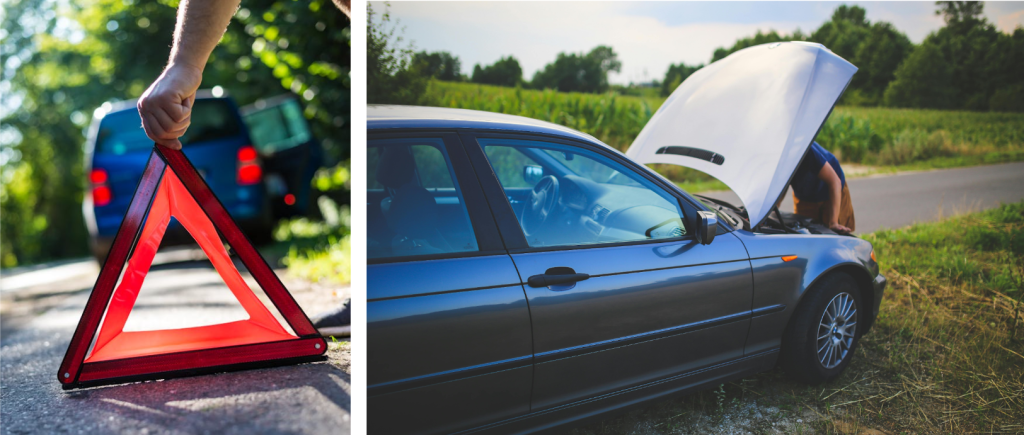
Your safety comes first. If the vehicle can be moved without creating further risk, pull over as far from traffic as practical. Turn on your hazard lights and, if it is safe to do so, move behind a barrier or well away from moving vehicles. On busy roads, remaining inside the vehicle may be safer than standing beside it. Use your judgement based on the road conditions and follow any emergency service instructions.
Avoid opening the bonnet near traffic, changing a tyre on an unsafe shoulder or attempting repairs if you do not have a safe work area. A roadside breakdown can make people feel rushed, but a quick decision in an unsafe spot is not worth the risk.
Before the driver arrives, collect valuables, important documents and any items you will need from the vehicle. If the car is being taken to a workshop after hours, confirm whether the workshop accepts after-hours drop-offs and where keys should be left. It is much easier to organise this before the truck arrives than while the vehicle is being loaded.
What to tell the towing dispatcher
Good information helps a towing provider send the appropriate truck and give you a more accurate ETA and price. Start with your exact location. A street name is useful, but nearby landmarks, the travel direction, freeway exit, service station or cross street can make a real difference when you are on a busy Melbourne road.
Explain the vehicle type, make and model, and mention anything that affects loading. This may include very low ground clearance, a locked wheel, a flat tyre, an automatic transmission issue, an EV, a motorcycle, a van with tools inside, or a vehicle in an underground car park. Also provide the destination and whether it is a home, dealership or mechanical workshop.
Be direct about what happened. You do not need to diagnose the fault. Saying, “It cranks but will not start”, “The temperature warning came on”, or “The gearbox will not select drive” gives the dispatcher useful operational information without guessing at the cause.
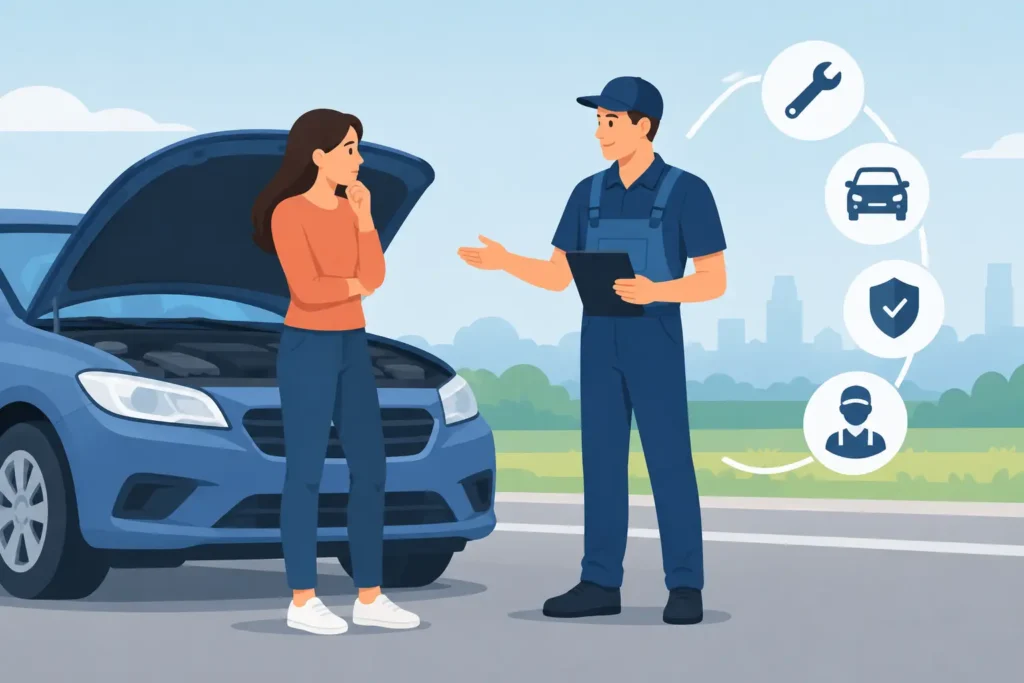
A professional operator should explain the expected arrival window, confirm the towing destination and provide clear, upfront pricing before dispatch where possible. If access, distance or the vehicle condition could affect the quote, that should be discussed plainly rather than becoming a surprise later.
Choosing the right towing method for your vehicle
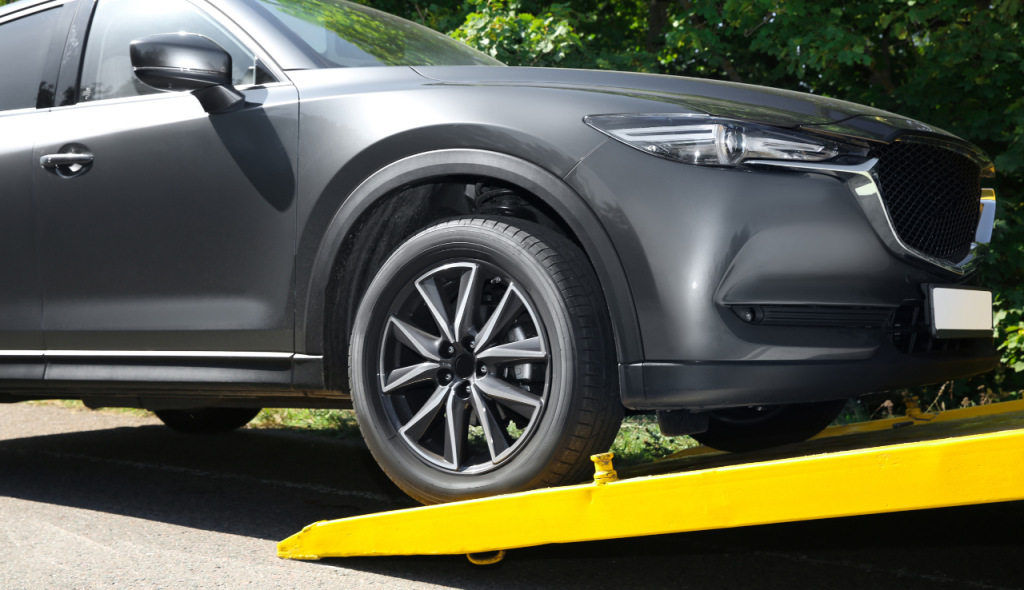
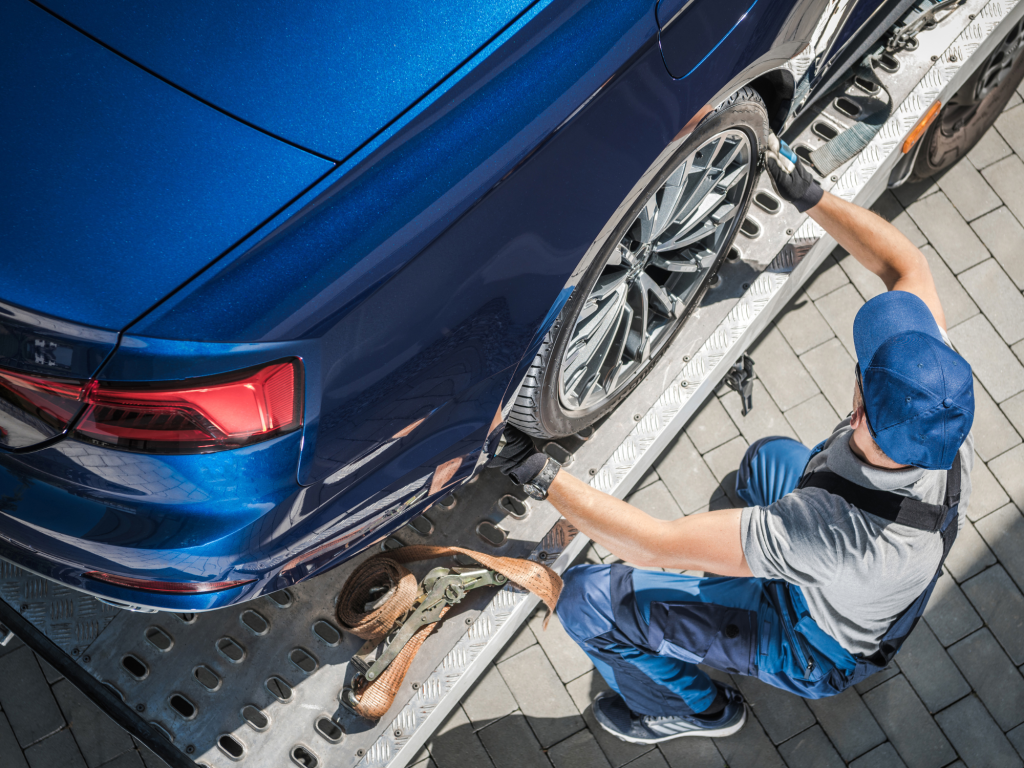
Flatbed towing is often the preferred option for breakdown transport because the entire vehicle is carried off the road. It is particularly suitable for all-wheel-drive vehicles, EVs, prestige cars, low vehicles, motorcycles and cars with a damaged wheel or mechanical fault that prevents normal rolling.
The best method still depends on the vehicle and its condition. A competent towing provider will assess whether the vehicle can roll, whether the steering is unlocked, whether the parking brake is engaged and whether there are any special handling requirements. The goal is not to use one method for every job. It is to use the method that protects your vehicle during loading, transport and unloading.
For owners of specialty or higher-value vehicles, ask how the vehicle will be loaded and secured. Careful ramp positioning, wheel-safe tie-downs and a methodical approach matter more than rushing the process. A few extra minutes spent setting up correctly can prevent avoidable damage.
How a clear towing process reduces stress
When you are stranded, uncertainty is often worse than the breakdown itself. A good roadside towing service should make the process easy to follow from the first call.
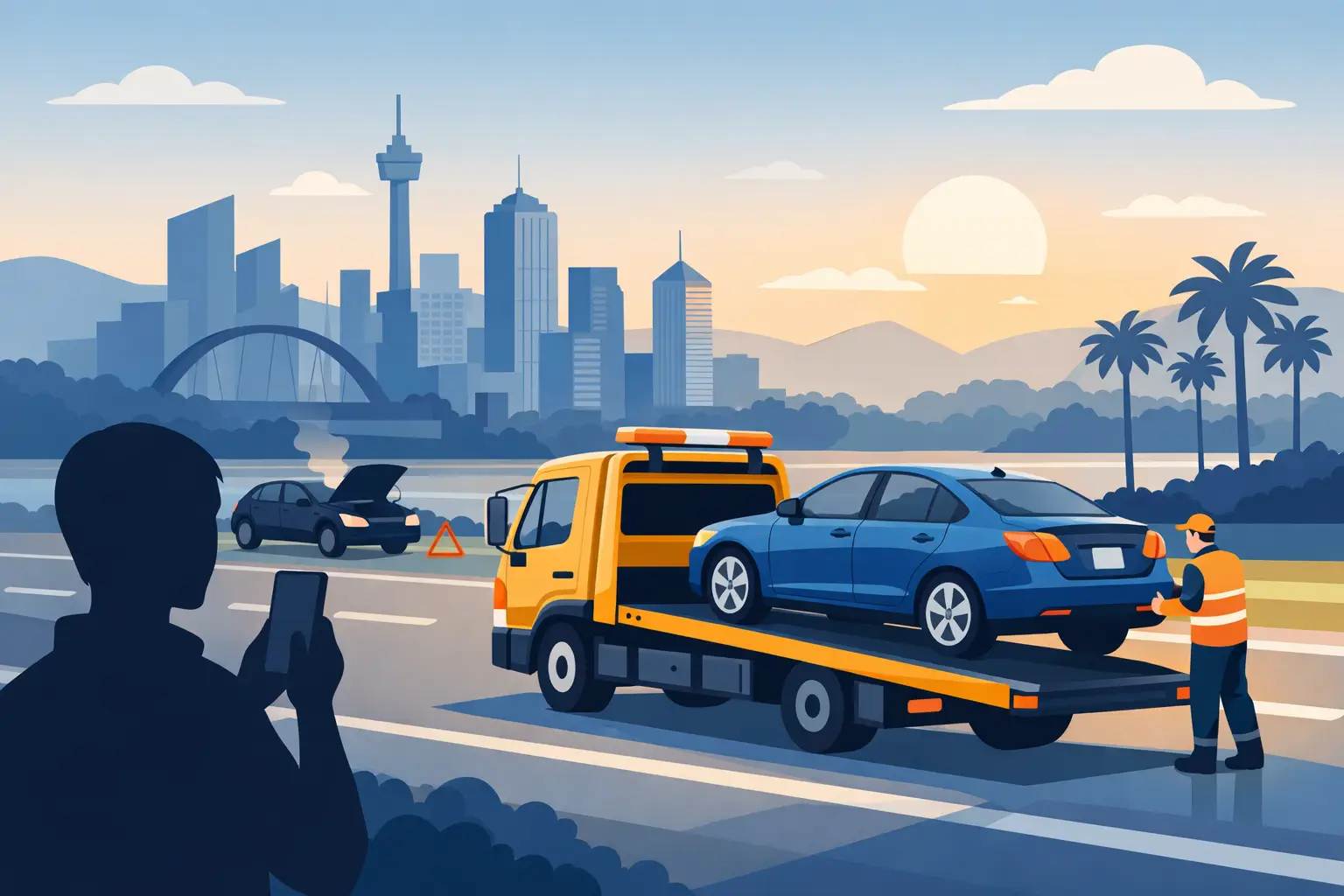
First, you receive a price and expected arrival time. Next, the driver confirms the vehicle and destination on arrival, then assesses the safest loading approach. Once the vehicle is secured, it is transported to the agreed location and unloaded with the same level of care. If plans change, such as a workshop being closed or access being unavailable, clear communication helps you decide on the next destination without pressure.
This is especially valuable for commercial drivers. If your van, ute or light truck is off the road, every hour can affect appointments, deliveries and customer commitments. A direct update on ETA and destination allows you to notify customers, arrange another vehicle or adjust the day’s work.
Common mistakes to avoid after a breakdown
The first mistake is continuing to drive because the vehicle still moves. A warning light, rough running engine or overheating issue may allow you to travel another kilometre, but that does not mean it is safe. Stop before the problem worsens.
The second is accepting an unclear quote when you are under pressure. Ask what is included, confirm the destination and check whether access issues or after-hours conditions affect the price. Transparent pricing protects you from uncertainty at the roadside.
The third is leaving key details out of the booking. A low sports car, a bike, a van in a tight laneway or an EV with a fault may need a different setup than a standard passenger car. Mentioning this early helps avoid delays and ensures the correct truck is dispatched.
Breakdown towing across Greater Melbourne
Melbourne breakdowns can happen anywhere: on a suburban street, outside a shopping centre, in an office car park, on a freeway or at home before work. Local knowledge helps a towing provider plan access, identify safer collection points and manage the practical issues that come with busy roads and tight residential streets.
Onigo Towing focuses on breakdown transport with 24/7 dispatch for Melbourne drivers who need a calm, practical response. Whether the destination is your trusted mechanic, a dealership, your home or a longer-distance location, the key is confirming the details early and handling the vehicle with care.
If your vehicle has stopped, take a breath, get yourself to the safest available position and make the call with your location and vehicle details ready. A clear plan turns a stressful roadside problem into a manageable next step.