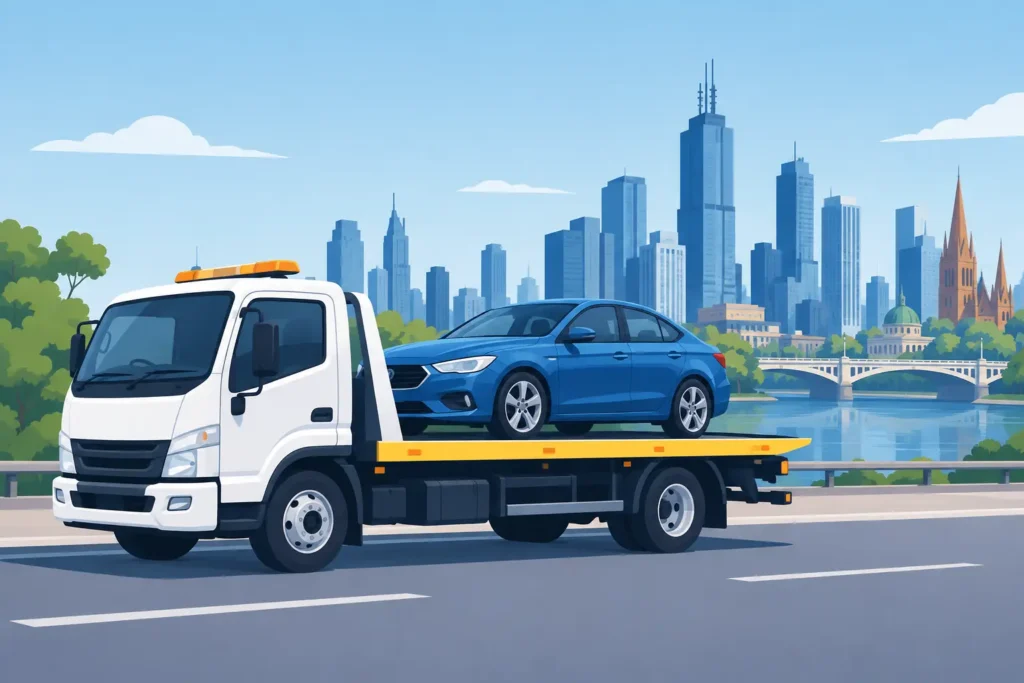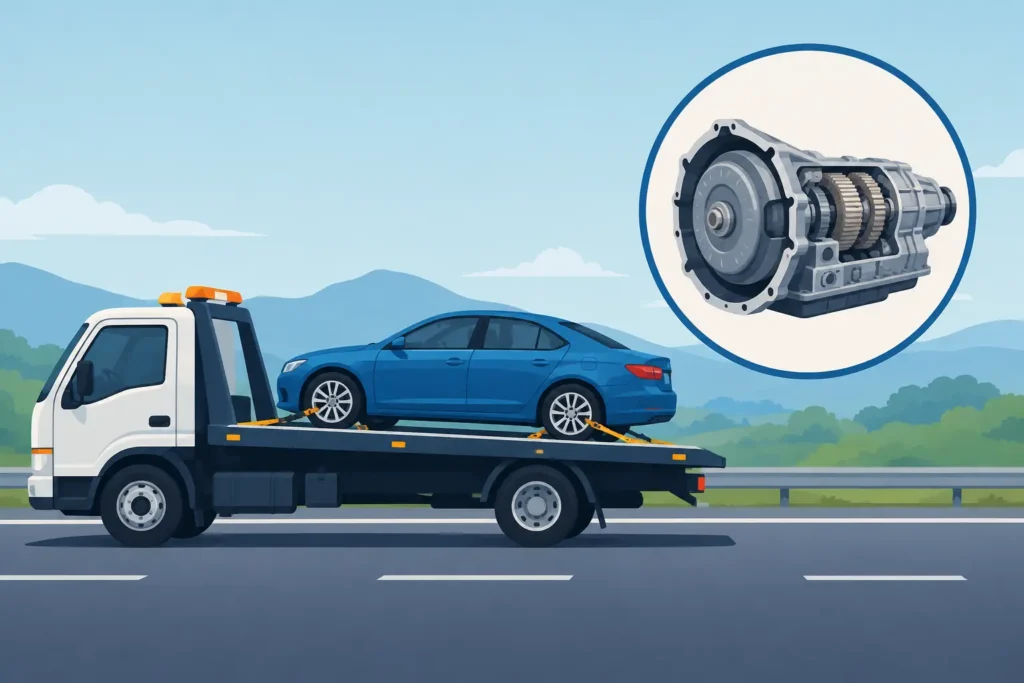
A car that will not start outside your home is one problem. A car that loses power in peak-hour traffic, overheats on the Monash or stops on a narrow suburban street is another. The mobile mechanic versus towing decision comes down to more than cost: it is about safety, the likely fault, where the vehicle is sitting and whether a roadside repair can be done properly.
For Melbourne drivers, the best first step is usually to make the vehicle and occupants safe, then get a clear assessment of what help is needed. A mobile mechanic can be a good option for straightforward faults. When the cause is unclear, access is poor or the car cannot be safely repaired where it is, a breakdown tow protects both the vehicle and everyone around it.
Mobile mechanic versus towing: the practical difference
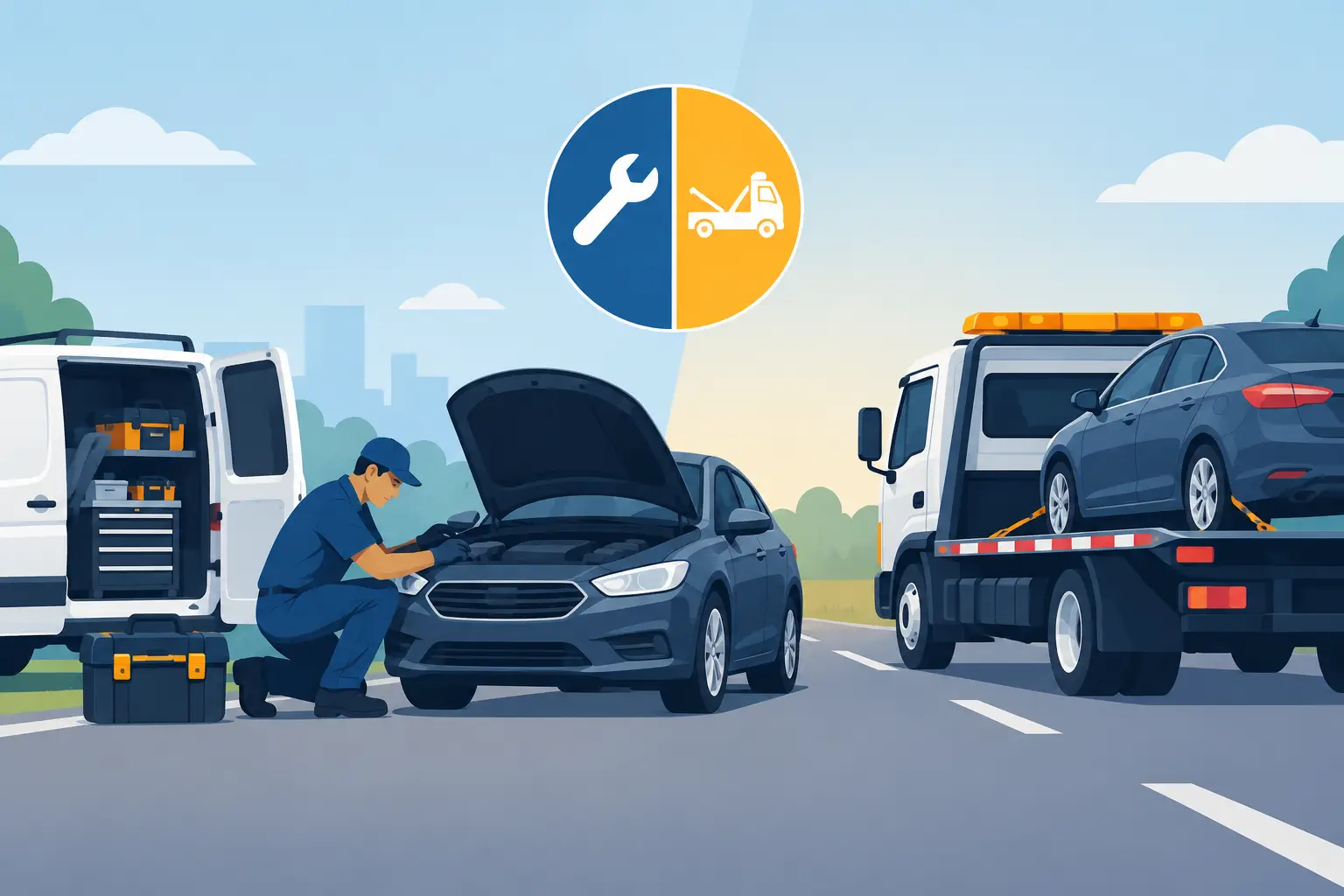
A mobile mechanic travels to your location to diagnose or repair a vehicle. Depending on their tools, parts availability and the fault itself, they may be able to get you moving again without taking the car anywhere. This can suit a flat battery, a minor electrical issue, a loose connection, a no-start fault or basic servicing work at home or work.
Towing moves the vehicle to a mechanic, dealership, home or other agreed destination. It is not a diagnosis service, although an experienced breakdown operator can often identify obvious warning signs and help you choose the safest next step. The key benefit is that the vehicle can be inspected with workshop equipment, on a hoist if needed, without roadside pressure or traffic hazards.
Neither option is automatically better. A mobile mechanic is useful when there is a realistic chance of a safe, quick repair where the vehicle sits. Towing is the better call when continuing to troubleshoot could create more damage, delay or danger.
When a mobile mechanic may be the right choice
If your car is parked safely on private property, at your workplace or in a quiet, accessible location, a mobile mechanic may save you a trip to a workshop. It is particularly worthwhile when you have a known, minor issue and enough time to arrange an appointment.
For example, you may suspect a battery problem because the engine clicks but will not crank, the lights are dim or the battery is old. A mobile mechanic may test the battery and charging system, replace the battery if they carry the right type, and check whether a failing alternator caused the issue. For some vehicles, this is a practical same-day fix.
Mobile repairs can also make sense for simple maintenance or pre-purchase checks. The vehicle is already stationary, the mechanic has room to work, and there is no immediate safety concern. If the mechanic finds a larger issue, they can advise whether a tow to a workshop is needed.
That said, availability matters. Not every mobile mechanic operates 24/7, covers every Melbourne suburb or carries parts for all makes and models. EVs, hybrids, European vehicles, performance cars and commercial vans can require specialist diagnostic equipment or procedures that are difficult to provide on the roadside.
When towing is the safer option
A tow is often the sensible choice when the breakdown is unpredictable, urgent or potentially serious. You do not need a confirmed diagnosis before arranging one. In fact, avoiding further attempts to drive or start the vehicle can prevent a manageable repair becoming an expensive one.
Call for a breakdown tow if you notice any of these signs:
- The engine temperature is high, steam is coming from under the bonnet or coolant is leaking.
- Oil pressure, battery, brake or engine warning lights remain on while the vehicle is running.
- The car has lost power, is misfiring heavily, making loud mechanical noises or smells burnt.
- A tyre, wheel, suspension component or steering system appears damaged.
- The vehicle is stopped in traffic, on a freeway shoulder, in an unsafe street position or somewhere with limited access.
Overheating is a common example. Topping up coolant or waiting for the engine to cool may seem like a quick fix, but the cause could be a burst hose, failed water pump, radiator problem or head gasket issue. Driving it again can cause further engine damage. A flatbed tow to a workshop gives the mechanic a controlled environment to find the fault.
The same applies to warning lights that accompany poor performance, smoke, fluid leaks or unusual noises. A warning light on its own is not always an emergency, but it should not be ignored when the vehicle is behaving differently. If you are uncertain, caution is usually cheaper than gambling on another few kilometres.
Safety changes the answer quickly
The location of the breakdown can matter more than the fault. Even a simple battery issue is not an ideal mobile repair job if the vehicle is stopped in a live lane, around a blind corner, on a freeway shoulder or in a tight loading zone.
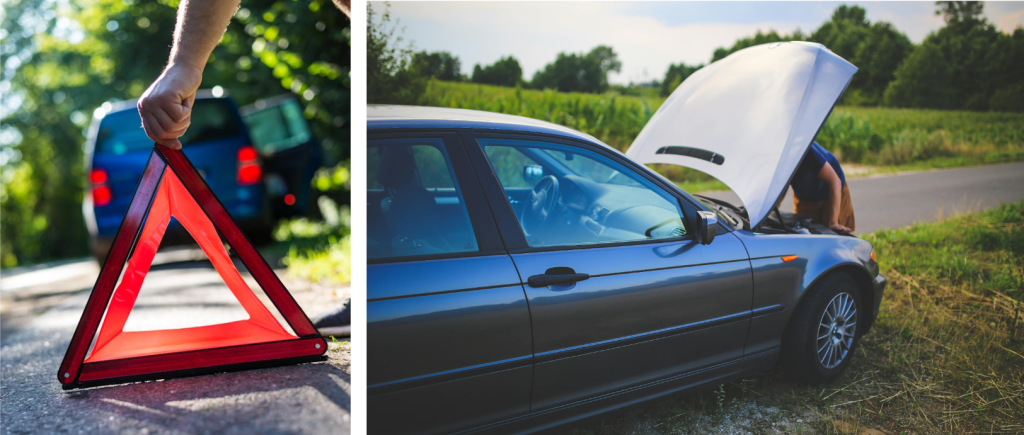
If you can do so safely, pull over well away from traffic, switch on hazard lights and keep clear of moving vehicles. Do not stand beside the traffic side of the car or attempt repairs near passing vehicles. On major roads, stay behind a barrier where available and follow any direction from emergency services or road authorities.
A towing operator can remove the vehicle from the risk area and take it to a workshop where diagnosis can happen without exposing you, a mechanic or other drivers to traffic. This is especially relevant at night, in wet weather or when visibility is poor.
Cost is not just the call-out price
It is natural to compare a mobile mechanic call-out fee with towing costs. But the cheapest first service is not always the lowest-cost outcome. A mobile mechanic may charge for travel, diagnosis, labour and parts, even if the fault cannot be repaired on site. You may then still need a tow.
Towing has its own variables, including the pickup location, destination, vehicle type, access and time of day. A clear quote before dispatch helps you make a decision without surprises. Ask where the vehicle will be taken, whether the price includes loading and unloading, and whether the operator has the right equipment for your vehicle.
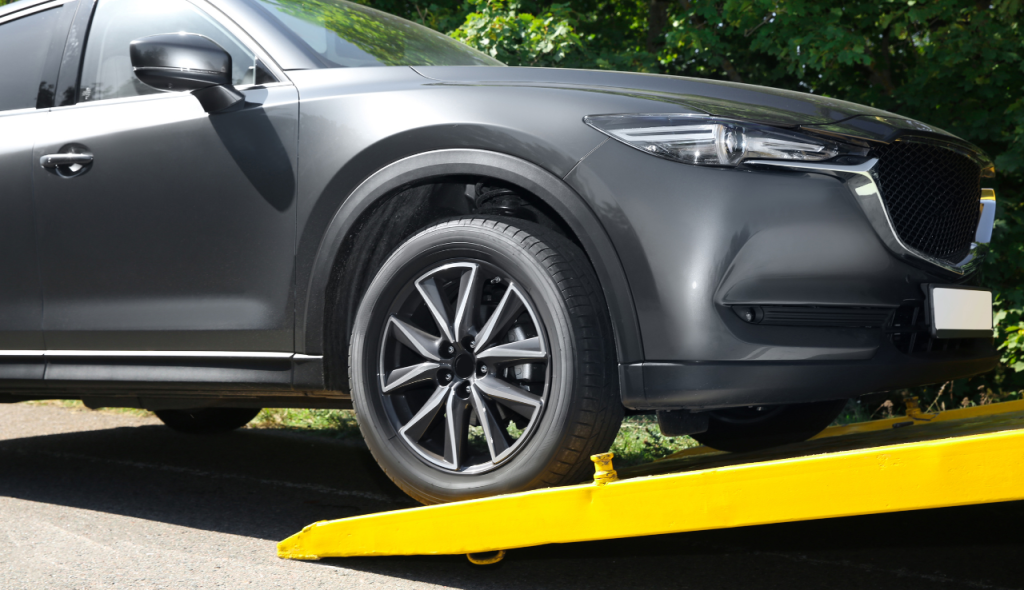
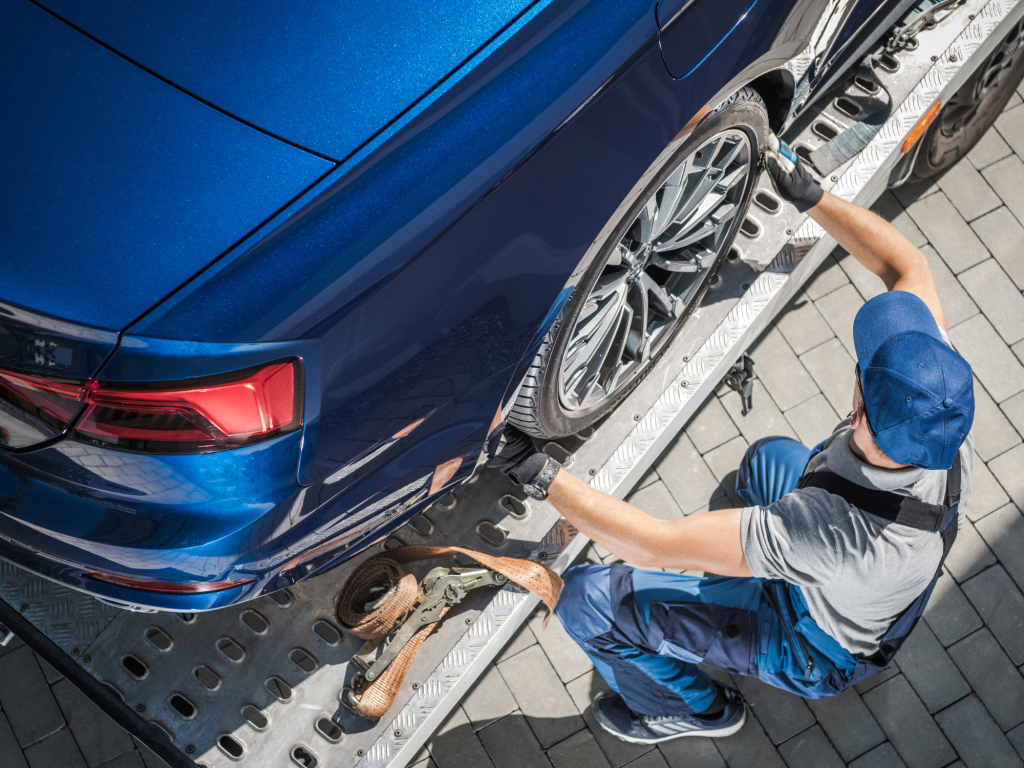
For valuable, low-clearance or specialty vehicles, the loading method is part of the value. Flatbed transport keeps all wheels off the road and is often the preferred approach for EVs, hybrids, motorcycles, performance cars and vehicles with a fault that makes rolling or driving unsafe. Correct tie-down points and careful loading matter as much as getting the vehicle moving quickly.
Think about the destination before you book
If you choose towing, decide where the car needs to go. A trusted workshop is often best if it is open and able to accept the vehicle. If it is after hours, towing the car home may be more practical, then arranging repairs in the morning. For a vehicle under warranty, a dealership or approved repairer may be appropriate.
Commercial drivers have another consideration: downtime. A van, ute or light truck that cannot return to work may need transport directly to a workshop that can diagnose it quickly. Giving the towing provider the vehicle type, approximate weight, fault symptoms and destination upfront helps ensure the right truck is dispatched.
With EVs and hybrids, avoid assuming a standard jump-start or improvised tow is suitable. High-voltage systems, electronic park brakes and manufacturer handling requirements can affect how the vehicle should be moved. Tell the operator exactly what you drive and whether the vehicle can be shifted into neutral or has any display warnings.
A simple decision when you are stranded
Choose a mobile mechanic when the vehicle is in a safe, accessible place and the fault appears minor or routine. It is a useful option when you can wait for an appointment and there is a good chance the repair can be completed on site.
Choose towing when the car is unsafe to drive, the fault is unknown or severe, the location is risky, or the vehicle needs workshop equipment. This is not giving up on the repair. It is getting the vehicle to the place where it can be diagnosed properly and without adding risk.
For urgent breakdowns across Greater Melbourne, Onigo Towing provides dedicated breakdown transport with clear pricing before dispatch and careful flatbed handling where required. A good towing service should tell you what to expect, provide an ETA where possible and treat your vehicle as carefully as you would.
When the car stops at the worst possible moment, do not let pressure force a guess. Get yourself safe, note the symptoms and choose the help that gives the vehicle its best chance of a proper repair.