
A breakdown can leave you making a costly decision from the side of a busy Melbourne road. Knowing how to choose a mechanic after a breakdown helps you avoid sending your vehicle to the nearest workshop simply because it is close. The right mechanic should be able to diagnose the actual fault, explain the repair clearly and give you enough information to approve work with confidence.
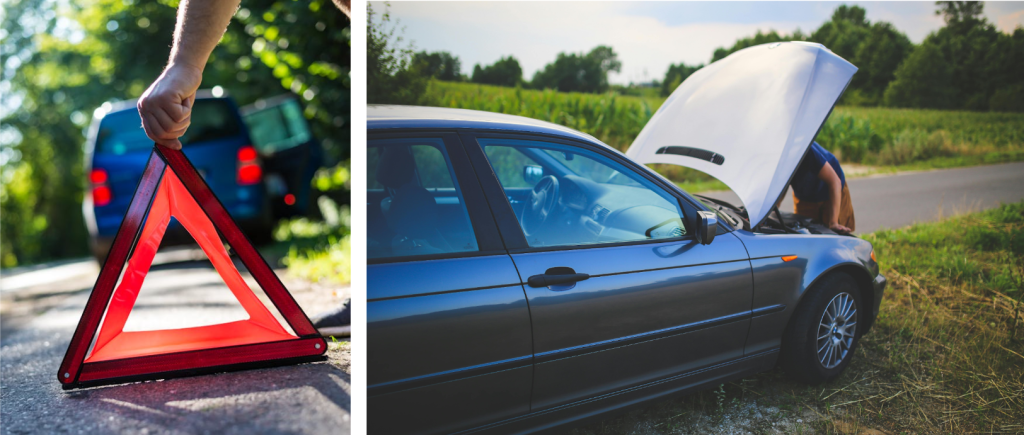
Your first priority is safety. Move off the road where possible, turn on your hazard lights and arrange recovery rather than trying to drive a vehicle that is overheating, losing oil, showing warning lights or making unfamiliar noises. Once your vehicle is secure, you have a better chance of choosing a workshop based on capability, communication and value rather than panic.
Start with the Type of Fault
Not every mechanic is the right fit for every breakdown. A flat battery, puncture or minor starting issue may be handled quickly by a local general repairer. An engine warning light, transmission fault, electrical issue or overheating problem may need a workshop with proper diagnostic equipment and experience with your make and model.
If you drive an EV or hybrid, ask specifically whether the workshop is equipped and qualified to work on high-voltage systems. The same applies to European, performance and older specialty vehicles. These cars can require brand-specific scan tools, parts knowledge and careful repair procedures. A workshop that mainly services standard fleet vehicles may still be excellent, but it may not be the best choice for a complex fault in a specialist vehicle.
When you call, describe the symptoms rather than trying to diagnose the problem yourself. Mention what happened before the vehicle stopped, any warning messages, unusual smells, smoke, fluid leaks and whether the car will start. Clear information helps the mechanic decide whether they can assist and lets the towing provider load and transport the vehicle appropriately.
How to Choose a Mechanic After a Breakdown
A good mechanic will not promise an exact repair before inspecting the vehicle. They should, however, be prepared to explain their process: how they will assess the fault, whether there is a diagnostic fee, when they expect to contact you and what approval they need before repairs begin.
Look for straightforward answers to a few practical questions:
- Can you inspect this type of vehicle and fault soon?
- What is the diagnostic charge, and is it credited towards repairs?
- Will you call or message me with a quote before carrying out repair work?
- Are replacement parts genuine, aftermarket or reconditioned?
- What warranty applies to parts and labour?
These questions are not about finding the cheapest workshop. They help you understand what you are agreeing to. A low initial quote can become expensive if it does not include diagnosis, required parts, fluids, calibration or follow-up work. Equally, a higher quote may be reasonable where it includes quality parts, specialist testing and a clear workmanship warranty.
For an urgent breakdown, availability matters. Ask whether the workshop can receive a towed vehicle after hours or whether it has secure space for drop-offs. Some mechanics are excellent but cannot accept vehicles outside business hours, which can leave your car on a tow truck longer than necessary or require storage elsewhere.
Check Reputation, But Read Beyond the Star Rating
Online reviews can be useful, especially when several customers mention the same strengths: honest pricing, clear explanations, reliable turnaround times or good handling of difficult faults. Read recent reviews rather than relying only on an overall score. A workshop can change staff, ownership or workload over time.
Pay particular attention to how the business responds when a customer has had a problem. No mechanic can prevent every delay or unexpected repair issue. The better sign is whether they communicate early, explain the options and work towards a fair outcome.
Recommendations from friends, family, colleagues or a local car club can also be valuable, especially if they own a similar vehicle. Still, their ideal mechanic may not be yours. A workshop that is great for scheduled servicing may not have the equipment, parts access or availability needed for an immobilised EV, diesel van or performance car.
Choose Location Carefully, Not Automatically
The closest workshop is not always the best destination. If you break down near home, it may be more practical to tow the vehicle to a trusted mechanic a few suburbs away than to leave it with an unknown workshop around the corner. This is particularly true if your regular mechanic already knows the car’s service history and previous repairs.
There is a trade-off. A longer tow can cost more, and some faults may be resolved faster by a capable nearby workshop. Consider the value of the vehicle, the likely complexity of the fault, whether you need it back quickly and whether you have confidence in the destination. For a business van or light truck, lost operating time can matter more than a small difference in towing distance.
If the workshop cannot inspect the vehicle for several days, towing it home may be the better option. You can then arrange transport once you have confirmed a booking. This can prevent your car from sitting at a workshop that has no immediate capacity while you continue to pay for alternative transport.
Confirm Costs Before the Vehicle Is Moved
Before authorising a tow, confirm the destination, the towing price and any after-hours conditions. Ask whether the quote includes loading, transport, tolls where relevant and secure drop-off. You should also know who will hand over the keys, where the vehicle will be parked and how the workshop will be notified.
The repair process has separate costs from the tow. A professional mechanic should obtain approval before moving from diagnosis to repairs, except in limited situations where you have already given a clear spending authority. Ask for a written estimate where possible and make sure it identifies labour, parts and any additional likely charges.
Be cautious if you are pressured to approve major work immediately or are given vague explanations such as “it needs a few things” without detail. Some faults are difficult to confirm until parts are removed or tests are completed, so estimates can change. The key is communication. You should be told why the scope has changed and what options you have before more work is undertaken.
Protect Your Vehicle During Towing
Choosing the mechanic also means choosing how your vehicle gets there. Tell the tow operator about low ground clearance, locked wheels, a damaged tyre, an EV, a hybrid, a motorcycle, a modified vehicle or any issue that affects loading. These details can determine whether a flatbed is needed and how the vehicle should be secured.
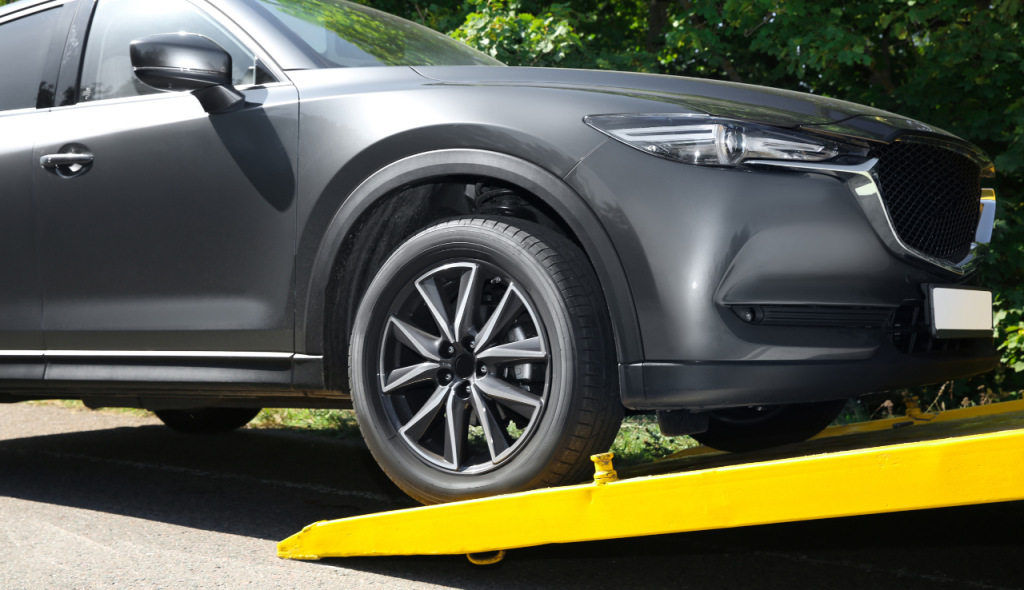
For many breakdowns, especially where the drivetrain, steering, brakes or tyres may be compromised, a flatbed provides the safest transport option. It keeps the vehicle off the road and reduces the risk of additional damage from being towed with driven wheels on the ground. This is particularly relevant for EVs, all-wheel-drive vehicles and vehicles with transmission faults.
Take a few photos of the vehicle before it is loaded, including the exterior and dashboard warning lights if they are visible. Remove valuables, work equipment and personal documents. Leave the wheel lock key, service information and any relevant notes only if the mechanic needs them, and keep a record of who has the keys.
A breakdown towing specialist such as Onigo Towing can transport your vehicle to your chosen Melbourne mechanic, home or another safe destination, with the tow price and estimated arrival time confirmed before dispatch.
Give the Mechanic the Information They Need
When the vehicle arrives, the most useful thing you can provide is a short factual history. Let the workshop know when the issue began, whether it has happened before, what warning lights appeared, recent repairs and whether the vehicle was driven after the fault started. If roadside assistance, a battery technician or a tow operator noticed something relevant, pass that on too.
Do not clear warning codes or disconnect the battery unless necessary for safety. Fault codes and stored vehicle data can help a technician identify intermittent electrical and engine problems. If the battery was disconnected during the breakdown, tell the mechanic so they can factor that into diagnosis.
It is also reasonable to set expectations at the start. Tell the workshop whether you need the car by a certain day, whether you are open to aftermarket parts and the maximum amount you want them to spend without contacting you. Clear boundaries make approval faster and reduce surprises.
The best choice after a breakdown is a mechanic who is capable of handling the fault, available to inspect the vehicle and willing to communicate honestly before costs increase. Take the extra few minutes to confirm those basics. A careful tow to the right workshop can save far more time, stress and money than the quickest decision at the roadside.