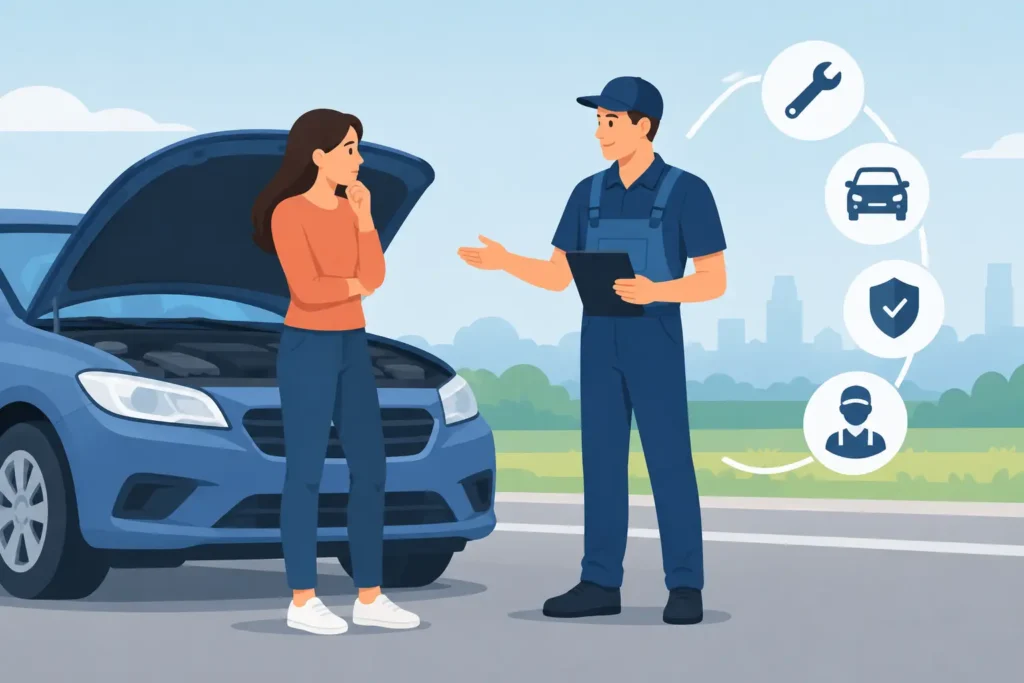

A breakdown rarely happens at a convenient time. You may be stopped on a busy Melbourne road with a car that will not start, a warning light on, or a flat battery that has left you unable to move. In that moment, a vehicle towing quote guide can help you get a clear price and an accurate ETA without guessing what you are agreeing to.
The right towing quote is not simply the lowest number over the phone. It should tell you what vehicle is being moved, where it is being collected from, where it is going, and whether any special handling is needed. Clear information upfront protects you from surprises and helps the operator send the right truck first time.
What a vehicle towing quote should include
A proper quote starts with the essentials: your pickup location, the destination, your vehicle type and whether the vehicle can roll, steer and be safely loaded. For a straightforward breakdown tow, the price commonly reflects the call-out, distance travelled and the equipment required.
If you are in a tight car park, underground garage, shopping centre, apartment complex or on a narrow street, say so when requesting the quote. Access can affect the truck needed and the safest loading method. The same applies if the vehicle is locked, has a flat tyre, is stuck in park, has damaged suspension or cannot be put into neutral.
Ask whether the quoted price includes loading, transport and unloading at the destination. It is also sensible to ask whether after-hours attendance, tolls, storage, difficult access or additional distance could change the final cost. A dependable operator will explain any likely extra charges before dispatch, not after your vehicle is already on the truck.
For most mechanical breakdowns, the aim is simple: collect the vehicle safely and deliver it to your mechanic, home, dealership or another agreed location. The details matter because they determine how that job can be completed without delay.
The details that affect towing cost
Distance is one part of a towing price, but it is not the only part. A short tow that requires specialised equipment or careful recovery from a difficult position may cost more than an easy pickup from a driveway. Giving an accurate description allows the dispatcher to quote fairly and send a suitable vehicle.
Vehicle size, condition and clearance
A standard passenger car is generally easier to move than a large van, light truck or loaded ute. Motorcycles also require purpose-built restraints and careful securing. Performance cars, lowered vehicles and vehicles with low front spoilers need extra attention during loading to avoid contact with ramps or trays.
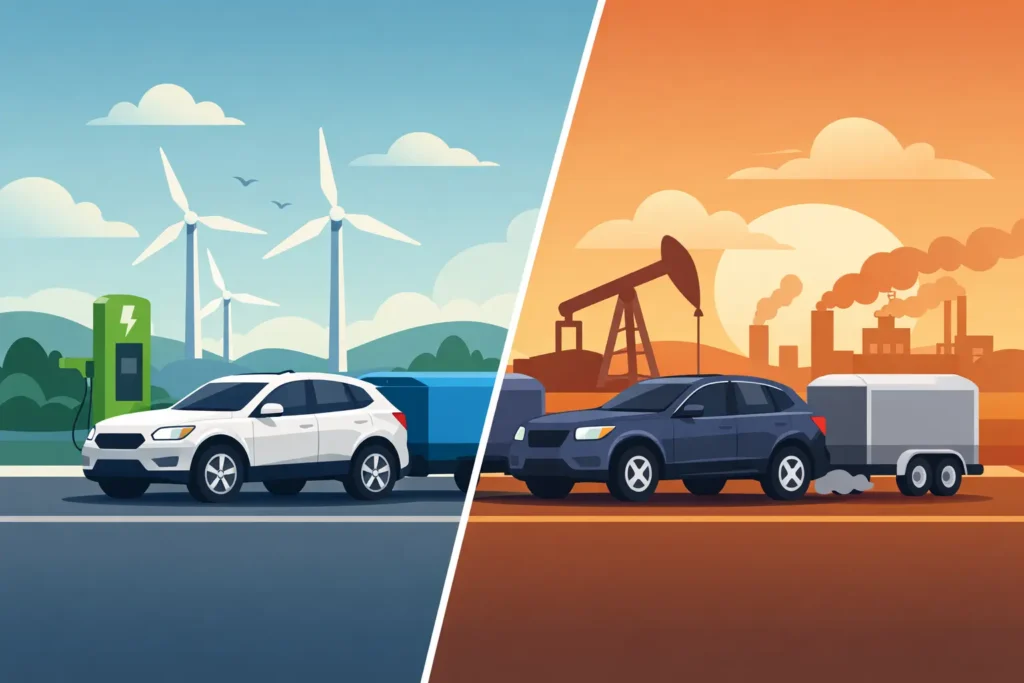
EVs and hybrids need particular care. Their weight, drivetrain arrangement and manufacturer towing requirements can affect how they should be transported. If you drive an electric or hybrid vehicle, tell the towing company when you call. A flatbed is often the safest option for transporting a vehicle that should not have its driven wheels rolling on the road.
The condition of the vehicle matters just as much. A car that rolls freely can usually be winched onto a tray with fewer complications. A vehicle with a seized wheel, steering lock, broken suspension, flat tyres or a gearbox fault may take more time and require additional equipment. There is no benefit in downplaying the problem. The more accurate you are, the better the quote and the safer the collection.
Pickup location and access
Melbourne has every type of access challenge, from inner-city laneways and basement parking to busy arterial roads and outer-suburban driveways. Tell the dispatcher whether the vehicle is on a main road, in a clearway, at a service station, behind a locked gate or below ground.
Height restrictions are especially relevant in car parks. A standard tow truck may not fit beneath a low ceiling, while a smaller recovery vehicle may be required to move the car to a safe loading point. If you know the clearance height, provide it. If you do not, mention that the vehicle is in an underground car park so the operator can plan appropriately.
Timing and destination
A tow to a nearby workshop during normal trading hours is different from a late-night transport across Melbourne or a long-distance trip into regional Victoria. The destination should be confirmed before the truck is dispatched, including the workshop name, suburb and any delivery instructions.
If the mechanic is closed, decide whether the vehicle can be left securely or whether it needs to go to your home first. Some workshops have key drops, but not all have space for after-hours deliveries. Sorting this out while you are on the phone can save a second tow the next morning.
Questions to ask before you book
When you are stranded, you do not need a long checklist. You need a few direct answers that let you make a confident decision. Ask for the total estimated price, how soon the truck can attend, and whether the quote covers your particular vehicle and location.
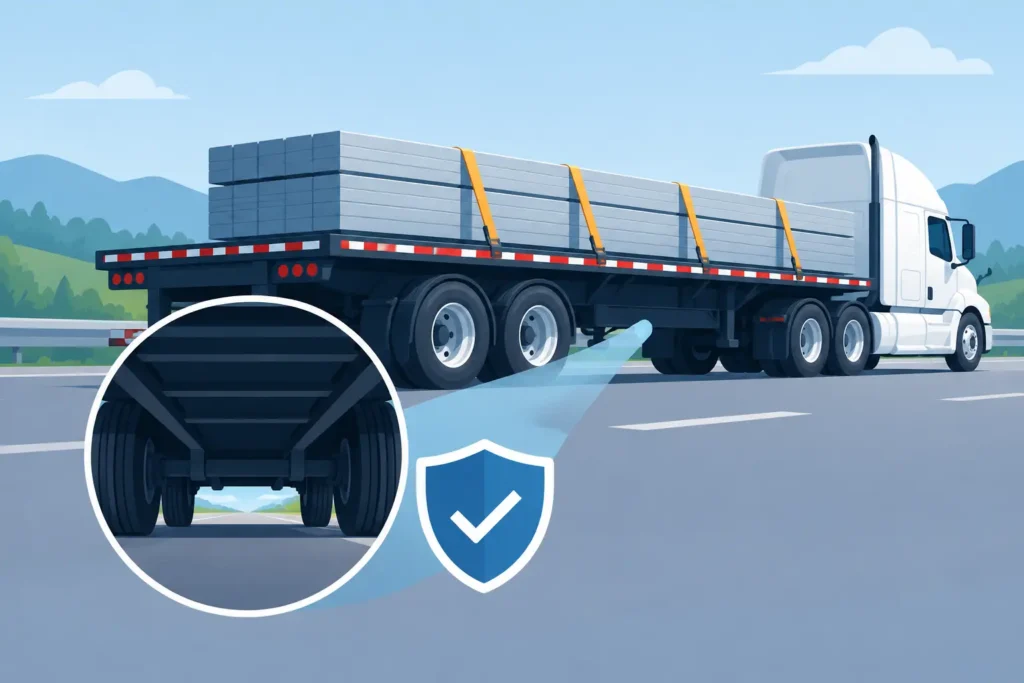
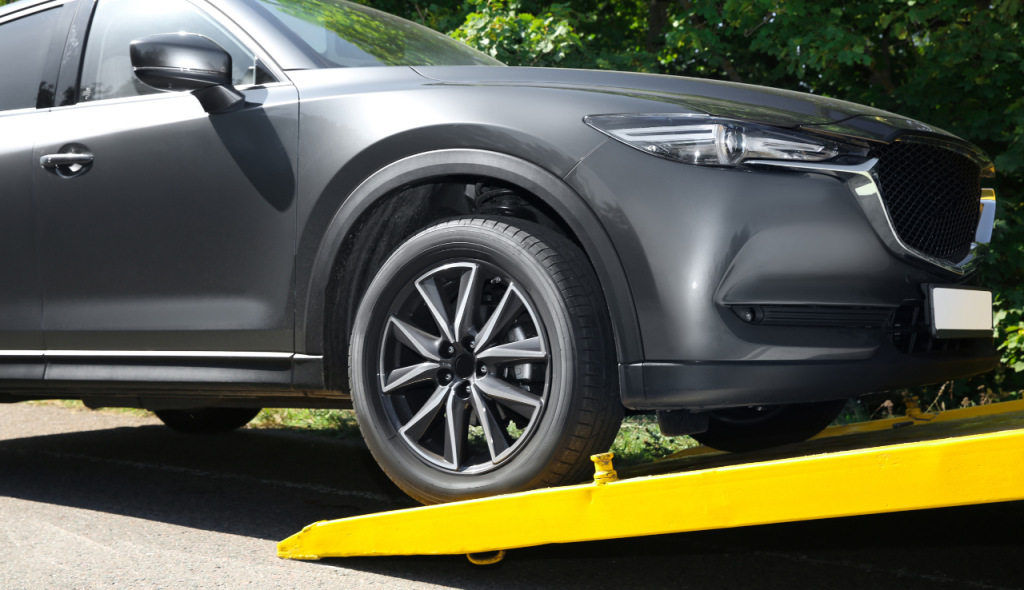
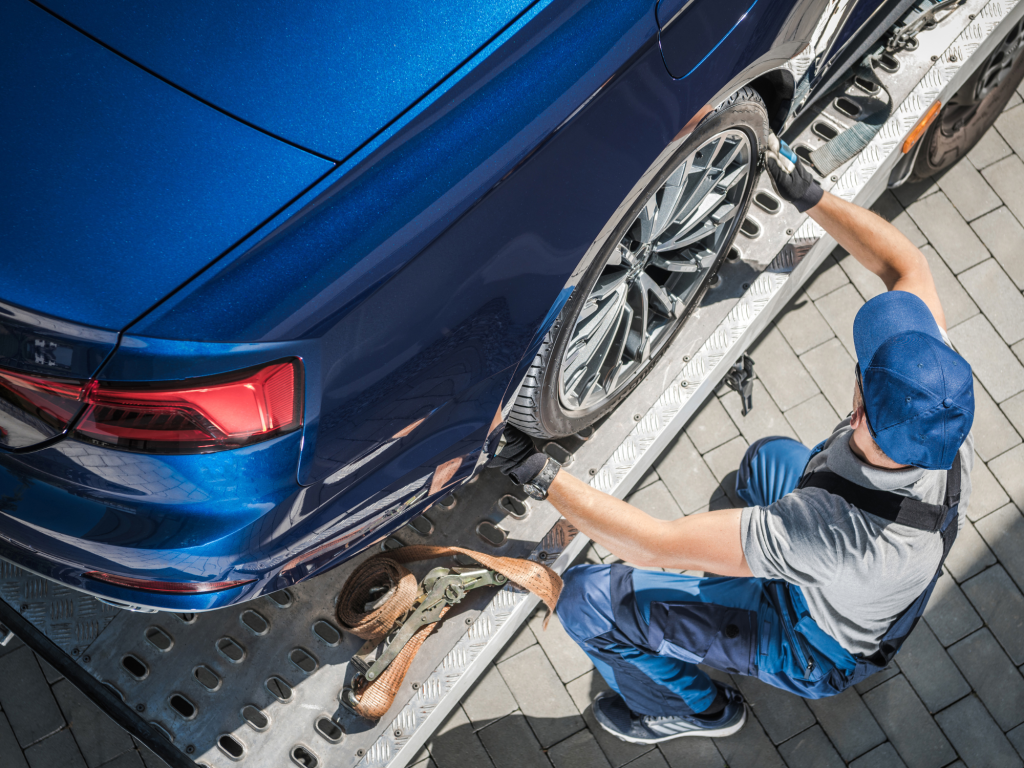
It is also worth confirming the type of truck being sent. For many breakdowns, a flatbed offers controlled loading and keeps all wheels off the road during transport. This is particularly reassuring for EVs, low-clearance cars, all-wheel-drive vehicles, motorcycles and higher-value vehicles.
Ask how the driver will contact you on arrival and what you need to do while waiting. You may be asked to have your keys, photo identification and destination details ready. If it is safe to do so, remove valuables from the cabin and make sure the driver can access the vehicle. Do not attempt to push a vehicle through traffic or stand in an unsafe position to speed things up.
A clear quote should also come with clear communication if circumstances change. Heavy traffic, a prior job taking longer than expected, or a vehicle fault that is more complex than first described can affect timing. What matters is that you are told early and given practical options.
How to get an accurate quote quickly
The fastest way to receive a reliable price is to have the right details ready before calling. You do not need to diagnose the mechanical fault. Describe what has happened in plain language, such as “the engine will not start”, “the battery is flat”, “the car has overheated” or “the gearbox will not select drive”.
Have your exact location available. A street address is ideal, but nearby cross streets, a landmark or your mobile map location can help if you are on the roadside. Give the vehicle make, model, registration, colour and body type. Mention whether it is a sedan, SUV, van, ute, motorcycle, EV, hybrid or light truck.
Then explain whether the wheels turn, whether the steering is unlocked, and whether the vehicle is in a safe accessible position. If you are unsure, say so. An experienced dispatcher can ask the next questions and arrange the appropriate response.
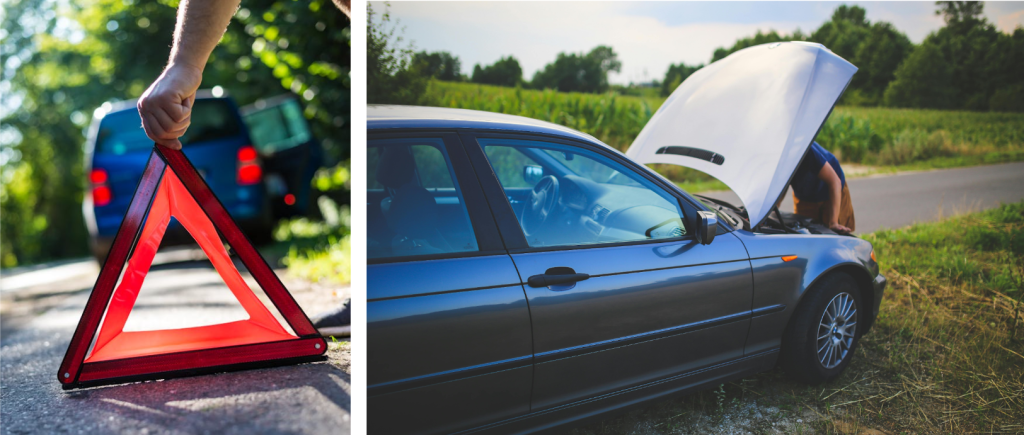
Photos can be useful where access is difficult or the vehicle has low clearance, but do not delay your call to take them. Your safety comes first. Move away from traffic where possible, use hazard lights if the vehicle is creating a risk, and follow any directions from emergency services or road authorities.
Choosing value over a vague cheap price
A very low quote can be tempting when your day has already gone wrong. But a figure without an ETA, a defined destination or confirmation of the loading method is not a useful comparison. It may leave room for added charges or send a truck that is not suited to your vehicle.
Look for an operator who asks sensible questions before quoting. That is not a sales tactic. It is how they make sure they can arrive prepared, load your vehicle carefully and complete the tow without unnecessary transfers or delays.
For specialist breakdown towing, the focus should be on getting you out of a difficult situation with minimal fuss. Onigo Towing provides upfront pricing before dispatch and matches the response to the vehicle, fault and pickup conditions, whether it is a non-start in a driveway or a vehicle stranded on the side of the road.
The best quote is one you understand. If the price, ETA or process is unclear, ask before booking. A calm, direct conversation at the start makes it far easier to get your vehicle safely where it needs to be and get your day moving again.