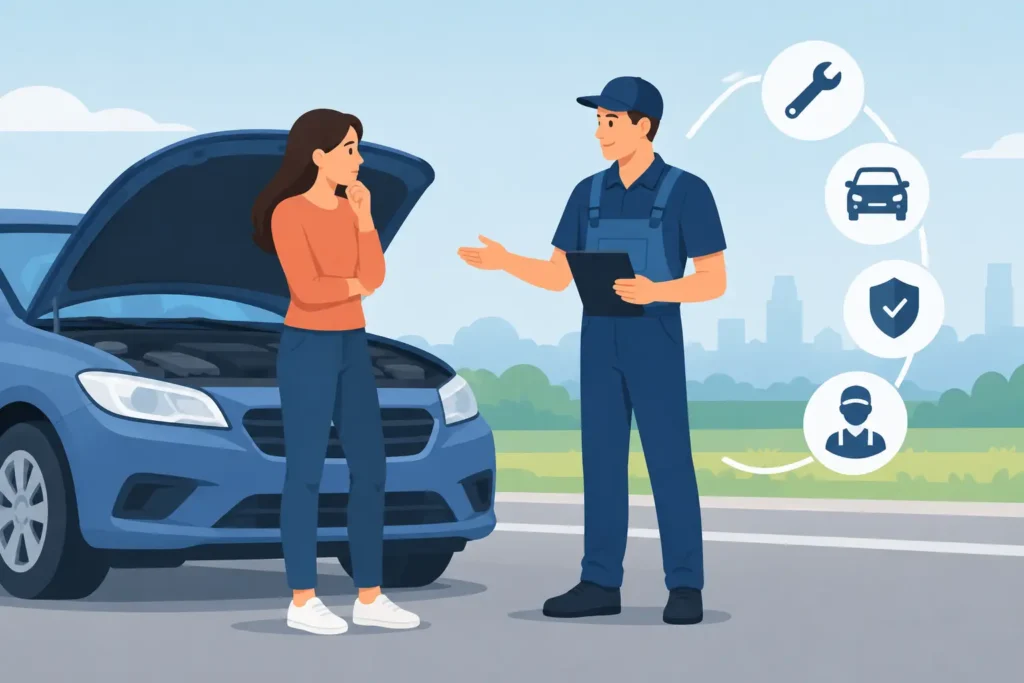
A breakdown rarely happens at a convenient time. You might be stuck in a shopping centre car park, on the side of a busy Melbourne road, or outside home with a car that simply will not start. When that happens, one question matters straight away: how fast can a tow truck arrive?
The honest answer is that it depends on where you are, traffic conditions, the time of day, and what sort of vehicle needs towing. In many cases, a local breakdown towing service can provide an ETA within minutes of your call and get moving quickly. But there is a difference between a realistic arrival time and a vague promise. If you need help, clear communication matters just as much as speed.
How fast can a tow truck arrive in Melbourne?
Across Greater Melbourne, tow truck arrival times can vary a lot. In some suburbs, a truck may be nearby and able to reach you quickly. In others, especially during peak traffic or late at night when trucks are spread across a wider area, the wait can be longer.
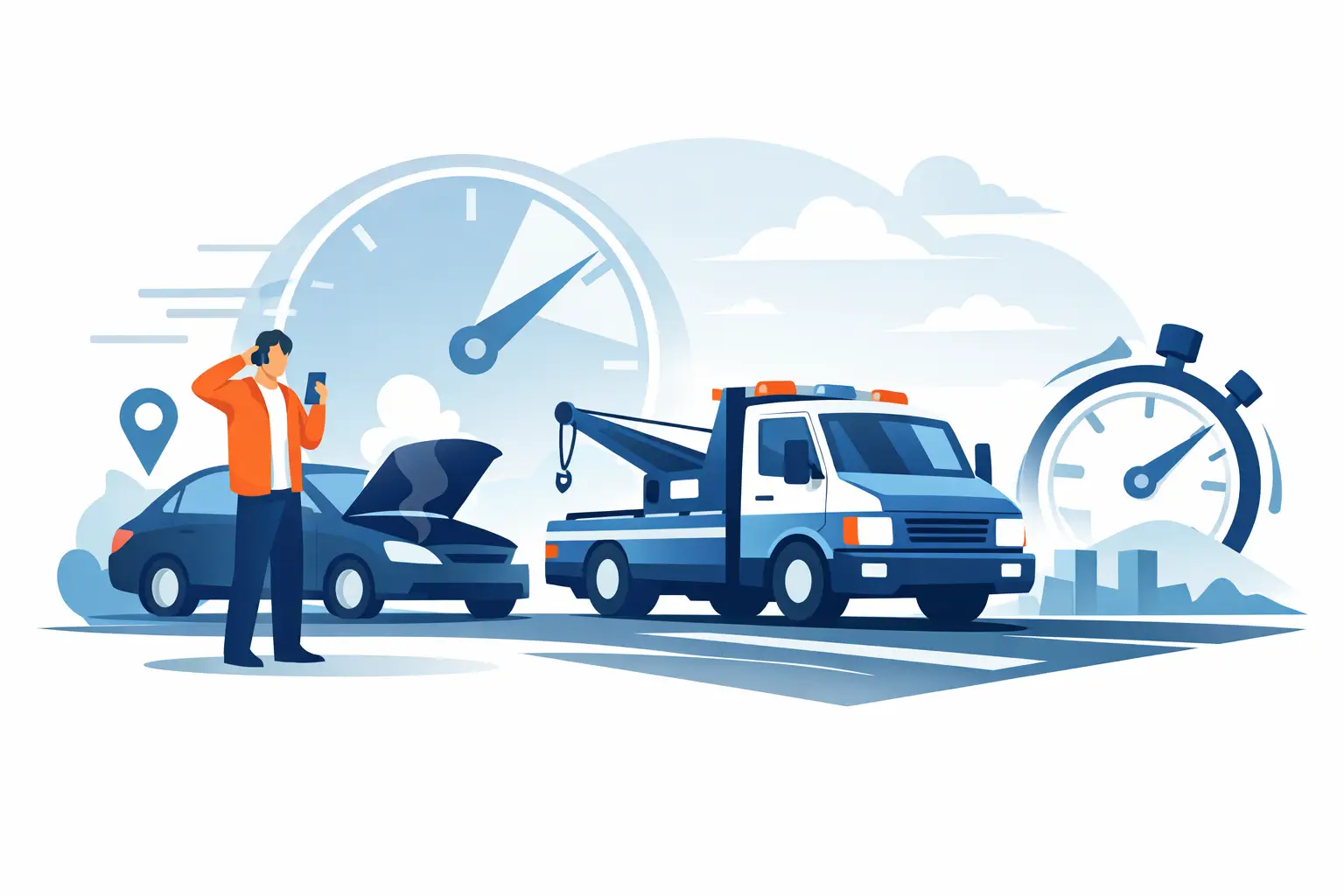
For a standard breakdown tow, many drivers can expect an arrival somewhere within roughly 30 to 90 minutes, depending on conditions. That is a broad range because towing is not like ordering food or a taxi. The dispatch team has to match the right truck, the right driver, and the right equipment to your vehicle and location.
If somebody promises an unrealistically fast arrival without asking where you are, what you drive, or what has gone wrong, take that with caution. A proper ETA should be based on real operating conditions, not guesswork.
What affects tow truck arrival time?
The biggest factor is location. If you are close to a truck already working in your area, help can often be dispatched sooner. If you are further out, in an industrial area, on a freeway shoulder, or in a suburb with fewer available trucks nearby, the travel time naturally increases.
Traffic is another major factor in Melbourne. A tow truck travelling across the city at 10:30 am faces a very different run compared with one trying to reach you during peak hour, after a major sporting event, or during heavy rain. Even a short distance on the map can turn into a much longer ETA once traffic builds.
Your vehicle type also matters. A standard sedan with a flat battery is usually straightforward. A lowered performance car, motorcycle, EV, van, ute, or light truck may need specific loading equipment or extra care. That does not mean the tow will be slow, but it can affect which truck is dispatched and how quickly it can be there.
Then there is the nature of the job itself. Breakdown towing is generally more predictable than accident recovery, but not every non-running vehicle is easy to access. Tight underground car parks, locked steering, damaged wheels, or a car stuck in an awkward position can all add time to both arrival planning and loading.
Why breakdown specialists are often faster
Not all towing services operate the same way. Some divide their time between accident scenes, impounds, recoveries, roadside incidents, and general transport work. That can stretch resources and make dispatch less predictable for someone who just needs a breakdown tow.
A business focused on mechanical failures and non-accident towing often has a more direct process. The job comes in, the vehicle details are confirmed, the right truck is assigned, and the driver heads out. There is less chance of the truck being pulled away to a different type of urgent work.
That operational focus can make a real difference when you are stranded and just need your vehicle safely taken to a mechanic, your home, or another destination. It is one reason many drivers prefer a specialist breakdown towing provider over a general operator.
The fastest way to get an accurate ETA
If you want the quickest possible dispatch, the best thing you can do is give clear information from the start. A short, accurate call usually helps more than a long explanation.
Be ready to confirm your exact location, including nearby landmarks if needed. Give the vehicle make and model, say whether it is a car, motorcycle, van, ute, EV, or something else, and explain the issue in plain terms. For example, say the engine will not start, the battery is flat, the gearbox has failed, or the car cannot be driven safely.
It also helps to mention anything unusual straight away. If the car is in a low-clearance basement, if it is lowered, if the steering is locked, or if you need transport over a long distance, say so early. That gives dispatch the best chance of sending the right truck first time rather than delaying things with a vehicle swap.
How fast can a tow truck arrive if it is after hours?
After-hours towing can go either way. In some situations, overnight traffic is lighter and a truck can travel faster. In others, fewer trucks may be positioned close to your suburb, which can extend the ETA.
That is why 24/7 availability matters, but it should come with proper dispatch support and realistic updates. A towing service should be able to tell you not just that it operates after hours, but when the truck is likely to arrive and whether there are any factors affecting the wait.
If you are calling very late at night or early in the morning, ask for both the ETA and any pricing before dispatch. Clear answers help remove the uncertainty when you are already dealing with enough stress.
When faster is not always better
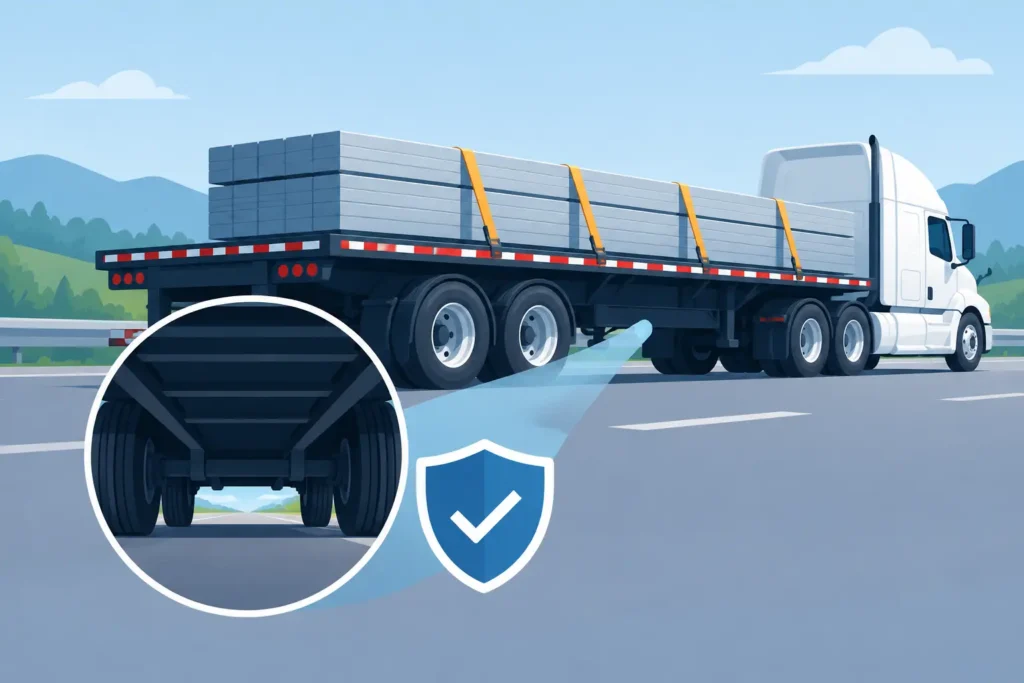
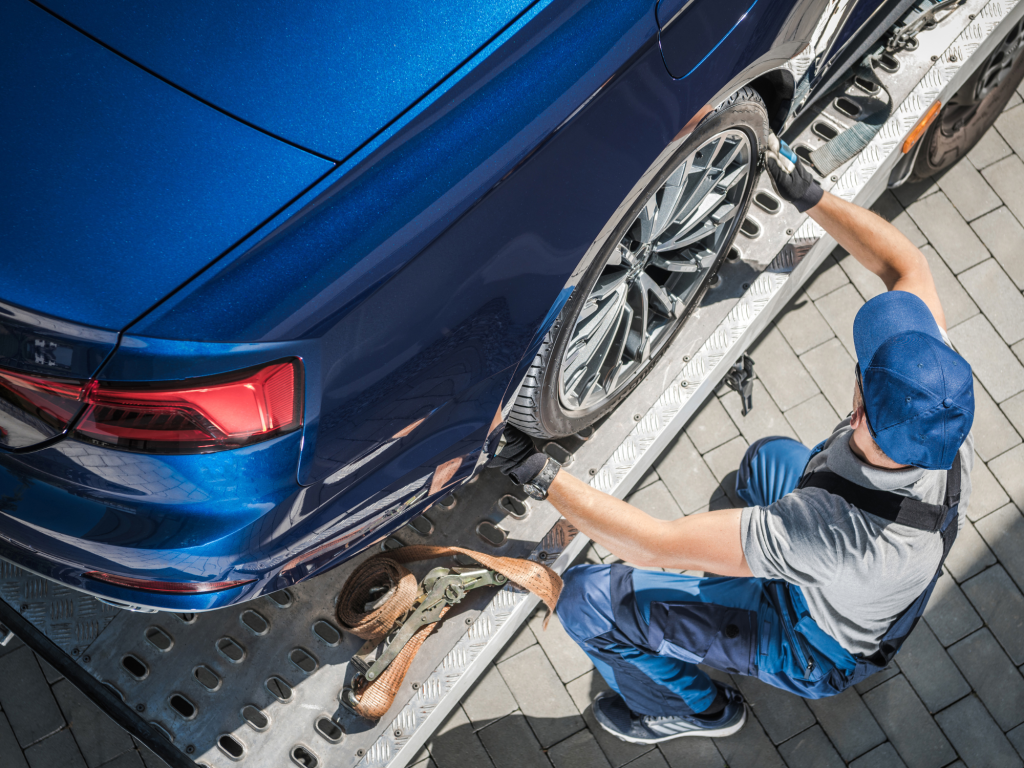
Everyone wants the truck there as quickly as possible, and fairly so. But there is a point where rushing can create other problems. A breakdown tow is not only about speed. It is also about safe loading, proper tie-downs, and careful handling.
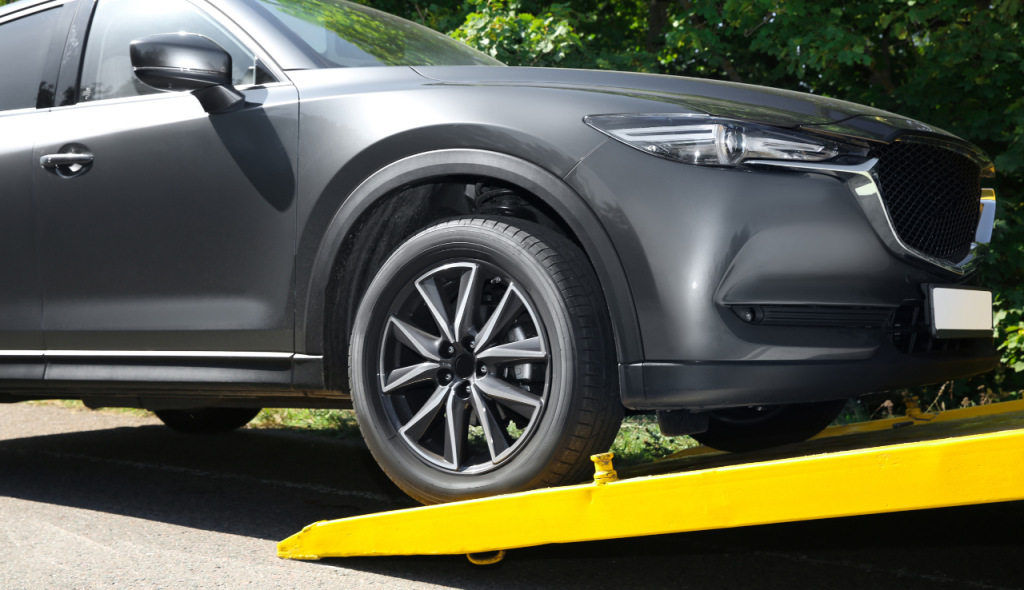
That matters even more if you drive a prestige car, EV, hybrid, motorcycle, or a vehicle with low ground clearance. A tow truck that turns up fast but does not have the right setup can cost you more time and more risk than waiting a little longer for the correct equipment.
A professional operator should balance urgency with care. You want a prompt response, but you also want confidence that your vehicle will be loaded properly and transported without unnecessary risk.
What you should expect during the wait
A good towing experience starts before the truck arrives. Once your booking is confirmed, you should know the price, the destination, and the estimated arrival time. If conditions change, such as traffic delays or a previous job running over, you should be updated rather than left guessing.
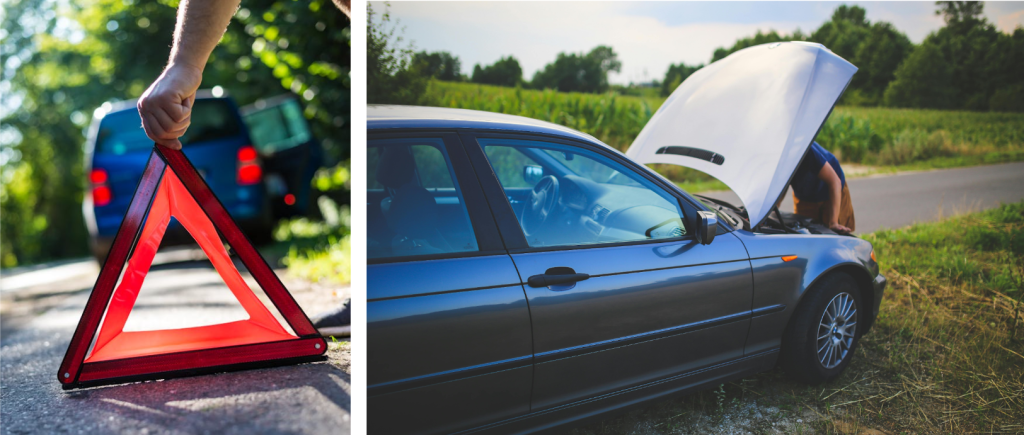
While waiting, stay with the vehicle only if it is safe to do so. If you are on a busy roadside, your personal safety comes first. Move to a safer spot away from traffic if possible, keep your mobile handy, and make sure the driver can reach you when they are close.
If the vehicle is in a car park or on private property, keep an eye on access issues such as boom gates, height limits, or locked entry points. These small details can save time once the truck arrives.
Choosing a towing service when time matters
When you are comparing providers, speed is only one part of the decision. Look for a service that gives a clear ETA, asks sensible questions, confirms pricing upfront, and sounds organised on the phone. Those are strong signs that the dispatch process is working properly.
It is also worth paying attention to whether the operator sounds familiar with breakdown jobs rather than treating every call the same way. A specialist service is more likely to understand non-starts, dead batteries, workshop transport, EV handling, and the care needed for everyday vehicles as well as higher-value ones.
For Melbourne drivers, that combination of fast response, honest communication, and careful handling is usually what makes the biggest difference. Onigo Towing is built around that exact kind of breakdown support, with 24/7 dispatch and a focus on getting stranded drivers moving again without the run-around.
If you are asking how fast can a tow truck arrive, the best answer is this: often faster than you expect, but only if the dispatch is local, realistic, and properly organised. The right tow service will not just race to your location. It will turn up prepared, treat your vehicle with care, and make a stressful situation feel manageable.