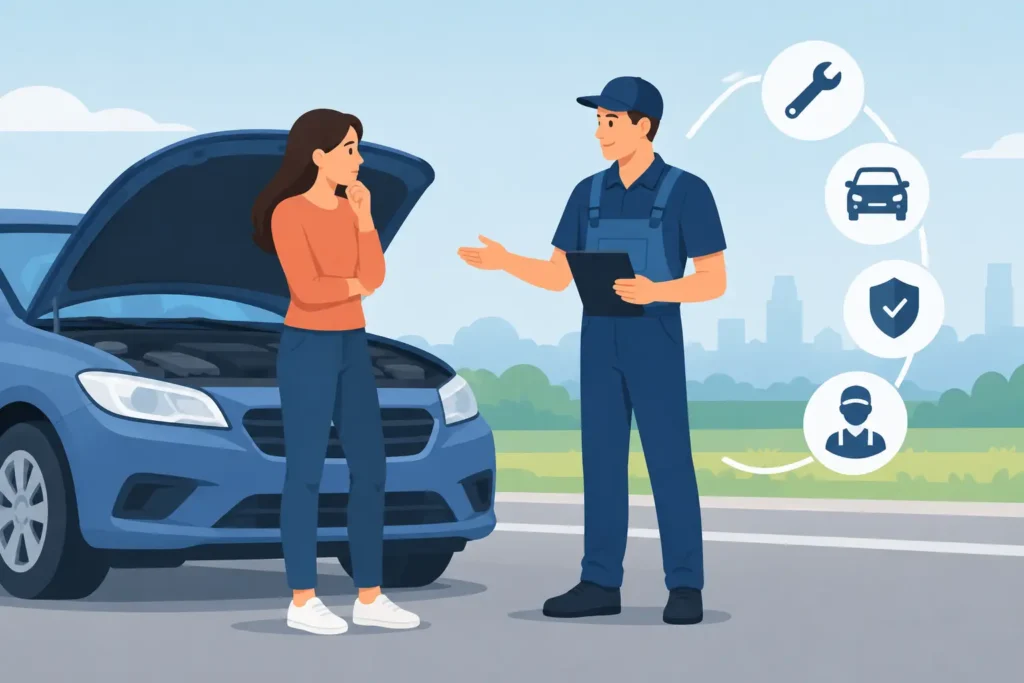
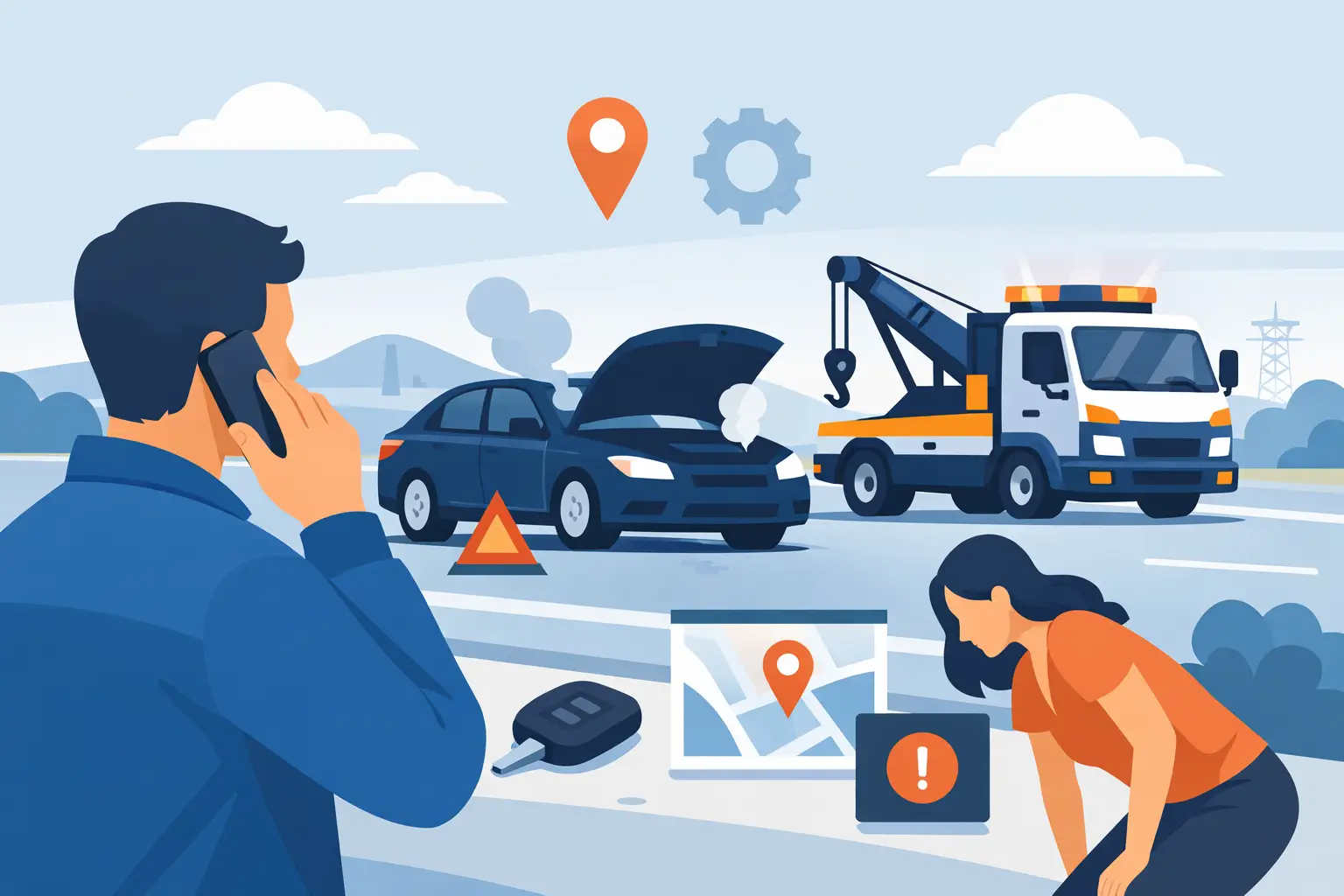
Your car dies at the lights, the dash lights up, or the engine cuts out on the Monash and suddenly you need a tow truck right now. In that moment, most people are not thinking about towing terms or vehicle logistics. They just want to get off the road, speak to someone useful, and know their car will be handled properly.
That is exactly where a breakdown towing service should make things simpler. Fast help matters, but so does getting the right help. A rushed booking with vague details can mean delays, the wrong truck, or a vehicle that is not loaded the way it should be. When you are already dealing with stress, clear steps and clear communication make a big difference.
If you need a tow truck right now, start with safety
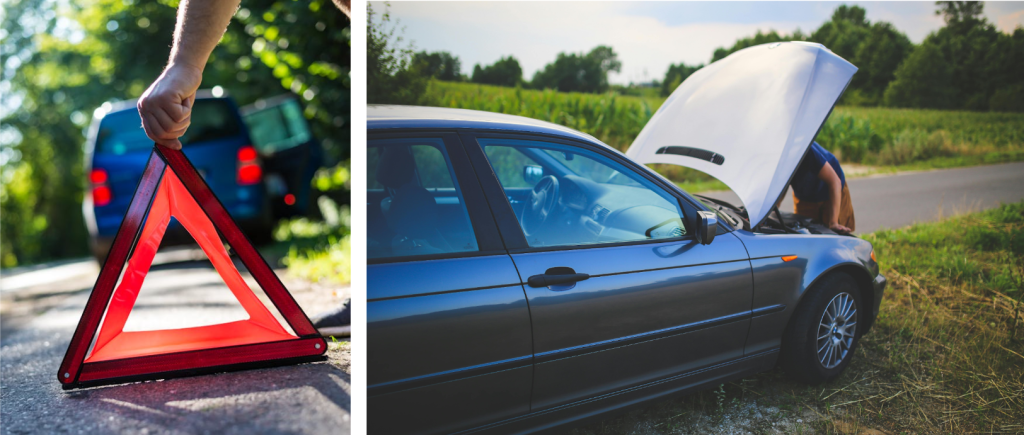
Before anything else, think about where you are and whether the vehicle can stay there safely for a few minutes. If you are in moving traffic, on a freeway shoulder, around a blind corner, or stopped somewhere with poor visibility, stay calm and make yourself visible. Turn on your hazard lights straight away.
If it is safe to get out, move yourself and any passengers well clear of traffic and stand behind a barrier if there is one. If it is not safe to leave the vehicle, keep your seatbelt on and call for help from inside. The right choice depends on the road, weather, traffic speed, and your exact position.
If the car has simply failed to start at home, in a car park, or outside work, the situation is less urgent but the same principle applies. Safety first, then information, then dispatch.
What to tell dispatch to get the right truck faster
When people call in a panic, they often say only one thing: my car has broken down. That is understandable, but it is not enough to get the quickest and safest response. A proper breakdown tow starts with accurate details.
Give your exact location first. That means the suburb, street name, nearest cross street, or a visible landmark. If you are on a freeway or major arterial road, tell dispatch which direction you are travelling. Saying you are “near the city” or “somewhere in Dandenong” slows things down.
Next, explain what the vehicle is and what has happened. A standard hatchback with a flat battery is different from a lowered performance car, an all-wheel drive SUV, a motorcycle, a loaded van, or an EV that will not power on. The tow operator needs to know the make and model, whether it rolls freely, whether the steering locks, and whether it is stuck in a car park with height restrictions.
It also helps to say where you want the vehicle taken. That might be your mechanic, your home, a dealership, or another suburb entirely. If you are not sure yet, say so. A good dispatcher will talk you through the practical options instead of guessing.
Why breakdown towing is different from general towing
Not every tow job is the same. If your vehicle has failed mechanically, you want a towing service that deals with breakdowns every day, not one splitting its attention across accident scenes, recoveries, impounds, and everything else on the road.
Breakdown towing is about fast dispatch, careful loading, and knowing how to handle vehicles that may not start, steer normally, or move under their own power. It also means understanding common roadside situations – dead batteries, sudden overheating, transmission faults, electrical issues, punctures, clutch failure, and non-start problems that leave a vehicle stranded at home or on the street.
That focus matters even more if you drive an EV, hybrid, motorcycle, van, ute, or speciality vehicle. These vehicles can have specific loading points, battery considerations, clearance issues, or handling requirements that should not be treated as an afterthought.
The questions worth asking when time is tight
If you need help urgently, you probably do not want a long back-and-forth on the phone. Fair enough. But a few direct questions can save you from a poor towing experience.
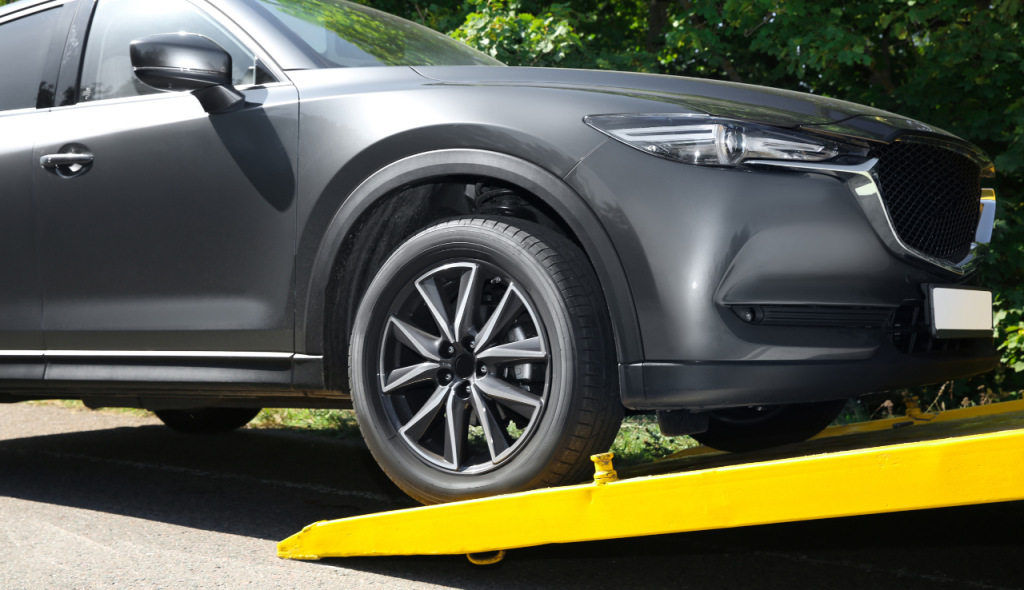
Ask for the estimated arrival time and whether that ETA is realistic for your area. Ask what type of truck is being sent. Flatbed towing is often the safer choice for breakdown transport, especially for EVs, motorcycles, lowered cars, and vehicles with drivetrain or wheel damage. Ask for the price before dispatch, not after loading.
It is also worth asking how the vehicle will be moved if it does not start or roll. That answer tells you a lot about whether the operator is prepared. Clear communication is a strong sign that the job will be handled properly from start to finish.
What happens after you book the tow
Once the booking is confirmed, the process should feel straightforward. You should know who is coming, roughly when they will arrive, and what the job will cost. If there are likely delays because of distance, traffic, weather, or another active roadside job, you should be told upfront.
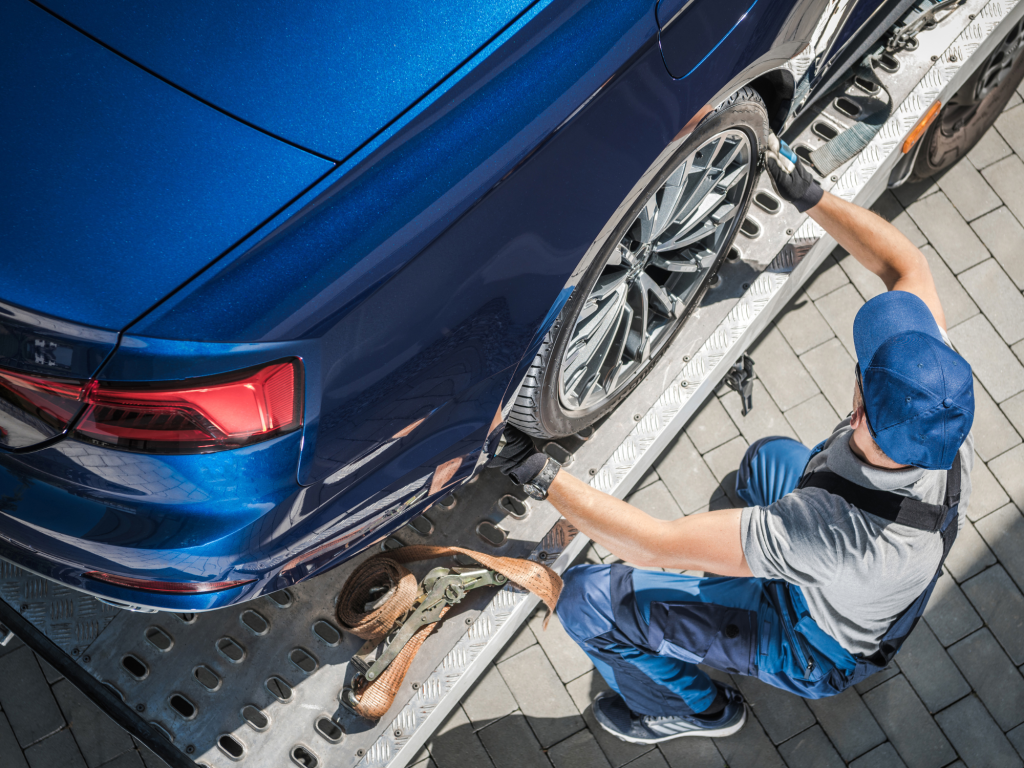
When the truck arrives, the operator should assess the vehicle before loading, not just hook it up and hope for the best. That includes checking access, ground clearance, wheel position, and whether special care is needed for body kits, large rims, motorcycles, EV systems, or locked steering.
Careful loading is not a bonus feature. It is part of doing the job properly. The right ramps, tie-down points, winching approach, and tray angle all matter. Customers often focus on how fast the tow arrives, but the loading process is where preventable damage can happen if corners are cut.
When a cheap tow is not really cheaper
Price matters, especially when a breakdown has already disrupted your day and may lead to repair costs as well. But the lowest quote is not always the best value.
A vague quote can become a different number once the truck arrives. Some operators quote low to secure the booking, then add extra charges for after-hours attendance, difficult access, non-running vehicles, or longer distances. That is why upfront pricing matters. You should know the cost before dispatch, with any likely extras explained clearly.
There is also the cost of poor handling. A badly secured motorcycle, a scraped front bar on a lowered car, or the wrong transport method for an EV can turn a breakdown into a much bigger expense. Honest pricing and careful work usually go together.
Need a tow truck right now in Melbourne? Local response matters
Melbourne drivers do not all break down in easy places. Some are stuck in tight apartment basements, busy shopping centre car parks, industrial estates, suburban streets, or on major roads where timing and access matter. A local operator with proper metro coverage is usually better placed to give you a realistic ETA than a call centre working off guesswork.
Local knowledge helps with routing, traffic patterns, access issues, and knowing which destination makes sense depending on the time of day. If your mechanic is closed, for example, taking the car there immediately may not be your best option. You might prefer transport to home, then a second move later, or direct delivery to a workshop that can receive it.
This is also where a specialist breakdown towing service stands out. The job is not just to move the vehicle. It is to reduce stress, explain the next step, and get you from roadside uncertainty to a clear plan.
Vehicles that need extra care
Some breakdowns are straightforward. Others need a more careful approach from the moment the truck arrives.
Motorcycles need secure loading and stabilisation, not a makeshift tie-down job. EVs and hybrids may require flatbed transport and an operator who understands manufacturer handling requirements. Vans and light trucks can present weight and access challenges, especially if they are carrying tools or stock. Performance and prestige vehicles need attention to clearance, ramp angle, and contact points.
If you drive something outside a standard passenger car, say so early. The more accurate the information, the smoother the job usually is.
A simple checklist while you wait
After you book, take a minute to get a few basics in order. Keep your mobile on and close by. If it is safe, collect valuables and anything you may need from the vehicle. Make sure the handbrake status, key location, and destination details are ready to go when the driver arrives.
If the vehicle is heading to a mechanic, check whether they can accept it. If not, have a backup destination. If you are in a difficult location, send a short description by text if the dispatcher requests it. Small details often save time on arrival.
For Melbourne drivers dealing with a sudden mechanical failure, the best towing experience is usually the one that feels calm, clear, and well managed from the first call. That is what breakdown towing should be – not more confusion, just prompt help, careful handling, and a straightforward path off the side of the road and onto the next step.